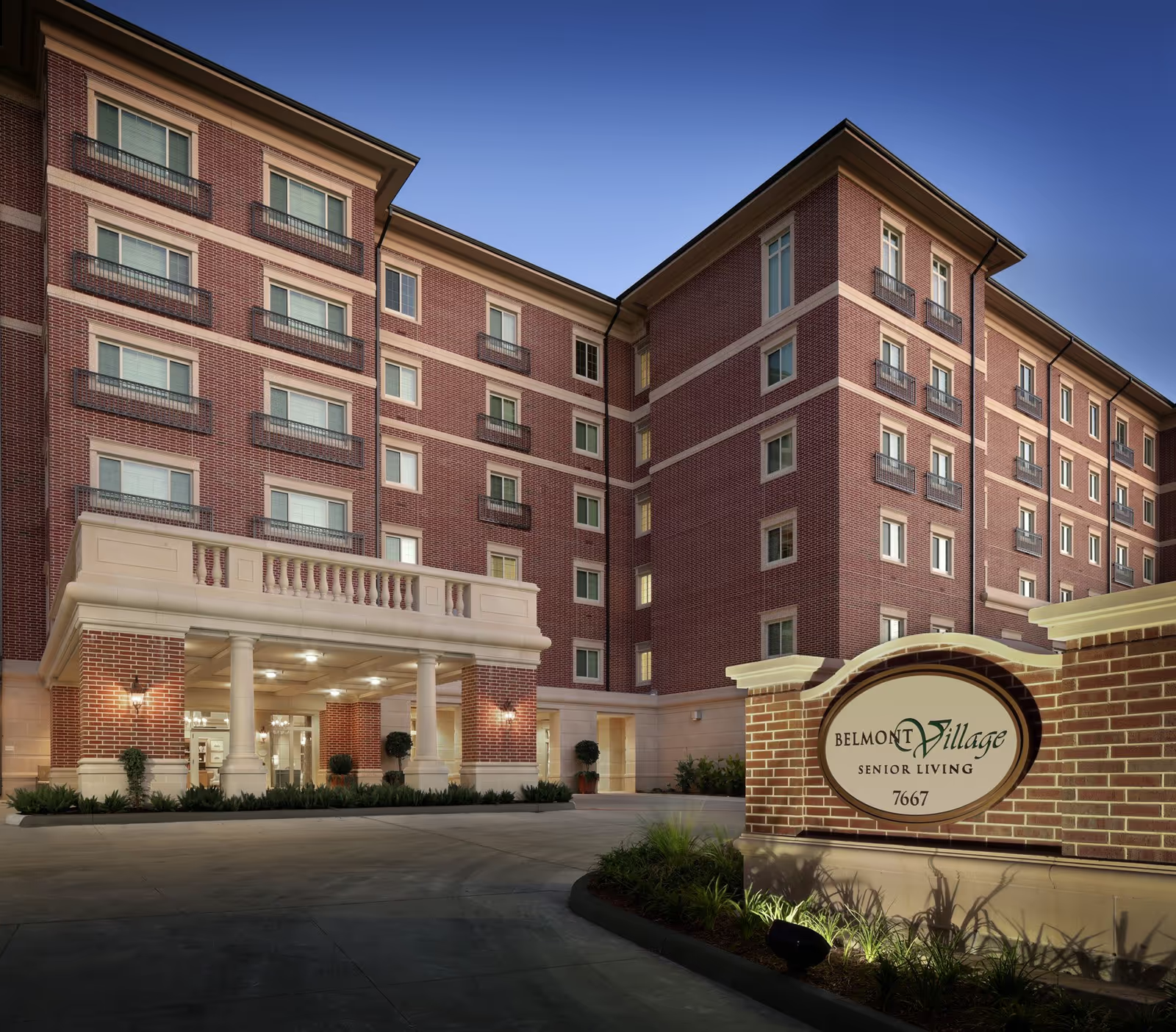
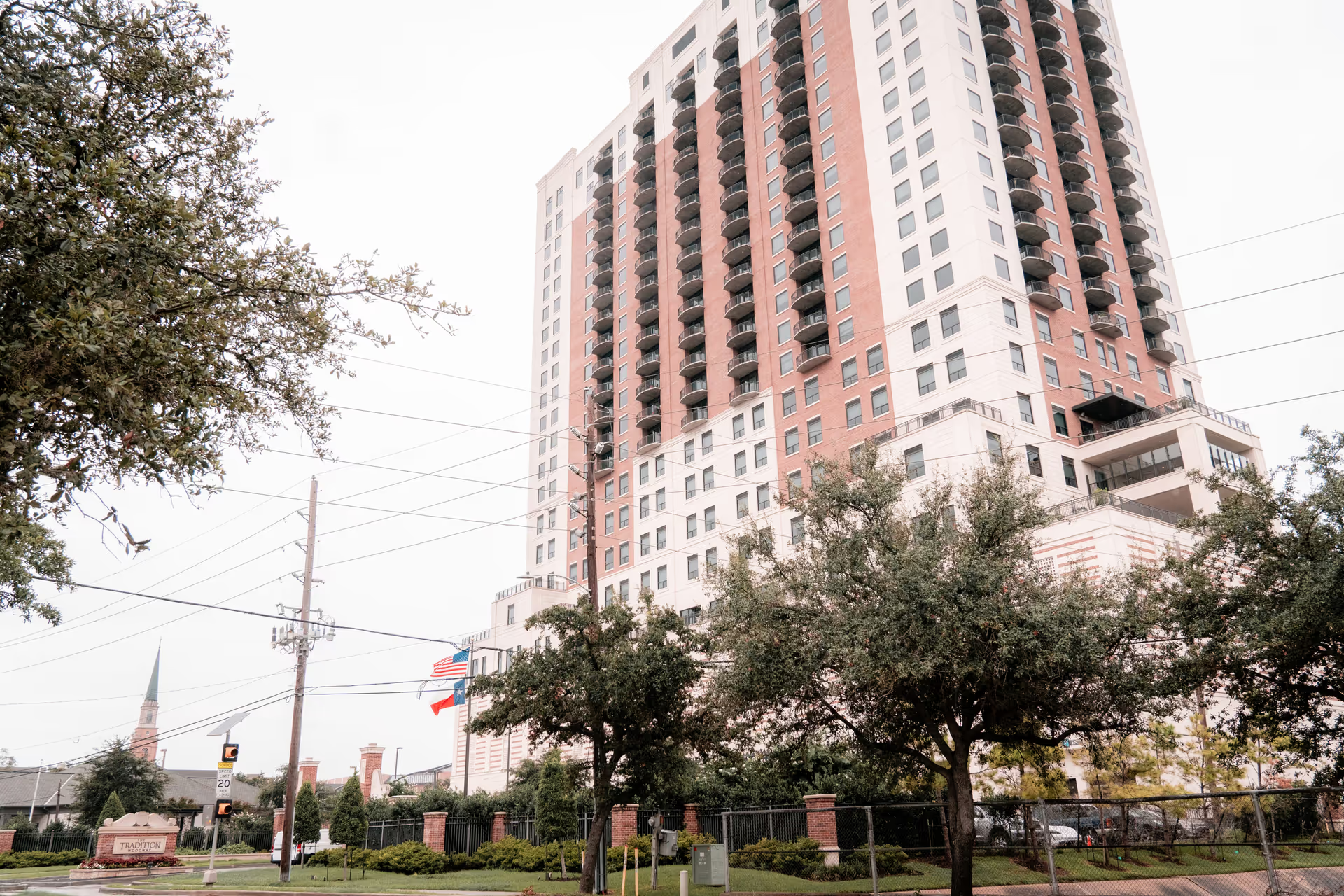
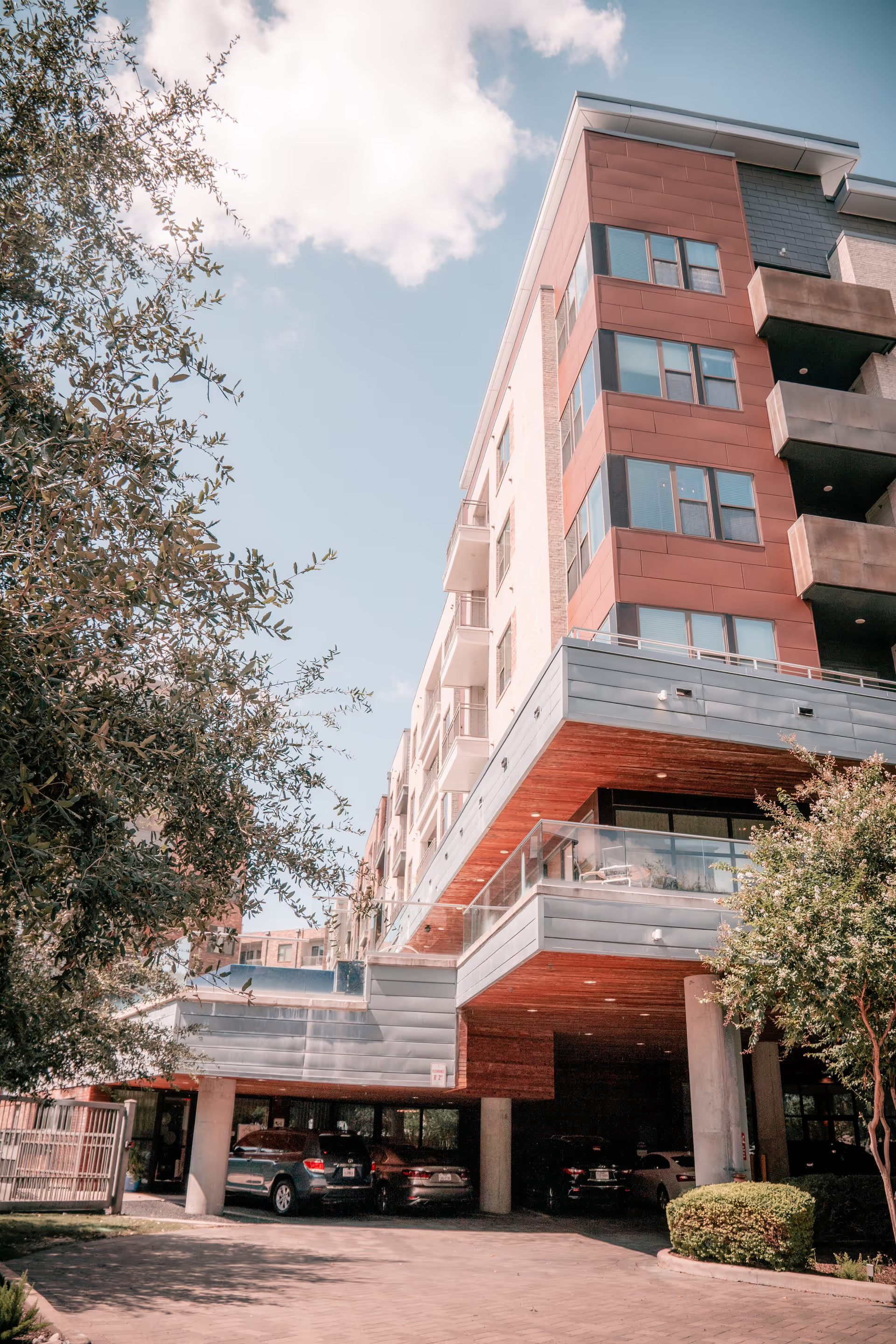
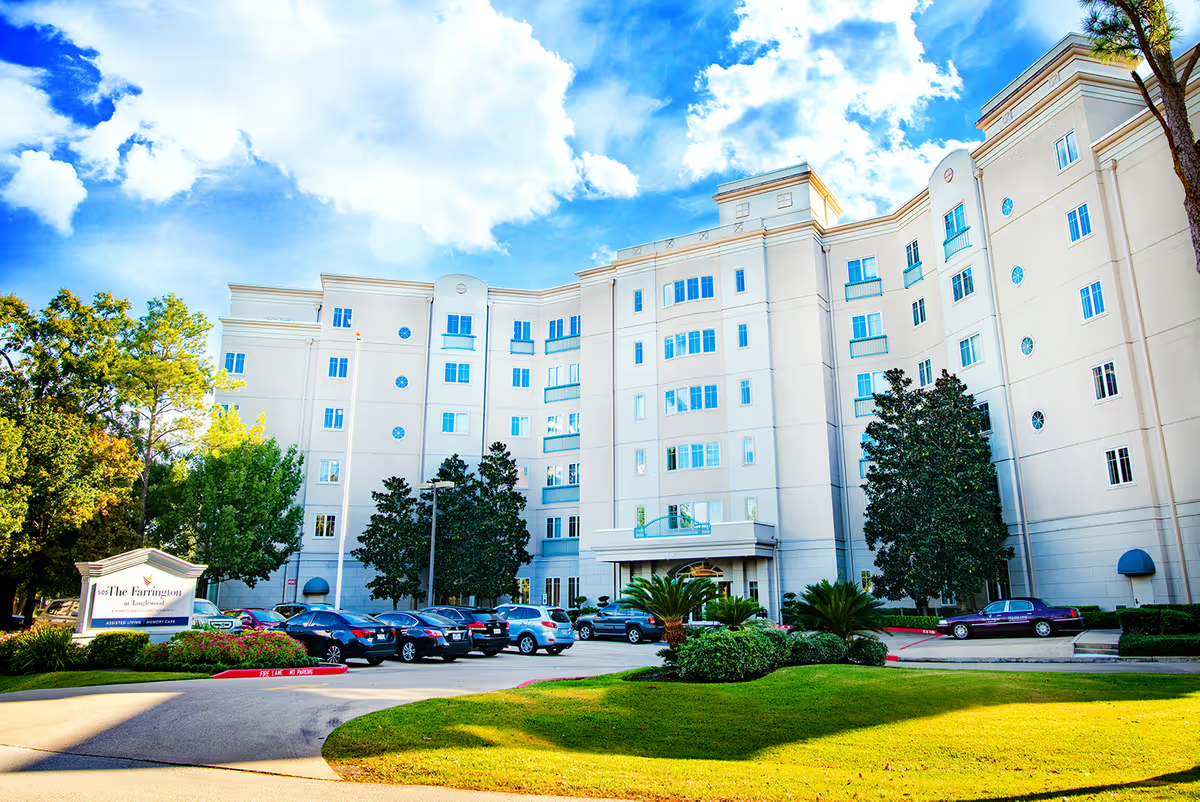
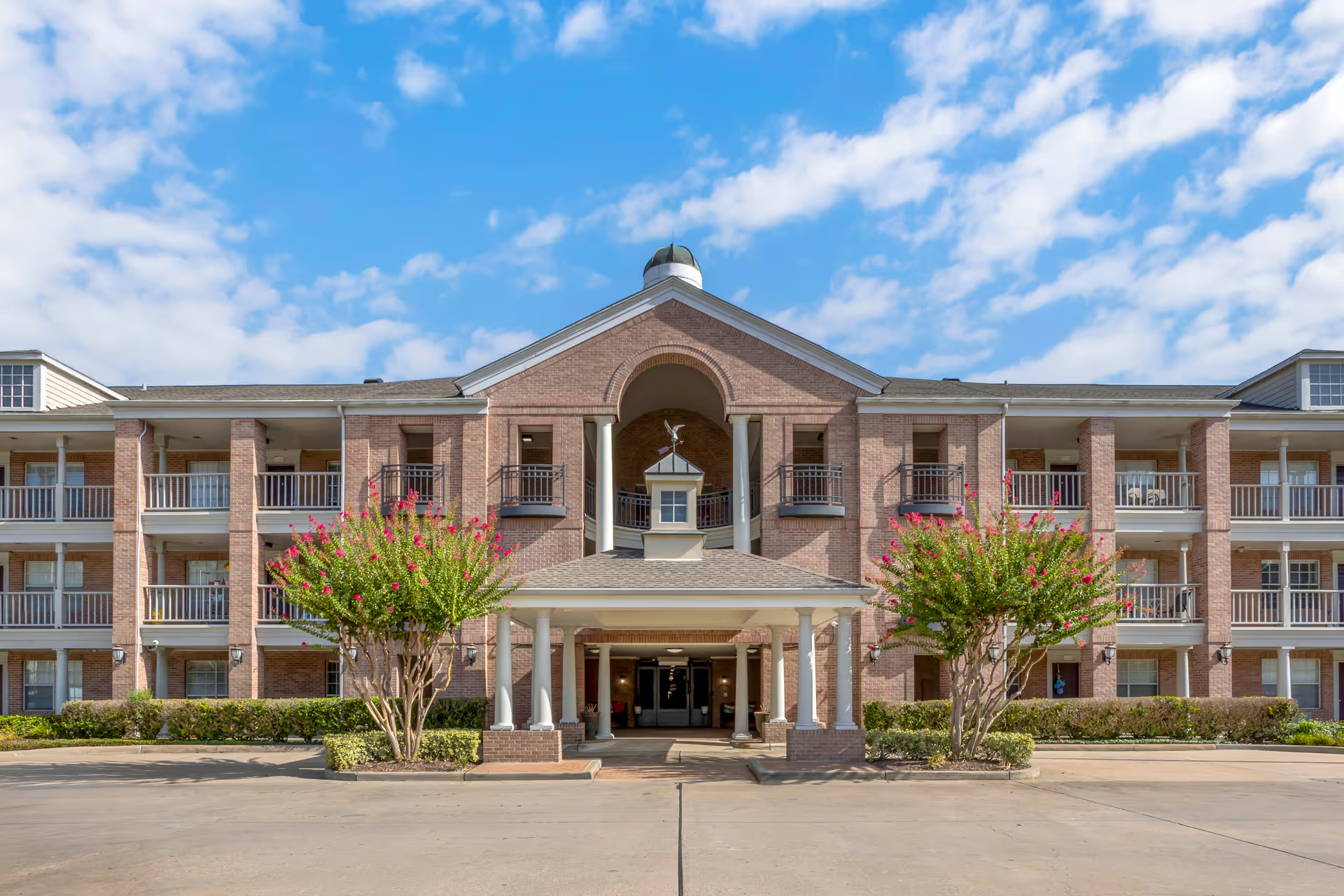
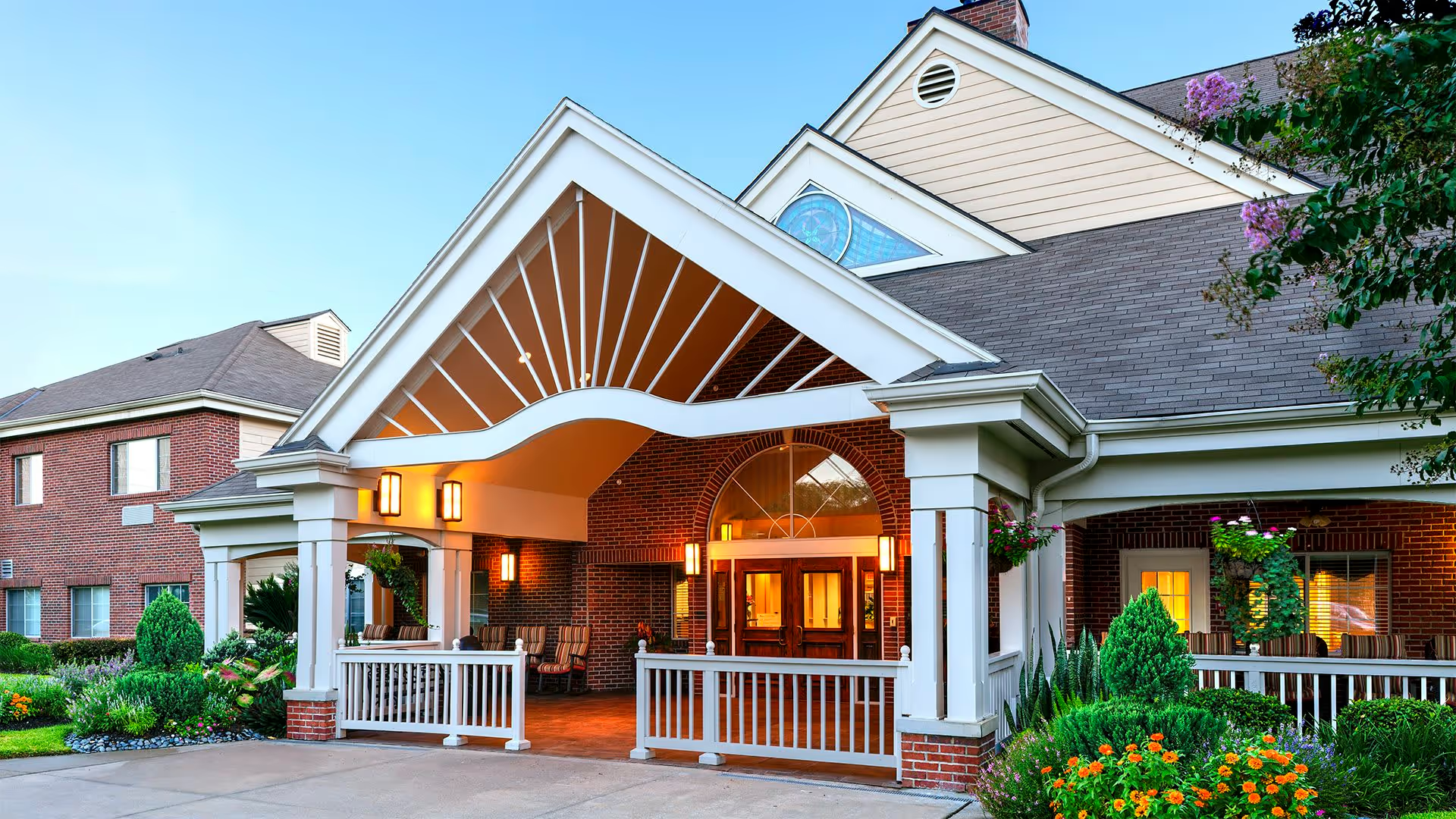
The Buckingham presents as a high-end continuing-care community with many facility-level strengths: restaurant-style dining, attractive architecture and grounds, multiple living options (independent through skilled nursing), abundant amenities, and a robust calendar of activities. Rehabilitation and therapy services are frequently highlighted as a strength, and several families describe attentive nurses, engaged therapists, responsive maintenance, and concierge services such as shuttle and valet. The community atmosphere, security measures, and on-site resilience features (generators) are repeatedly noted as positives that contribute to resident comfort and safety.
At the same time, reviews reveal persistent operational challenges that prospective residents and families should weigh carefully. Staffing consistency emerges as a central pattern: reviewers describe overnight shortages, slow call-button response times, and variability in care-assistant skill and conduct. Those operational weaknesses are tied to a range of clinical and quality issues in the narrative: missed or delayed medications, inconsistent hygiene and bathing assistance, wound-care follow-up concerns, and occasional safety events. These concerns suggest gaps in scheduling, supervision, and clinical controls rather than a single isolated failure.
Dining and programming receive generally high marks for quality and variety, with many remarks about well-presented meals and an active social calendar. However, there is also evidence of inconsistency: some families reported cold or passable meals, limited afternoon programming, and limited activities tailored to residents with auditory or visual impairments. Maintenance and housekeeping are commonly praised for responsiveness, but sanitation and pest-control concerns are raised often enough to be a recurring theme; this, together with some infection-control lapses (including staff COVID cases), suggests variability in environmental and preventive practices.
Financial and administrative matters are another area of mixed feedback. The community's price point and buy-in structure are described as substantial and, for some, inflexible. Multiple reviews cite billing confusion, unexpected out-of-pocket charges, and difficulty coordinating with outside insurance or the facility physician. Administrative responsiveness is uneven in reviewers' accounts: some families praise helpful liaisons and directors who facilitate transitions, while others describe slow or defensive responses, billing-focused interactions, and workflow problems during admissions and discharges.
Notable patterns across reviews point to a polarized experience: many residents and families report very high satisfaction—especially with dining, therapy, and the social environment—while others describe operational shortfalls that materially affected care. Serious individual allegations of staff misconduct and concerns following a resident's death appear in the record; these are exceptional but significant and merit direct inquiry during a tour or through regulatory/inspection records. Prospective residents should prioritize an in-person evaluation focused on current staffing ratios (especially nights), medication and wound-care protocols, housekeeping/pest-control practices, examples of family communication, and complete financial disclosures before committing.
In summary, The Buckingham offers an appealing physical environment, strong dining, and notable rehabilitation services, but reviewers consistently flag execution risks tied to staffing, clinical controls, communication, and billing. Families considering the community would benefit from targeted questions about overnight staffing, medication-administration safeguards, infection and pest-control procedures, activity accessibility for sensory impairment, and a clear, written breakdown of all fees and refund policies.