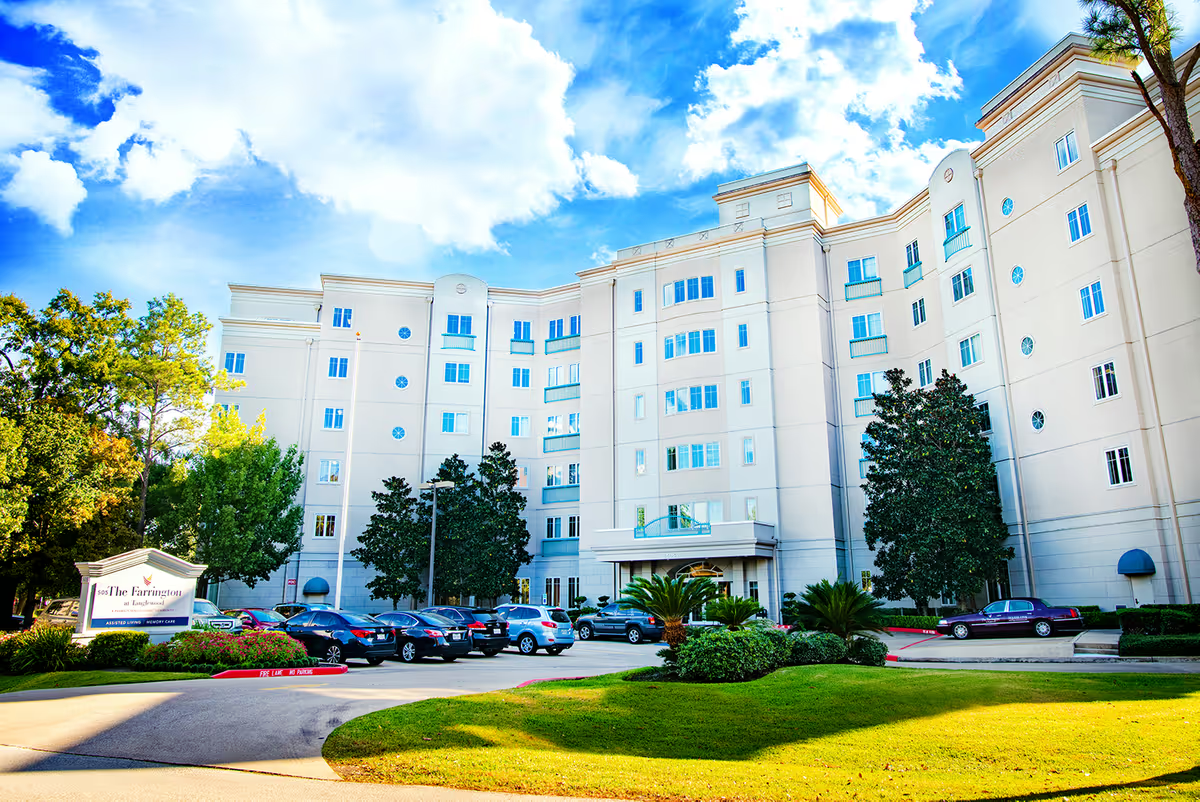
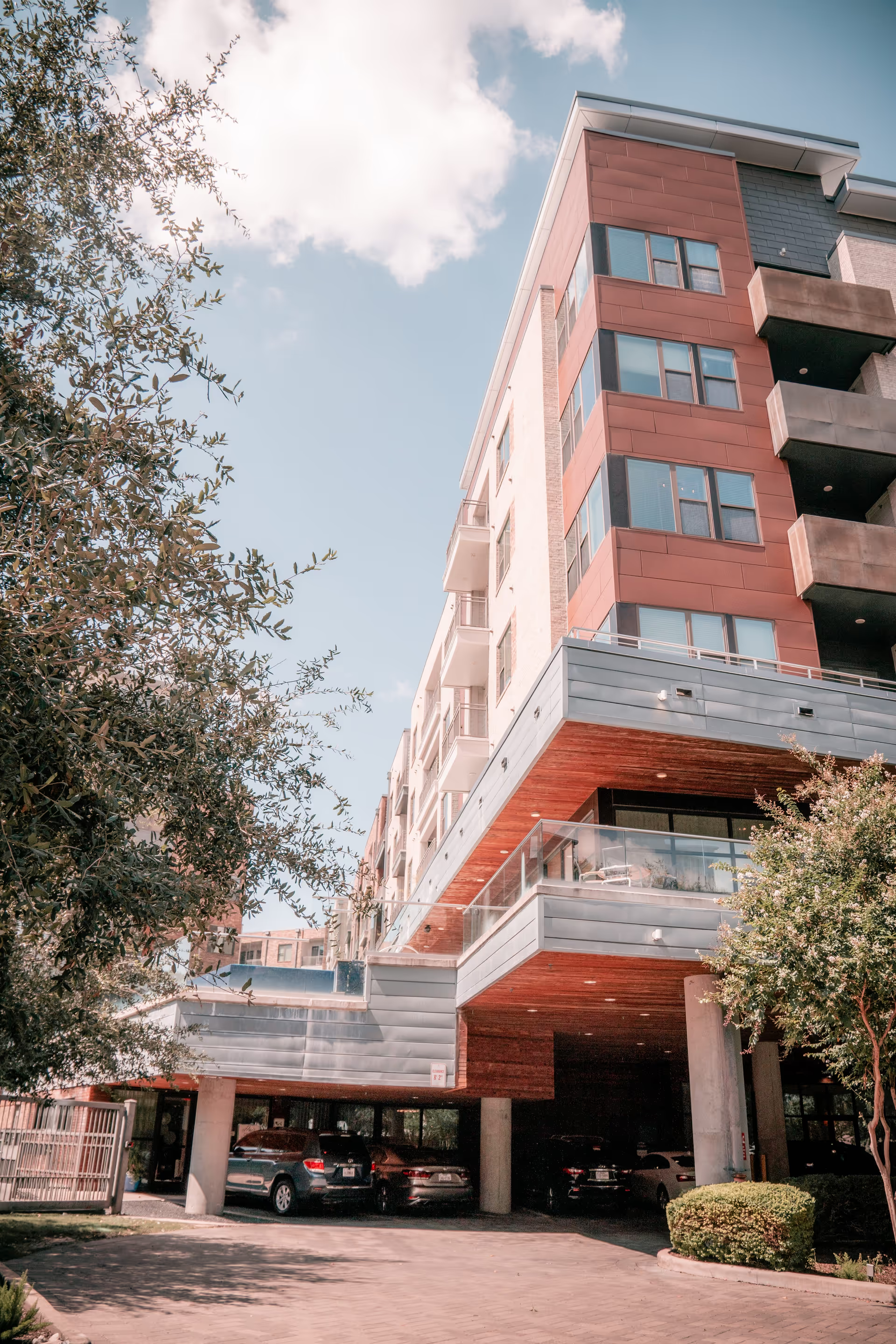
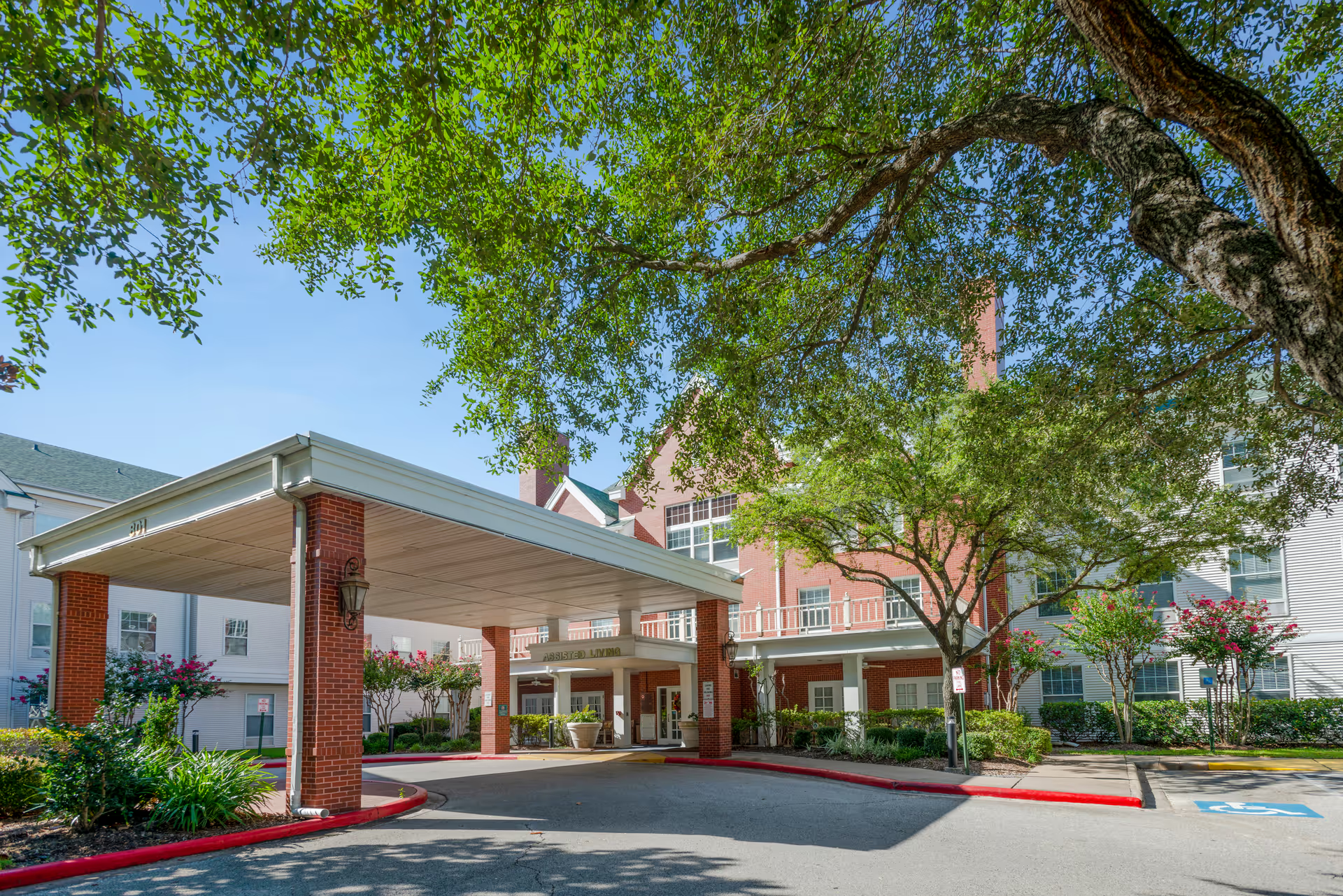
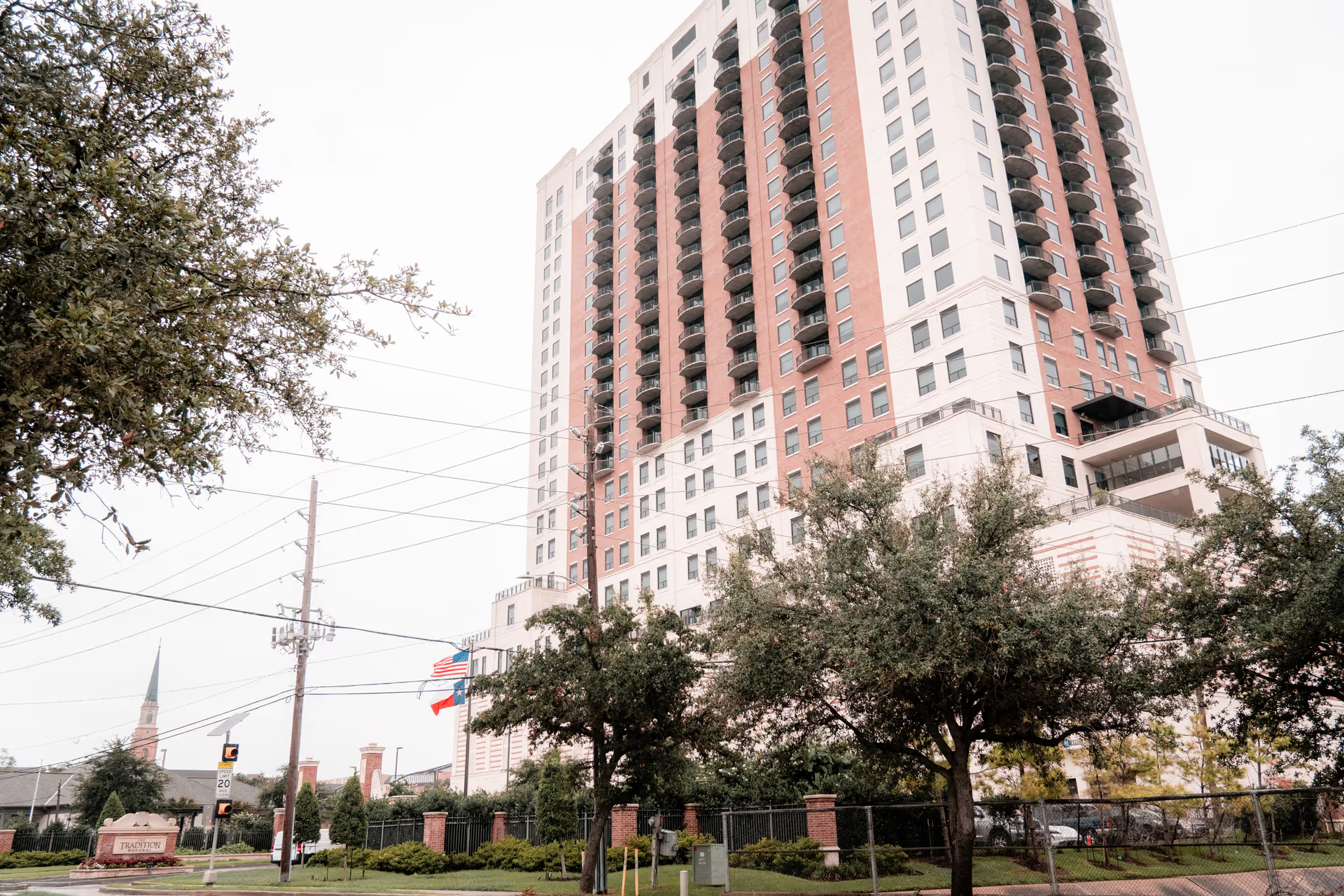
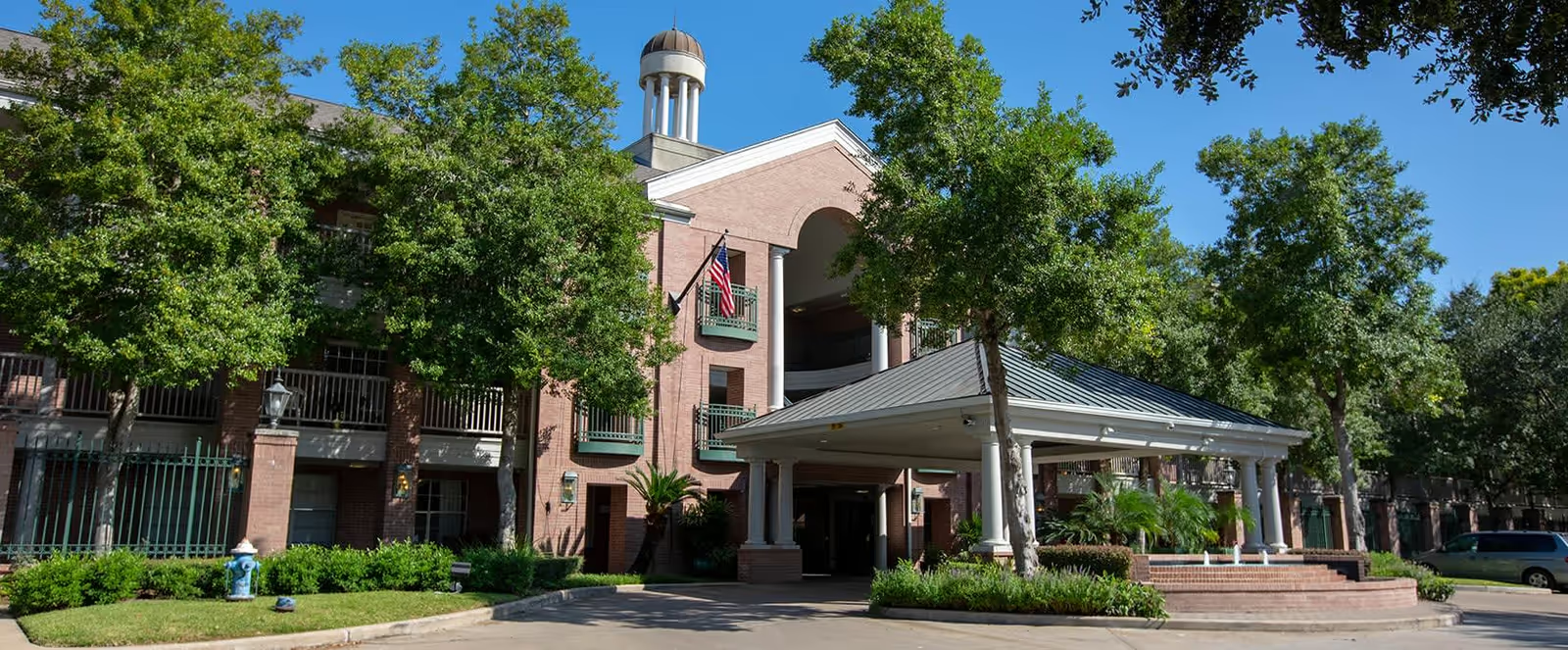
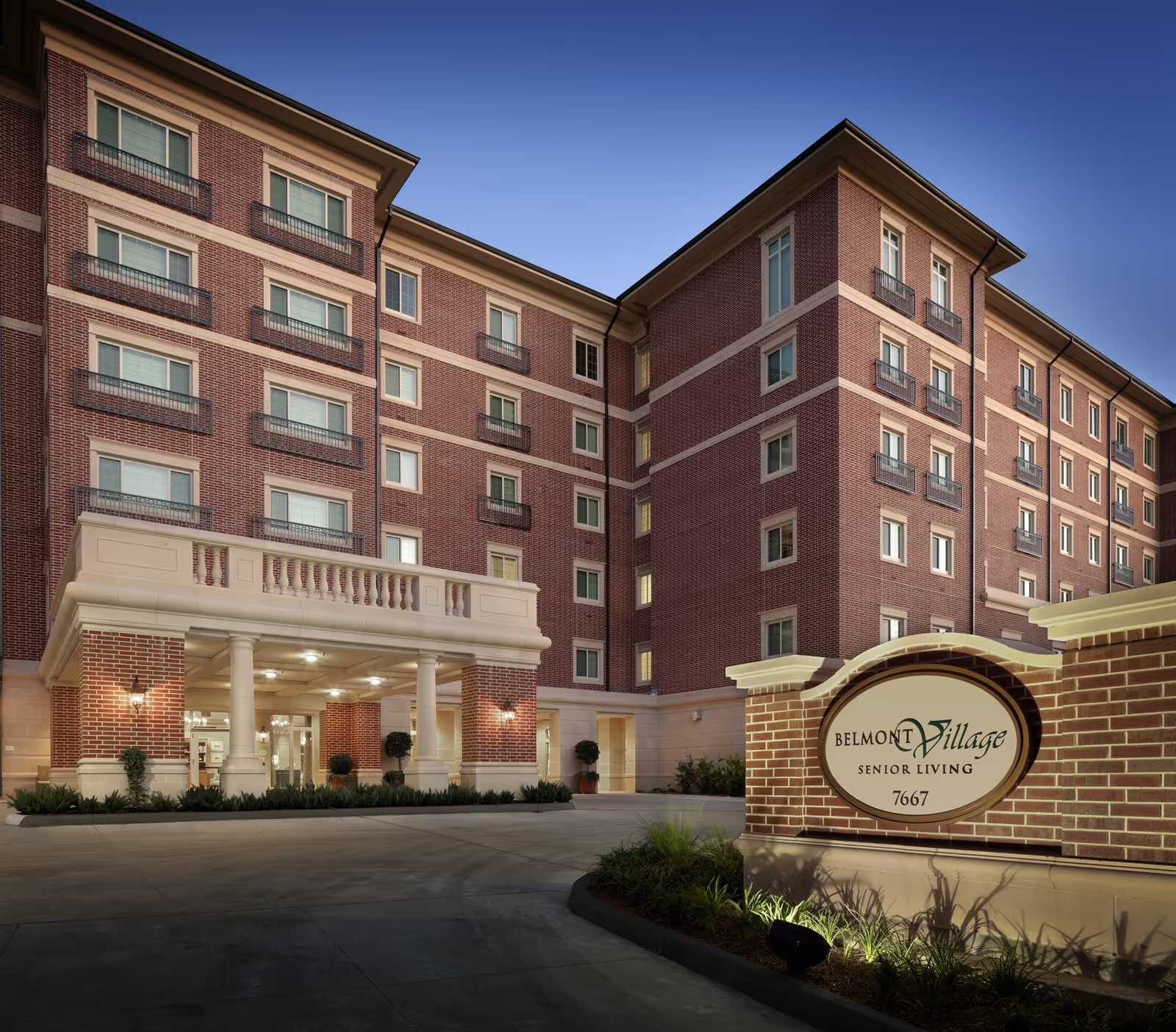
The Hallmark presents a mixed profile. On the positive side, reviewers consistently highlight strong hands-on caregiving: many families praise CNAs, aides, therapists, and physical-therapy staff for compassionate, knowledgeable support and successful rehabilitations. The community offers dedicated memory-care programming, engaging activities and events, and what many describe as a warm, home-like atmosphere. The building itself is frequently described as renovated and well kept, with attractive dining rooms, fresh presentation, recreational amenities, complimentary transportation, and valet services. Apartment options are noted as customizable and maintenance-free, and several reviewers called out specific staff (front desk, valet, PT team) for professional, friendly service.
Care quality appears to vary by shift and by role. Positive reports emphasize attentive aides and therapists and favorable staff‑to‑resident ratios during covered shifts, while other reports point to slow response times, intermittent inattentiveness from some nurses, and variability in staff training and conduct. Reviewers point to medication-administration errors, delays, and gaps in coordination with hospice providers as operational weaknesses to probe further. Staffing instability—high turnover and periods of understaffing—emerges as a recurring operational factor that appears to affect responsiveness and continuity of care.
Dining and activity offerings are a notable strength for many residents: there are repeated references to high‑quality meals, an on‑site dietitian, pleasant dining service, and a robust activities calendar that keeps residents engaged. However, the food program is described as inconsistent by some families, with reports of a decline in menu quality and dissatisfaction following leadership changes in food service.
Administrative and management themes show a clear split in sentiment. Positive interactions with front‑line staff contrast with multiple concerns about executive-level leadership, communication, and customer service. Specific operational issues include intake and onboarding communication failures, billing and deposit-refund disputes, delays processing third-party billing, and inconsistent answers from administration about room availability and placement. Several reviewers raise serious concerns about discriminatory admissions practices and biased conduct toward minority residents; others highlight a perception that leadership prioritizes revenue and private-pay placements.
There are also isolated but serious allegations that prospective families should not overlook: concerns about financial transparency, contested refunds, and at least one set of allegations of theft and financial misconduct. In a few cases reviewers referenced events following a resident’s death and raised questions about end-of-life coordination and follow-up. These reports are more severe than routine operational complaints and merit direct verification with regulators and through contract review.
What this pattern suggests for prospective residents and families: The Hallmark offers substantive strengths in caregiving, therapy, memory-care programming, facilities, and social programming, but it also demonstrates variability in consistency and leadership. Before committing, families should tour multiple apartments and dining settings, ask for current staffing levels and turnover statistics, review medication‑management and hospice‑coordination protocols, request itemized billing and refund policies in writing, and clarify the continuum-of-care availability and any waitlist practices. Verifying contractual protections and contacting local oversight agencies or ombudsmen about the facility’s complaint history can help address the more serious administrative and financial concerns raised by reviewers.