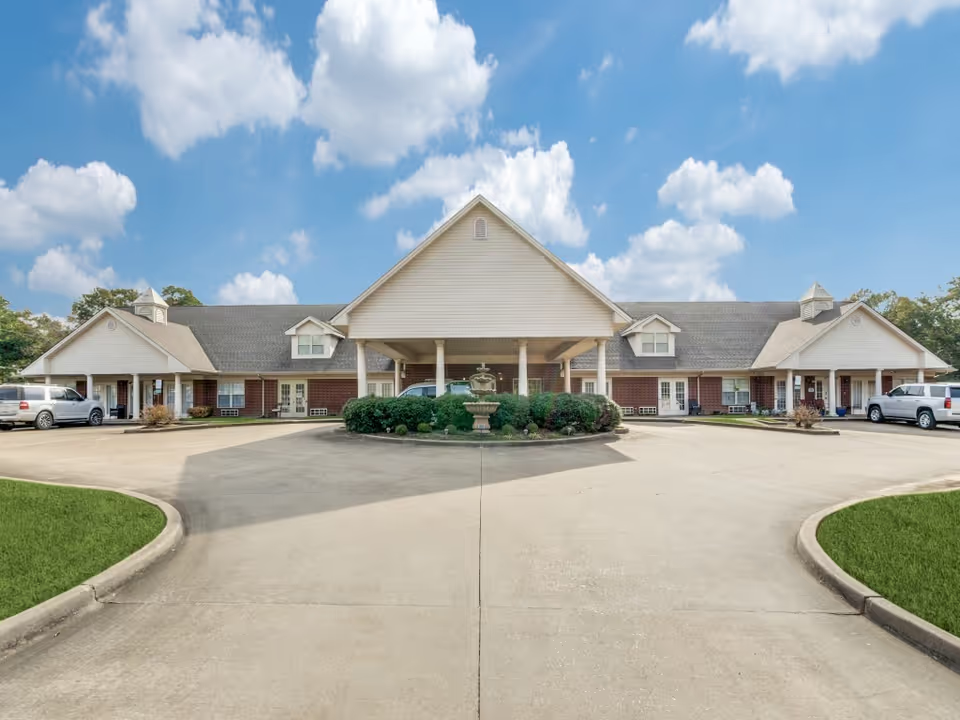
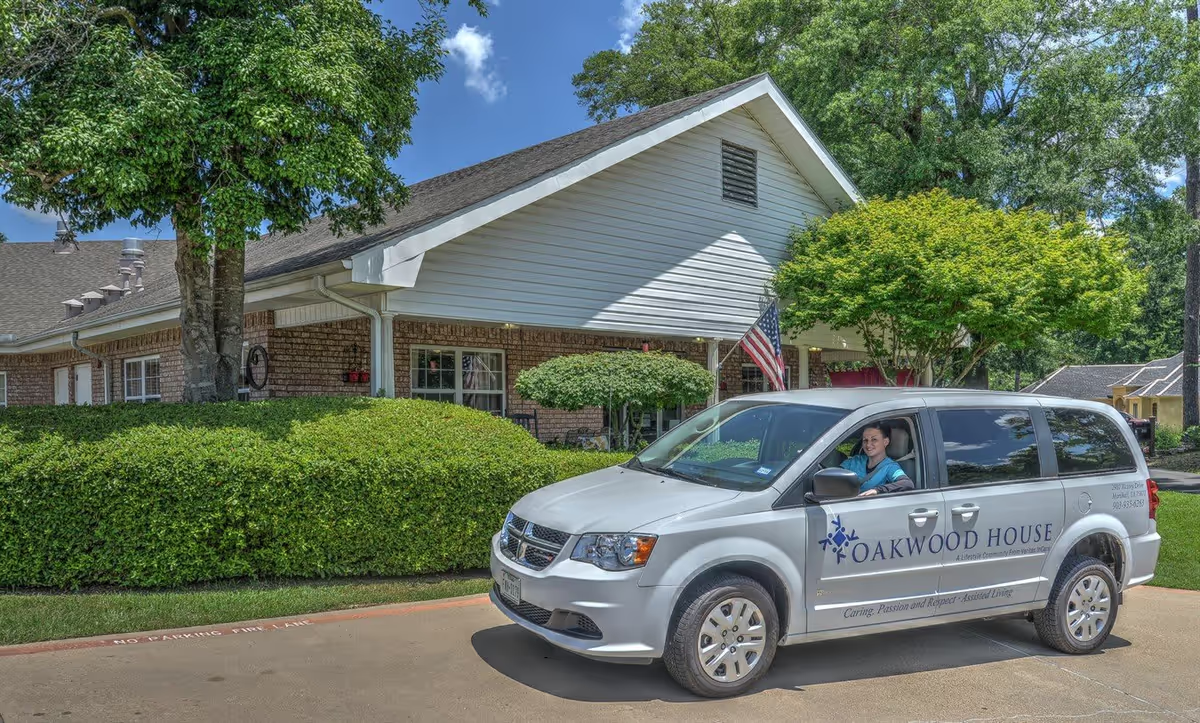
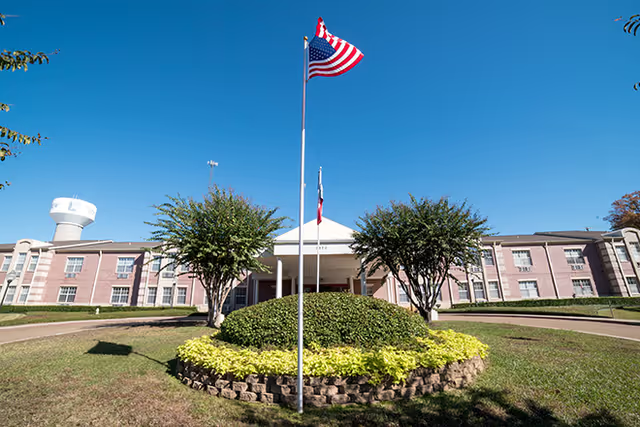
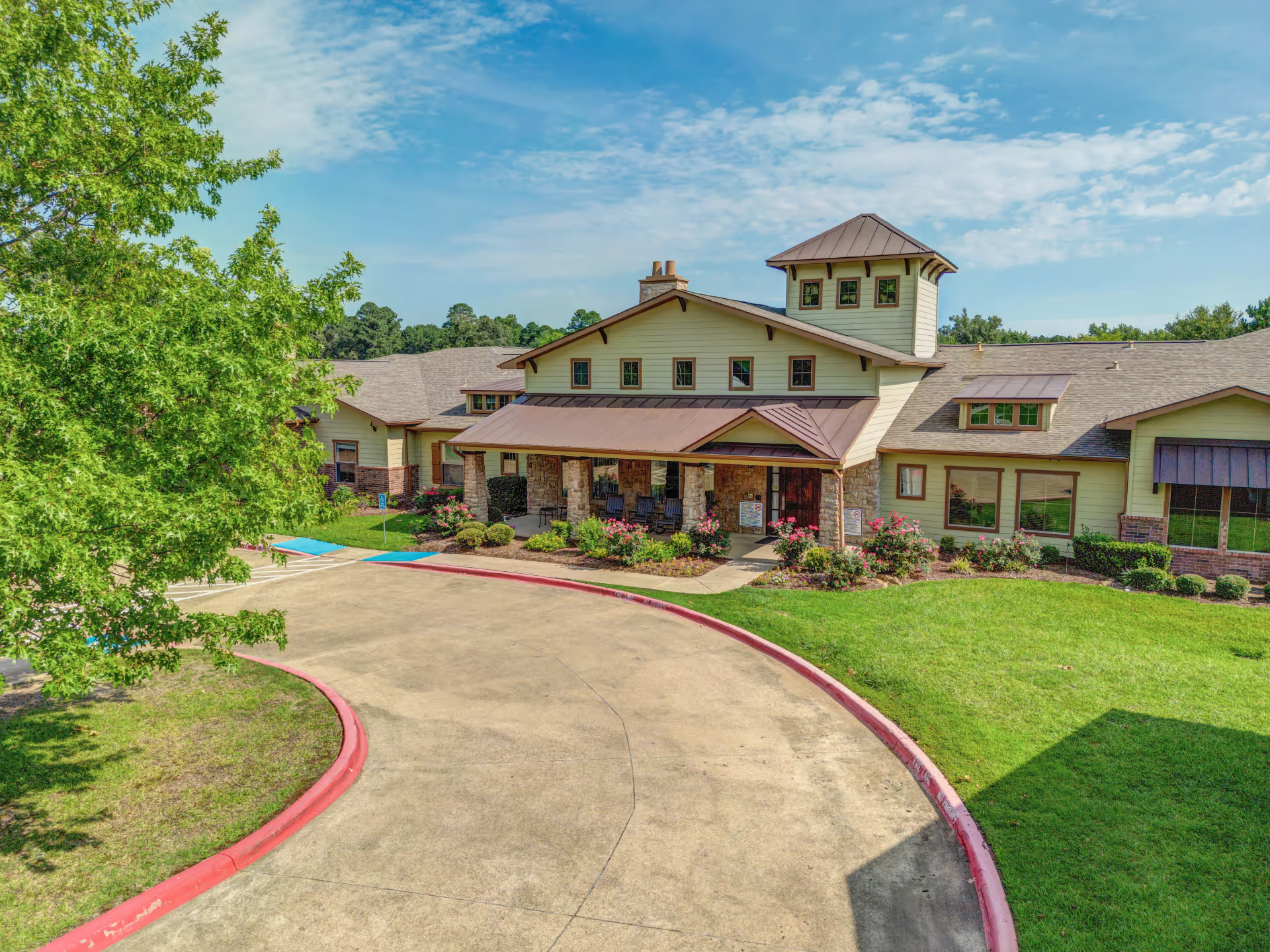
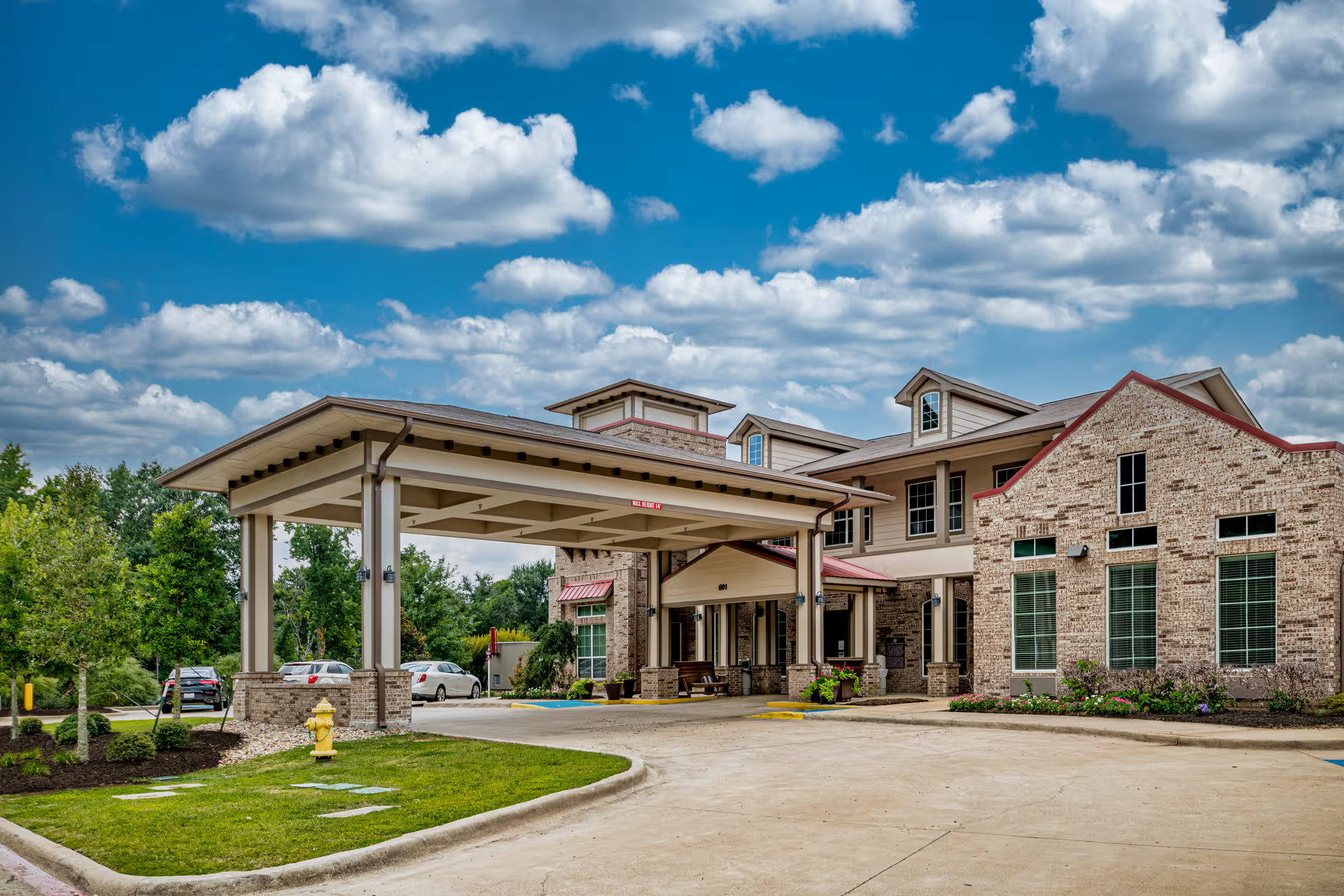
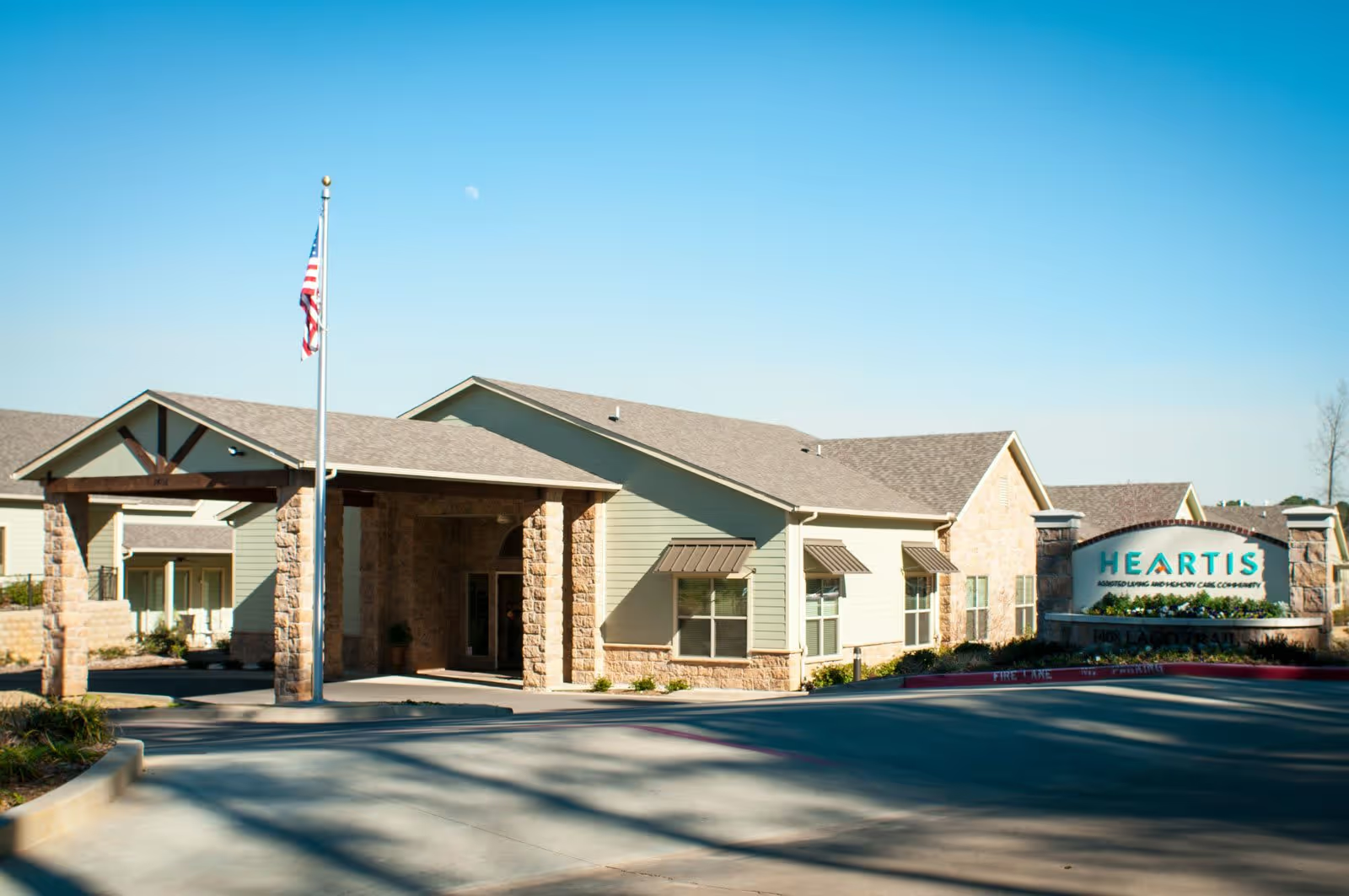
Magnolia Place projects a generally positive operational profile: most commentary highlights a well-maintained, recently remodeled building with modern finishes, pleasant common areas, and an odor-free environment. Housekeeping and maintenance are repeatedly noted as strengths, and outdoor/patio spaces and parking are described as tidy and accessible. The facility’s physical upgrades and a professional appearance contribute to a welcoming, home-like atmosphere that families often cite as reassuring.
Care quality and staffing are the most frequently praised elements. Reviewers describe nursing staff, CNAs, therapists, and activity staff as compassionate, attentive, and communicative. Several families called out individual employees by name for exceptional assistance at intake, in the business office, in housekeeping, and at the front desk; therapy and rehabilitation services are repeatedly characterized as effective, and hospice support is noted as considerate. Many families reported timely updates, balanced staff/resident interactions, and a sense that residents are treated with dignity.
Dining and activities receive consistent positive remarks. The dietary department is described as providing high-quality, flavorful meals with themed events; residents and families frequently referenced Bingo, music nights, games, field trips, and other enrichment programming. An active resident community and a calendar of social opportunities are clear strengths that contribute to resident engagement and perceived value.
Facilities and operations are generally viewed positively: the campus is described as clean, remodeled, and professionally presented, with secure check-in procedures for visitors. Communication channels with families—particularly for routine updates and appointment coordination—are often described as prompt and helpful, and maintenance staff are portrayed as responsive.
Notable patterns of concern center on operational consistency and management practices. Several families described staffing shortages or scheduling instability, and some raised concerns about management policies during high-illness periods that can affect staffing coverage. A few accounts allege lapses in precautions and cite a serious outcome following a resident’s death; these statements are not aligned with the broader positive commentary and indicate a need for targeted follow-up. Related operational themes include intermittent issues with visitor security and privacy controls, occasional variability in front-desk responsiveness, and isolated incidents suggesting weaknesses in controls for resident property.
Overall, Magnolia Place appears to deliver a strong, family-oriented environment with well-regarded clinical and enrichment services and a clean, updated facility. Prospective residents and families should weigh the broadly positive indicators—compassionate staff, good therapy, engaging activities, and quality food—against the operational consistency concerns. Asking facility leadership for specifics about staffing levels, high-illness-season staffing plans, incident-response protocols, and property-security measures during a tour or intake discussion would help clarify whether the facility’s practices align with a family’s expectations for continuity of care and resident safety.