The reviews describe a facility with significant strengths in rehabilitation and many examples of dedicated frontline staff, alongside recurring operational concerns that produce widely divergent family experiences. Clinical strengths most frequently cited include skilled nursing in respiratory care, effective physical and occupational therapy, and measurable rehabilitation outcomes such as improved mobility and ventilator weaning. Families also praised bedside staff for compassion and frequent clinical updates, as well as supportive reception/social-services personnel who facilitate equipment and transportation needs.
Staffing and clinical consistency emerge as the most prominent areas of variability. While daytime therapy teams and some nursing shifts are described as highly competent and communicative, multiple accounts describe understaffing—particularly at night—and elevated nurse-to-patient ratios that correlate with delayed responses to call lights, slower after-hours communication, and missed or delayed interventions. Related clinical concerns include wound management and infection-control gaps, medication-documentation issues, and care transitions that in some instances led to emergency outside care after discharge.
Leadership, management and operational policies are a frequent source of family concern. Reviewers described uneven administrative communication, limited follow-up from management, and changes after ownership transitions that were associated with staffing reductions, benefit adjustments, and perceived budget-driven choices. Several accounts cited problems with discharge logistics, unclear private-room availability, and billing or out-of-pocket cost confusion. There are also serious individual allegations regarding staff conduct and privacy breaches; these are discrete but important to raise when evaluating facility oversight.
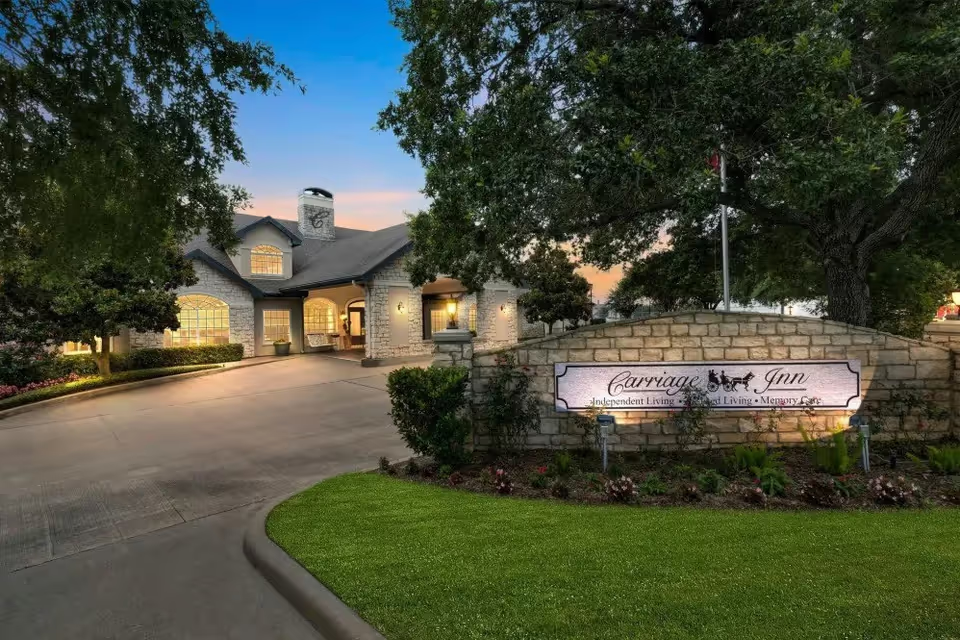
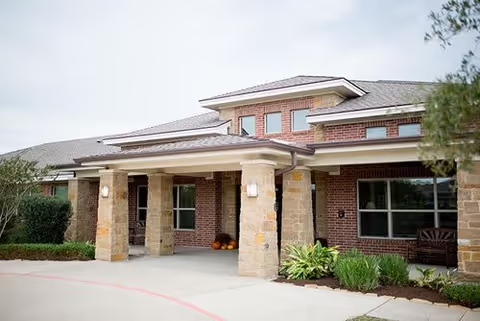
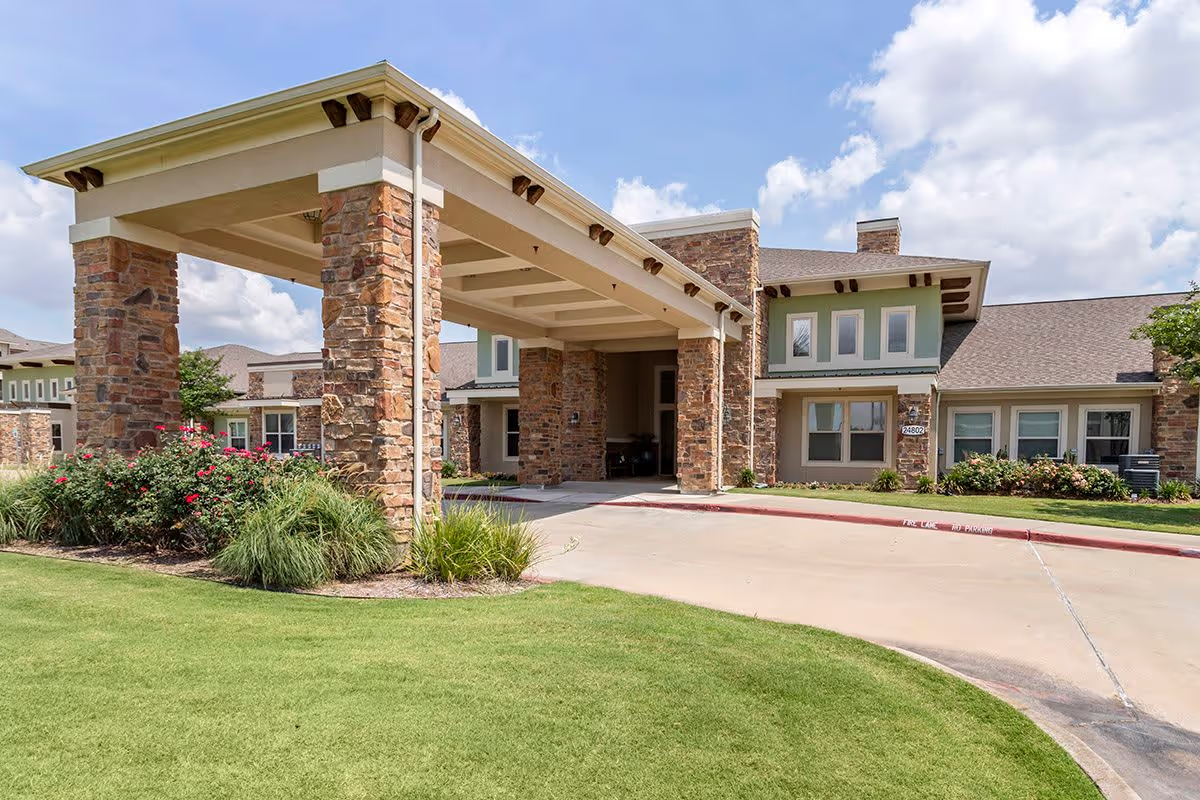
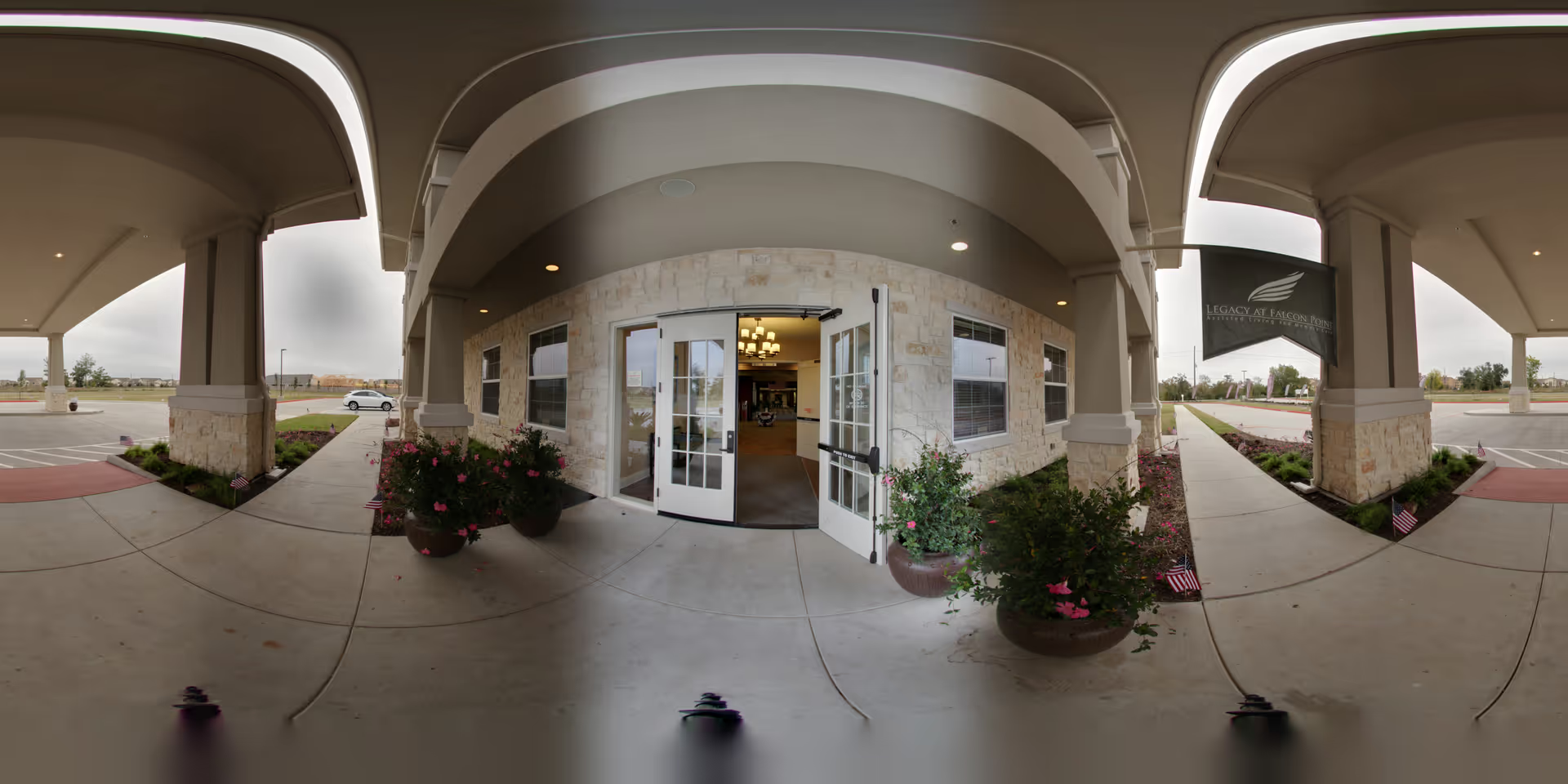
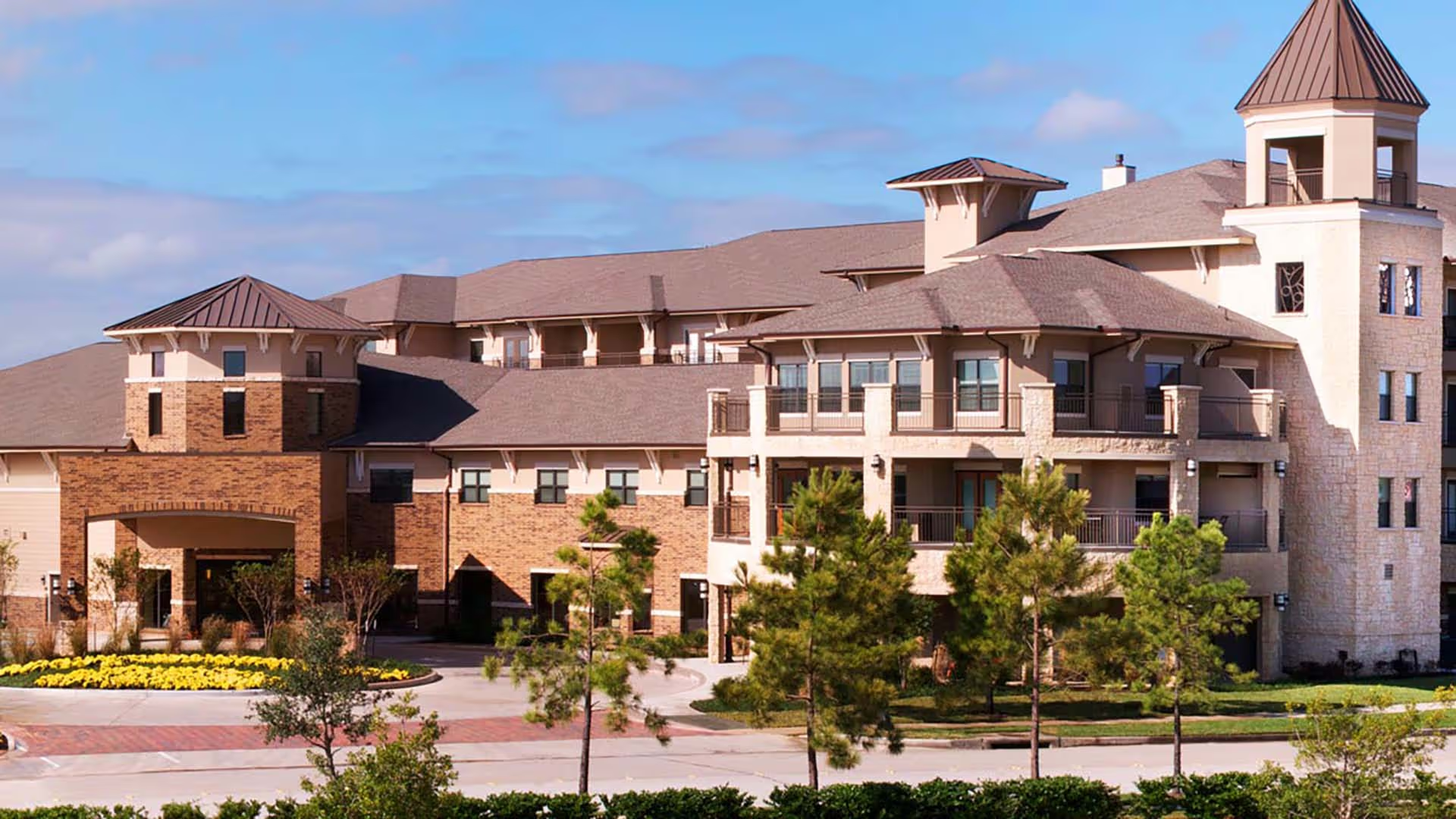
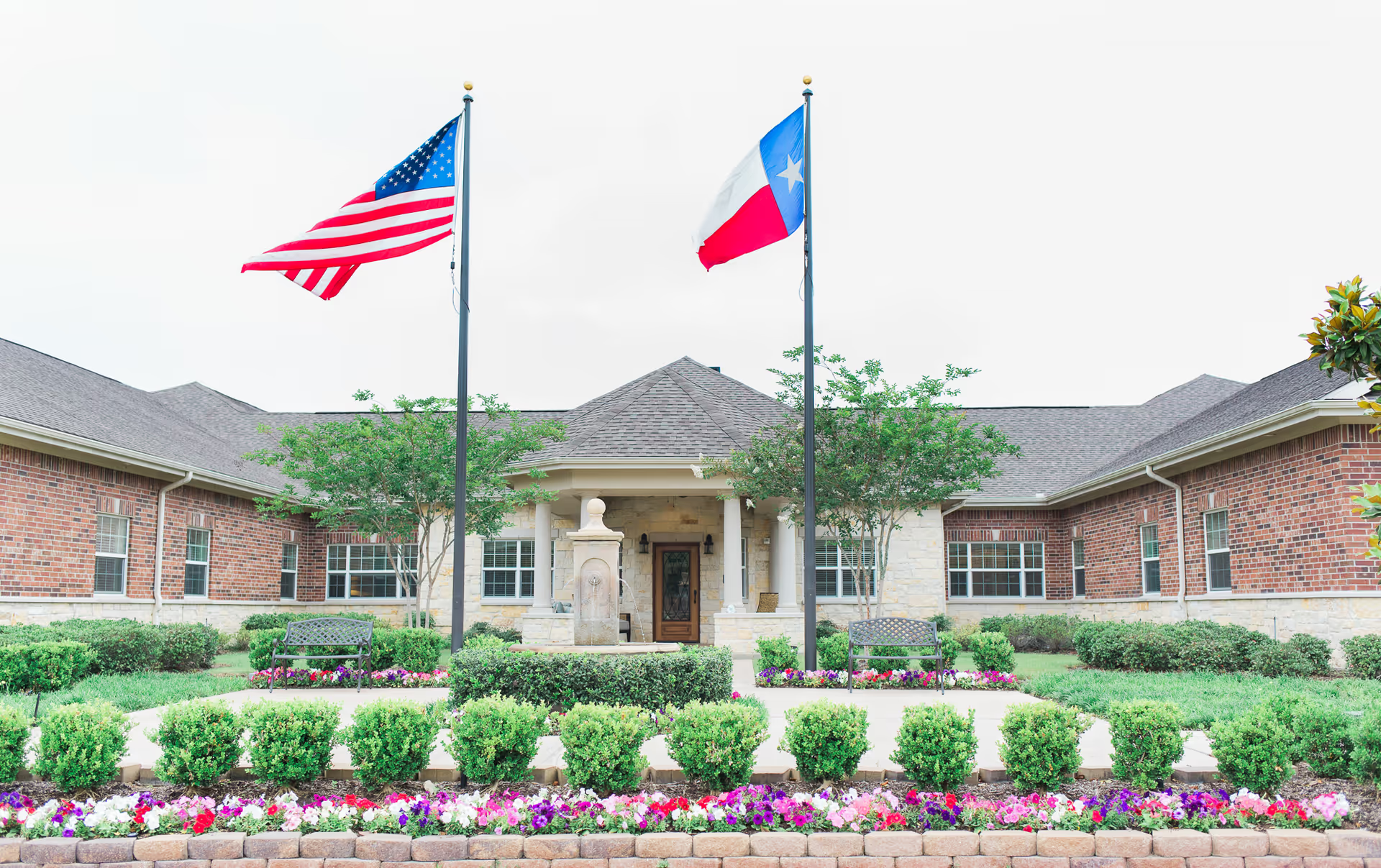
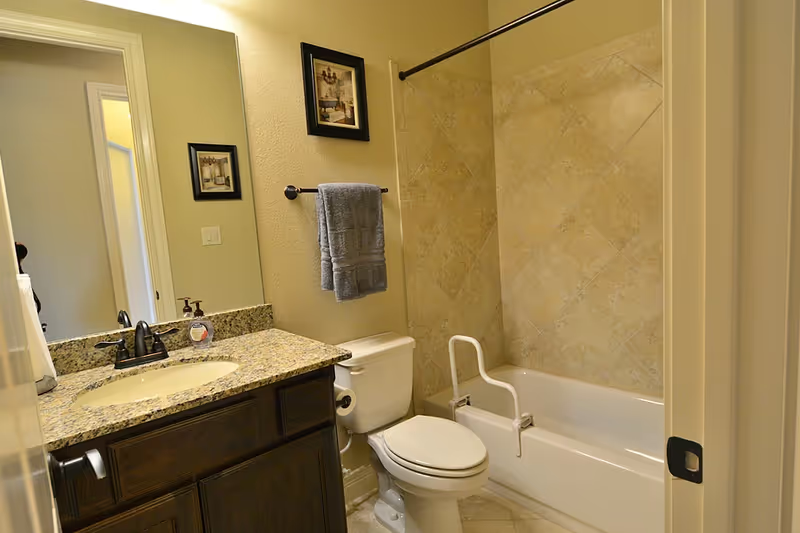
Facility environment and amenities show mixed impressions. Positive comments note recent renovations, clean common areas, robust activities (karaoke, bands, bingo), and special-event dining that families appreciated. Conversely, other reviewers described maintenance and sanitation concerns in some rooms or units, inconsistent housekeeping, missing or outdated equipment, and problems with nurse-call infrastructure or in-room communication devices. Dining quality was described variably—some families praised meal quality and alternatives while others found it inconsistent.
Patterns suggest that outcomes at this facility are highly dependent on shift, team, and timing. Prospective residents and families who prioritize rehabilitation and respiratory expertise may find strong clinical teams and measurable progress; those for whom continuous overnight monitoring, consistent administrative responsiveness, and uniform infection-control/sanitation standards are critical should verify current staffing levels, night-shift coverage, and infection-control/supply protocols during a visit. Asking for recent quality metrics, staffing ratios by shift, examples of recent improvement plans, and direct observation of rooms and call-response times can help families assess whether the facility’s current operational practices match their expectations.