Heritage Park of Katy elicits a broadly mixed yet patterned response. Many families and residents praise the facility for its strong rehabilitation services, visible clinical oversight, and a care culture described as compassionate and family-like. Therapy teams and nursing staff are frequently credited with measurable functional gains and successful short-term rehab outcomes; multiple accounts cite progression from wheelchair to cane or significant mobility improvement. The facility’s activity program, including daily and weekend events, social outings, and a focus on emotional wellbeing, is another consistent strength that contributes to resident engagement and community atmosphere.
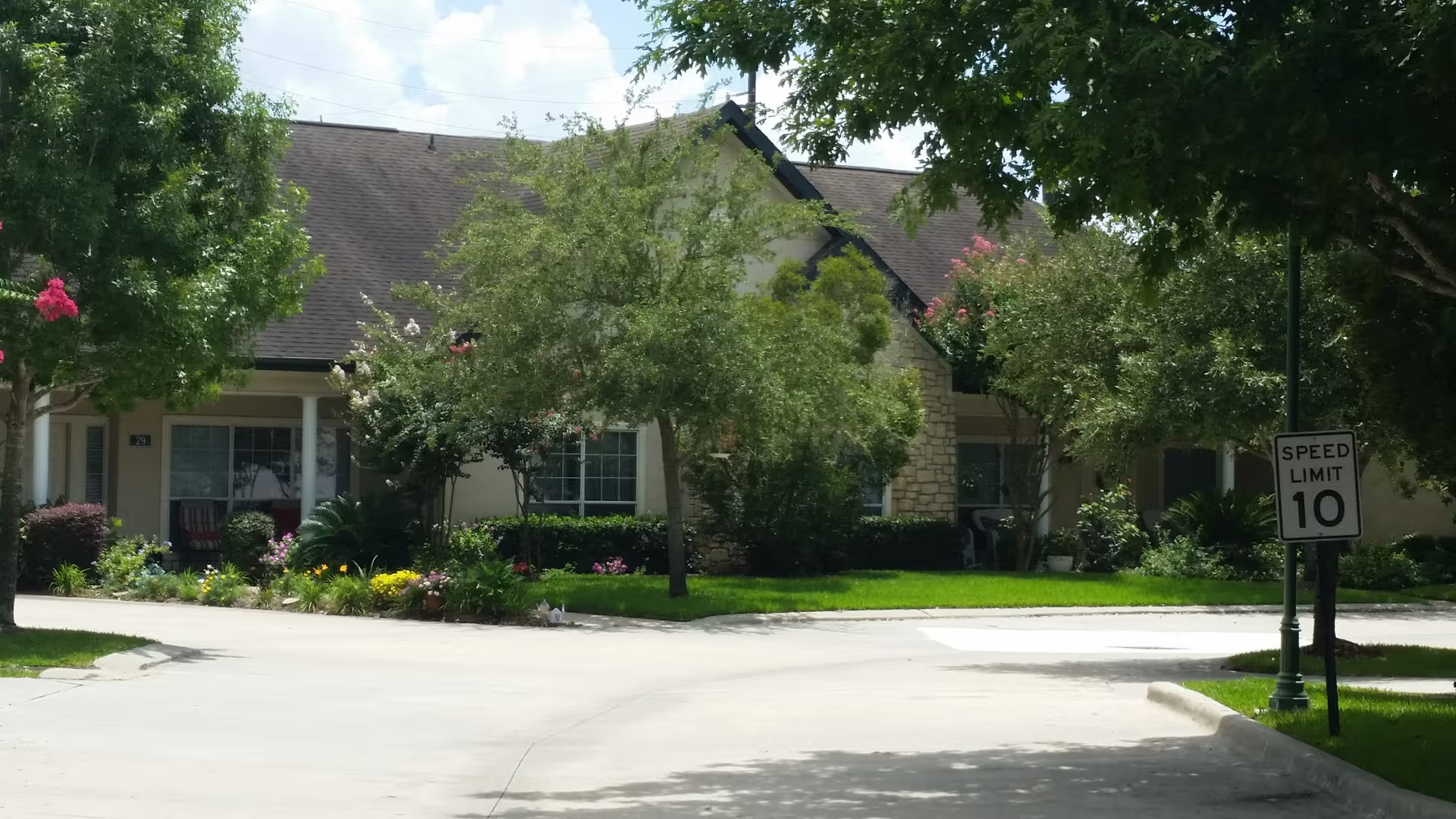
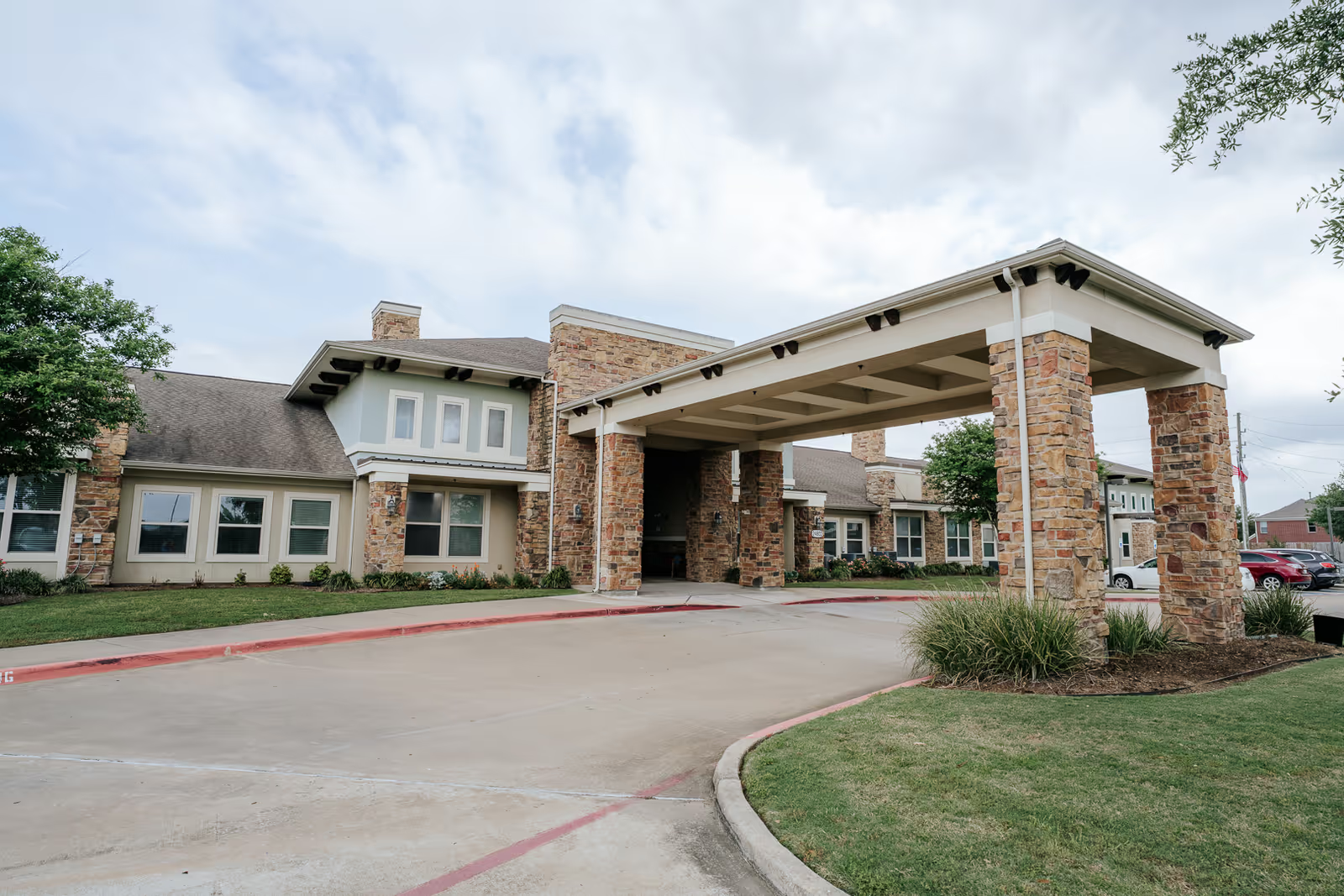
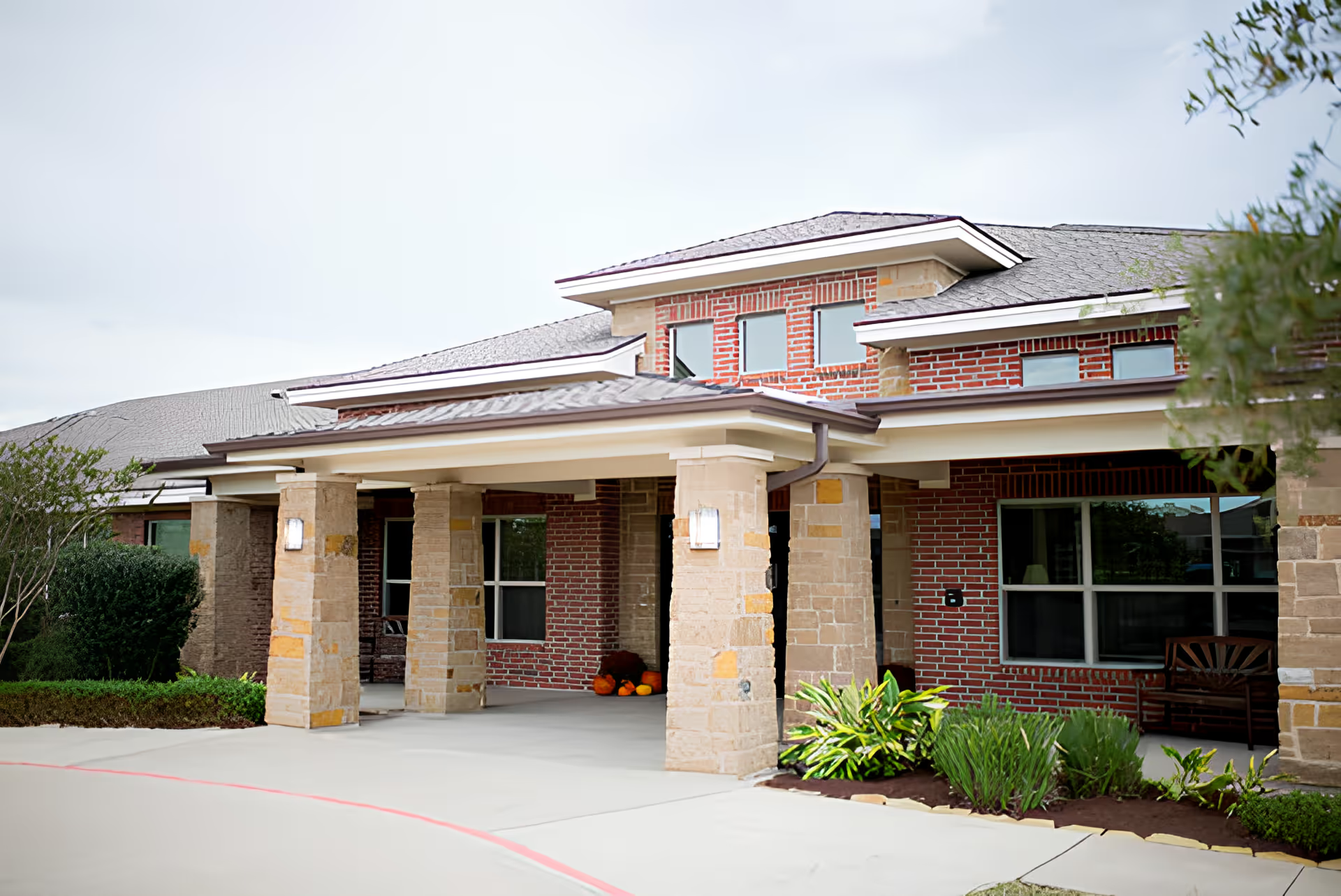
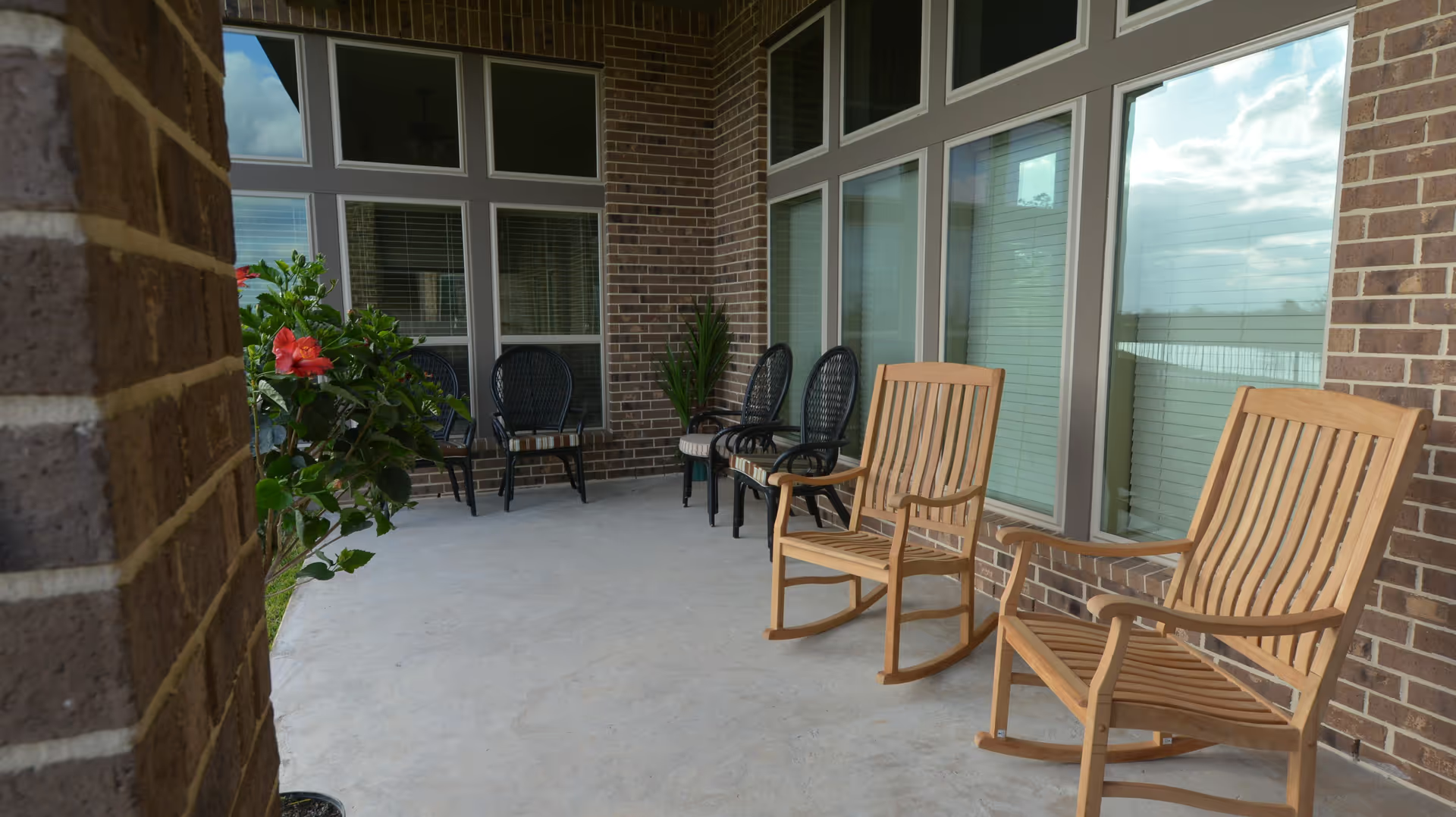
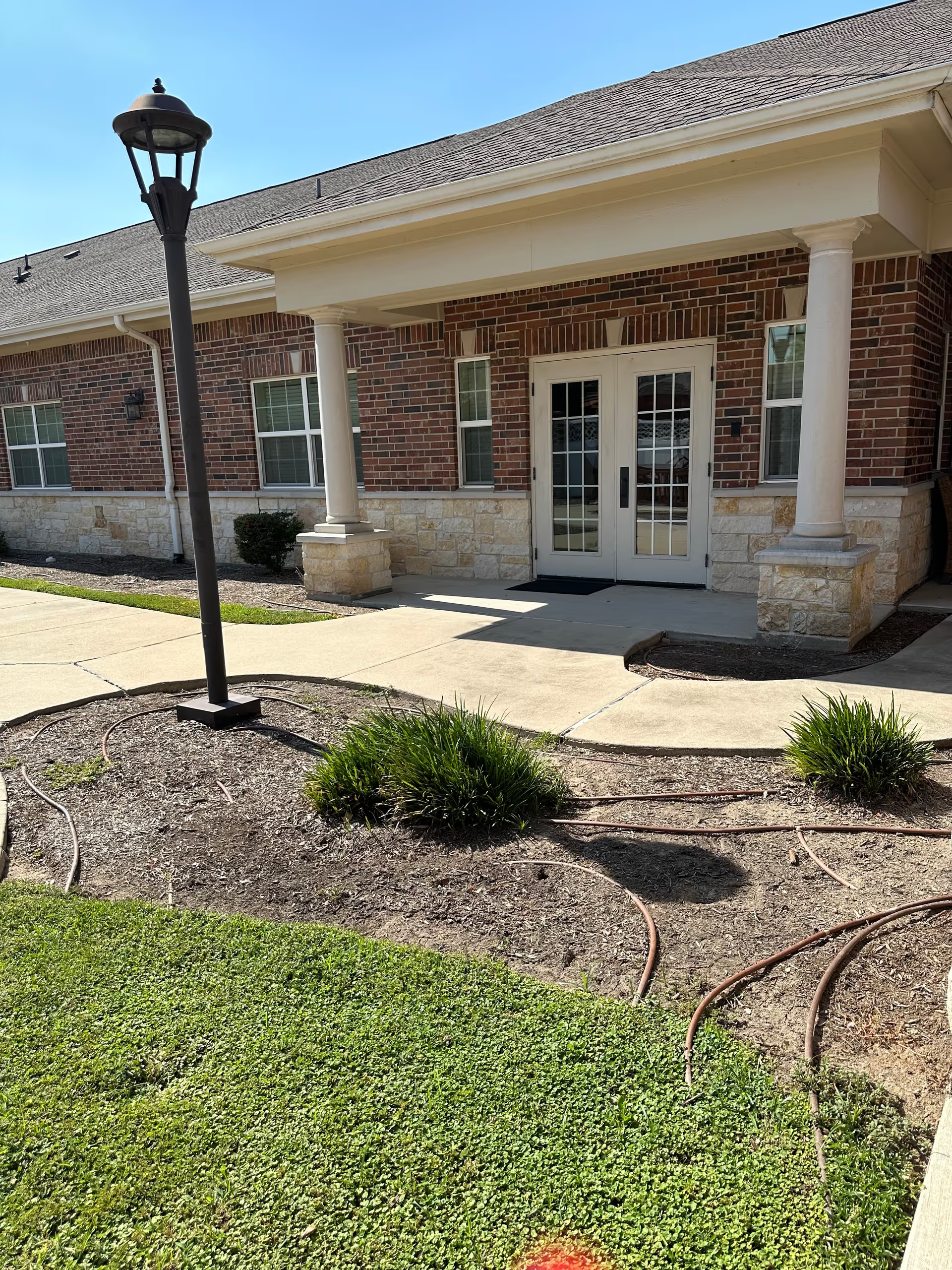
Staffing and direct care quality are described in largely positive terms by a substantial number of reviews: attentive nurses and aides, accurate medication administration, regular clinician visits, and individualized care plans are commonly noted. The building and common areas are often characterized as clean, modern, and well-maintained, with a home-like environment, inviting common spaces, and on-site dining that offers daily variety and the ability to adapt meals (for example, soft-food options after dental work). Administrative and admissions teams receive praise for responsiveness, helpfulness with paperwork, and family-facing communication when those teams are present and engaged.
Contrasting these positives, a significant subset of reviews raises operational and quality-of-care concerns that indicate inconsistency across shifts and time periods. Core themes include variable staffing levels and high turnover, which reviewers link to slower response times to call lights and family inquiries. Several accounts describe sanitation and incontinence-care concerns and inconsistent bathing/personal-care scheduling; these are framed as lapses in routine care or cleaning practices rather than isolated cosmetic issues. There are also mentions of pest-control concerns in some units. Clinically, a small number of reviews cite gaps in incident response and follow-up care (pressure-area management, skin issues, and delayed hospice coordination), which families felt were not handled consistently.
Communication and administrative processes emerge as another mixed area. While some families experience clear, proactive updates from the Director of Nursing and administration, others report difficulty reaching staff by phone, inconsistent callbacks, and problems with internal processes such as room transfers or timely notification about changes. Dietary quality is described as uneven—many families enjoy the meals and adaptations, while others raise concerns about seasoning and menu suitability for some residents. A limited number of serious allegations appear in the record, including claims of theft and financial impropriety and concerns following a resident’s death; these are noted by reviewers as triggering state inspection or formal complaints in some cases and warrant direct inquiry by prospective families.
Overall, the pattern suggests that Heritage Park of Katy offers strong clinical rehabilitation capabilities, a warm community culture, and many operational strengths under engaged leadership. At the same time, variability in staffing, sanitation and personal-care consistency, communication reliability, and isolated but serious allegations point to areas where performance appears uneven. Prospective residents and families would benefit from focused questions during tours—asking about current staffing ratios, infection-control/pest-control protocols, bathing and incontinence-care schedules, recent quality-inspection outcomes, how complaints are handled, and examples of recent clinical improvements—to verify current performance and management responsiveness.