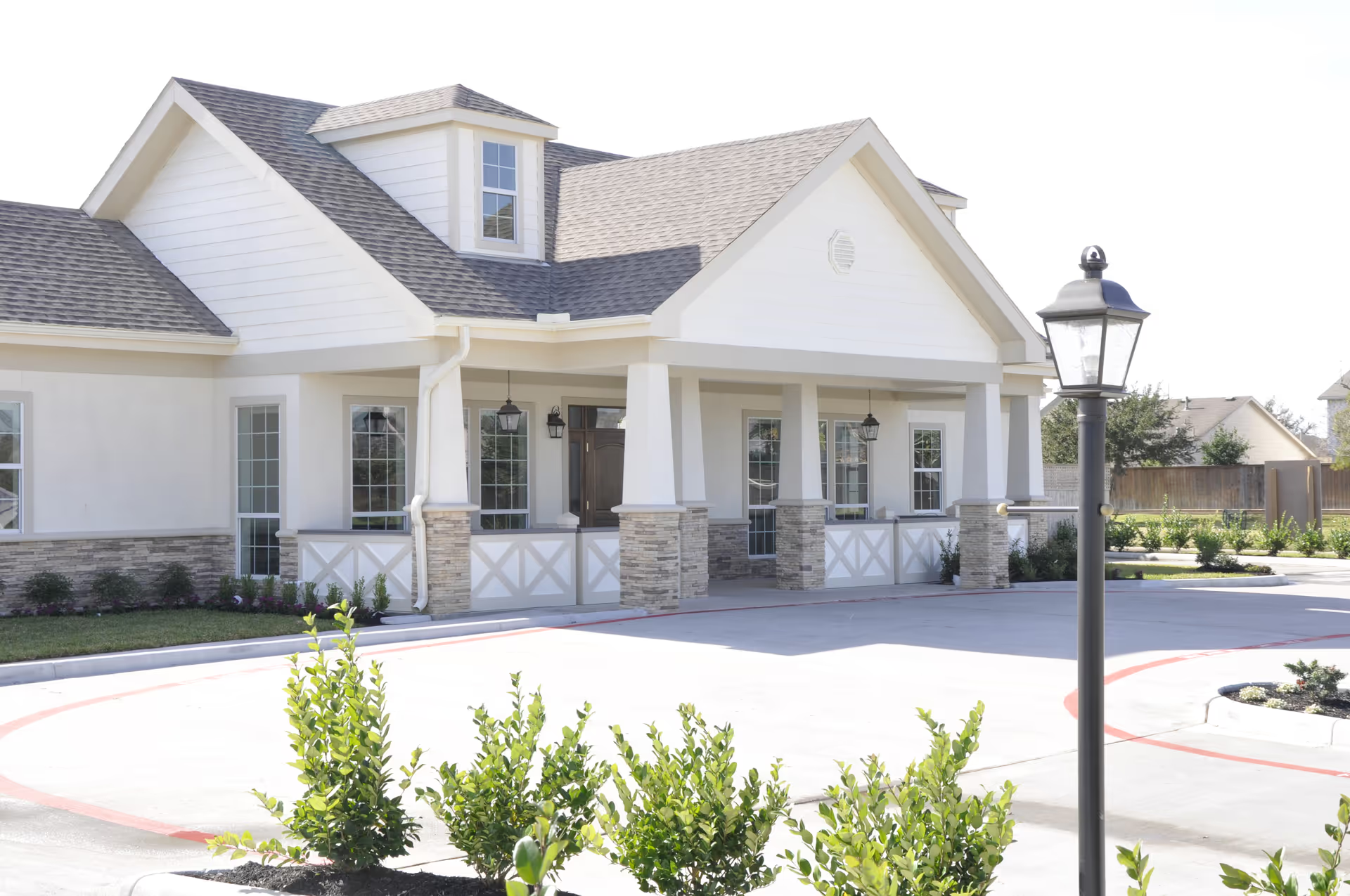
Reviews of Mason Creek Transitional Care of Katy describe a facility with clearly identifiable strengths alongside recurring operational challenges. Strengths most frequently cited include compassionate, personable direct-care staff (CNAs and nurses), a robust rehabilitation program (physical and occupational therapy), and effective wound-care nursing. Many families praised individual staff members and care coordinators for attentive case management and for facilitating successful short-term rehabilitation discharges. The building and common areas are commonly described as clean and bright, with private rooms and sizable bathrooms noted as positive features. Recreational programming and an active activities director received favorable mentions, as did personalized services such as hair trims, podiatry, and occasional pet visits that contribute to a home-like atmosphere.
At the same time, a sizeable pattern of operational weaknesses appears across reviews. The most consistent concerns relate to variability in nursing responsiveness (including slow call-button response) and medication administration problems (missed, delayed, or incorrect doses). Several accounts describe inconsistent staffing levels and turnover, which families connected to lapses in timely care and inconsistent handoffs. Communication gaps between clinical staff, administration, and families were also a common theme, including unclear updates during clinical events and problems coordinating discharge documentation and Medicare/therapy progress reporting.
Dining and clinical monitoring also show mixed signals. Food quality was frequently described as inconsistent, ranging from bland or poorly seasoned meals and limited diabetes-conscious options to separate reports of enjoyable meals; this suggests variability in kitchen execution and menu planning. A number of reviews raised concerns about hygiene-related care and incontinence management, and some highlighted limited on-site medical oversight (infrequent physician visits or limited RN availability), which can affect medically complex residents. Noise and environmental disturbances (alarms, staff-room noises, banging) were noted as affecting resident rest in some areas.
Management impressions are polarized. Several reviewers praised recent leadership, a responsive director of nursing, and helpful admissions/discharge staff who smoothed transitions and arranged post-discharge services. Conversely, other families described an unwelcoming admissions experience, inconsistent follow-through from administration, and poor follow-up on clinical incidents. A small number of reviews included serious allegations about clinical incidents and family communication after adverse events; these statements exceed routine operational complaints and would merit independent investigation.
Overall pattern: Mason Creek appears to deliver strong rehabilitation and individualized, compassionate care in many cases — particularly for patients focused on short-term therapy goals — but families should be aware of documented variability in nursing responsiveness, medication controls, clinical monitoring, and meal service. Prospective residents and family members would benefit from targeted questions during a tour or care conference: staffing levels for the expected level of care, RN/physician availability, medication administration protocols, plans for hygiene and incontinence care, dining accommodations for dietary needs, and how the facility documents and communicates clinical incidents and discharge planning.