Overall impression Feedback about Oakmont Healthcare & Rehabilitation Center of Katy is mixed, with a clear split between strong praise for clinical rehabilitation and compassionate caregivers and serious operational concerns that affect more dependent residents. Positive accounts emphasize successful therapy outcomes, engaged activities, and several long-tenured clinicians and leaders; critical accounts raise recurring issues around staffing, clinical oversight, and facility upkeep.
Care quality The facility demonstrates capability in skilled nursing and rehabilitative care: multiple reviews describe effective physical and occupational therapy, good rehab outcomes, and clinicians who supported recovery. At the same time, there are repeated descriptions of clinical lapses including medication-administration errors, delayed recognition of acute illness, delayed ambulance transfers, and inconsistent monitoring of medically fragile residents. Several reviews referenced hospital transfers and some referenced resident deaths, which reviewers connected with delays in clinical response and family notification. Those patterns suggest variability in clinical oversight that can materially affect higher-acuity residents.
Staff and leadership Many reviewers praised individual caregivers, therapy teams, and select leaders (including named administrators and directors of nursing) for compassion, responsiveness, and problem-solving. These staff members are frequently credited with positive outcomes and good family communication. Counterbalancing that are reports of understaffing, high staff turnover, inconsistent training or conduct, and limited night/overnight coverage. These operational staffing issues are linked in the reviews to slower response times, missed care tasks, and uneven experience across units.
Dining and therapy services Therapy services and the rehab program receive consistent positive mentions: renovated therapy spaces, enthusiastic therapy staff, and measurable recovery results. Dining feedback is variable; some reviewers noted improvements under new dietary leadership and enjoyable meals and social dining events, while others described late, cold, repetitive, or limited meal options and difficulties accommodating individualized feeding needs. Meal-service continuity is an operational area with inconsistent performance.
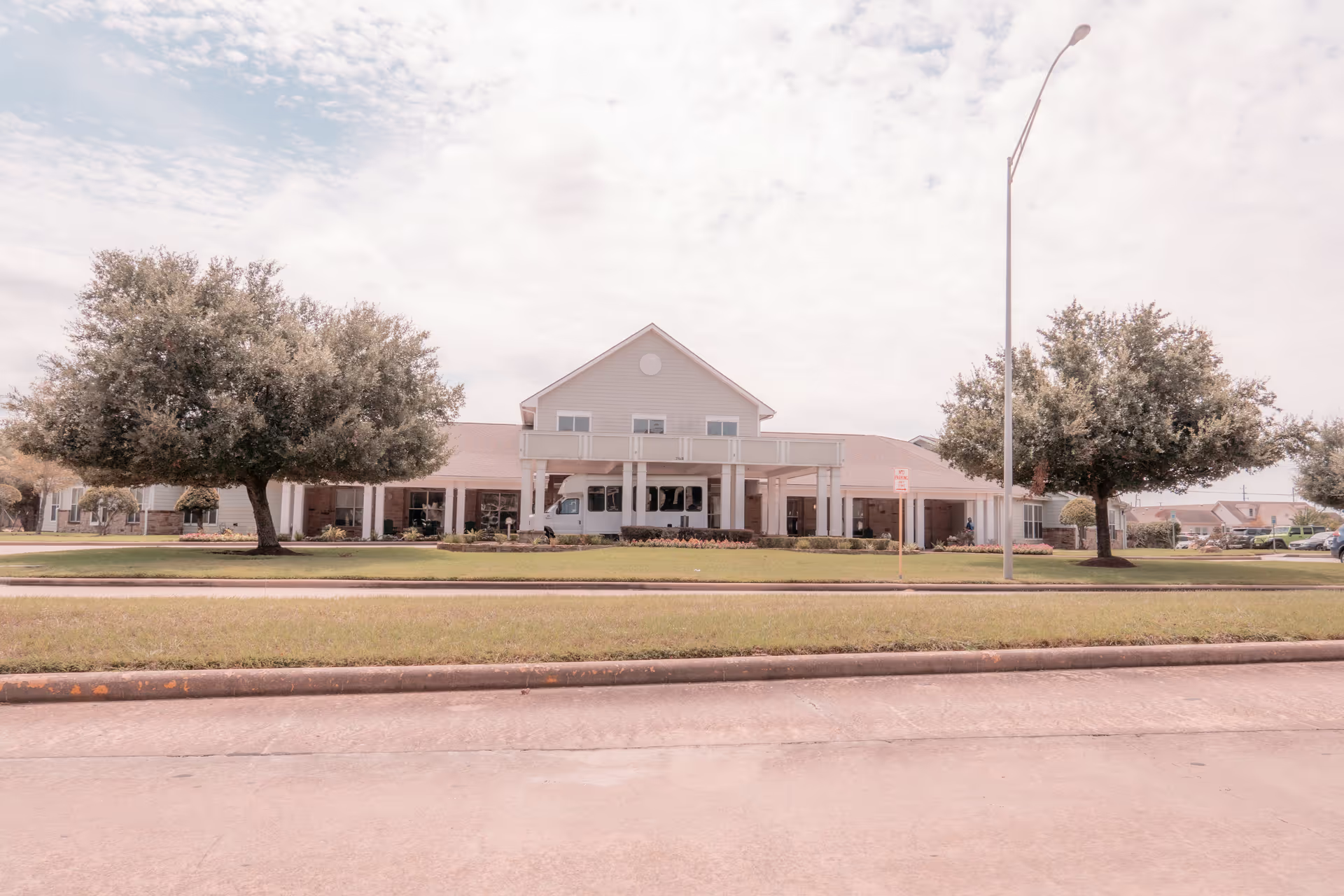
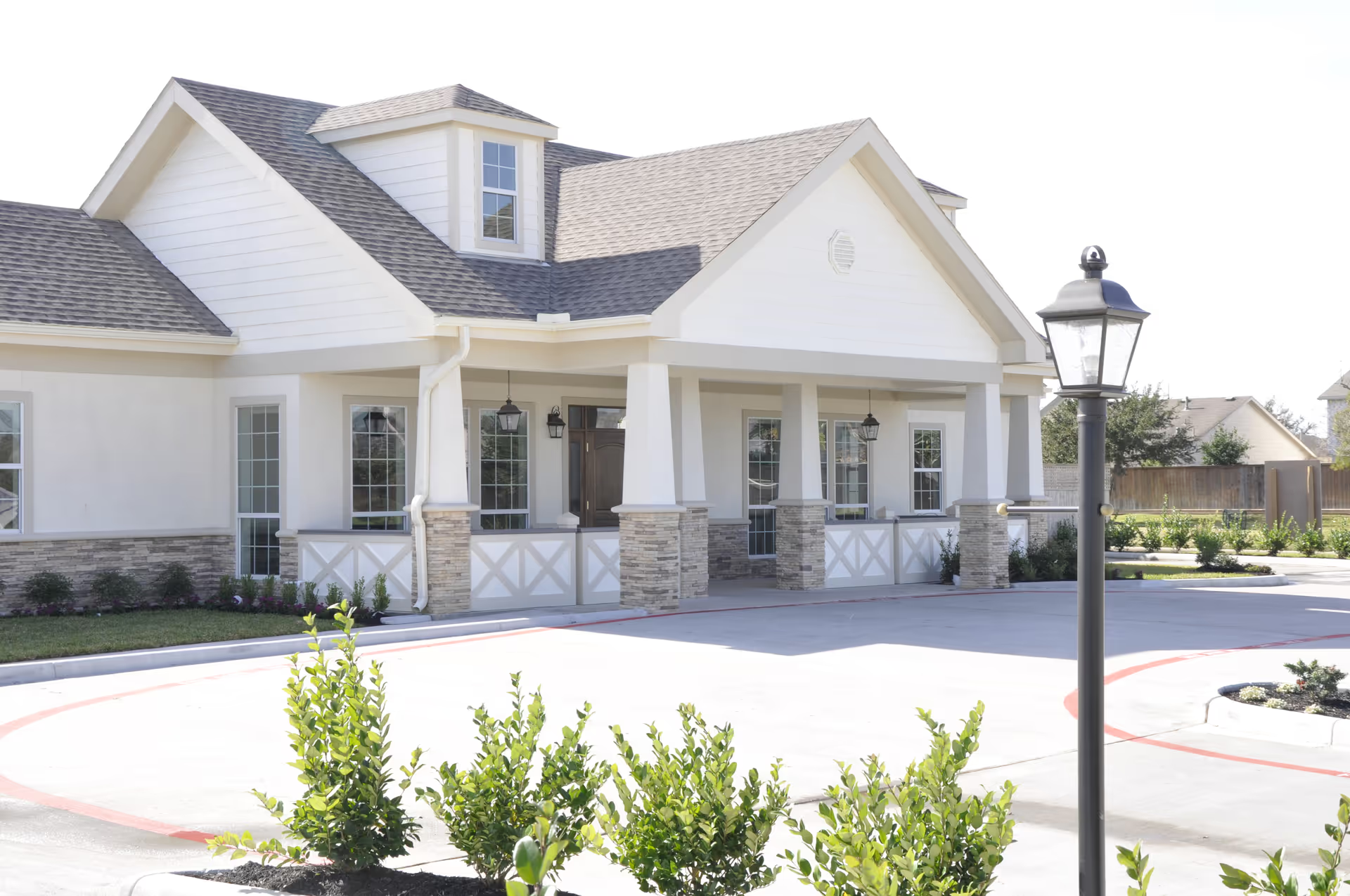
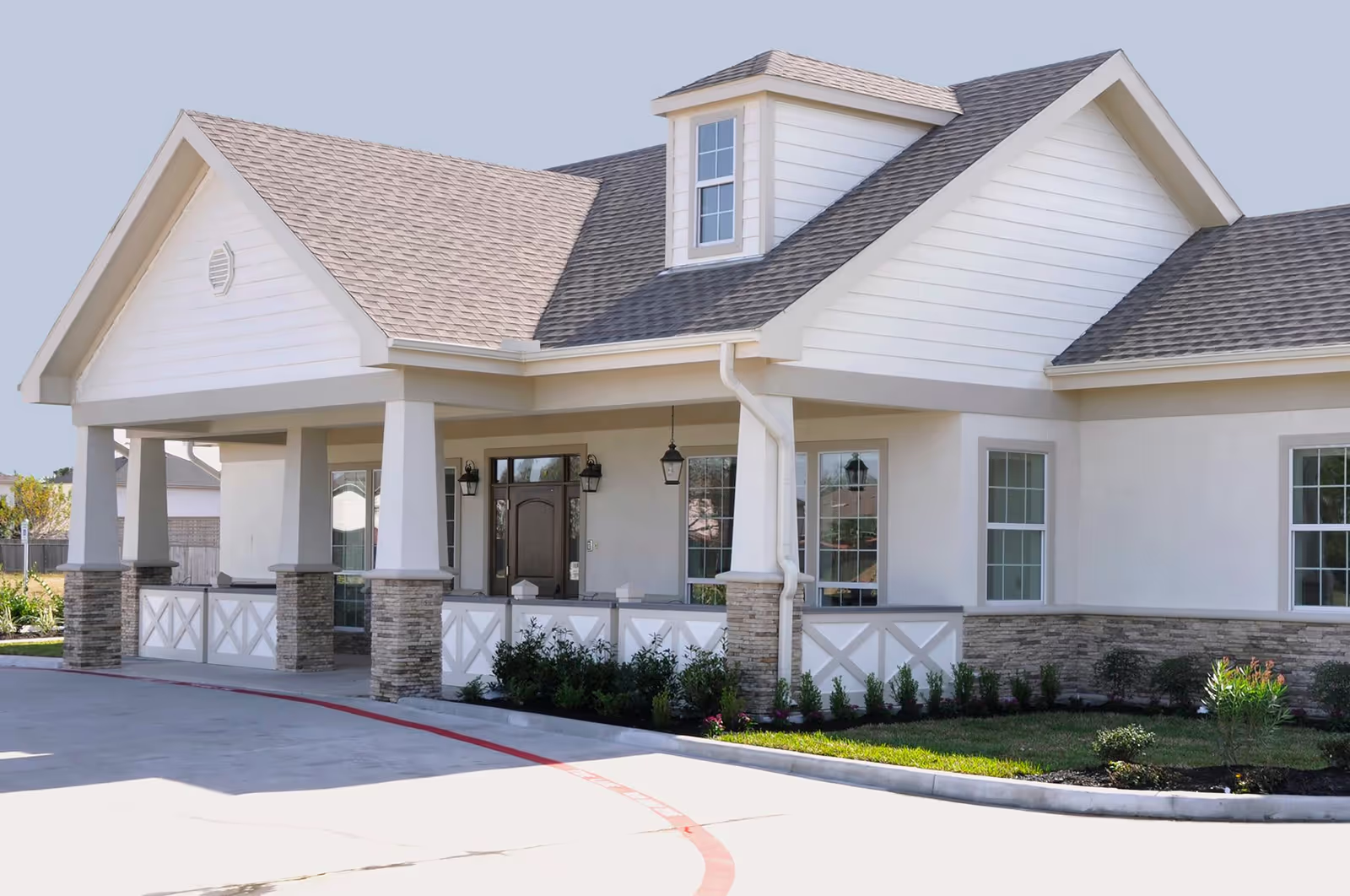
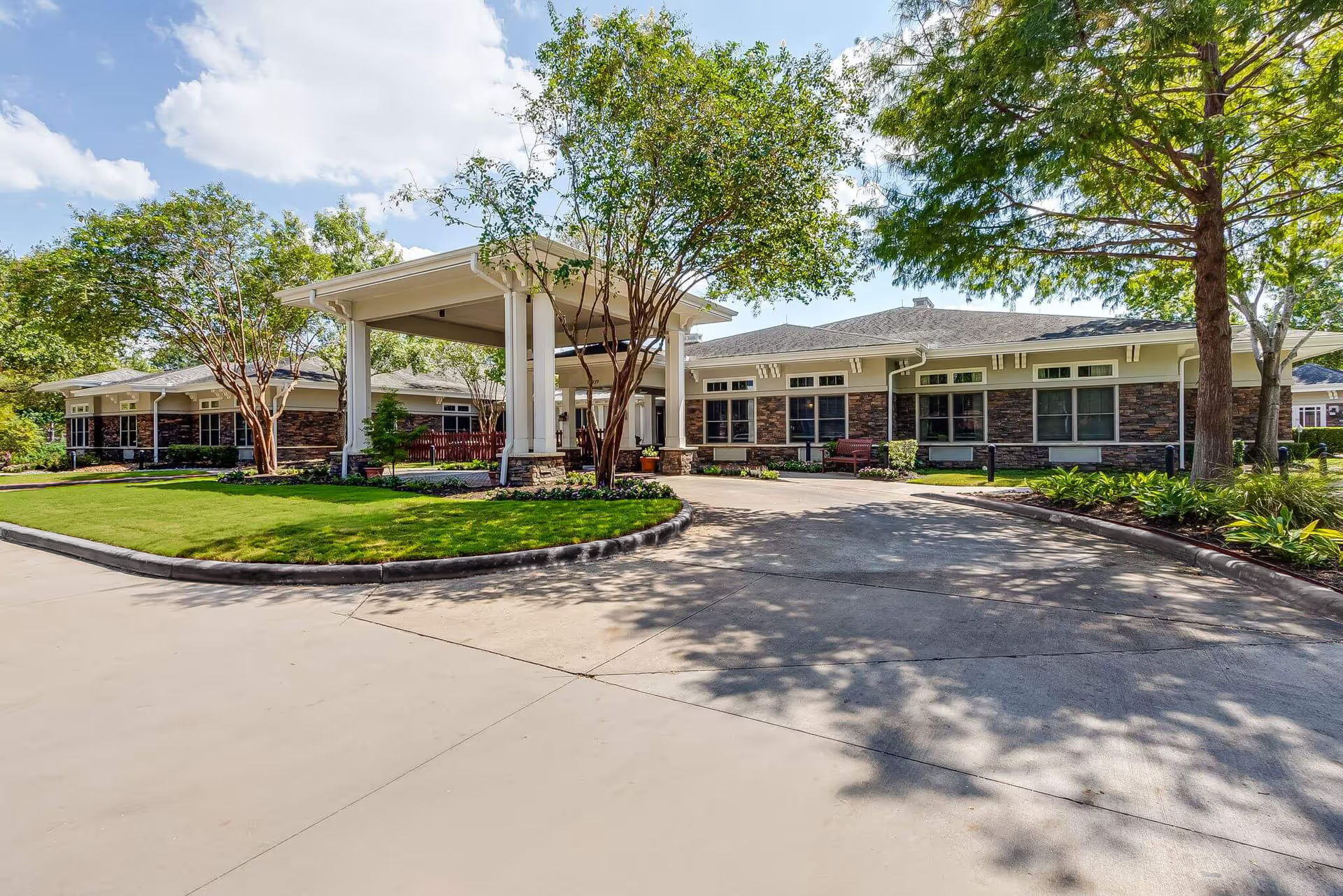
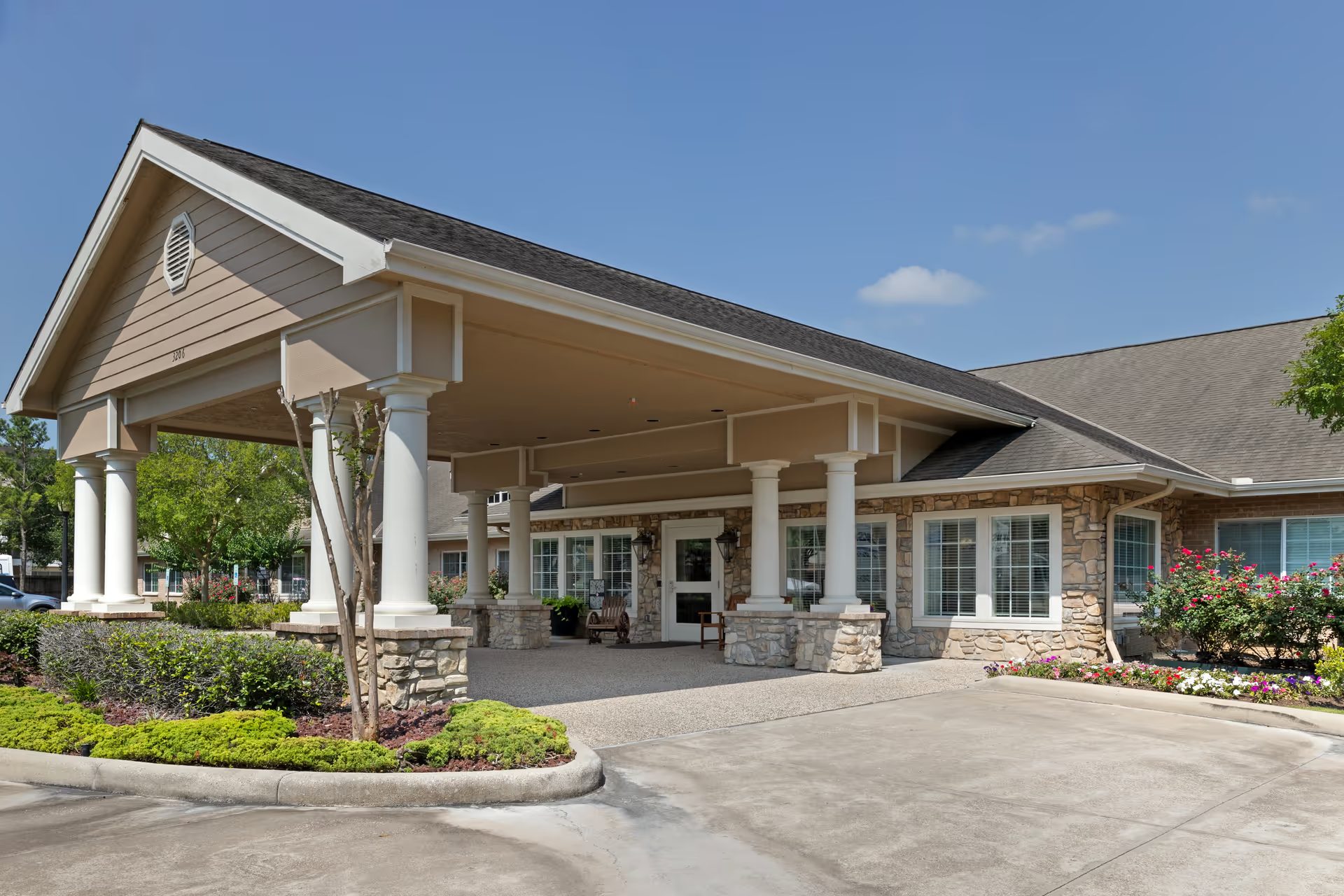
Activities and environment The facility offers active social programming—bingo, church services, therapy dog visits, happy hours, and outdoor areas—which many families and residents appreciate. Physical environment impressions diverge: parts of the building and grounds are described as clean, welcoming, and well maintained, while other areas are characterized by aging infrastructure, maintenance needs (leaky roofing, stained tiles), and odor or pest-control concerns. These mixed reports indicate uneven facility upkeep across units.
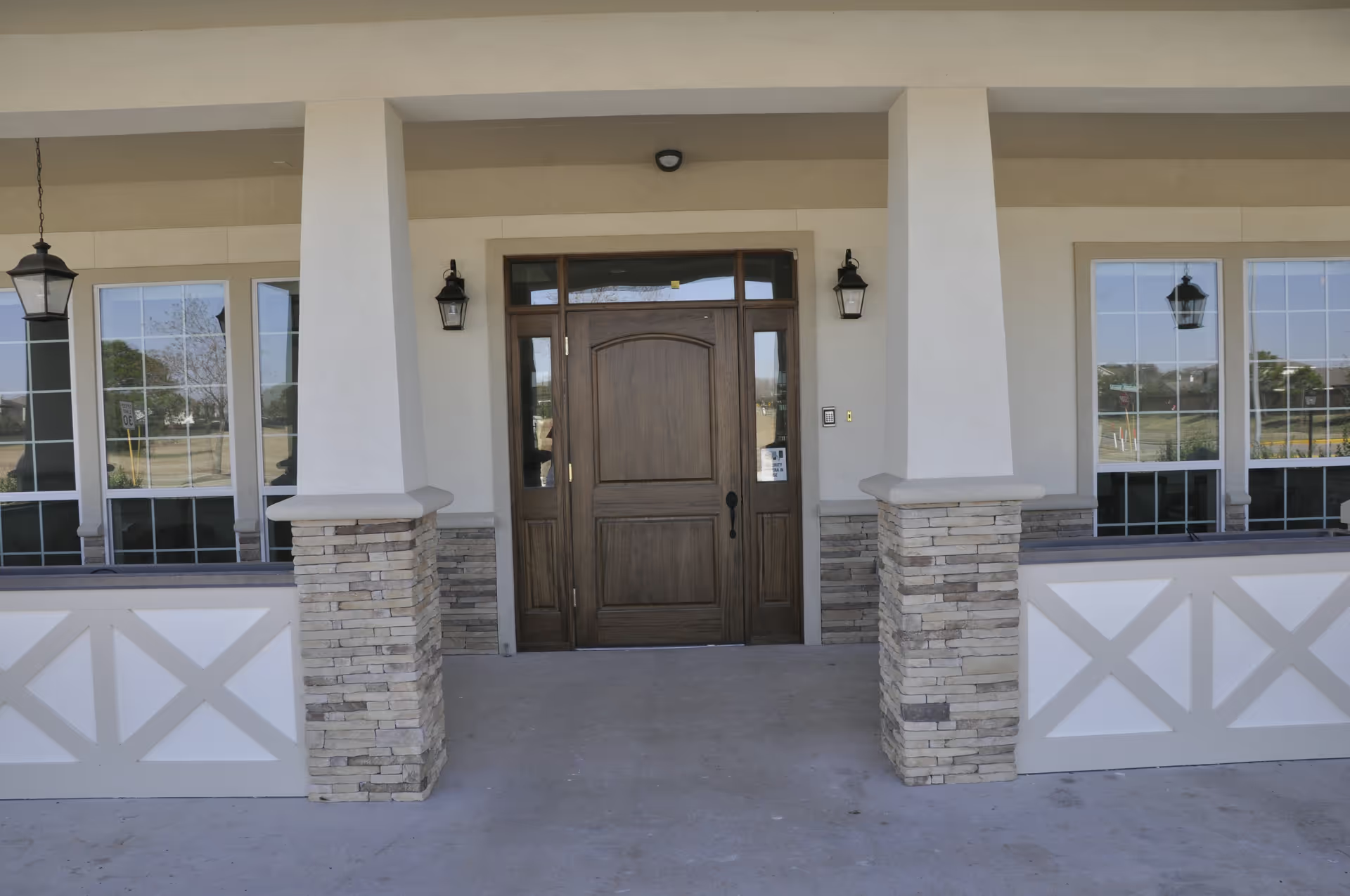
Management, safety, and operations Praise for certain leaders and an accessible admissions team contrasts with reports of poor front-desk reception, billing disputes, delayed refunds, and alleged financial irregularities. Security and staff-conduct concerns—ranging from visitor-access management gaps to more serious alleged breaches—appear in multiple accounts and warrant attention. COVID-era transfers and visitation policies also influenced families’ impressions. Overall, recurring themes—understaffing, inconsistent clinical controls, variable housekeeping/maintenance, and communication breakdowns—represent systemic vulnerabilities.
Notable patterns and guidance for families The reviews suggest two consistent patterns: (1) strong rehabilitative capability and several devoted staff who provide excellent individualized care, and (2) operational instability that can affect residents who require continuous clinical attention. Prospective residents and families should confirm current staffing ratios, medication-administration and incident-response protocols, front-desk and visitor-access procedures, and how the facility manages end-of-life and hospice coordination. When possible, visit multiple units, ask to review recent inspection or staffing records, and clarify financial and billing practices to reduce risk of unexpected issues.
In summary, Oakmont of Katy appears capable of delivering high-quality rehabilitation and has many praised staff and programs, but the facility also exhibits operational inconsistencies—particularly around staffing, clinical oversight, maintenance, dining continuity, and administrative processes—that create variable experiences across residents. Families seeking placement should weigh the facility’s rehabilitative strengths against these operational risks and seek direct, up-to-date assurances on staffing and clinical controls for higher-acuity needs.