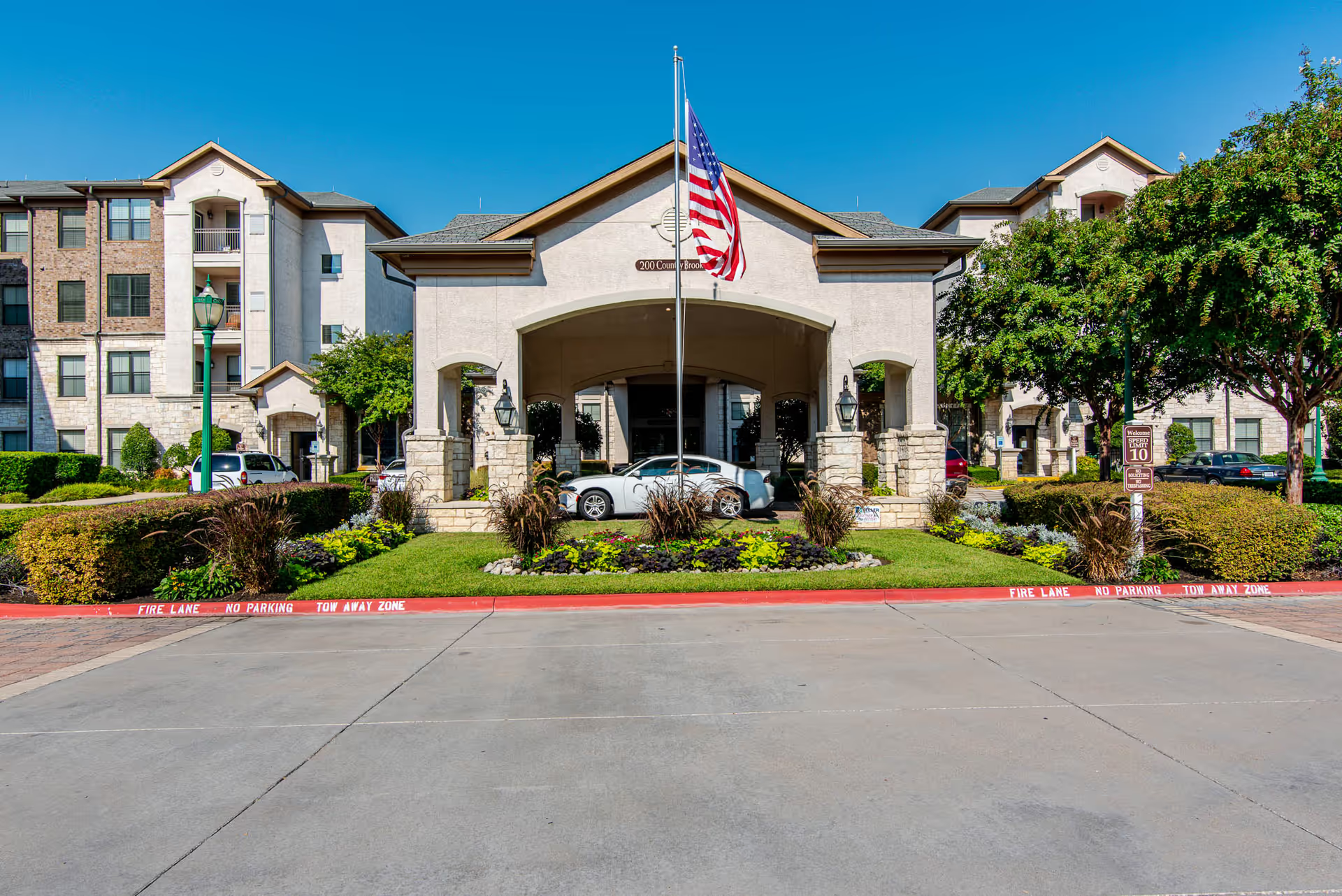
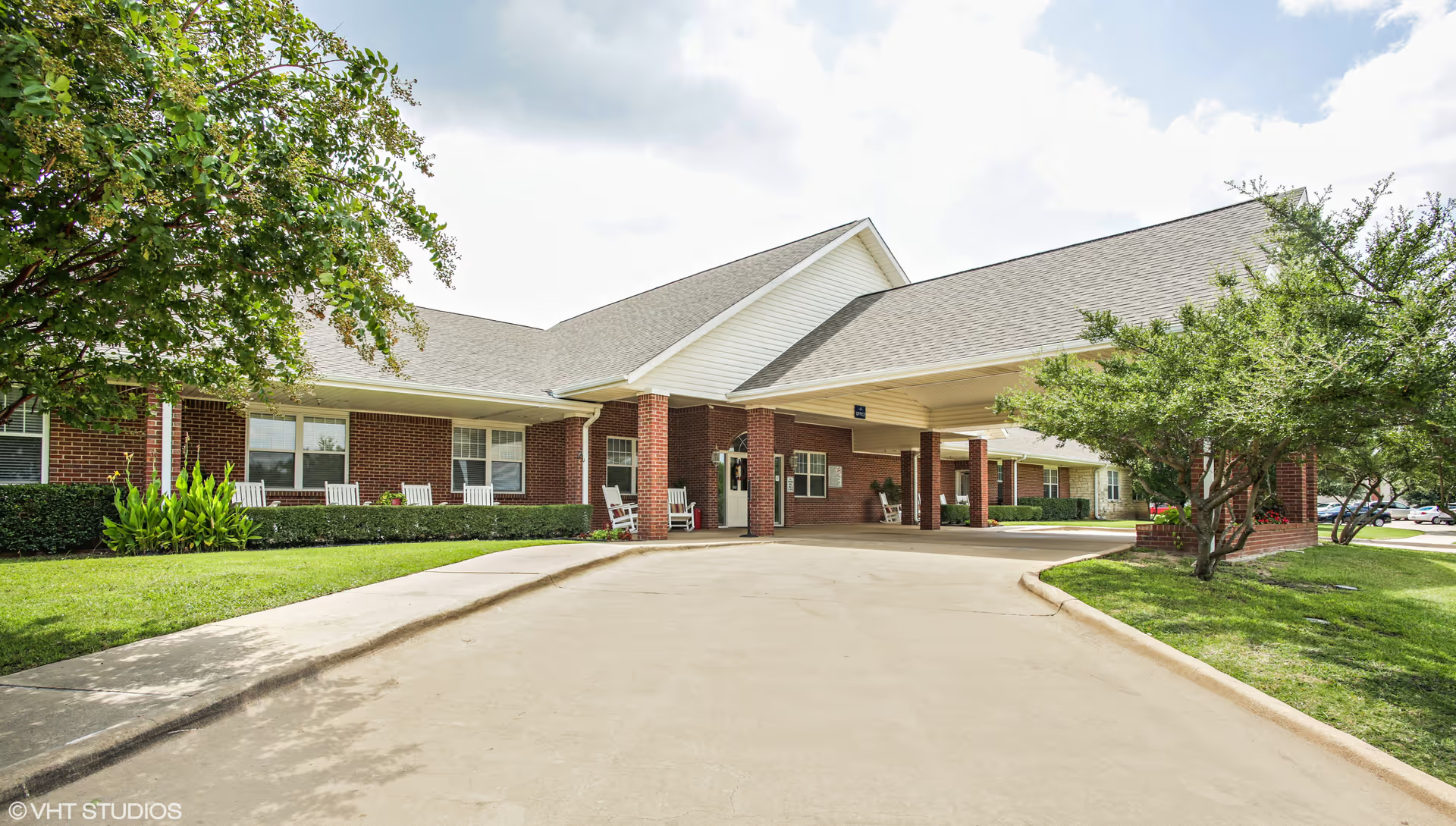
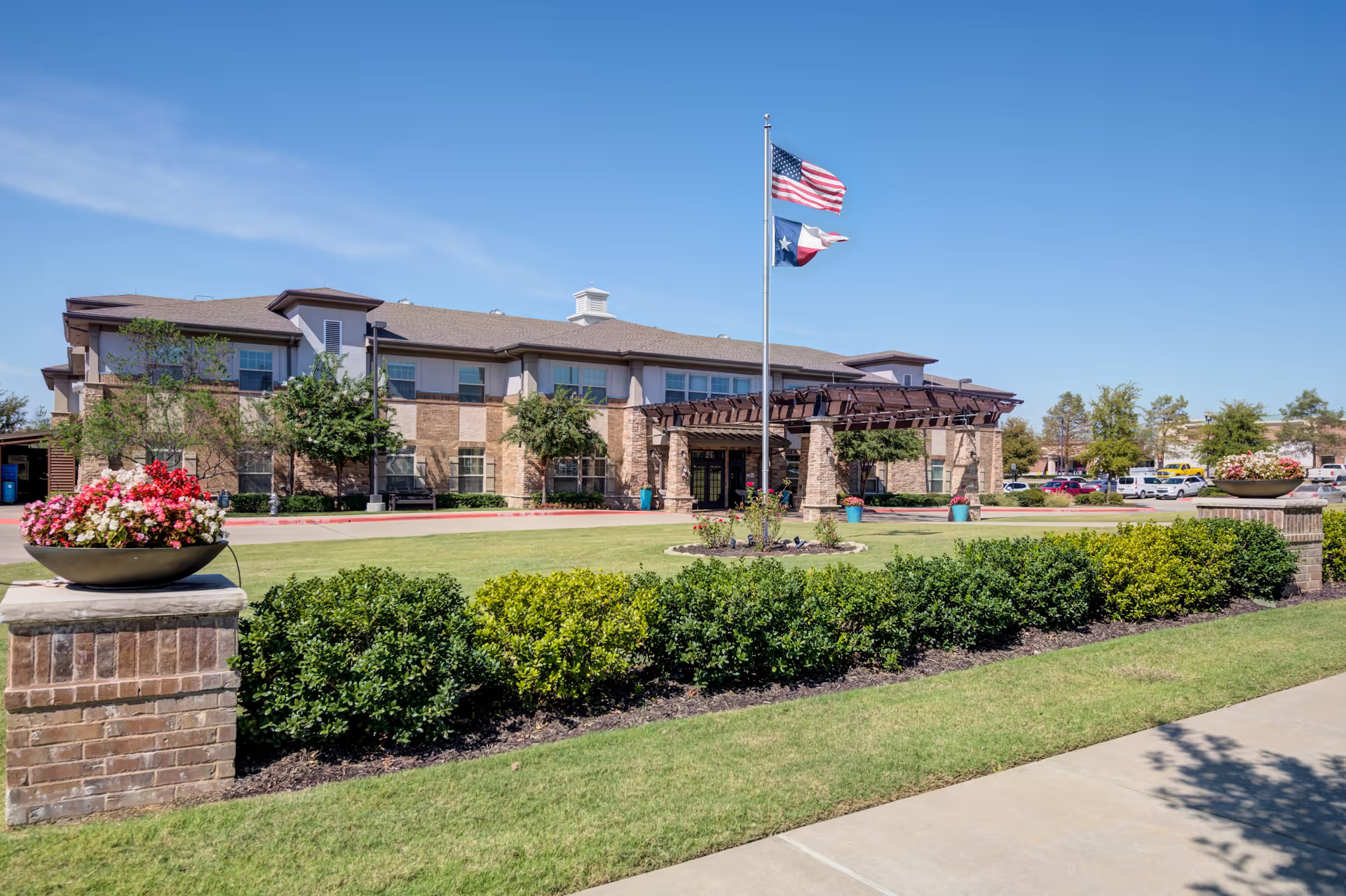
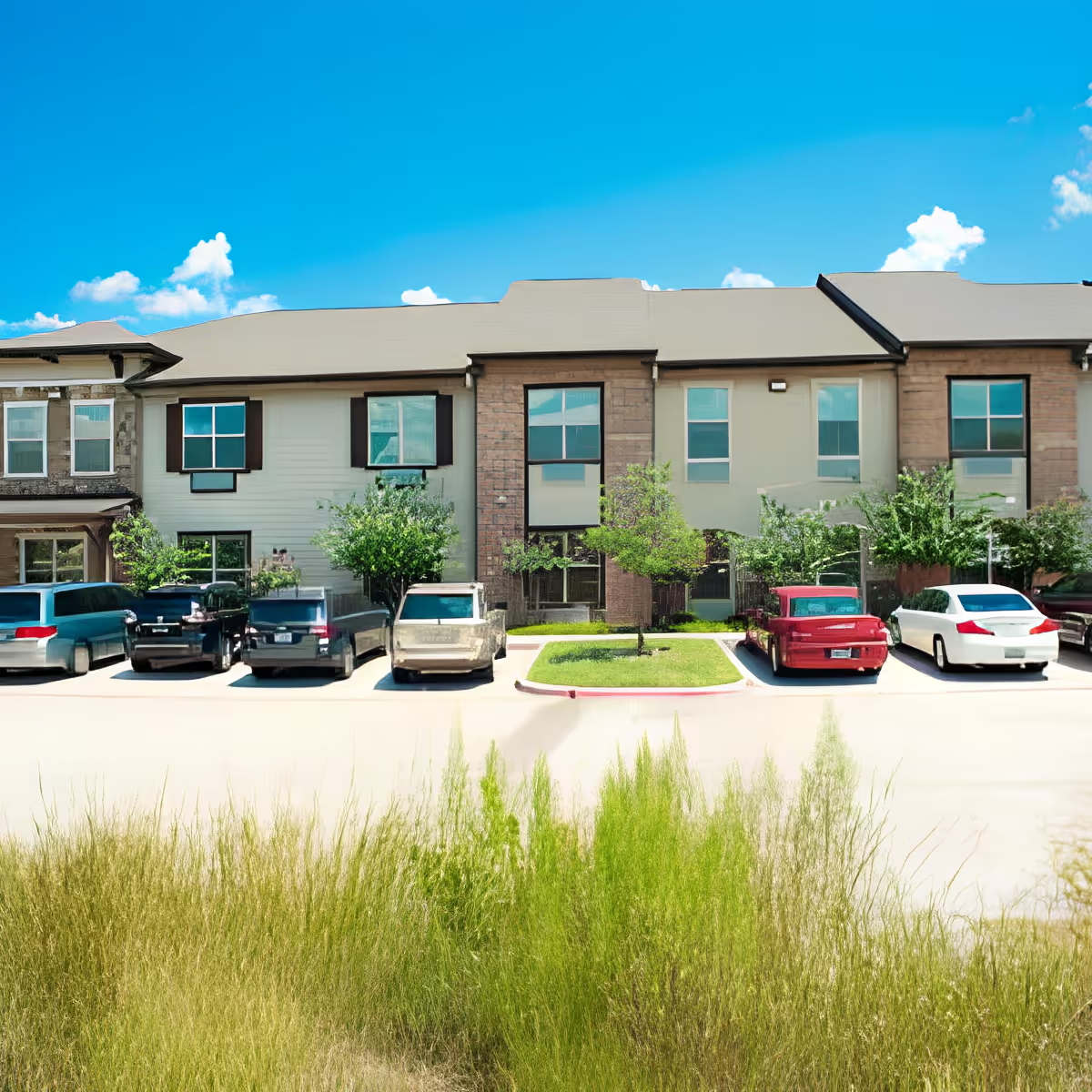
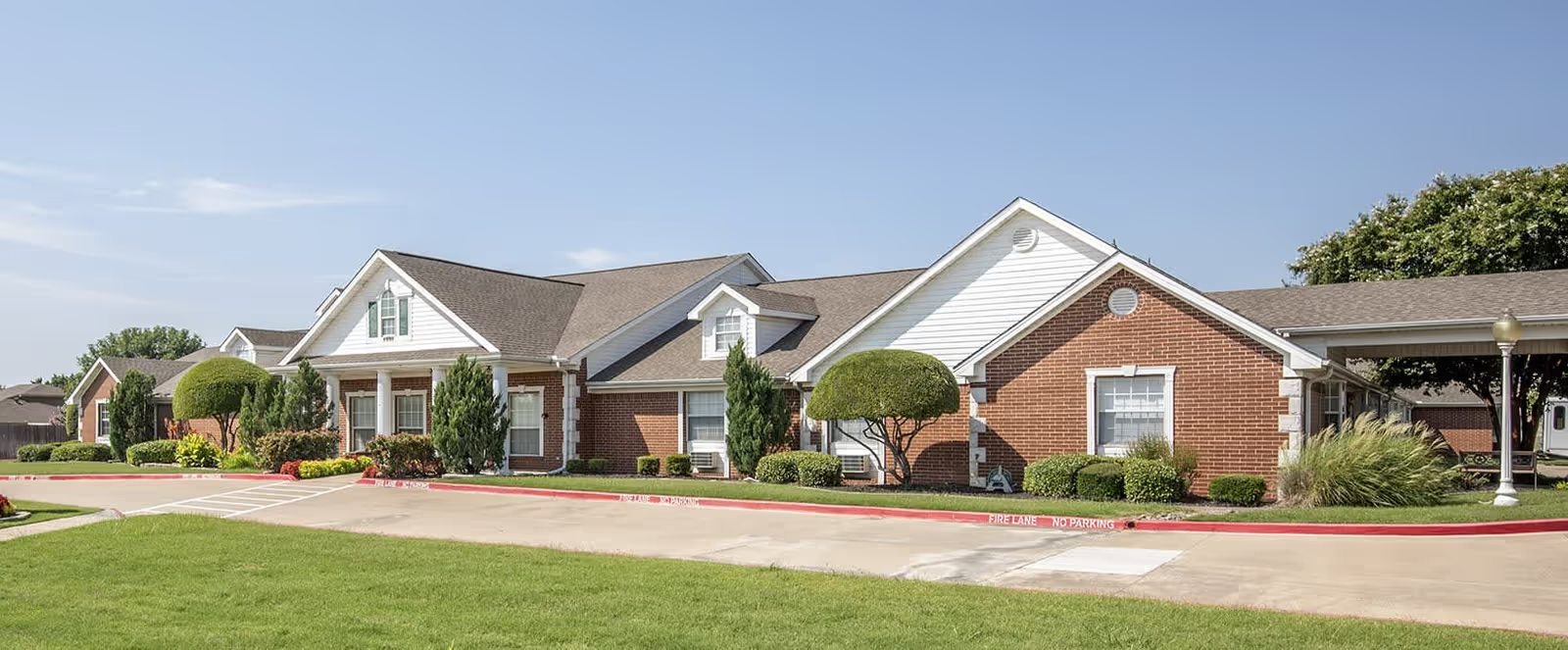
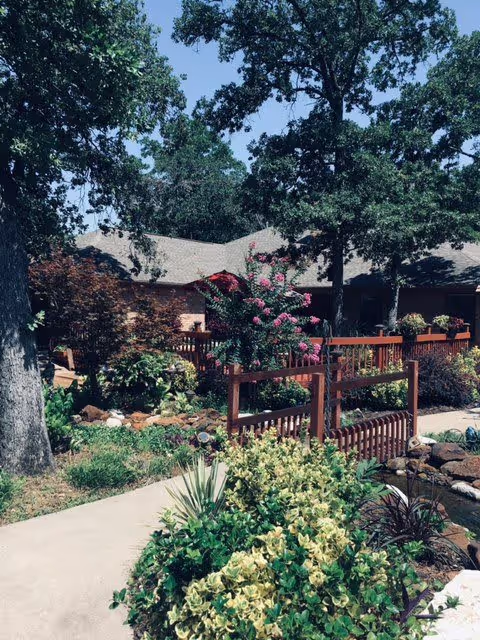
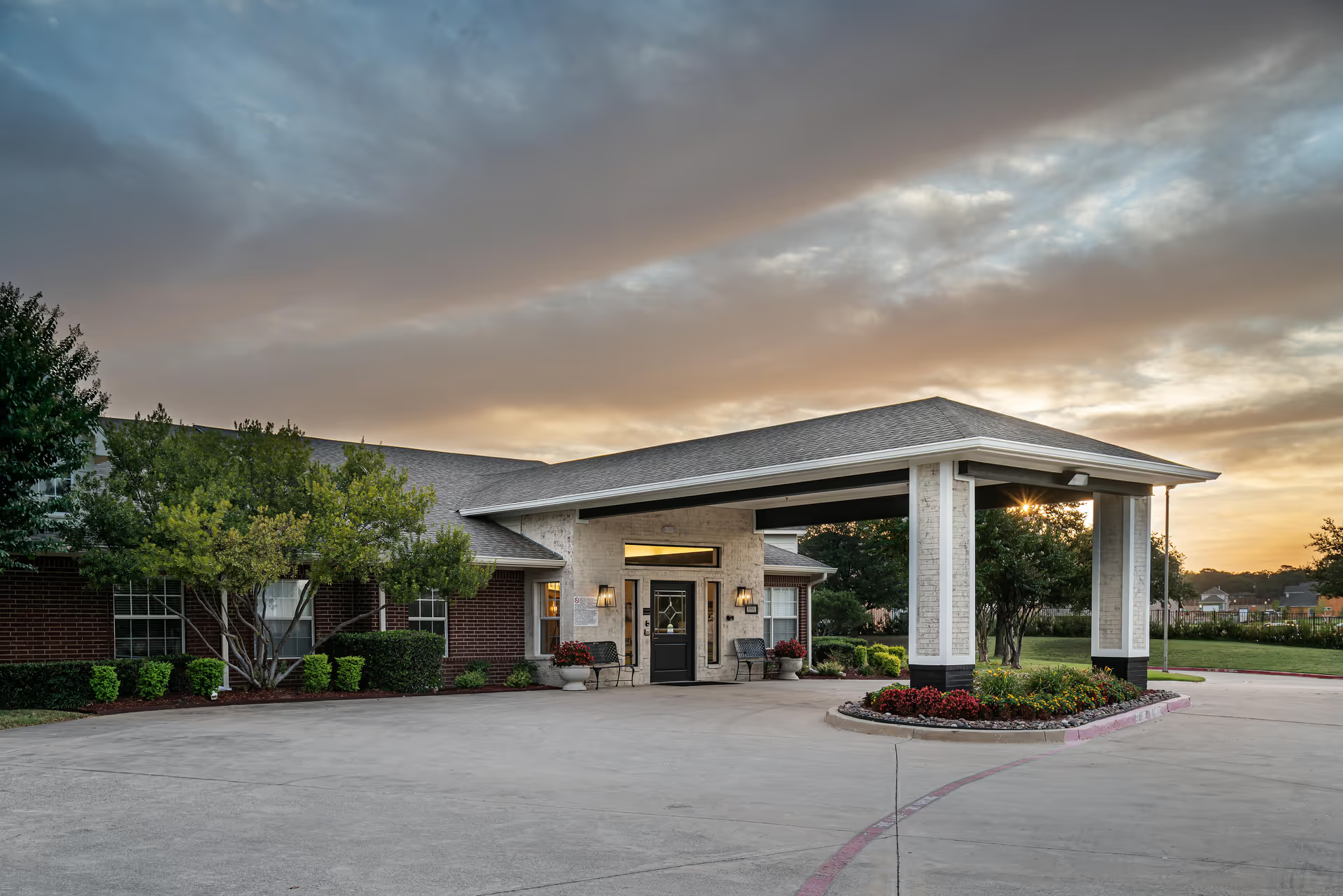
Avalon Memory Care - Keller II is consistently portrayed as a small, home-like memory-care community with substantive strengths in dementia-focused programming. Families frequently praise the facility’s compassionate caregivers, proactive individualized care plans, and strong leadership—several mentions single out the director and management for attentive advocacy. Reviewers describe the community as clean, modern, and well maintained, with updated bathrooms, walk-in showers, large semi-private rooms (including options for couples), and secure outdoor spaces that support gardening and outdoor visits.
Clinical and care-related strengths include a focus on dementia expertise, good staff-to-resident ratios, and coordinated transitions from hospital to facility as well as effective hospice collaboration. Several families reported measurable resident improvements after moving in—better appetite, reduced resistance to care (bathing), fewer falls, and greater day-to-day contentment. Caregivers are commonly described as affectionate and individualized in their approach, and the site offers on-site services such as a beautician, visiting musicians, and spiritual support that contribute to resident engagement.
Dining and social life receive mostly positive comments: communal, family-style meals, appealing menu items, frequent desserts and snacks, and staff effort to honor special-food preferences. The community runs a variety of activities and events—crafts, concerts, and small-group programming—but activity availability appears inconsistent across reports. Some families note a robust schedule and engagement, while others describe limited daily programming or an absence of a dedicated activities director, producing variable resident experiences.
Operational and management patterns require careful consideration. The most recurrent concerns are inconsistent staffing levels and relatively high turnover, which families link to uneven care continuity and supervisory gaps. Communication with families is uneven in some accounts—expect to confirm how updates are provided and how often. Practical service issues surface repeatedly: laundry and personal-belongings handling has produced errors and delays for some residents, and a minority of reports reference sanitation-response delays and incontinence-care concerns. Noise management and control of media content in common areas are noted as quality-of-life issues for residents who need quieter spaces.
There are also reports suggesting occasional lapses in staff conduct or supervisory oversight, and a few serious, isolated allegations (including questions about restraint use and transfer safety). These should prompt prospective families to ask specific questions about training, supervision, incident reporting, and transfer procedures. Cost is another theme—some families perceive the community as expensive relative to its value, so clarify pricing, included services, and any ancillary fees during the tour and contract review.
Recommendation and due diligence: Avalon appears to be a strong option for families seeking specialized memory-care in a smaller, homelike setting with attentive, compassionate staff and modern facilities. Prospective families should confirm current staffing stability and daytime/nighttime ratios, review the facility’s procedures for laundry and personal property tracking, ask about incontinence-care protocols and incident-response processes, verify activity schedules and whether an activities director is assigned, and request sample menus and communication protocols. A focused tour and direct questions about supervision, turnover mitigation, and transfer-safety practices will help determine whether the facility’s strengths align with an individual resident’s needs.