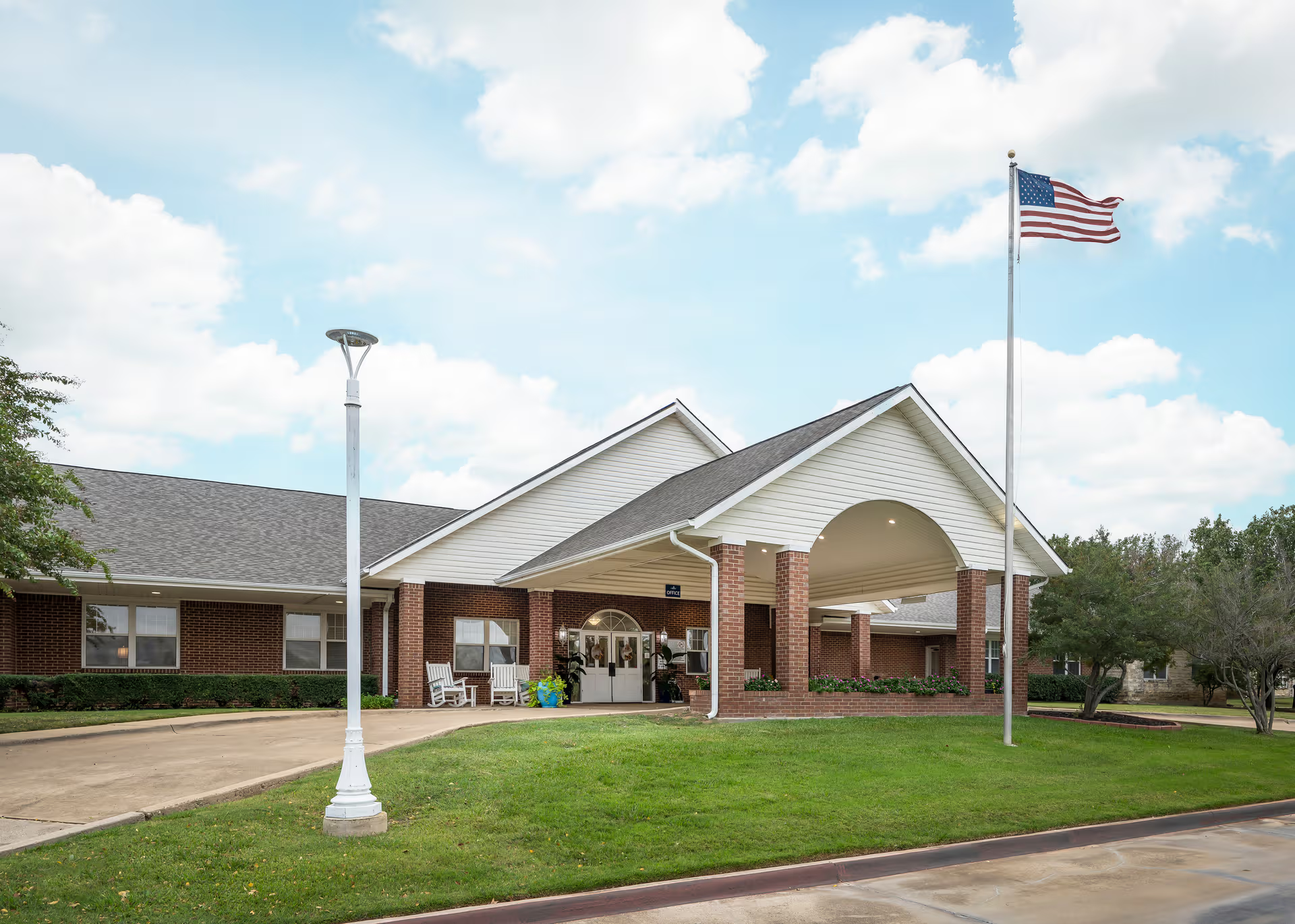
The reviews for Mustang Creek Estates Keller present a polarized portrait: many families and residents emphasize a small-house, home-like model with staff who develop close, familiar relationships with residents, while other reviewers raise persistent operational concerns. Positives that recur across the feedback include compassionate, hands-on caregiving in certain houses, in-house kitchens producing home-cooked meals, a robust activities calendar with outings and social programming, and facilities that often feel clean and recently updated. Several accounts also single out effective hospice support and a family-style dining atmosphere that some families find reassuring.
At the same time, a consistent cluster of operational weaknesses emerges. Staffing levels and consistency are the dominant complaints: reviewers describe frequent turnover, short-handed shifts (including nights), and high caregiver workloads that reduce time for direct resident interaction. Those staffing patterns are linked in multiple accounts to lapses in supervision and safety practices, uneven completion of personal-care tasks (including bathing schedules and incontinence-related care), and delays or errors in medication administration. Several families reported medication-management lapses and broader concerns about clinical oversight; reviewers also characterize on-site skilled-nursing capacity as limited.
Dining and housekeeping present a mixed picture. The facility’s model of in-house kitchens and family-style meals is a strength for many residents, but others describe variable meal quality, repetitive menus, and limited accommodation for dietary restrictions. Housekeeping and laundry performance varies by house: while common areas are often praised as well-maintained, some reviews document sanitation concerns, laundry mix-ups, and management gaps in handling personal belongings. These operational inconsistencies contribute to uneven experiences between different houses or shifts.
Communication, billing, and leadership stability are additional themes. Some reviewers commend accessible managers and responsive problem-solving; others report broken promises, difficulty resolving billing or move-out charge disputes, and an executive team that has fluctuated. Management turnover and uneven follow-through contribute to the perception that operational problems are not always systematically addressed. There are also isolated allegations of missing personal items and disputed clinical decisions, which families treated as serious and that further stress the importance of transparent investigation and resolution mechanisms.
In summary, Mustang Creek Estates Keller offers a residential, small-house environment with strengths in relational caregiving, homestyle dining, and social programming that some families find highly appropriate and comforting. However, persistent operational issues — notably inconsistent staffing, variable clinical oversight, sanitation and laundry management gaps, and uneven communication or billing practices — create risk of widely divergent experiences. Prospective families should tour specific houses, ask about current staffing ratios and clinical coverage, review medication and laundry procedures, and obtain clear written answers on billing and incident-response protocols to assess whether the facility’s current operations match their care expectations.