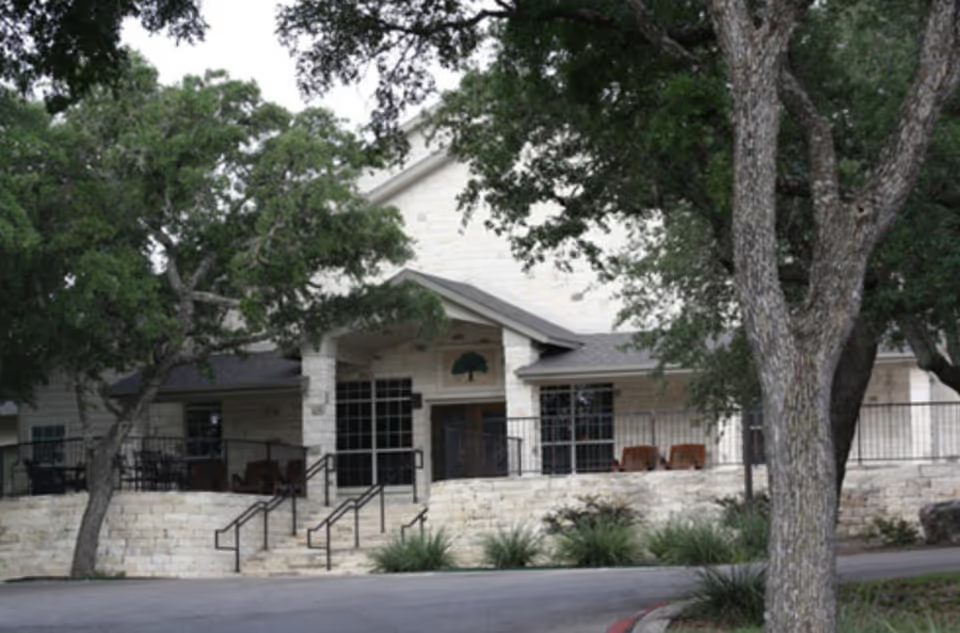
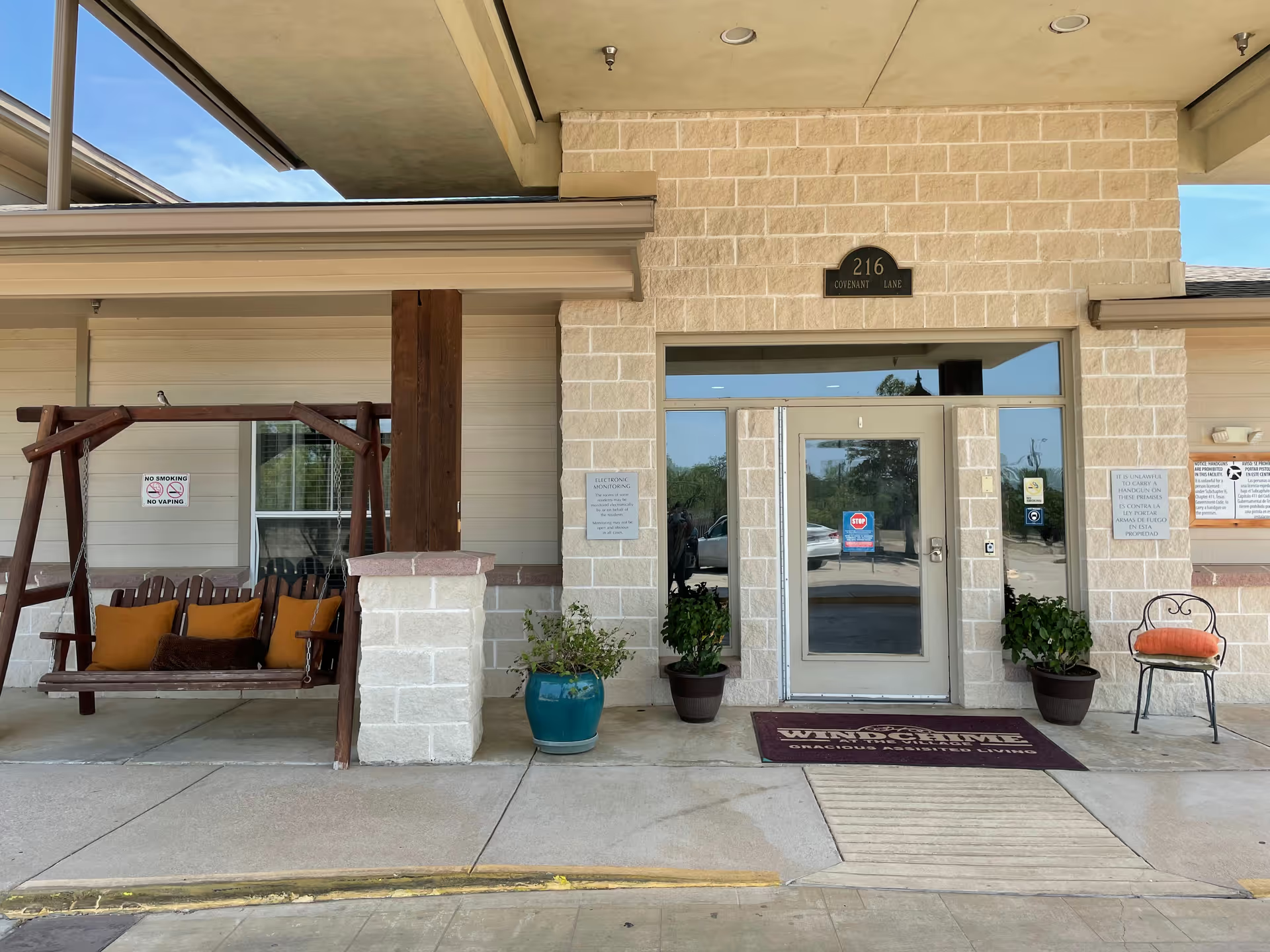
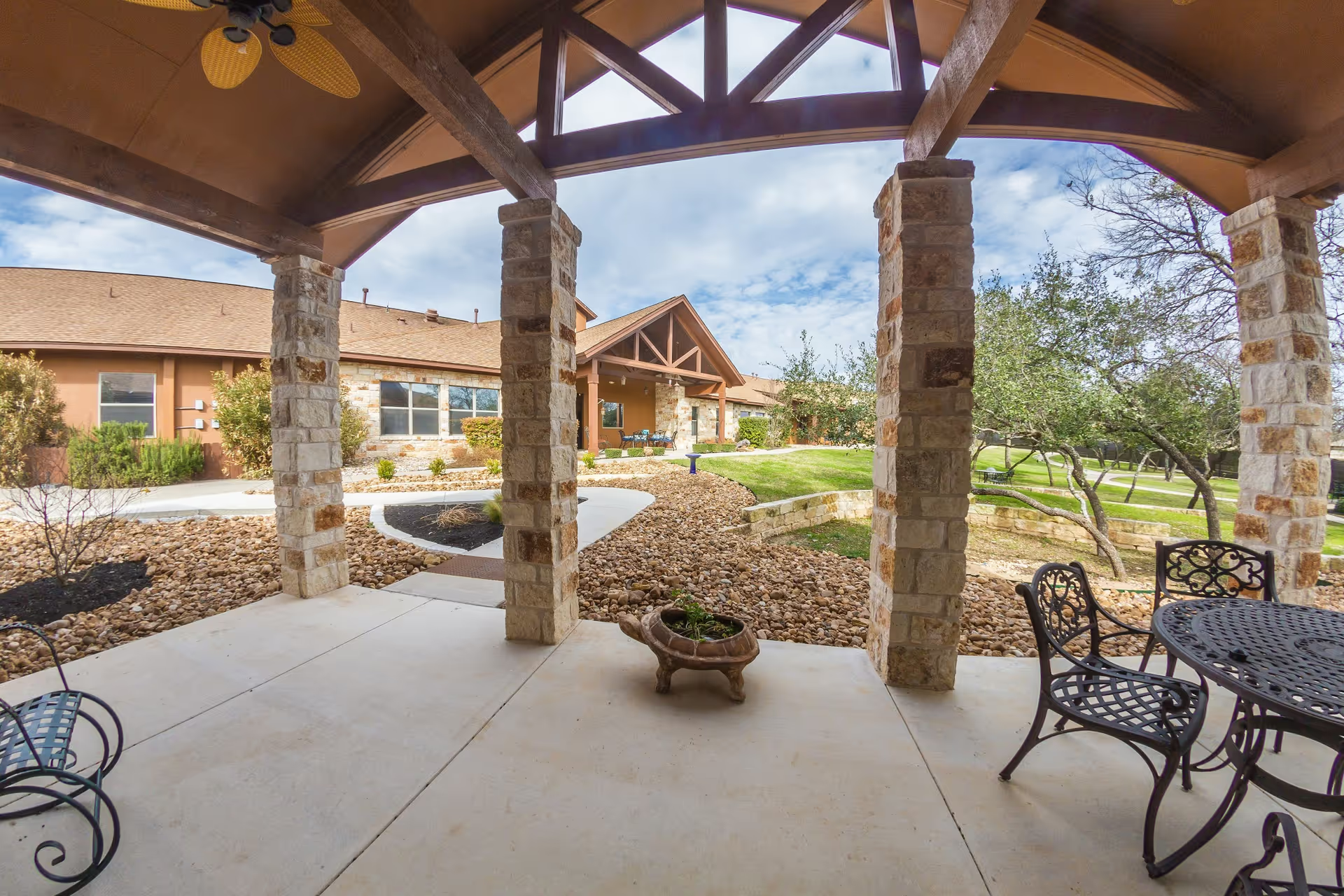
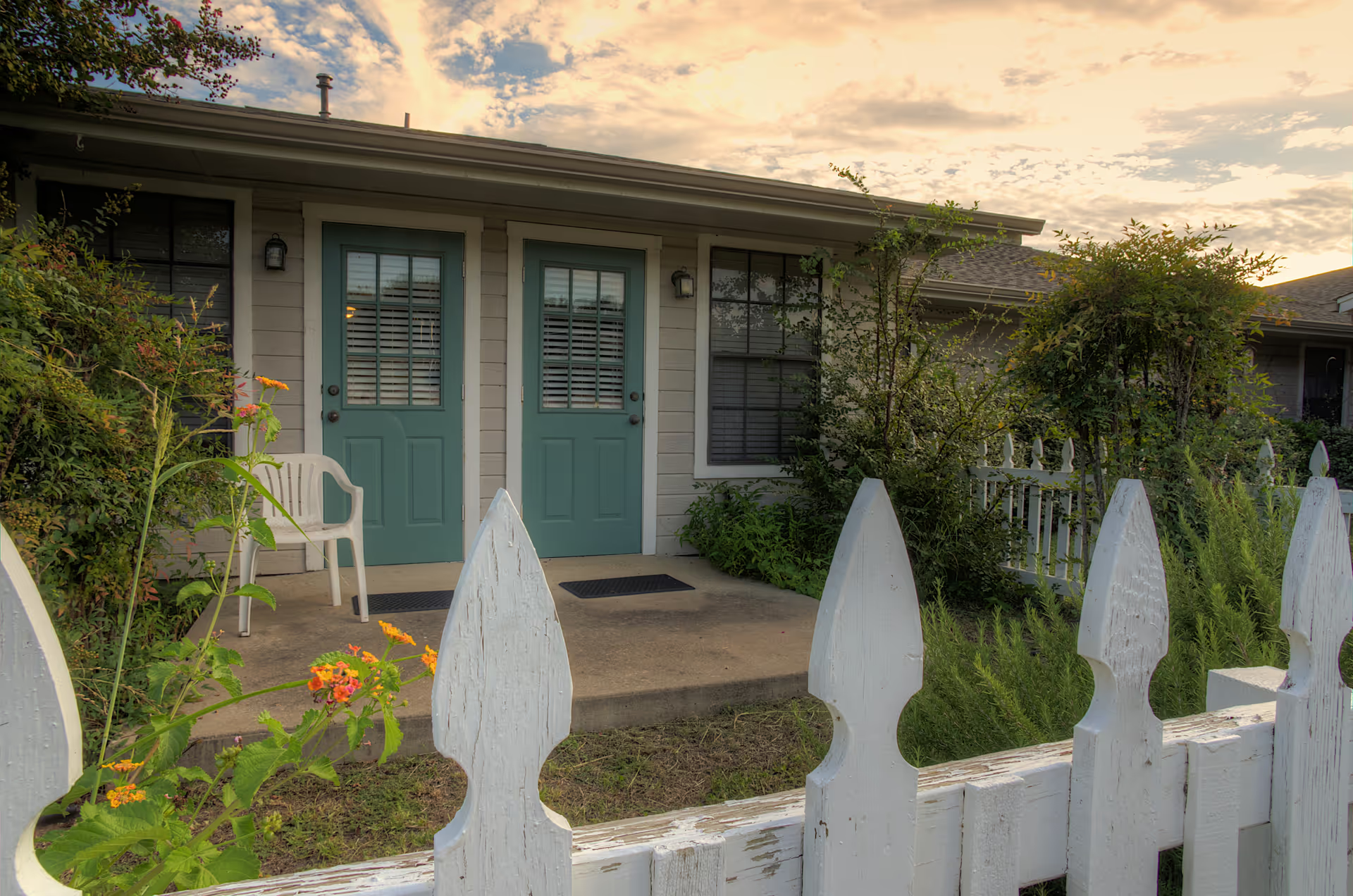
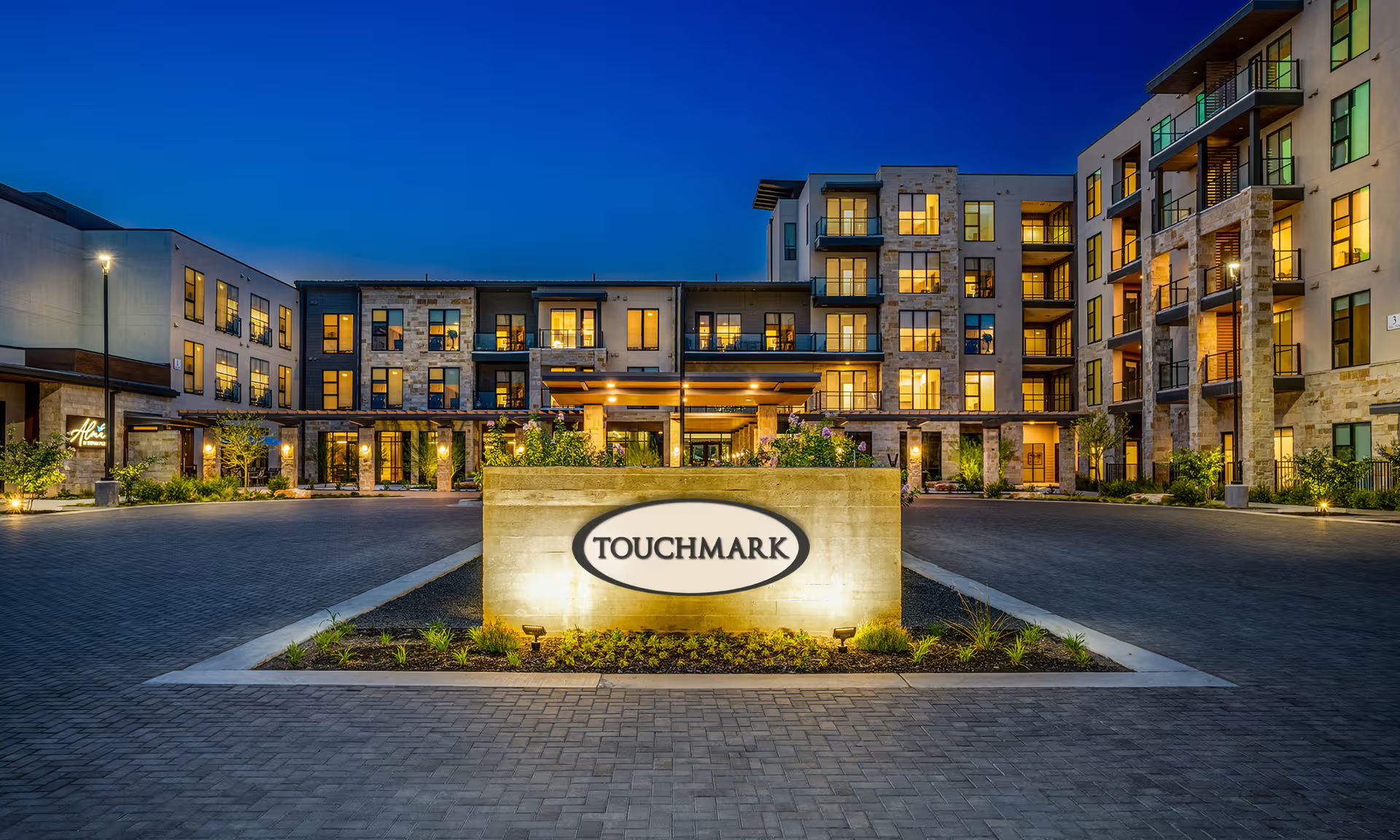
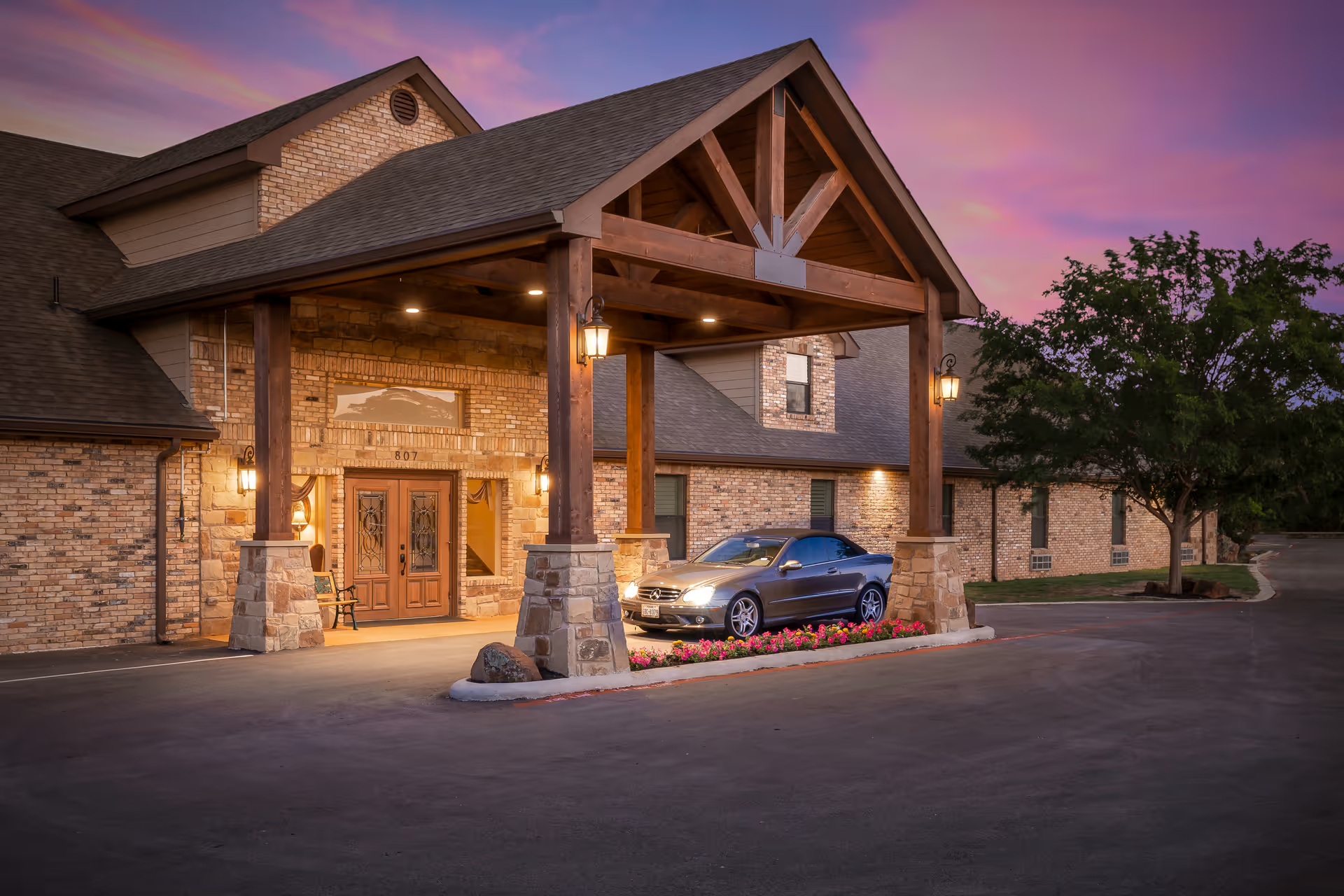
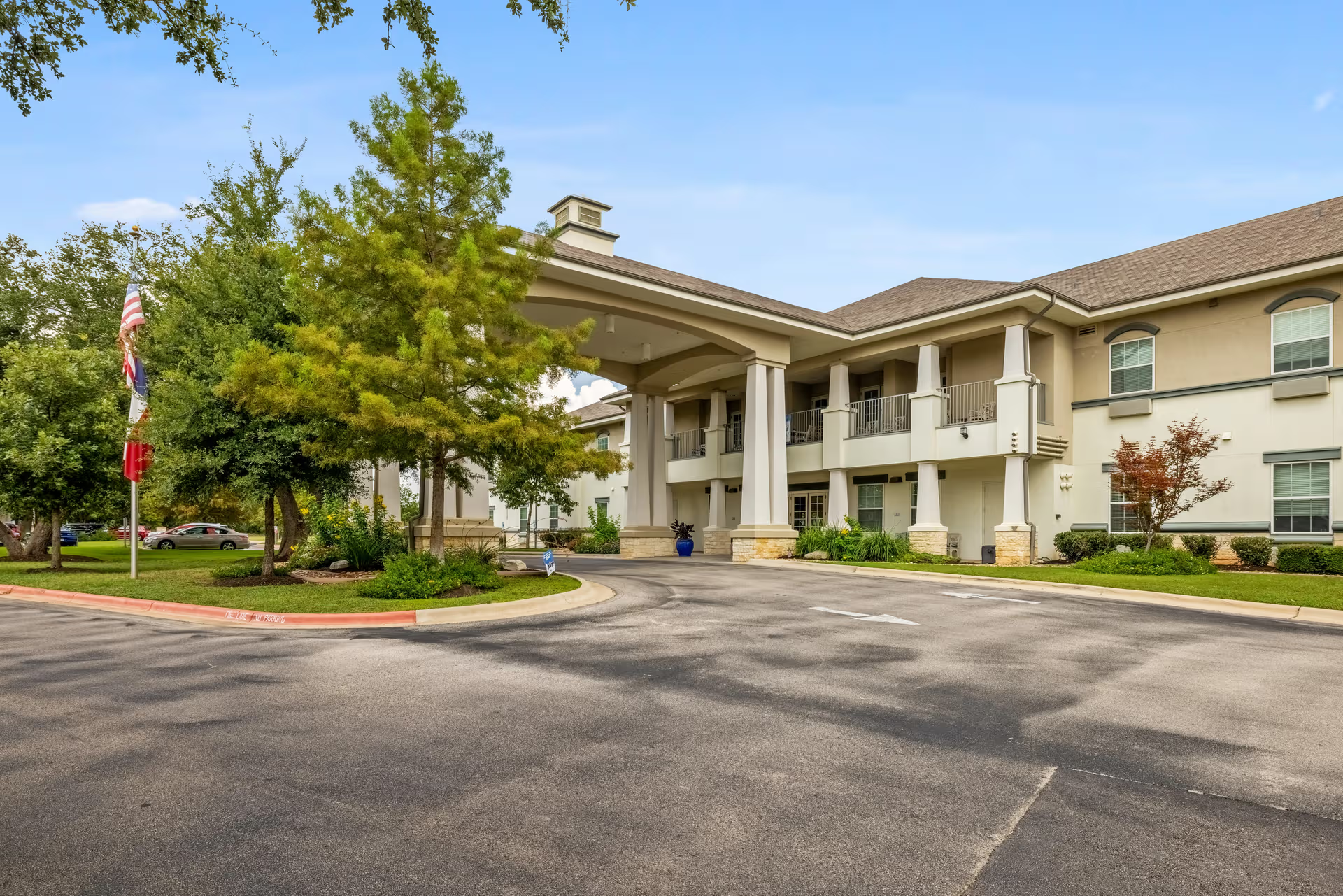
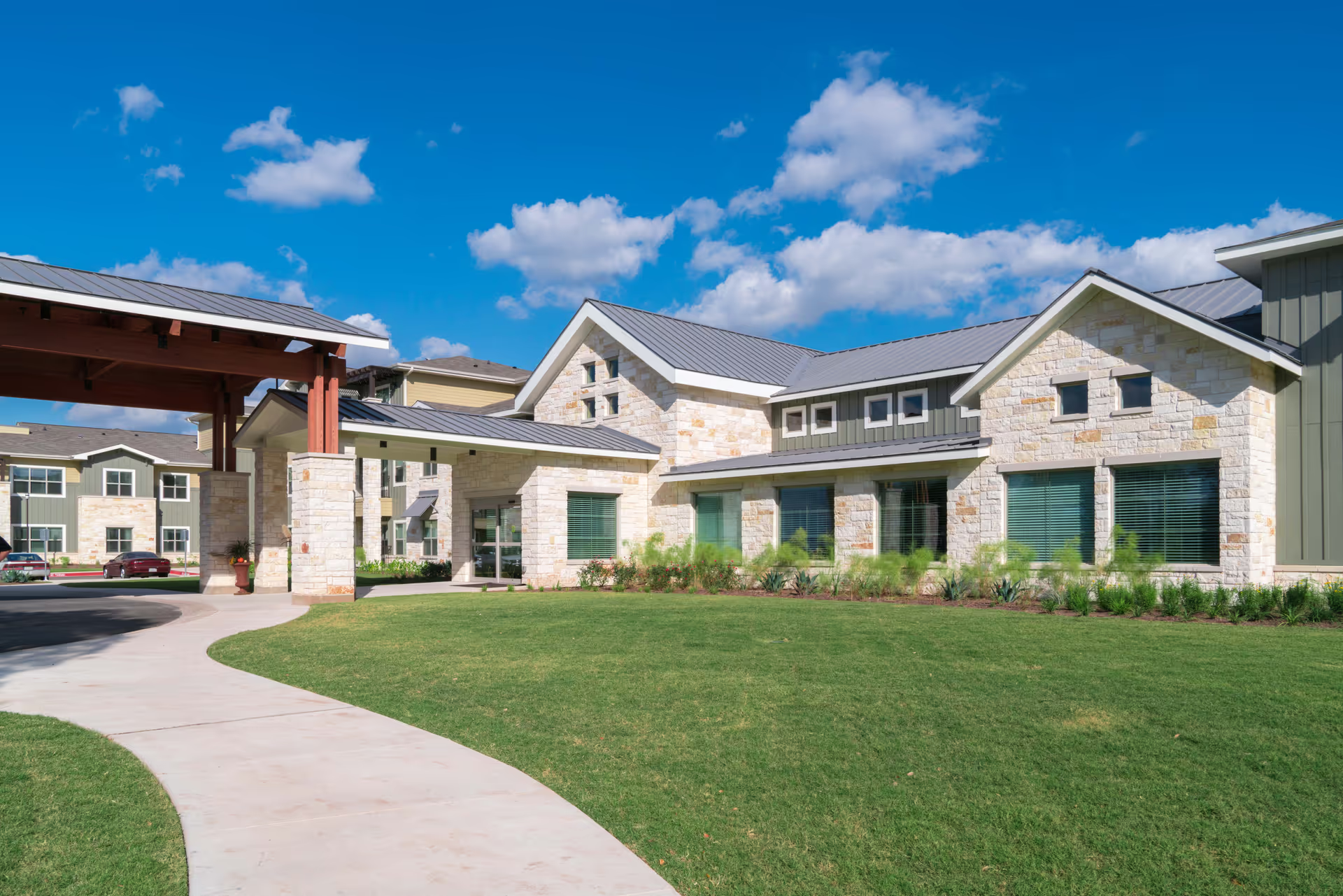
Lampasas Assisted Living presents as a newer, well-kept community with many families praising the facility’s aesthetics, spacious rooms, and inviting common areas. The campus and interior receive frequent positive mentions for cleanliness, attractive amenities, and a home-like atmosphere. Several accounts highlight an active activities program and resident-board participation, along with holiday decorations and programs that contribute to social engagement. Affordability and proximity to family are additional practical advantages cited by prospective residents.
Care and staffing portray a mixed picture. A substantial number of accounts describe staff who are compassionate, professional, and attentive—caregivers who provide person-centered interactions and clear communication with families. These positive descriptions emphasize dignity, patience, and advocacy during difficult times. At the same time, other comments raise operational concerns about the level of clinical oversight: the facility does not maintain continuous on-site nursing, and clinical services are sometimes provided by outside clinicians. That structural limitation correlates with reported problems such as medication-management concerns, pain-management issues, and delays in call-light response. Nighttime staffing levels are specifically called out as a recurrent weakness, and some reviews describe instances that suggest gaps in responsiveness and safety monitoring.
Dining and activities are generally strengths in terms of routine and engagement. Many families appreciate a consistent meal schedule and nutrition-focused offerings, and the activities coordinator is repeatedly mentioned as a positive contributor to resident quality of life. However, food quality is described as variable by some, with a subset noting the meals are not upscale or may lack consistency.
Facility operations show conflicting signals: several reviewers praise proactive, family-oriented communication and a supportive team, while others describe inconsistent management responsiveness and administrative issues. Specific operational weaknesses include inconsistent housekeeping/cleaning, personal-property security concerns, and billing irregularities. There are also mentions of fall-related incidents and transfer-safety issues that point to gaps in safety practices and supervision.
For prospective residents and families, the main considerations are clinical staffing and operational reliability. The community’s physical environment and many frontline caregivers are clear strengths, but the absence of continuous on-site nursing and reports of inconsistent responsiveness and administrative practices warrant careful inquiry. Recommended next steps before placement include verifying current nursing coverage and response-time procedures, reviewing medication-administration protocols, confirming housekeeping and laundry schedules, asking about property-security measures and incident reporting, and clarifying billing and admission terms. A scheduled tour, conversations with current families, and direct questions about night staffing and fall-prevention practices can help determine whether this community’s strengths align with an individual resident’s care needs.