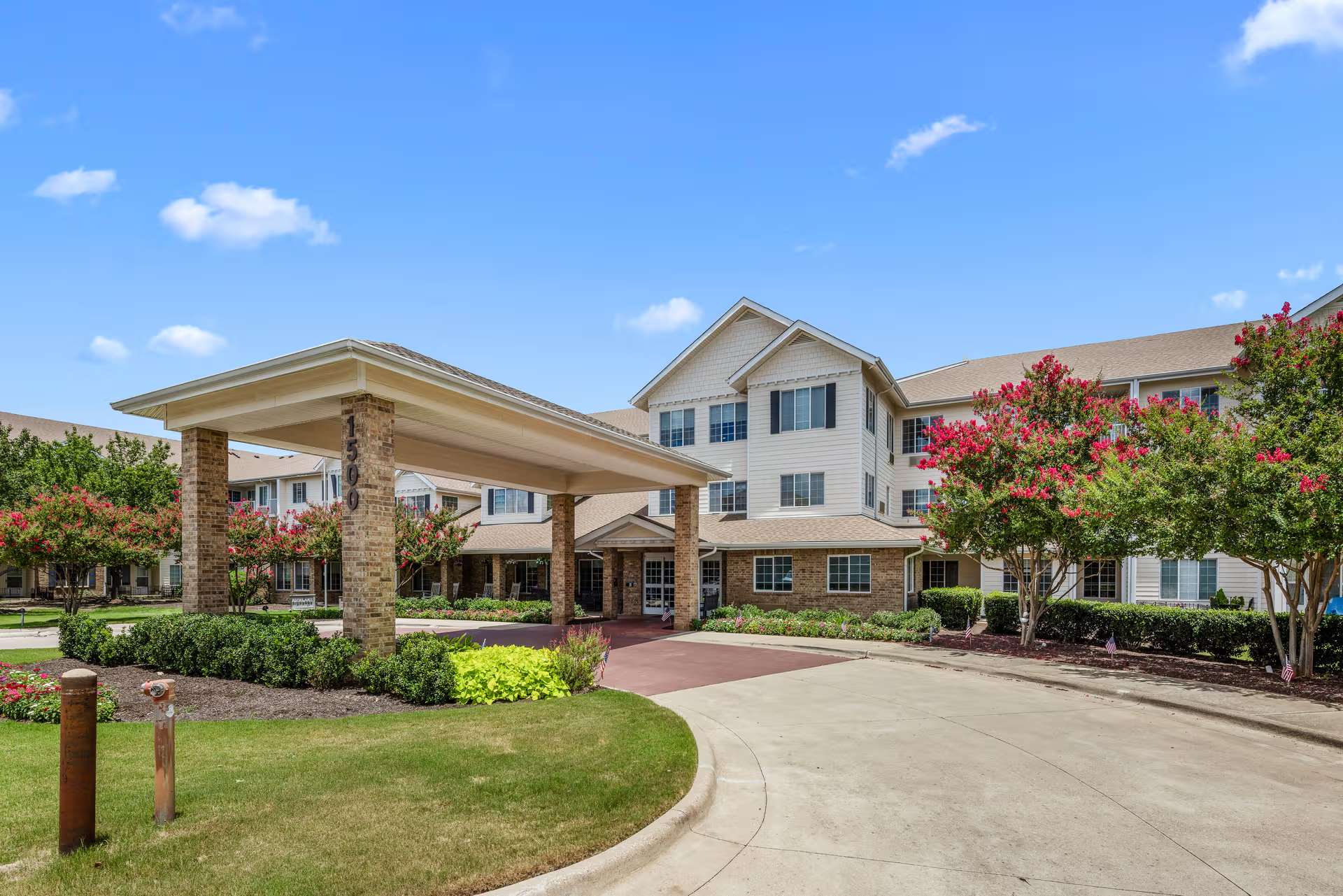
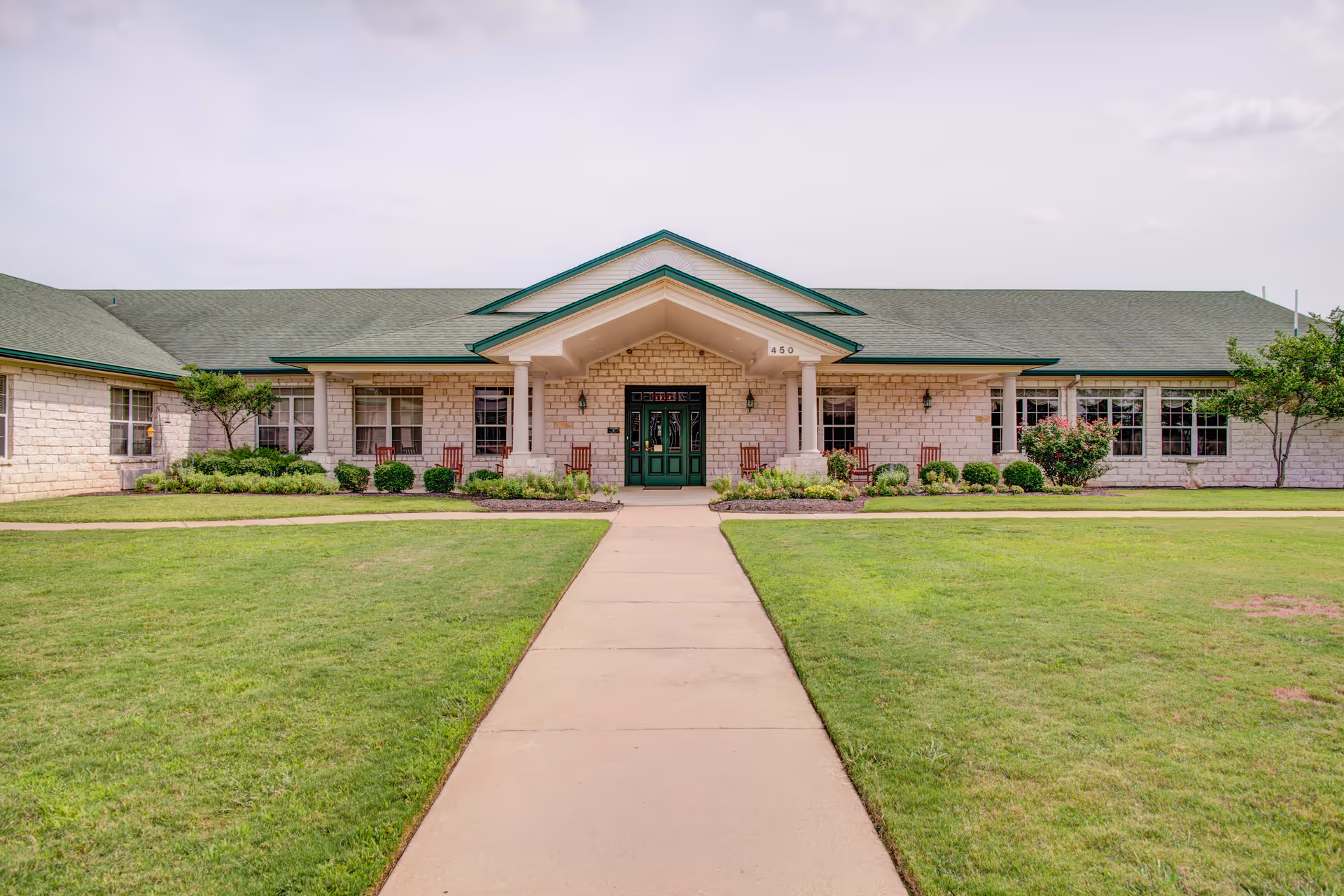
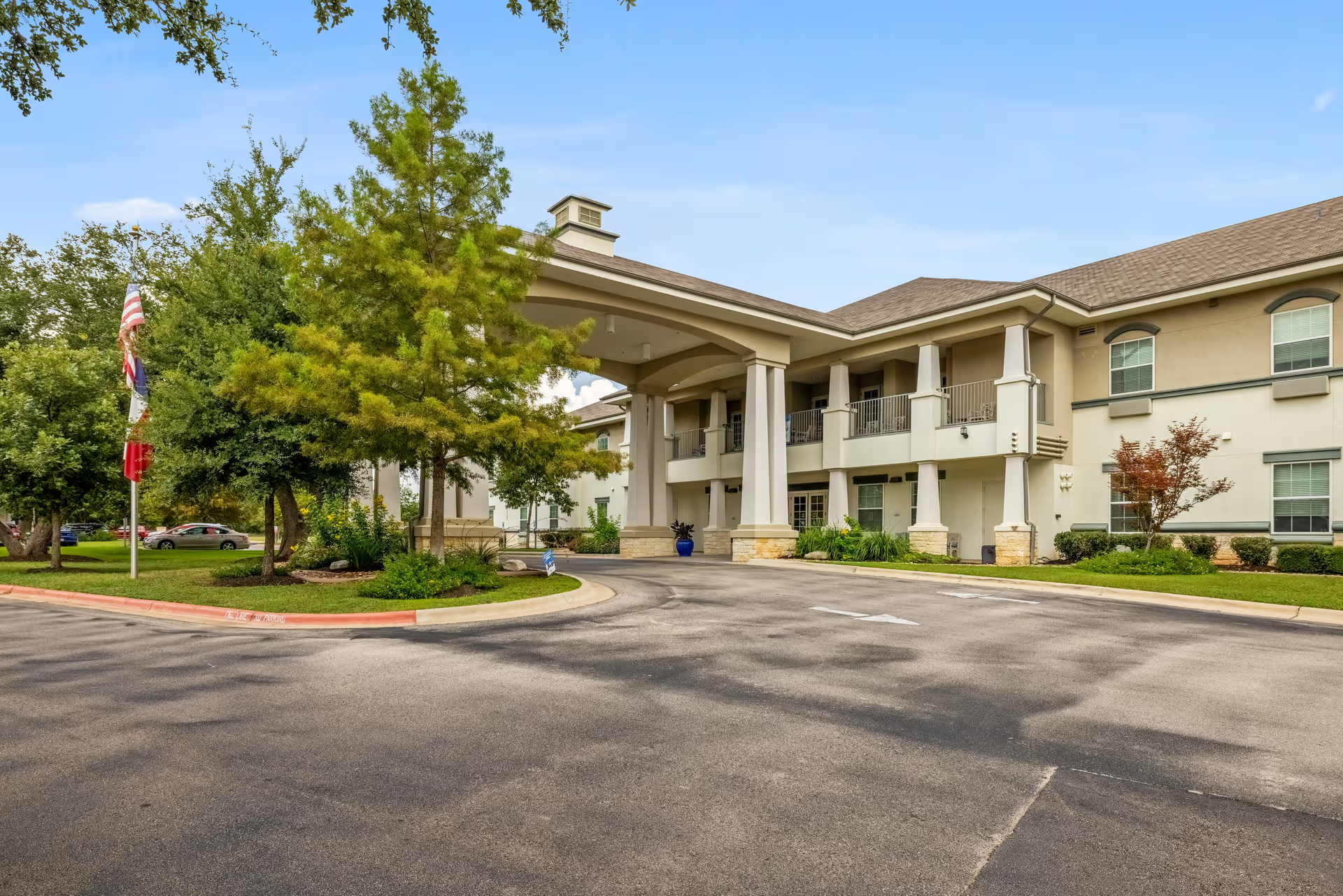
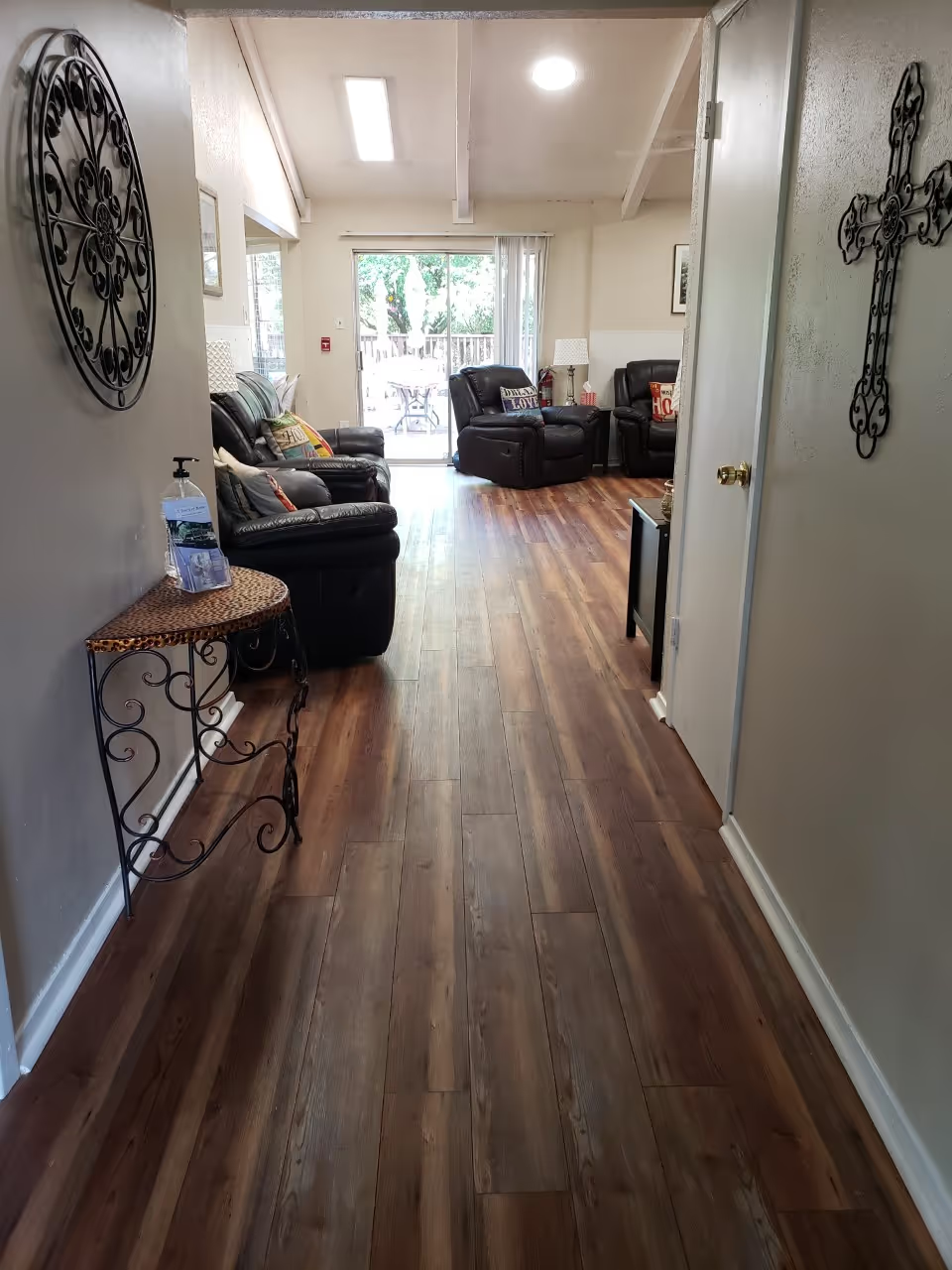
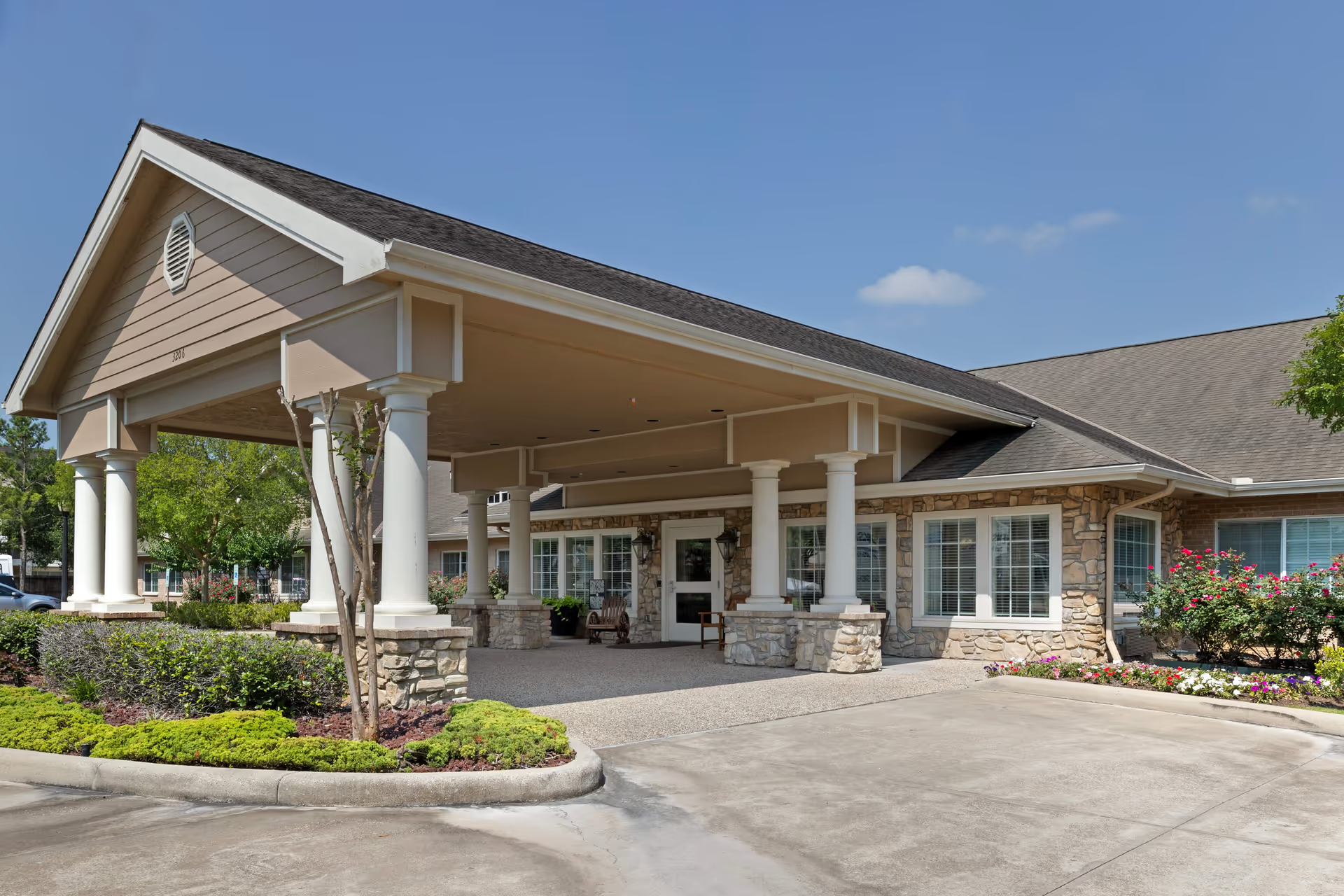
Riva Ridge Assisted Living & Memory Care Center is described predominantly as a small, home-like community with a strong emphasis on personalized, compassionate caregiving. Reviewers frequently highlight a high staff-to-resident ratio, hands-on leadership (including an on-site director), and consistent communication with families. Clinical coordination—especially medication administration and hospice collaboration—and attentive end-of-life care are recurring strengths. The environment is commonly characterized as clean, tranquil, and scenic, with porches and gardened grounds contributing to a homelike feel.
Care and staff: The facility is repeatedly praised for its caregiving team: knowledgeable CNAs, attentive staff, and a manager who is visible and involved in daily operations. Families describe prompt responses to health changes, well-organized routines, and practical transfer practices (two-person assists, bed rails) that support residents with mobility limitations. At the same time, a number of reviewers raised operational concerns around staffing continuity and training; some reported turnover and inconsistent professionalism. There are also noted limitations in on-site clinical coverage, which reviewers interpreted as a gap for residents with higher medical needs.
Dining and day-to-day services: Dining is consistently mentioned as a positive feature. Meals are described as home-cooked, well-received, and tailored to individual preferences and cultural dishes. Housekeeping and daily routines (bedding changes, room personalization) are described as reliable and contributing to peace of mind. Families also cite thorough communication around care changes and active coordination with external providers when needed.
Activities and social engagement: Experiences with programming are mixed. Some families note social events, parties, bingo, and occasional musical visits that engage residents. Others describe limited formal activity schedules and lower levels of resident interaction—an issue attributed in part to the small size of the community and to COVID-era restrictions. Prospective residents seeking more structured or energetic programming should confirm current activity offerings during a tour.
Facilities and logistics: The property is often described as attractive and well-maintained, with a cozy layout and caregiver-visible design that supports supervision. There are operational concerns raised around security of exterior doors and privacy related to in-room monitoring; families should ask about current security measures and camera policies. The community’s small scale is a strength for personalized care but can limit social options and may make it less suitable for residents requiring extensive clinical services; reviewers also noted the location is somewhat remote and can be difficult to access after severe weather events.
Management and patterns: Overall impressions skew positive around management responsiveness and a family-oriented culture, with many families reporting relief and confidence in the care provided. However, there is a minority of negative feedback citing management-style concerns, higher staff turnover, and inconsistent training. Prospective families should discuss staffing ratios, clinical oversight (including whether a nurse is regularly on-site), nighttime coverage, activity programming, and contractual terms for pricing. A direct tour and conversations with leadership will help confirm whether the facility’s current operations match the prominent strengths described by many families and address the operational concerns noted by others.