Overall impression: Reviews reflect a mixed but actionable picture. Many families and residents praise the facility's people-oriented strengths — compassionate nurses and CNAs, an engaged activities team, and robust therapy services — while also describing operational and environmental weaknesses that may affect safety, comfort, and care coordination. The facility appears to deliver strong interpersonal care in many cases, but persistent issues with maintenance, sanitation, staffing consistency, and administrative practices create variability in the experience.
Care and staff: A frequent positive theme is staff compassion and attentiveness. Reviewers commonly describe nurses, CNAs, and therapists as caring, knowledgeable, and willing to go beyond basic duties to support resident comfort and recovery. Leadership and some named clinicians are cited as informed and supportive. At the same time, reviewers indicate inconsistent staffing levels and occasional low morale among employees, which reviewers link to slower response times, gaps in training, and uneven performance. There are also concerns about care-plan communication and coordination; families described difficulty obtaining clear rehabilitation plans or consistent updates on progress and discharge expectations.
Dining and therapy: Therapy services are noted repeatedly as a strength; families report effective rehabilitation and helpful physical/occupational therapists. Food is described as plentiful and generally appealing, though not necessarily homestyle; some reviewers were pleased with meal variety and the dining assistance provided. The memory-care unit is highlighted for providing more individualized, one-on-one attention for residents who require that level of supervision.
Activities and social environment: The facility’s activities program receives strong endorsements. Activity directors are credited with creating engaging, varied programming, outings, and social events that improve resident mood and participation. Several accounts emphasize a warm, small-town atmosphere and family-like resident–staff interactions that contribute to social engagement and quality of life.
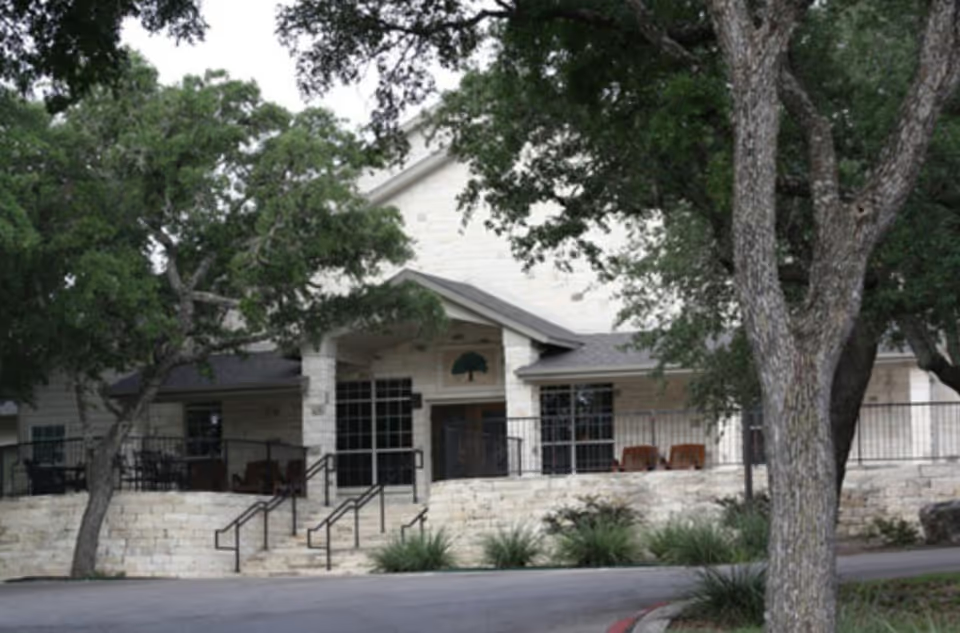
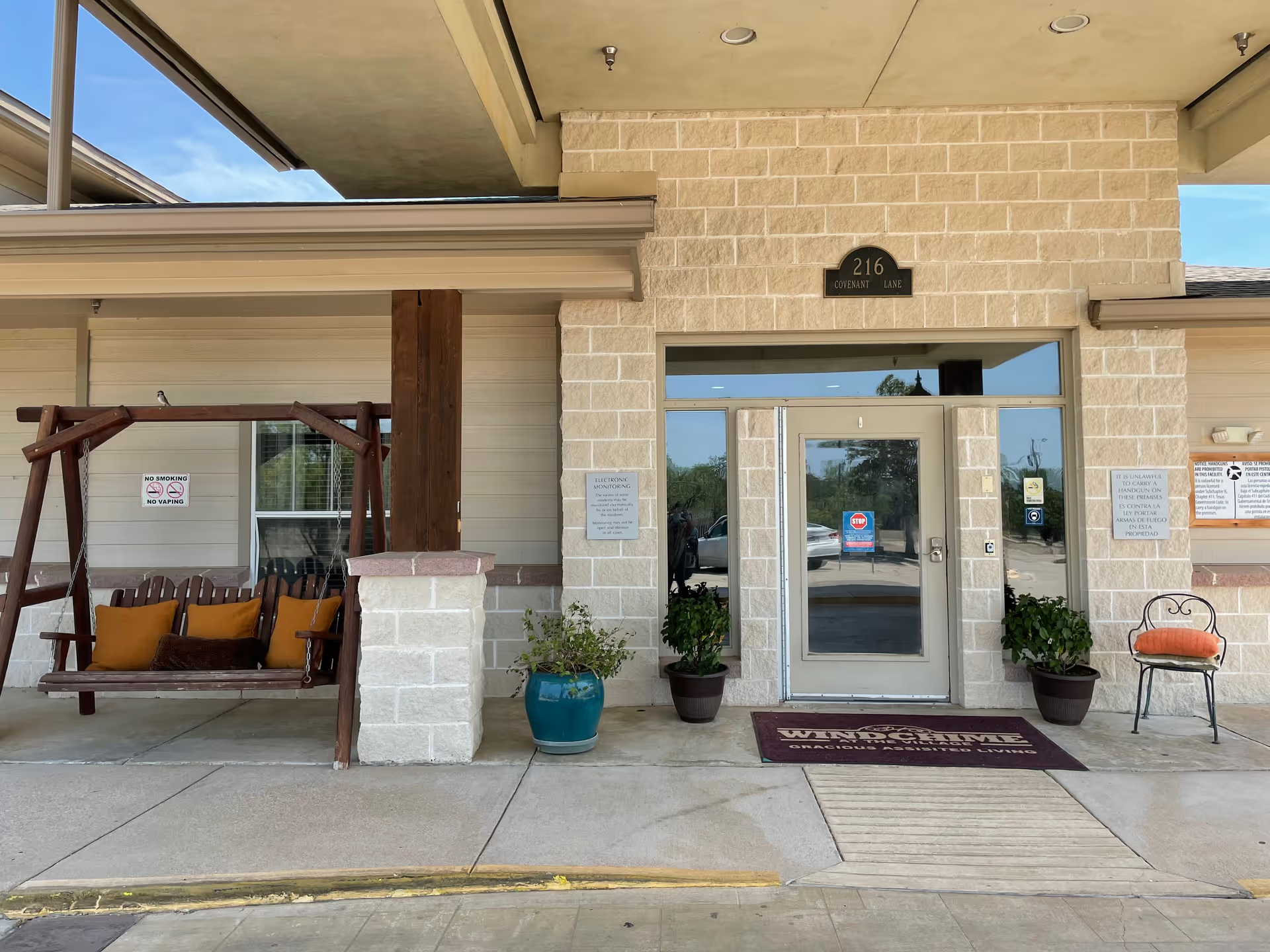
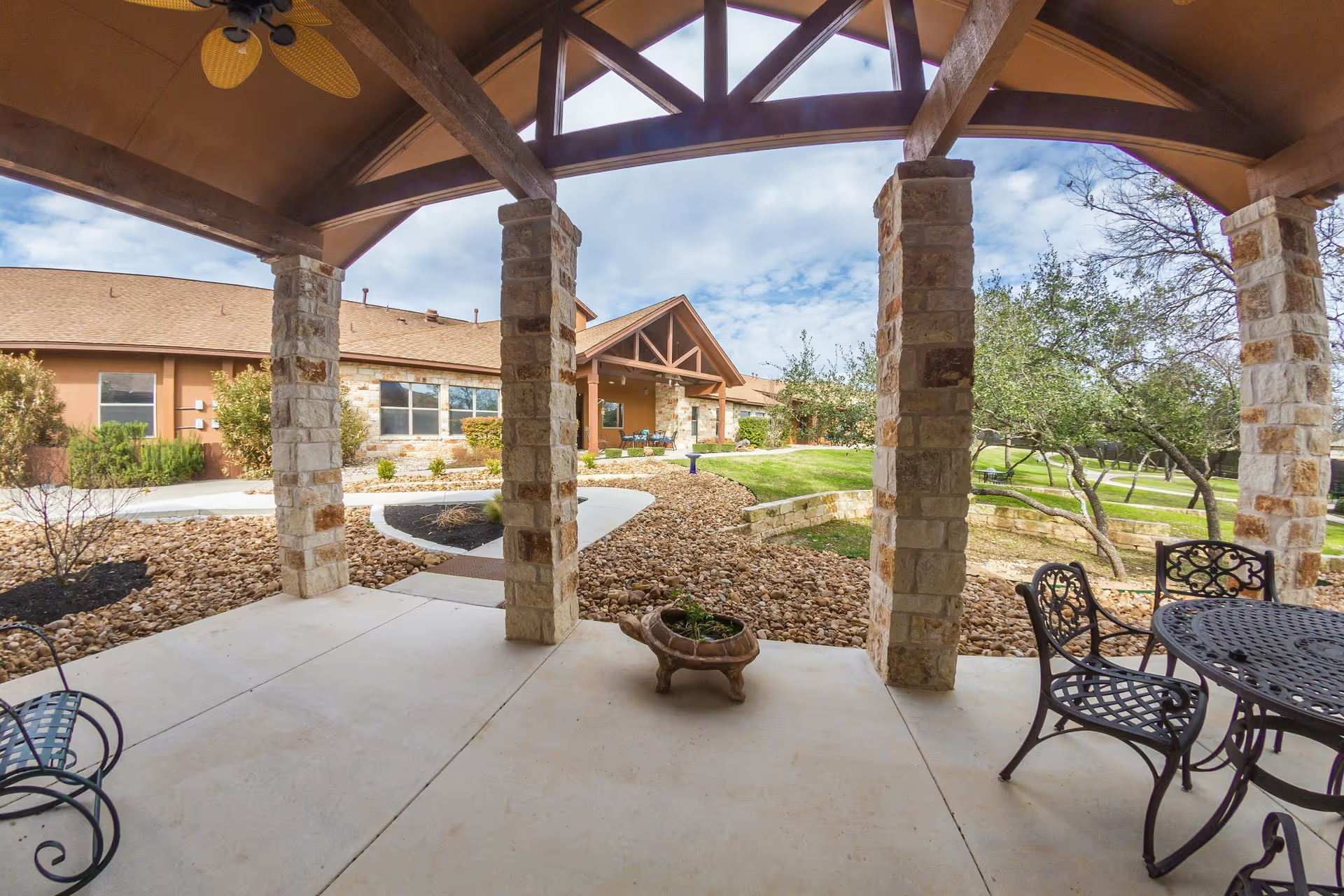
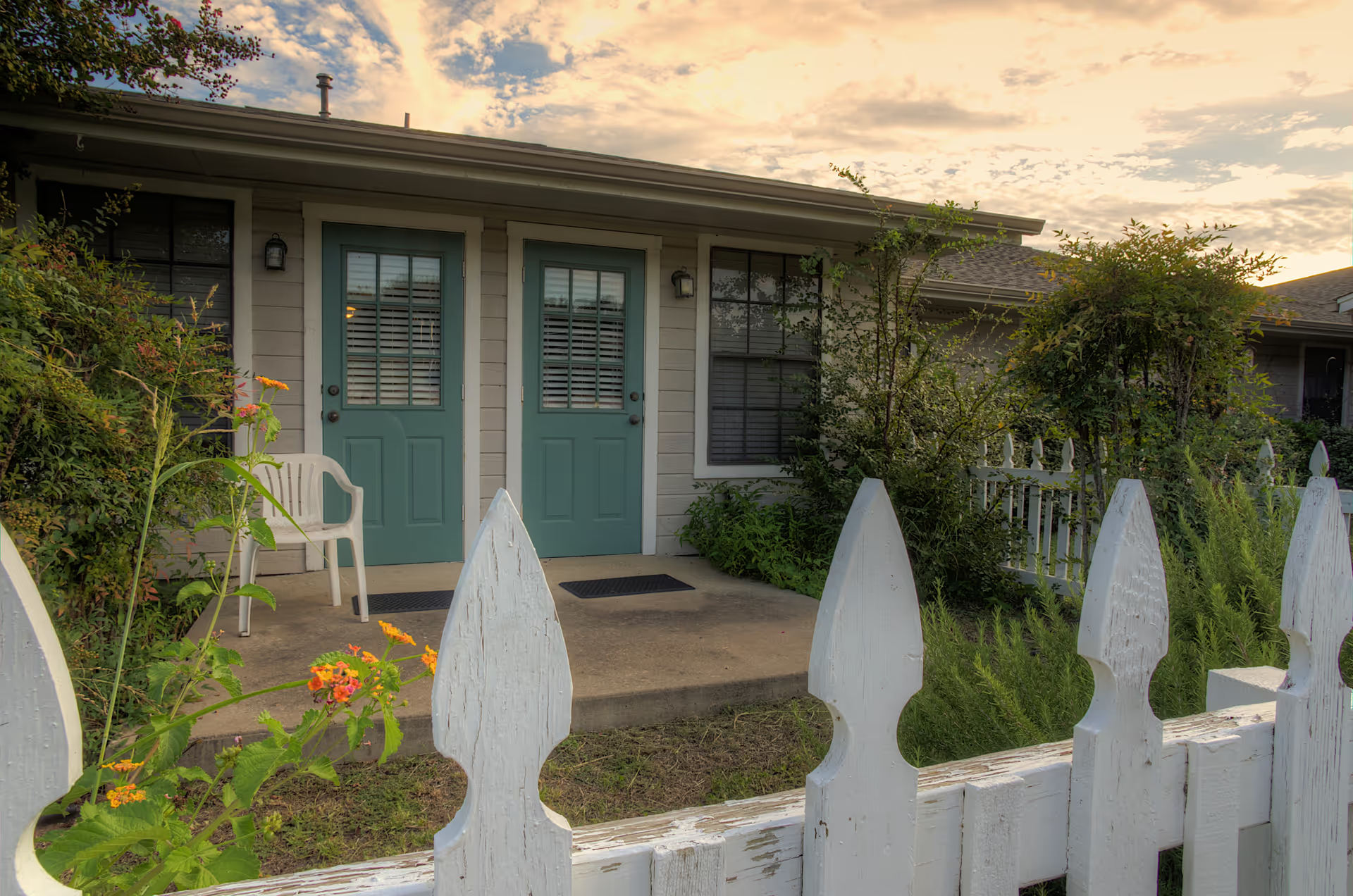
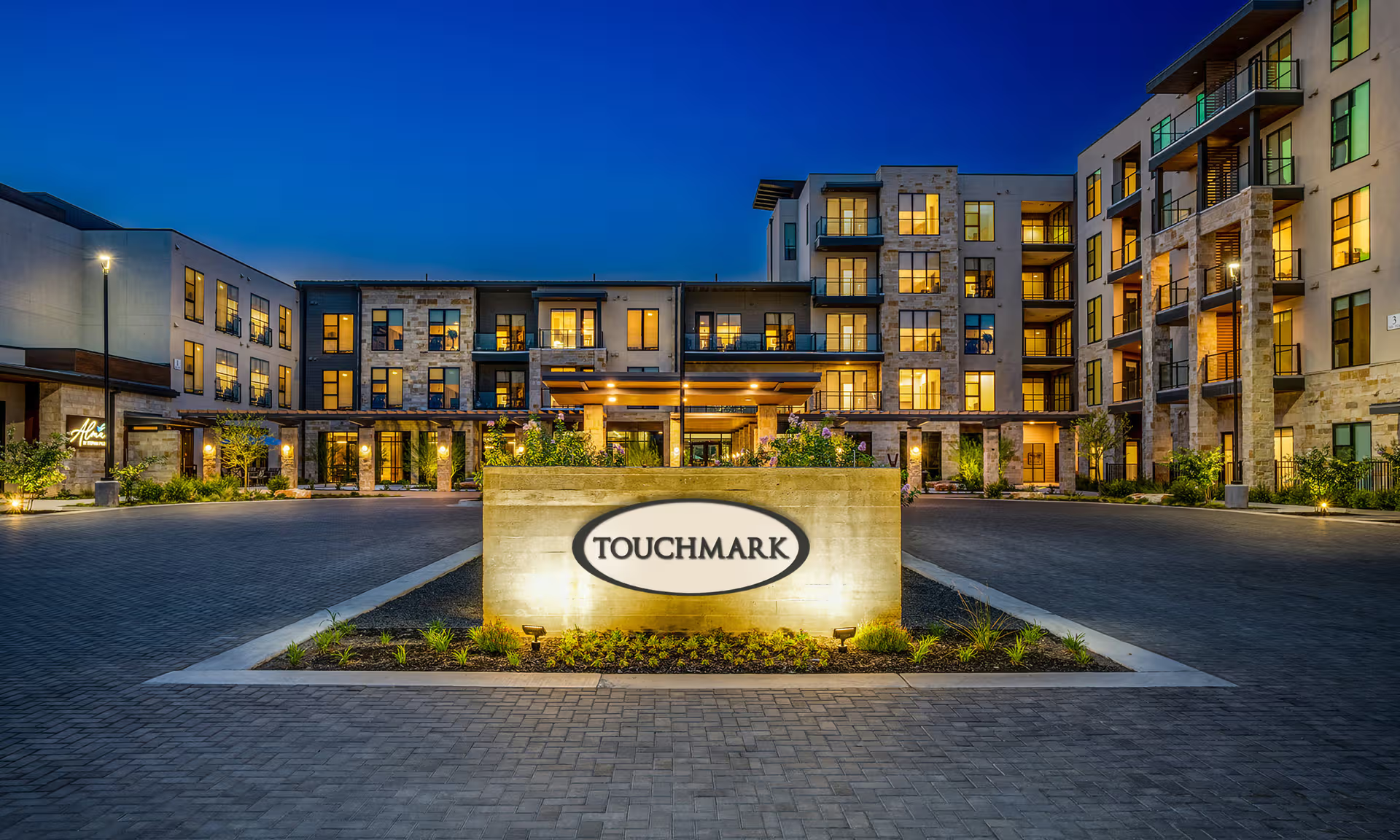
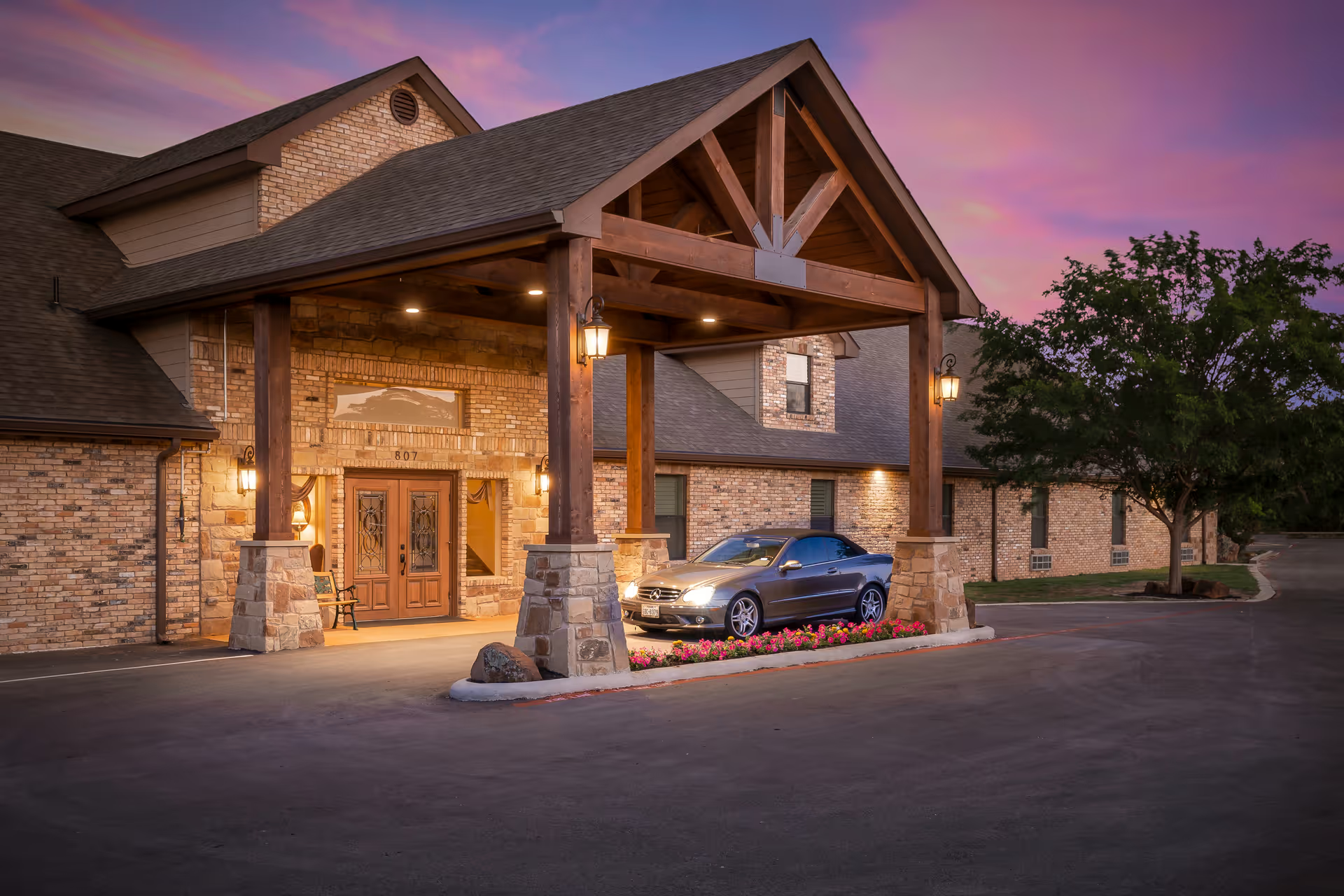
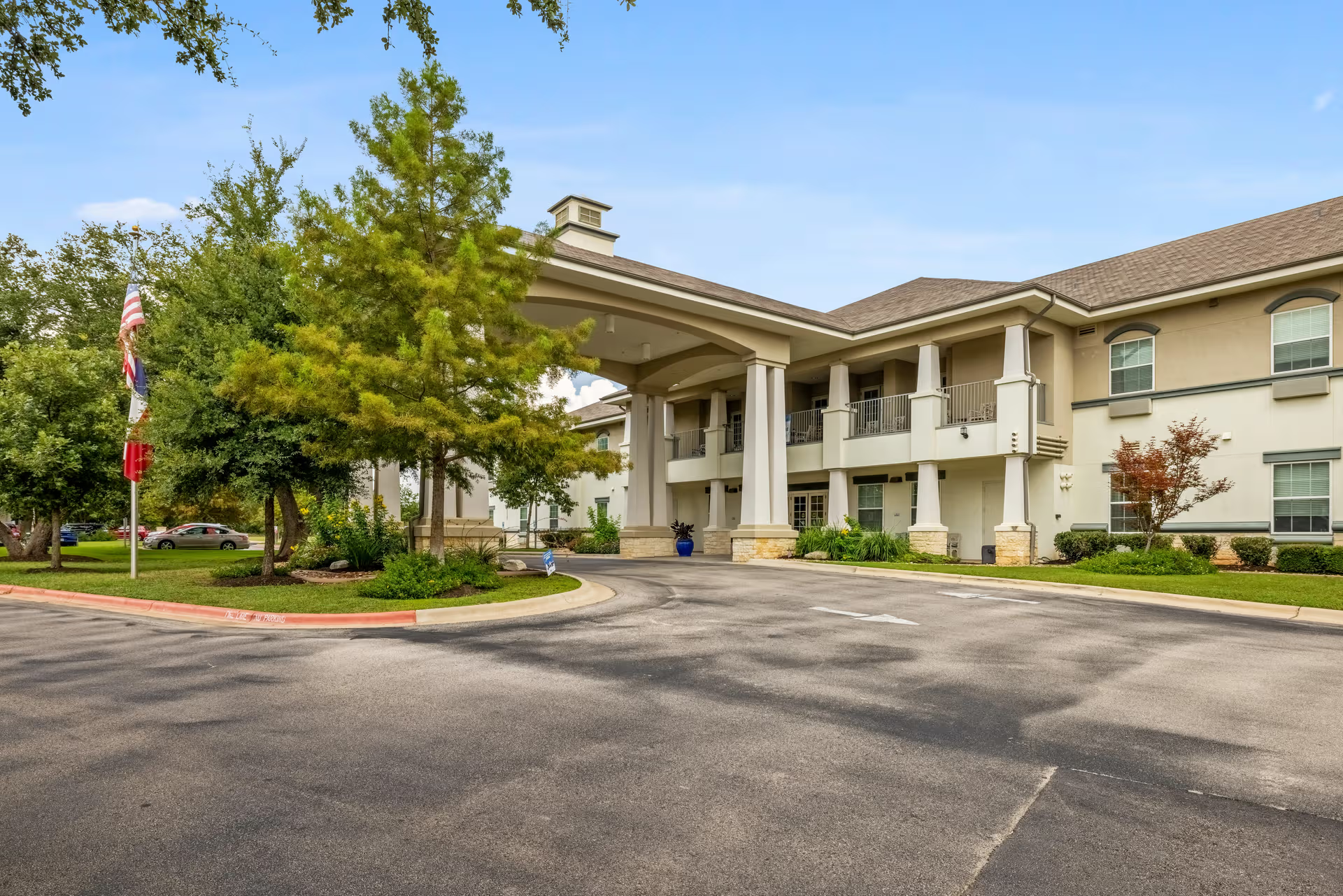
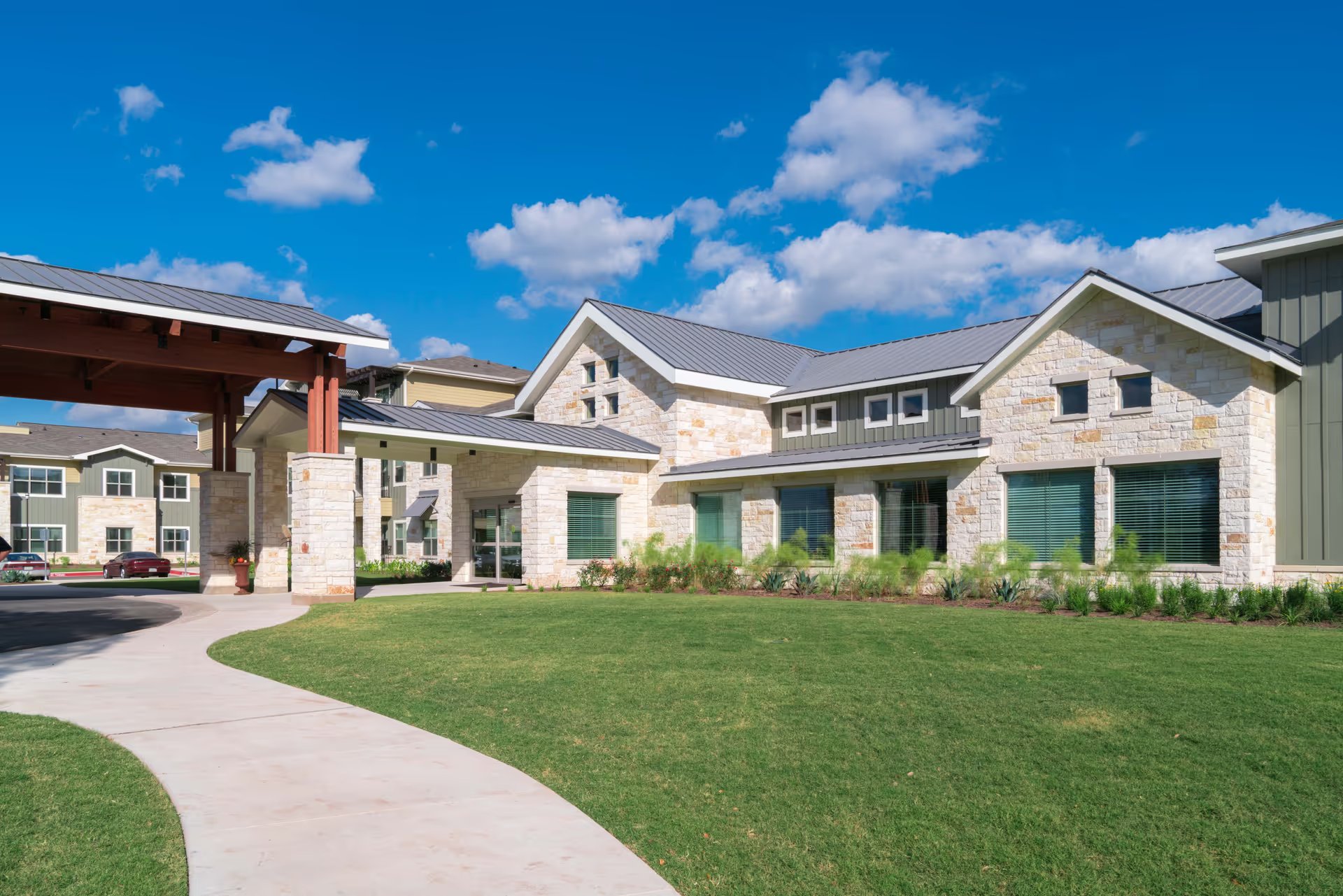
Facilities, cleanliness, and safety: Comments about the physical plant are mixed. Some reviewers describe clean, well-maintained areas and comfortable rooms, while others raise sanitation concerns in resident rooms and common spaces, and note odor issues. Maintenance problems such as aging infrastructure, loose or malfunctioning doors, exposed fixtures, and other environmental-safety shortcomings are repeatedly cited. These issues collectively suggest uneven facility upkeep and the need for stronger environmental-safety and housekeeping controls.
Management and operations: Administrative themes include inconsistent communication, bureaucratic delays in paperwork, and unclear discharge planning. Reviewers describe occasions where care coordination broke down or where families needed to advocate strongly to get timely responses. There are also serious operational concerns — including allegations of medication-administration errors and enforcement lapses around facility policies — that warrant investigation and corrective action by management.
Patterns and takeaways: The dominant pattern is contrast between strong, compassionate frontline caregiving and variable institutional performance. Prospective residents and families can expect caring staff, an active programming schedule, and capable therapy services in many cases. However, they should also verify current conditions in person, ask specific questions about staffing ratios, housekeeping and sanitation protocols, maintenance and safety checks, medication administration controls, and rehabilitation/discharge plans. Those considering this facility may benefit from meeting the clinical leadership and activities director, reviewing recent inspection or quality records, and clarifying policy enforcement to ensure the environment aligns with their care and safety expectations.