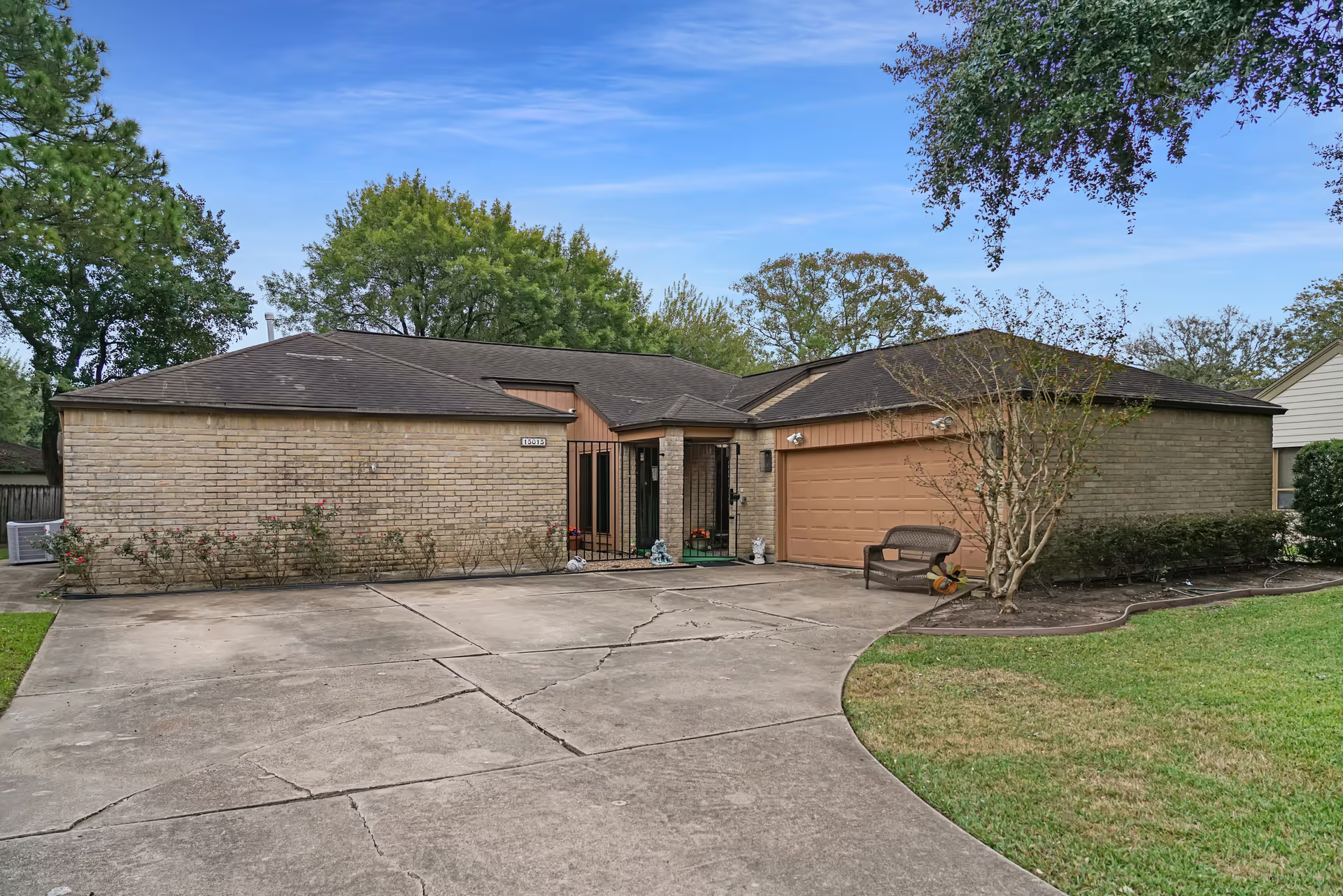
Baywind Village Skilled Nursing and Rehabilitation elicits a broadly mixed but consistent pattern: it is frequently praised as a strong short-term rehabilitation environment with standout therapy services, supportive social work and admissions personnel, and a generally clean, well-kept physical plant. Physical, occupational, and speech therapy teams are repeatedly described as effective, motivating, and central to patients’ functional gains. Housekeeping and facility maintenance also receive regular positive notice — reviewers cite bright rooms, attractive landscaping, a well-equipped therapy gym, and home-like common spaces.
Clinical care impressions are more variable. Many families and patients commend compassionate nurses and CNAs who provide attentive day-shift care and individualized assistance; wound-care capability and some examples of careful medication management are also described positively. However, recurring concerns focus on medication administration (including pain-medication delays), inconsistent overnight staffing, and slow call-light response times. Several accounts describe limited physician availability and delayed clinical escalation, which reviewers connect to delayed transfers and uneven post-event follow-up. These items suggest operational gaps in overnight coverage, medication workflows, and escalation protocols.
Dining and activities are generally strengths. The facility offers an on-site bistro, three meals daily with snack options, and a dietitian who adjusts plans for specific needs; reviewers often note accommodating meal service and a full activities calendar (bingo, music, yoga, arts and crafts). At the same time, families sometimes report variability in meal temperature or preferences not being met immediately. Activities and engagement programming are consistently cited as helpful for resident morale and mobility.
Management and communication show a split pattern. Social services and some administrators receive praise for proactive family communication, problem resolution, and discharge coordination. Conversely, a number of reviews describe gaps in communication of test results, incomplete discharge medication handoffs, and coordination failures between nursing, therapy, and administration. Pharmacy supply issues, delayed medication refills, and isolated allegations of property/privacy concerns have been raised; the latter are serious and characterized by a small subset of reviewers as allegations rather than facility-wide findings.
Families considering Baywind Village should weigh its strong rehabilitation resources, attentive daytime caregiving, and clean environment against recurrent operational concerns: overnight staffing reliability, medication and pharmacy continuity, clinician availability, and communication consistency. The facility appears to perform well for short-term rehab stays where active therapy and housekeeping are priorities. Prospective long-term residents or those requiring specialized dementia or behavioral care should probe staffing patterns, dementia-care protocols, medication-management safeguards, and incident-response procedures during intake visits and consider asking for recent staffing ratios, medication-administration audits, and examples of discharge coordination to inform placement decisions.