Overall impression: Grand Living at Tuscan Lakes is consistently described as an upscale, resort-style senior living community with a strong emphasis on hospitality, social engagement, and memory-care programming. Many families highlight compassionate caregiving, attentive directors, robust activity calendars, and high-quality dining as key strengths. The property’s design, spacious apartments, and frequent cultural and wellness offerings contribute to an active, home-like environment for residents who are mobile and socially engaged.
Care and staff: Reviews repeatedly praise the caregiving staff as caring, personable, and family-oriented, and many families describe accessible leadership that provides regular updates and outreach. The memory-care neighborhood is frequently singled out as well-managed, with dedicated directors and staff who facilitate social engagement and individualized support. At the same time, reviewers note operational variability: staffing levels have at times been inconsistent, with turnover and short-staffing reported especially during transitions. Several accounts describe initial delays in medication administration and in setting up formal care plans during move-in; some families said these issues improved after staffing adjustments.
Dining and activities: Dining is a consistently cited strength — described as gourmet, diverse, and tailored to resident preferences, with special dining spaces for family events. The community offers a broad mix of enrichment: fitness classes, performances, educational seminars, outings, and social events that support resident engagement and reduce isolation. A small number of reviewers mentioned menu repetition or limited variety in particular instances, but the prevailing description is of a robust culinary and activities program.
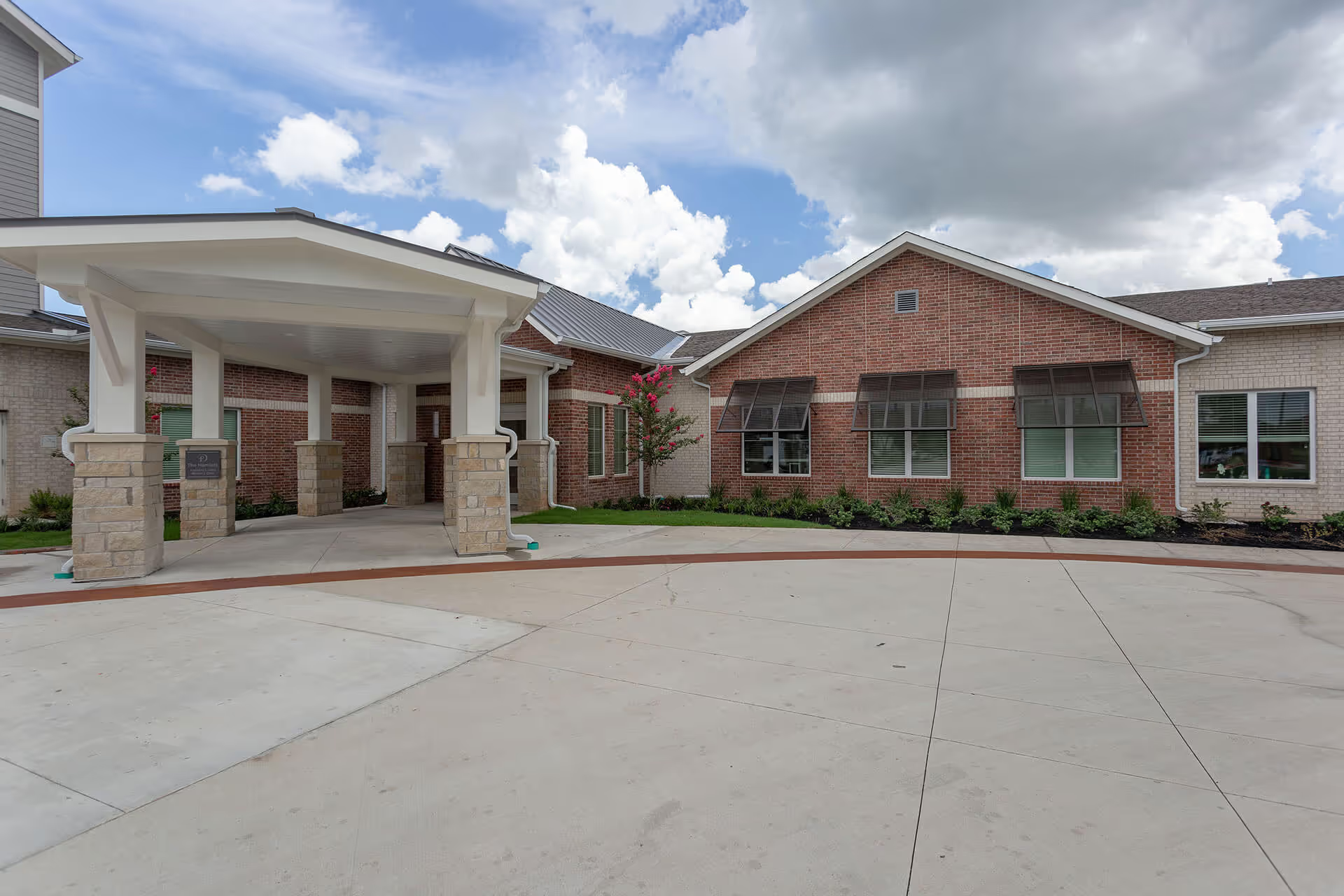
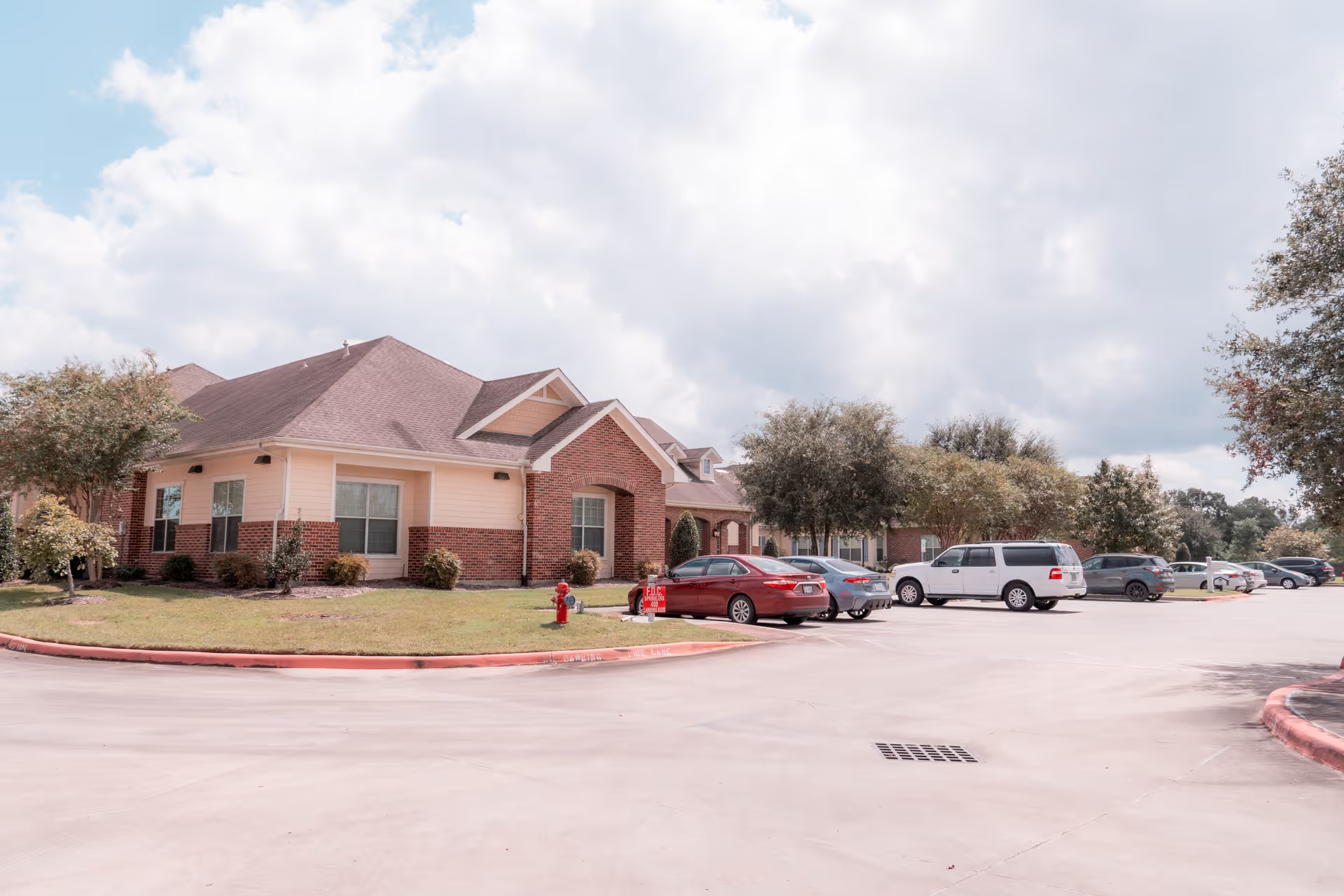
Facility and maintenance: The facility’s aesthetics and amenities are frequently praised: attractive exteriors and well-designed interiors that feel upscale yet home-like. Maintenance staff receive positive mentions for responsiveness and going above and beyond. Conversely, there are recurring operational concerns about facility systems: reports of repeated equipment breakdowns and at least one concern about mold presence in parts of the building suggest prospective residents should review recent maintenance logs and remediation records.
Management, policies, and transparency: Many families commend the team for personalized service and family partnership, while others describe inconsistencies in management follow-through, communication, and internal coordination. Common operational themes to probe further include the fee structure (base rates plus ancillary charges), the packaged-hours billing model, clarity around age-in-place and housing-continuity policies, and how the community documents staff training and regulatory compliance. There are also references to aggressive marketing follow-up and at least one mention of regulatory action or documentation gaps; prospective residents should request the facility’s inspection history and written policies.
Recommendations for prospective families: The community offers strong hospitality, engaging programming, and a dedicated memory-care option, which make it an attractive choice for many residents. Before committing, ask specific, documentable questions about current staffing ratios and turnover, medication-administration protocols and timelines for care-plan setup, the full fee schedule and ancillary charges, recent maintenance and remediation records (including any mold remediation), staff training documentation, and the community’s age-in-place/housing-continuity policy. A guided tour during an activity and conversations with current residents and family members can help clarify whether the operational patterns align with your expectations.