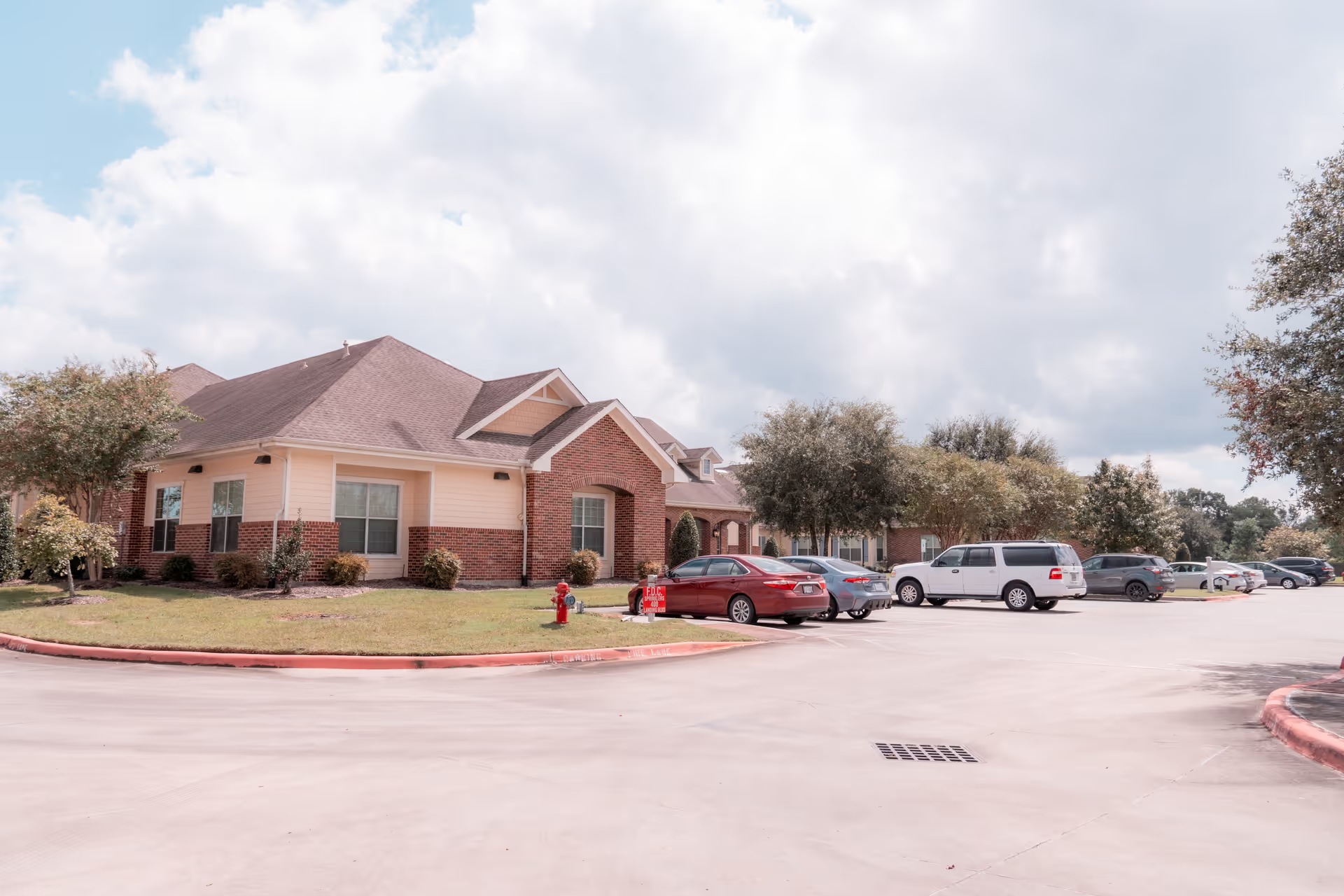
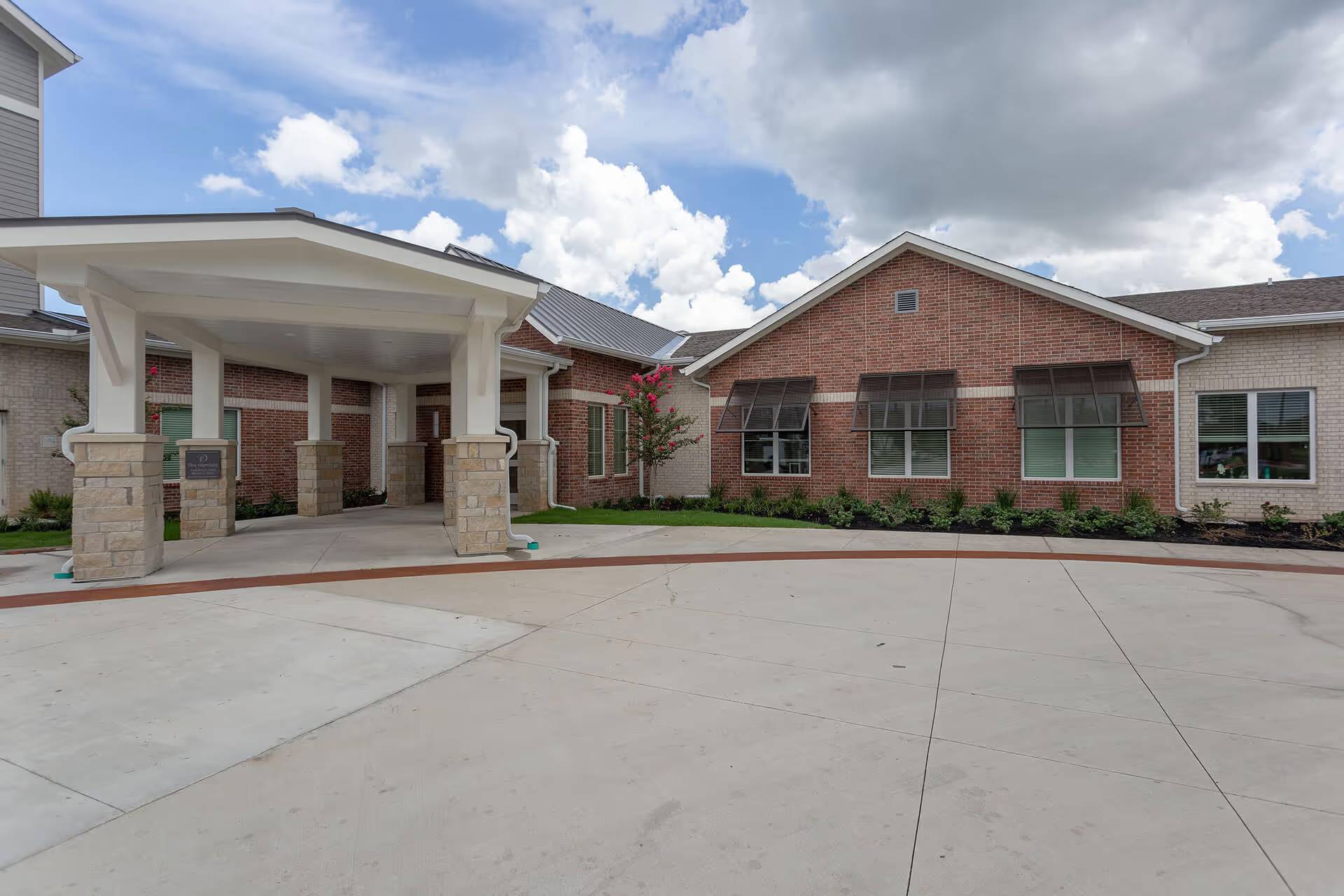
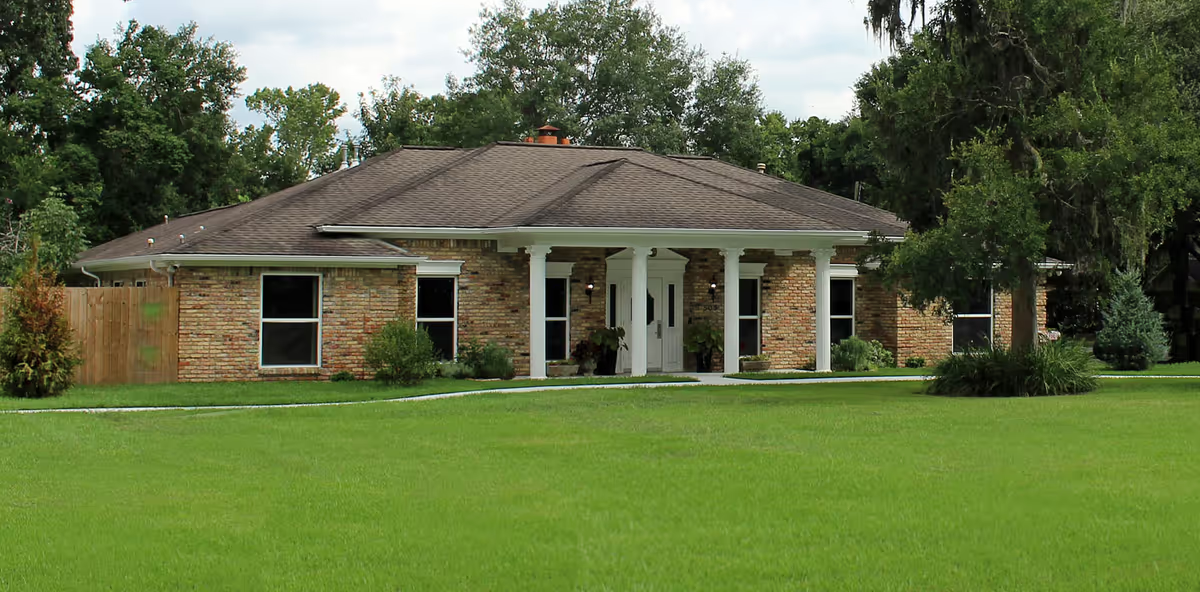
Reviewer feedback for Regent Care Center of League City is highly polarized, with clear themes of strong individualized caregiving and effective rehabilitation on one hand, and operational and safety inconsistencies on the other. Many families praised specific staff members — nurses, CNAs, therapists, activity coordinators, and admissions/front-desk personnel — for being compassionate, attentive, and effective in therapy and social engagement. The facility's on-site PT/OT resources, activity offerings, salon, outdoor areas, and some recently renovated public spaces and equipment receive consistent positive mentions. Several accounts describe good outcomes from rehabilitation stays, responsive nutrition staff, and helpful hospice coordination.
Concurrent with these positives are repeated operational weaknesses. Staffing instability and high turnover — including use of agency staff — emerge as a central theme and are frequently linked to lapses in timely care. Reviewers describe delays in responding to call buttons, inconsistent bathing and bed-change schedules, missed medications, and missed or late assistance with meals. Those patterns point to understaffing and scheduling or training gaps that affect day-to-day resident care.
Cleanliness and room-condition comments are mixed. While many reports describe clean, well-maintained common areas and renovated spaces, others raise sanitation concerns in specific units (including carpet and flooring issues, water-stained ceilings, worn linens, and odor concerns). Maintenance and housekeeping performance appears inconsistent across the building, and several reviewers noted plans for renovation or carpet removal that had not been completed. Laundry and personal-belonging management also surfaced as recurring issues, with some families reporting missing items or inventory problems.
Dining and nutrition feedback is similarly mixed: some families praise meal quality and accommodating kitchen staff, while others describe inconsistent food quality and limited choices for certain residents. Activities and social programming are generally viewed positively, with frequent mentions of engaging groups, private TVs, and opportunities for interaction that contribute to resident quality of life.
Management and communication present a split picture. Multiple reviewers commend owners or specific administrators for responsiveness and problem resolution, yet other accounts describe limited managerial presence on weekends, weak follow-through on grievances, pressured moves related to liability or placement changes, and inconsistent family communication. Safety-practice concerns are notable: reviewers referenced falls, transfer-related bruising, gaps in monitoring or escalation, and medication-administration weaknesses. In a small number of cases families raised serious clinical concerns following adverse outcomes; these accounts underscore the need for clear incident-response protocols and transparent communication with families.
Overall pattern: the facility appears capable of delivering good rehabilitation and resident-focused services when staffed and supervised effectively, but recurring operational issues — primarily staffing stability, medication and safety processes, maintenance/housekeeping consistency, and grievance follow-up — correlate with the negative experiences. Prospective residents and families should weigh the strong therapy and activity offerings and the instances of highly compassionate care against the risk of variability in daily execution. Visiting in person, asking for recent staffing and inspection records, confirming medication and incident-response protocols, and clarifying laundry and personal-item procedures would help families assess current performance and alignment with their expectations.