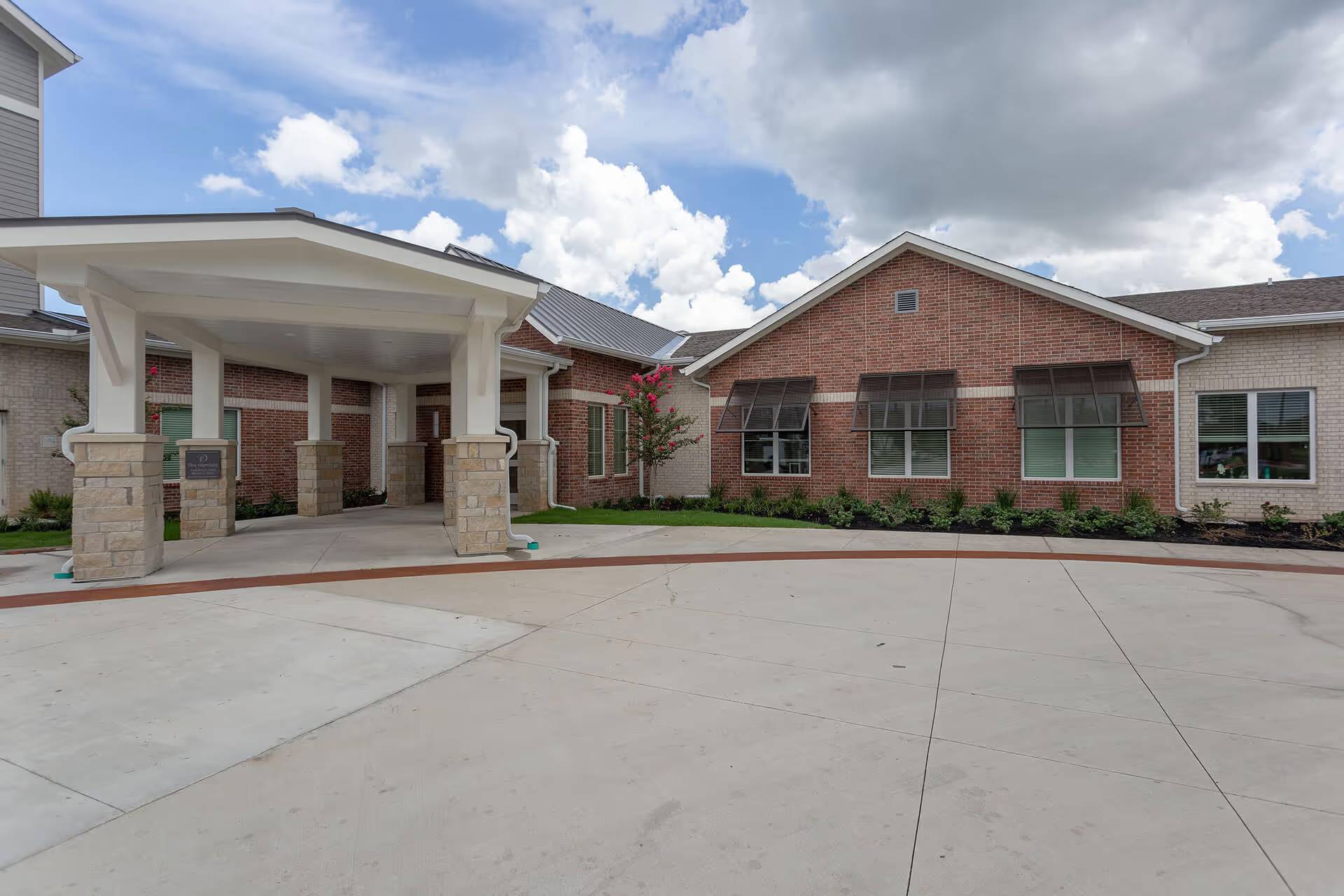
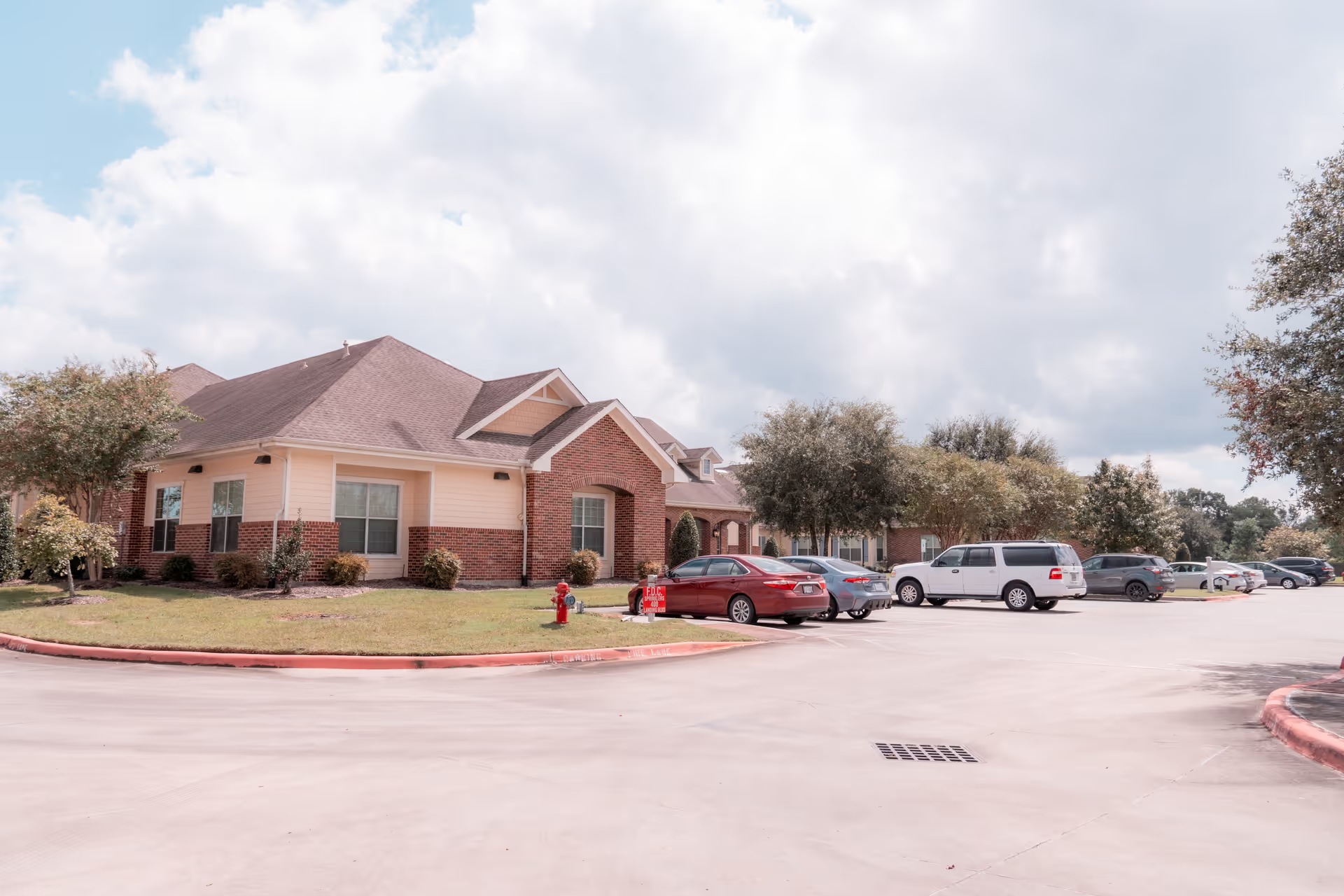
The Crossings Retirement Community is consistently described as a modern, well-maintained campus with hotel-like dining, attractive private apartments, and a broad continuum of care. Many reviewers praise the newly built facility, clean common areas, pleasant grounds, and spacious in-unit features such as private bathrooms and thermostats. The community offers multiple levels of care under one roof—independent living, assisted living, memory care, skilled nursing, and a rehabilitation center—making it convenient for residents who anticipate changing care needs.
Clinical and rehabilitative services are a clear strength in many accounts. Reviewers highlight 24-hour licensed nursing coverage, strong physical, occupational, and speech therapy teams, and attentive direct-care aides. Families and residents frequently cite skilled rehab outcomes, helpful therapy staff, and professional nursing personnel. Housekeeping, laundry, and other support services receive positive mention for responsiveness and helpfulness.
Dining and social programming are other prominent positives. Numerous comments describe restaurant-style meals, a diverse menu, and a lively activities calendar that includes social events, puzzles, gardening, and resident-led initiatives. The facility supports family involvement and offers visible opportunities for social engagement; several residents reported improved mood and increased social participation after moving in.
Despite these strengths, there are recurring operational concerns. Communication problems appear across several categories: delays in admissions and insurance authorization, missed or delayed callbacks from admissions or the director of nursing, and inconsistent daily communication to families. Staffing challenges—including use of contract or temporary workers and occasional understaffing—are linked in reviews to variability in care consistency. Reviewers also raised issues with medication and discharge coordination, and a few cited problems with timely medication provision at discharge.
Dining service contrasts: while food quality is often praised, some families reported long meal wait times and inconsistent service timing, indicating variability in operational execution. Training and shift-change handoffs were also identified as areas needing improvement, with reviewers noting that these gaps can create safety risks or inconsistent resident experiences. Management performance is described as mixed: some families commend conscientious, committed leadership, whereas others note gaps in accountability, front-desk responsiveness, and handling of family concerns. Isolated allegations of privacy breaches and restrictive visitation practices during infection-control events were raised and suggest the need for clearer policy communication and safeguards.
In summary, The Crossings offers strong physical plant, robust rehabilitative services, and an active, community-focused lifestyle that many residents and families value highly. Prospective residents should weigh those strengths against operational considerations—especially communication practices, staffing stability, medication/discharge coordination, and dining service consistency. Visiting in person, meeting the admissions and clinical leadership teams, and asking specific questions about staffing models, handoff procedures, and discharge/medication protocols will help families assess whether the facility’s operational practices align with their expectations for continuity and responsiveness of care.