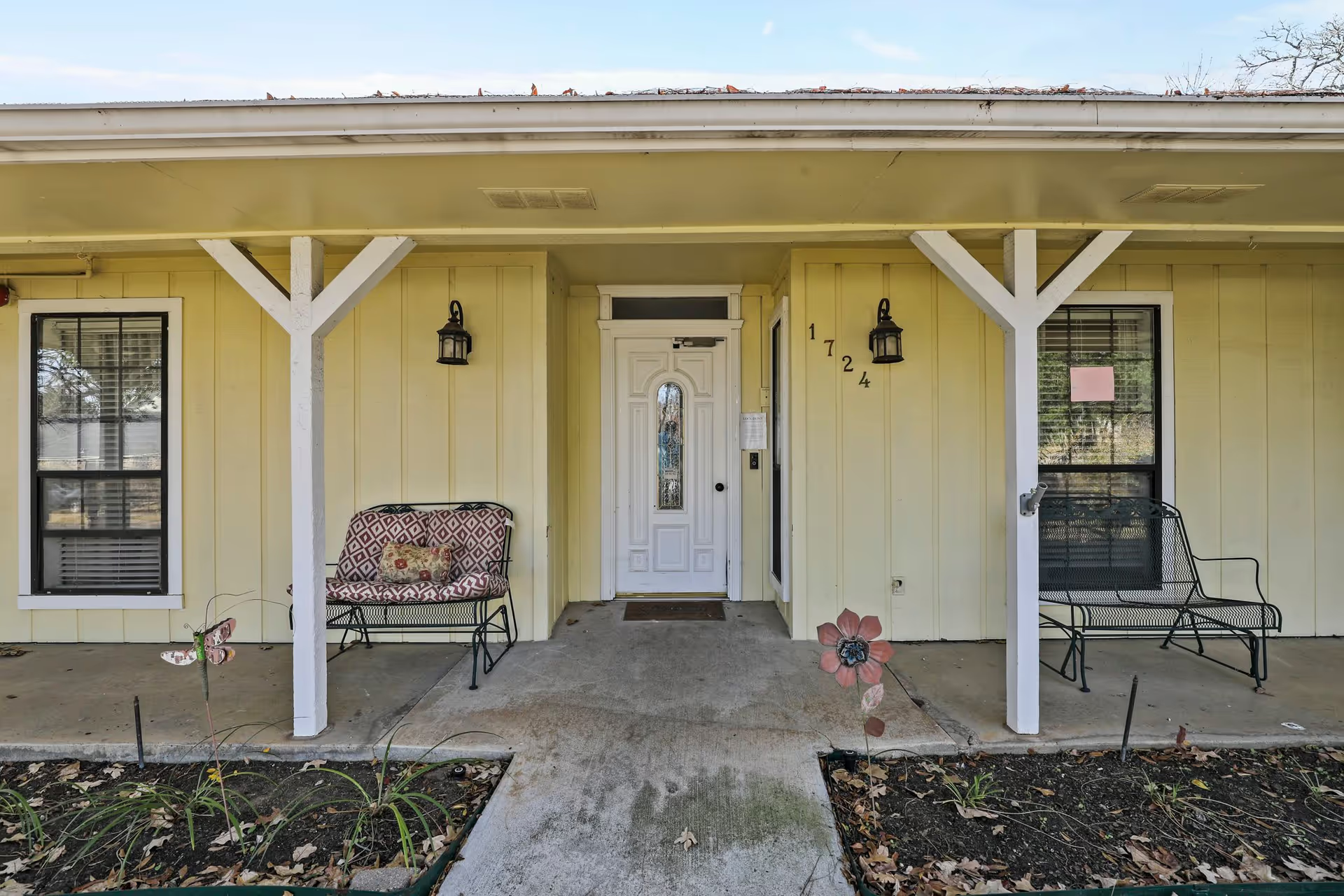
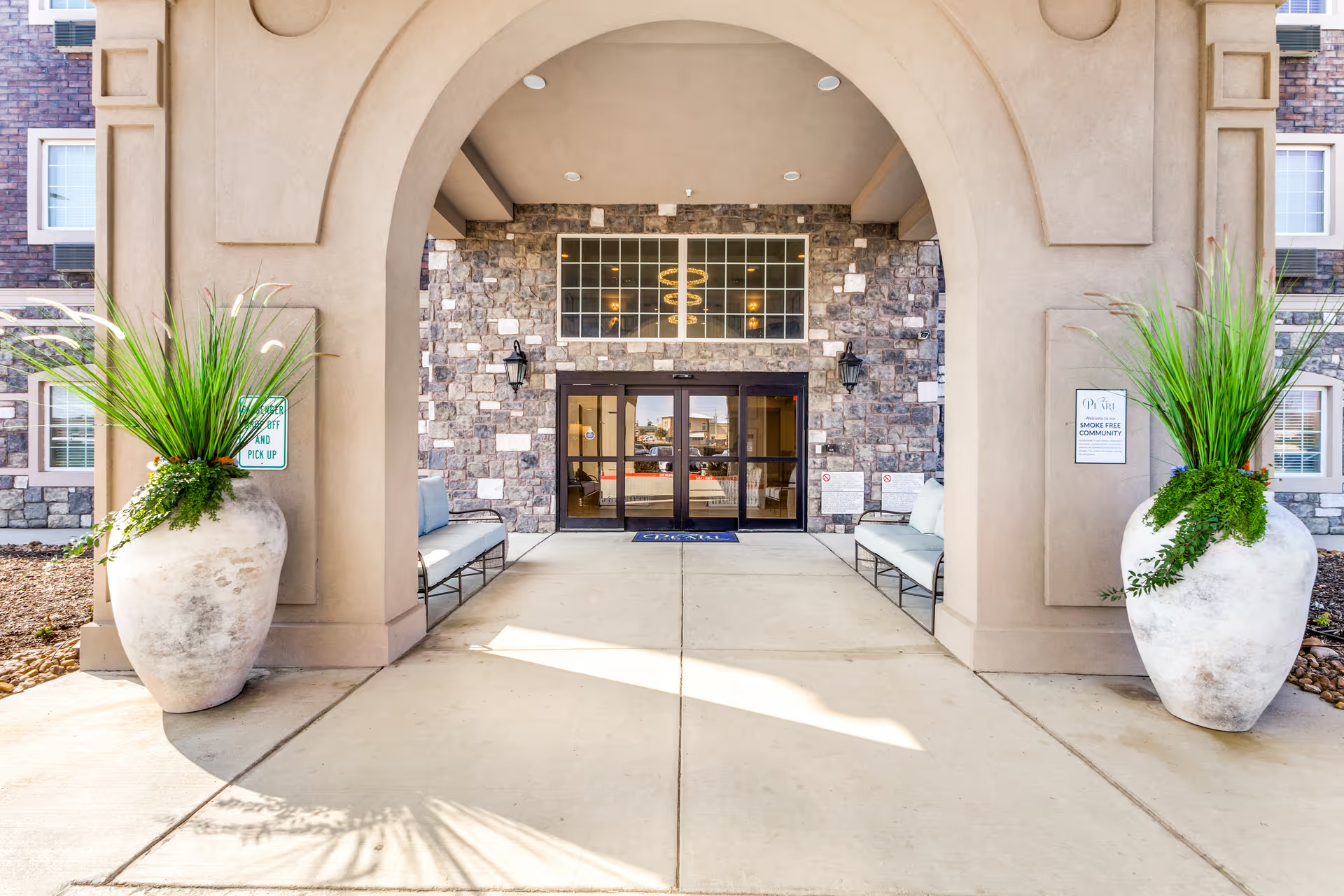
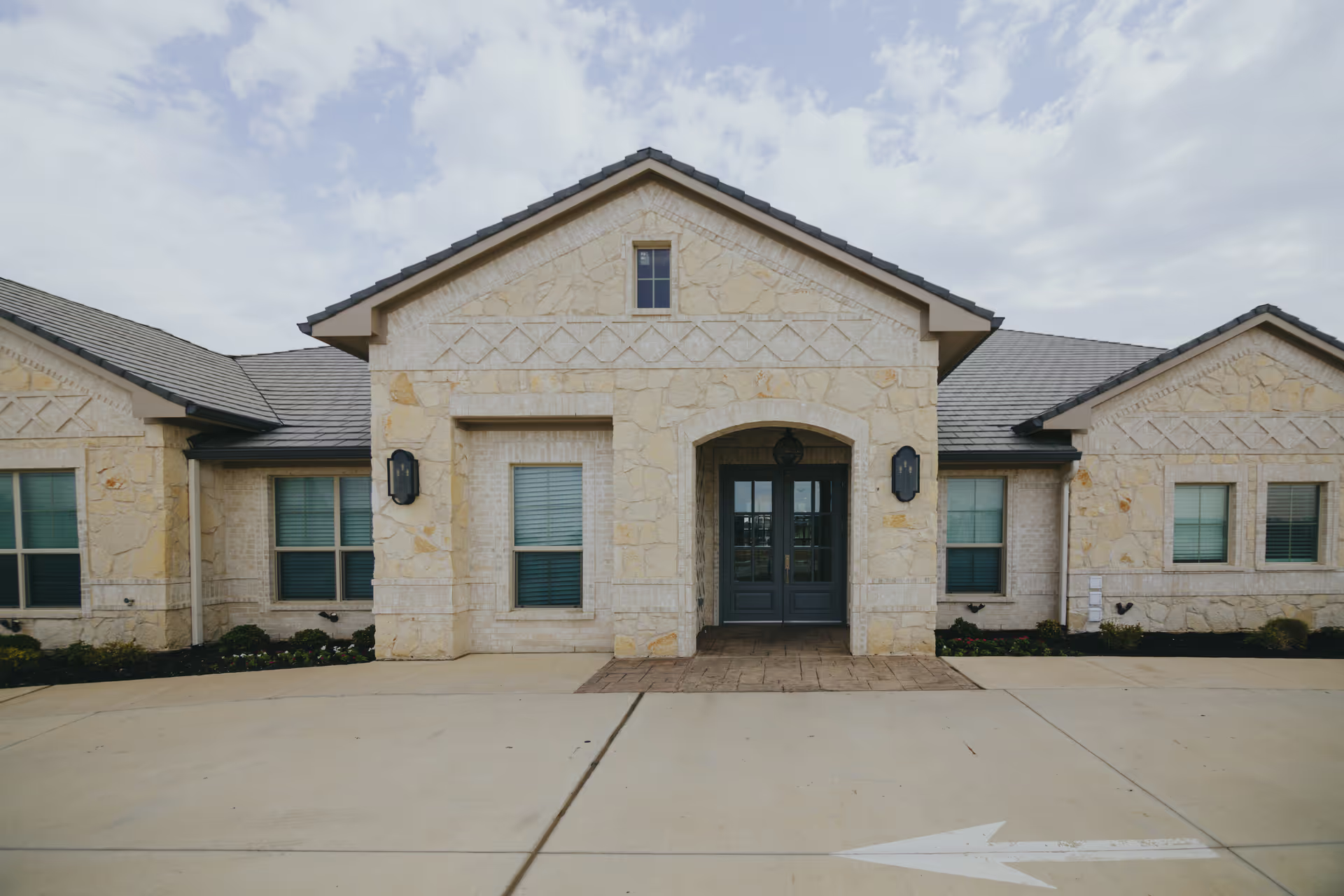
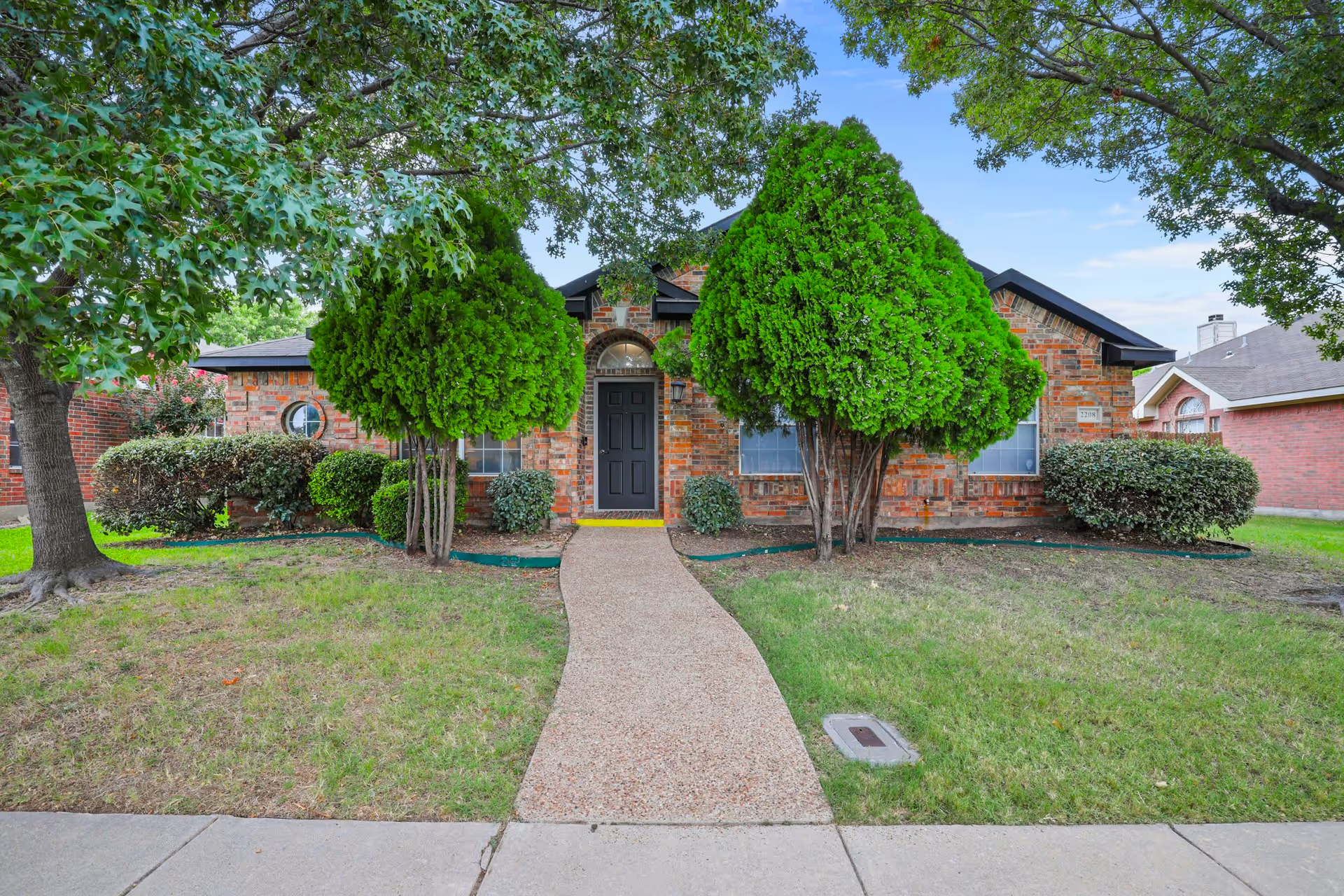
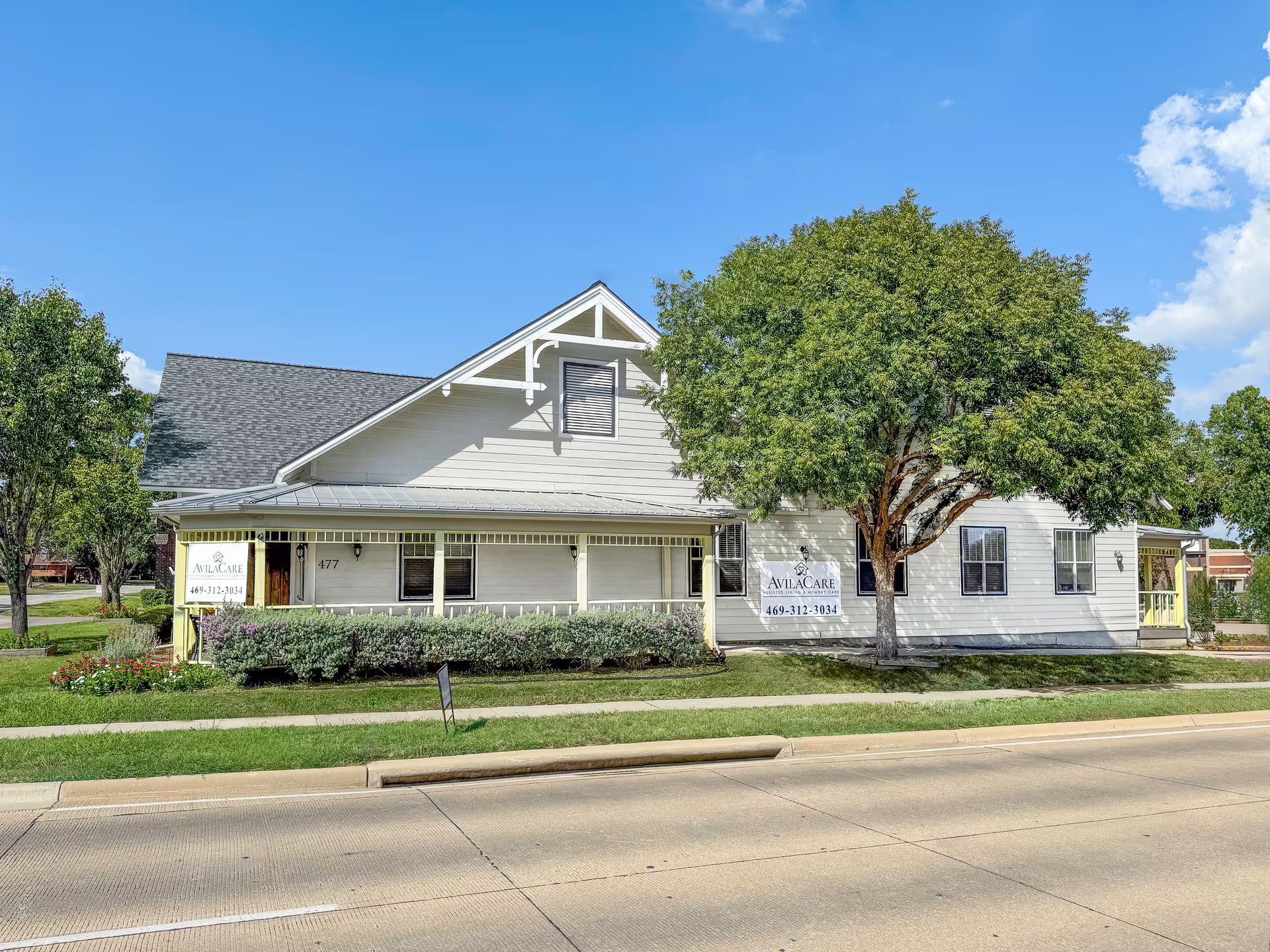
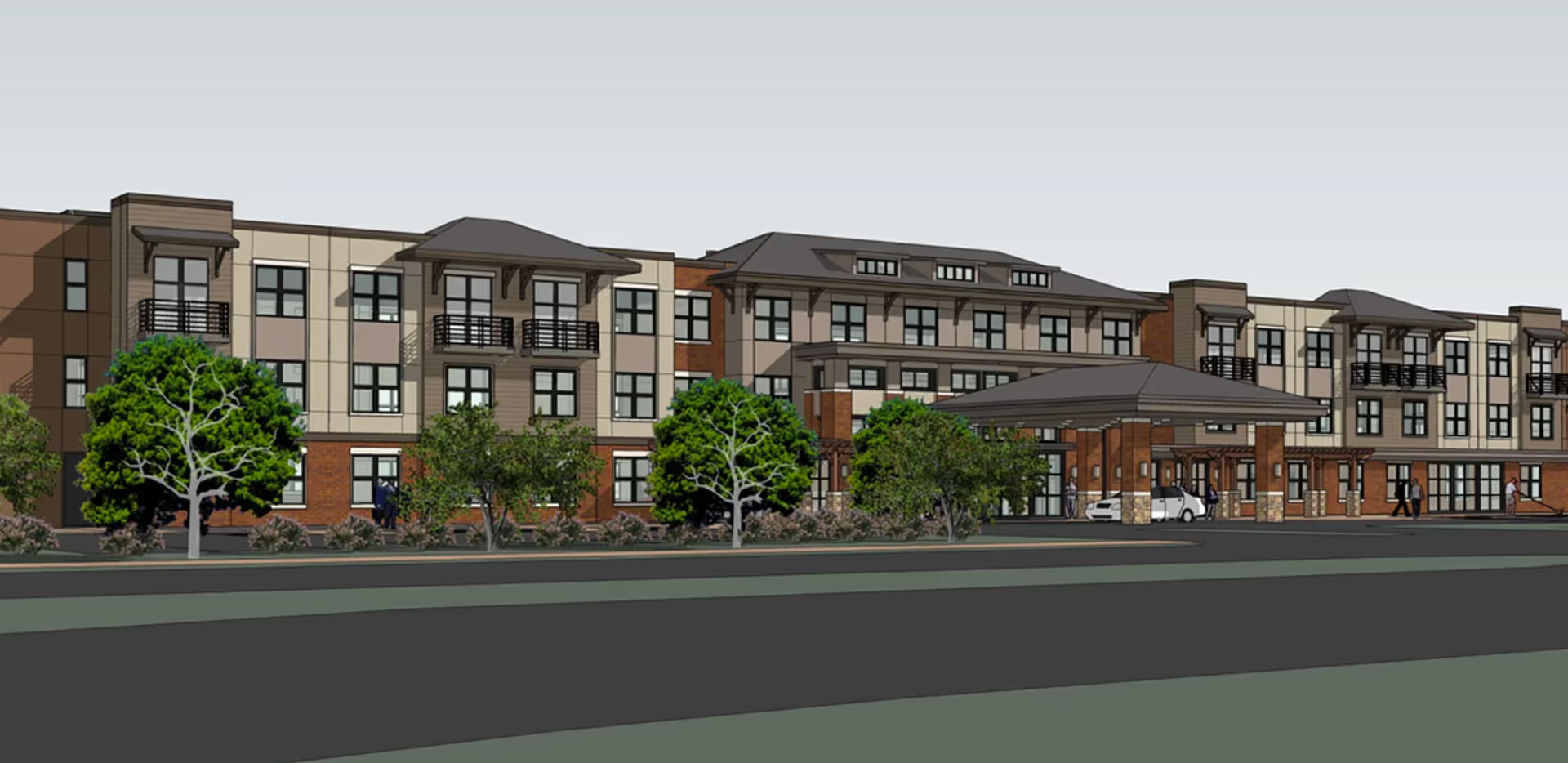
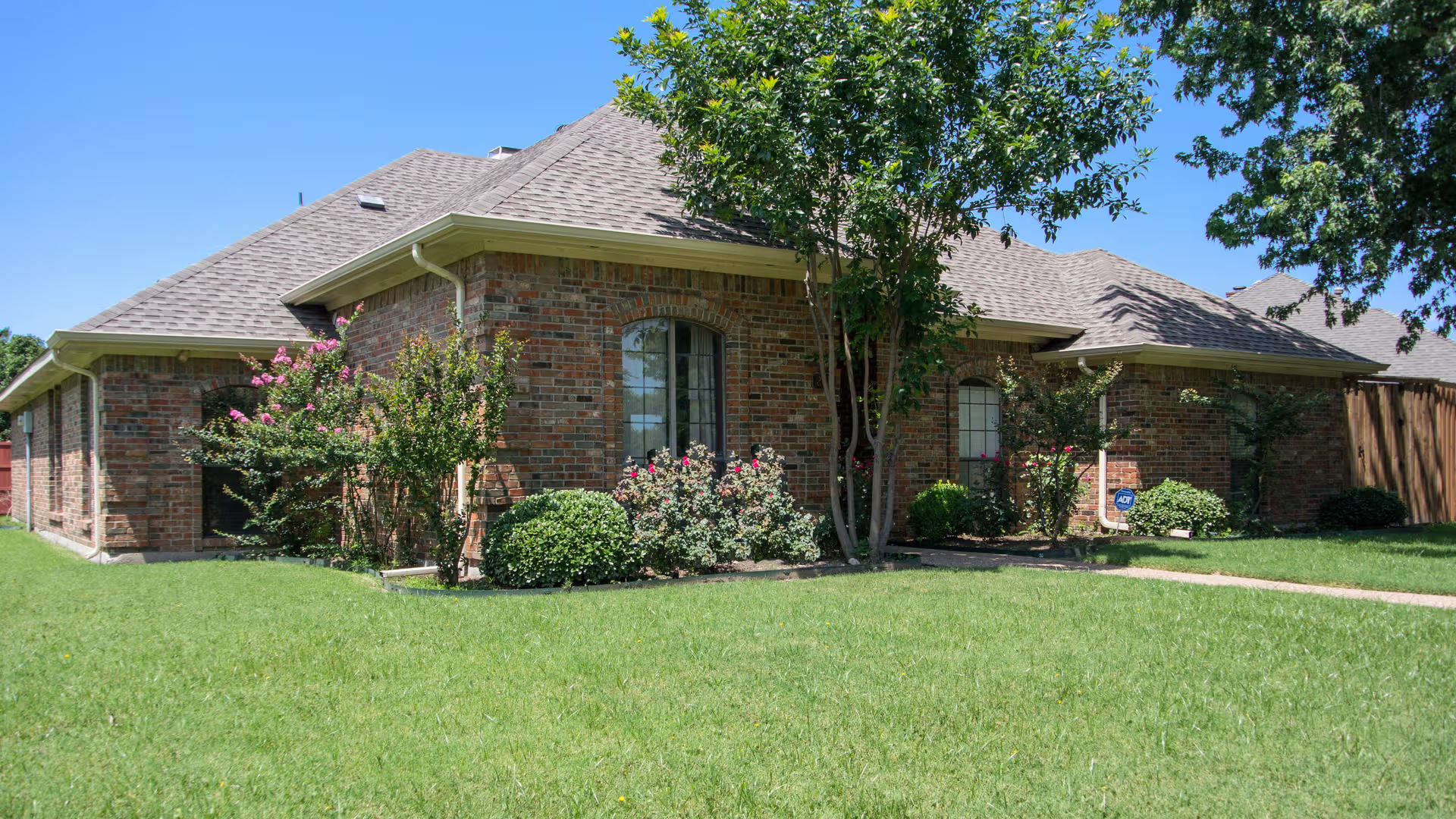
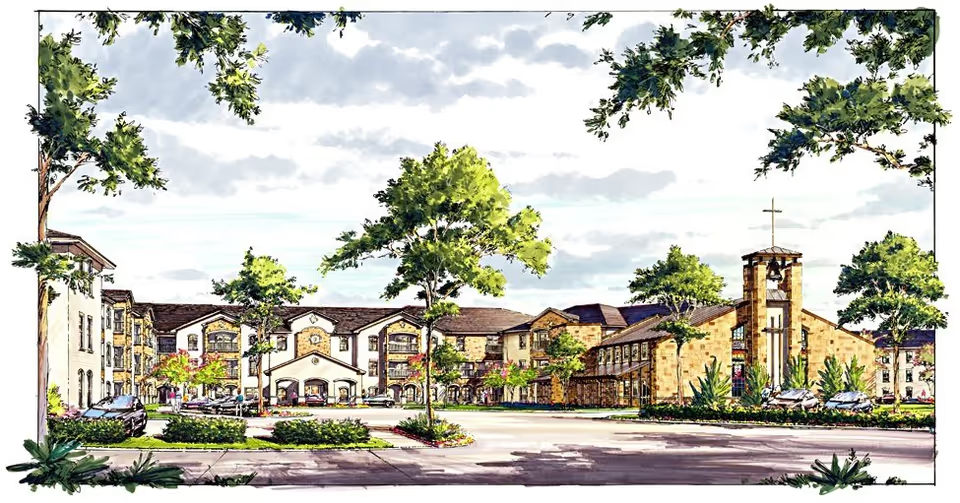
Rockbrook Assisted Living and Memory Care is described overall as a small, home-like memory-care–focused community with strengths in personalized, neighborhood-style care. Families frequently highlight a warm, family-oriented atmosphere, private bedroom layouts with shared common spaces, and secure outdoor areas that allow residents to move safely. The facility design and neighborhood model are consistently cited as supportive of dignity and autonomy for residents living with memory loss.
Care and staff performance emerge as the facility's primary strength. Reviewers emphasize compassionate, attentive caregiving, skilled nursing oversight, and a generally favorable staff-to-resident ratio that supports individualized attention. Several comments note effective support from leadership, helpful admissions staff, and strong communication with families during transitions. At the same time, there are recurring comments about staffing instability—high turnover and periods of being short-staffed—which families associate with reduced time-per-resident and occasional delays in non-urgent care tasks.
Dining and nutrition show mixed impressions. The community benefits from nutritional oversight and adaptive meal planning, and some families praise a new chef and improved food offerings, with special touches like an onsite soda shop. Conversely, other reviewers describe inconsistent meal quality tied to kitchen staffing changes, instances where caregiving staff covered kitchen duties, and a limited menu on occasion. These operational inconsistencies affect perceptions of value, particularly given the published price range.
Activities and social life are commonly cited as positives: live music, trivia, brain-stimulation programs, outings, and organized socialization contribute to resident engagement. Personalized touches such as hair and nail styling, one-on-one interest checks, and staff-led activities help residents feel known and valued. Activity staffing improvements were noted by families expecting broader or more frequent programming, especially when clinical staffing pressures increase.
Facility upkeep is generally seen as good, with multiple comments about a clean, bright interior and well-maintained common areas. However, maintenance and sanitation issues appear intermittently in reviews—examples include broken shower doors, odor concerns in resident rooms, and repair delays—which suggest unevenness in day-to-day facilities management. Safety-related observations include helpful central bathing areas and fall-reduction design features, but families also reported gap areas such as floor traction and transfer/fall-prevention practices that warrant attention.
Management and operational patterns present a mix of strengths and areas for improvement. Positive notes include responsive admissions, flexible fee handling during urgent moves, and clear family communication from some leaders. Critical patterns include inconsistent follow-up on family concerns, occasional unreturned calls, and the operational consequences of staffing instability (including having caregivers double as cooks). There are also serious, isolated allegations related to financial security for residents; these specific claims are elevated in nature and families considering placement should seek documentation and clarification of safeguards and investigative outcomes.
In summary, Rockbrook offers a warm, memory-care–oriented environment with many elements families value: caring staff, a neighborhood layout, engaging activities, and strong nursing presence. Prospective residents and their families should weigh those strengths against operational patterns noted in reviews—chiefly staffing variability, sporadic maintenance and sanitation issues, and mixed dining consistency—and ask targeted questions during tours about staffing levels, kitchen organization, maintenance response times, fall-prevention protocols, and financial safeguards before making a placement decision.