Overall impression: Golden Age Home Assisted Living is characterized by consistently strong interpersonal strengths — reviewers frequently describe compassionate, attentive staff, a family-like atmosphere, and leadership that communicates proactively. The community benefits from engaged activity staff, volunteer involvement, and regular special events that contribute to social connection. Several accounts highlight the facility’s nonprofit history and long-standing community presence, which supports a sense of continuity and local engagement.
Care and staff: Care quality is the facility’s most-cited strength. Reviewers emphasize personalized, resident-centered care, staff familiarity with residents’ histories and preferences, and an organizational culture that prioritizes dignity. Executive-level communication and responsiveness are repeatedly praised; families report clear updates and problem resolution when leadership is involved. At the same time, there are operational concerns consistent with intermittent staffing shortages and variable staff coverage, which some reviewers linked to delays in attention and uneven service levels.
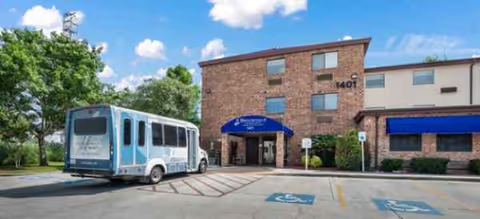
Dining and clinical services: Dining receives generally favorable comments: reviewers note nutritious meal choices, ample portions, and polite cafeteria staff. The community also provides practical clinical supports — hospice-capable services, PT/rehab availability, and transportation for appointments — and adapted practices during infectious outbreaks, including telehealth and precautionary transport options.
Activities and engagement: Activity programming is frequently described as energetic and meaningful; reviewers cite holiday events, intergenerational activities, and a full calendar that fosters camaraderie. Volunteer engagement and organized events such as Easter celebrations are highlighted as strengths. However, there is variability in activity delivery across time or wings of the building; some accounts describe minimal programming in specific units, suggesting inconsistent implementation rather than a lack of programming overall.
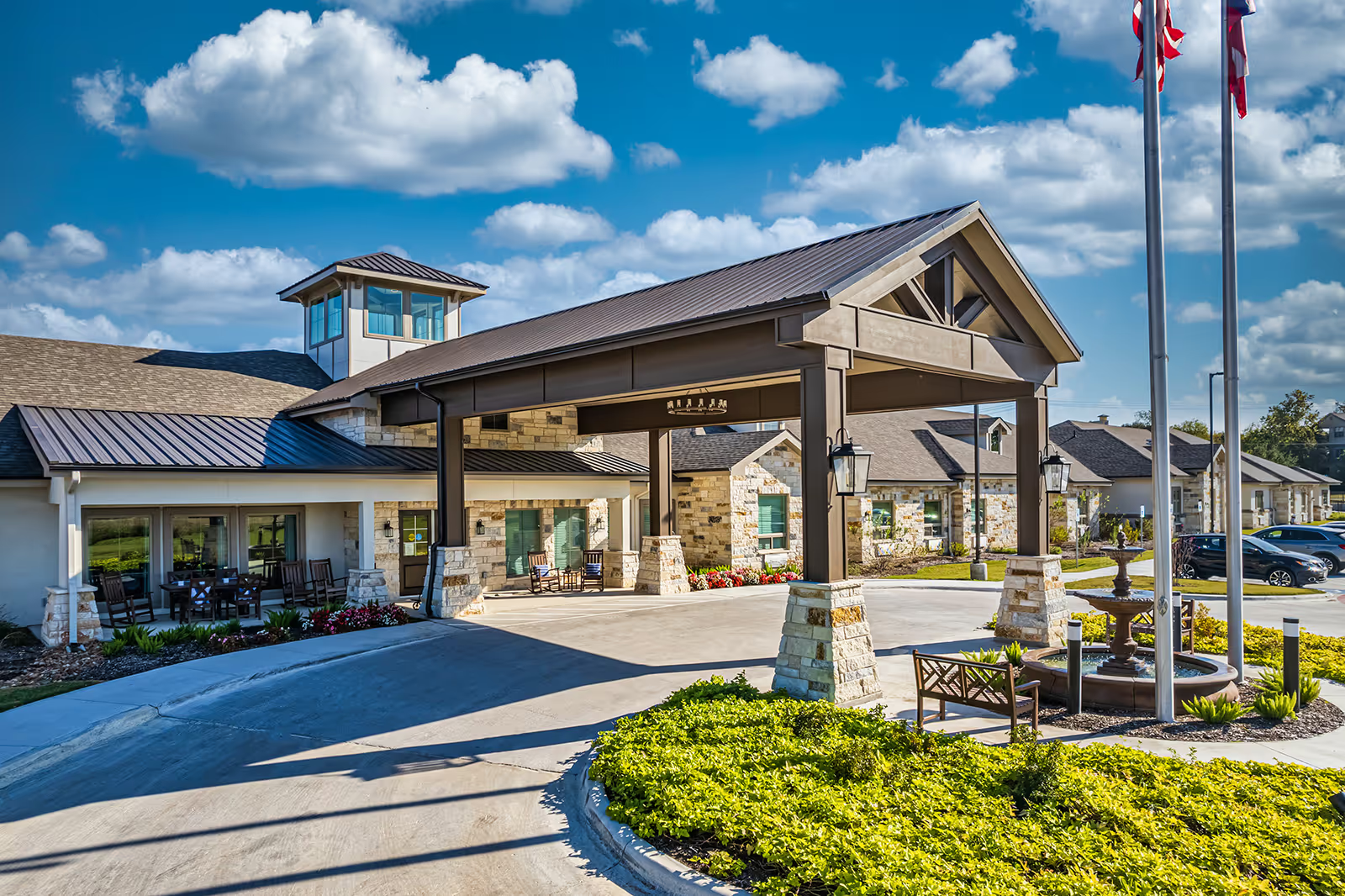
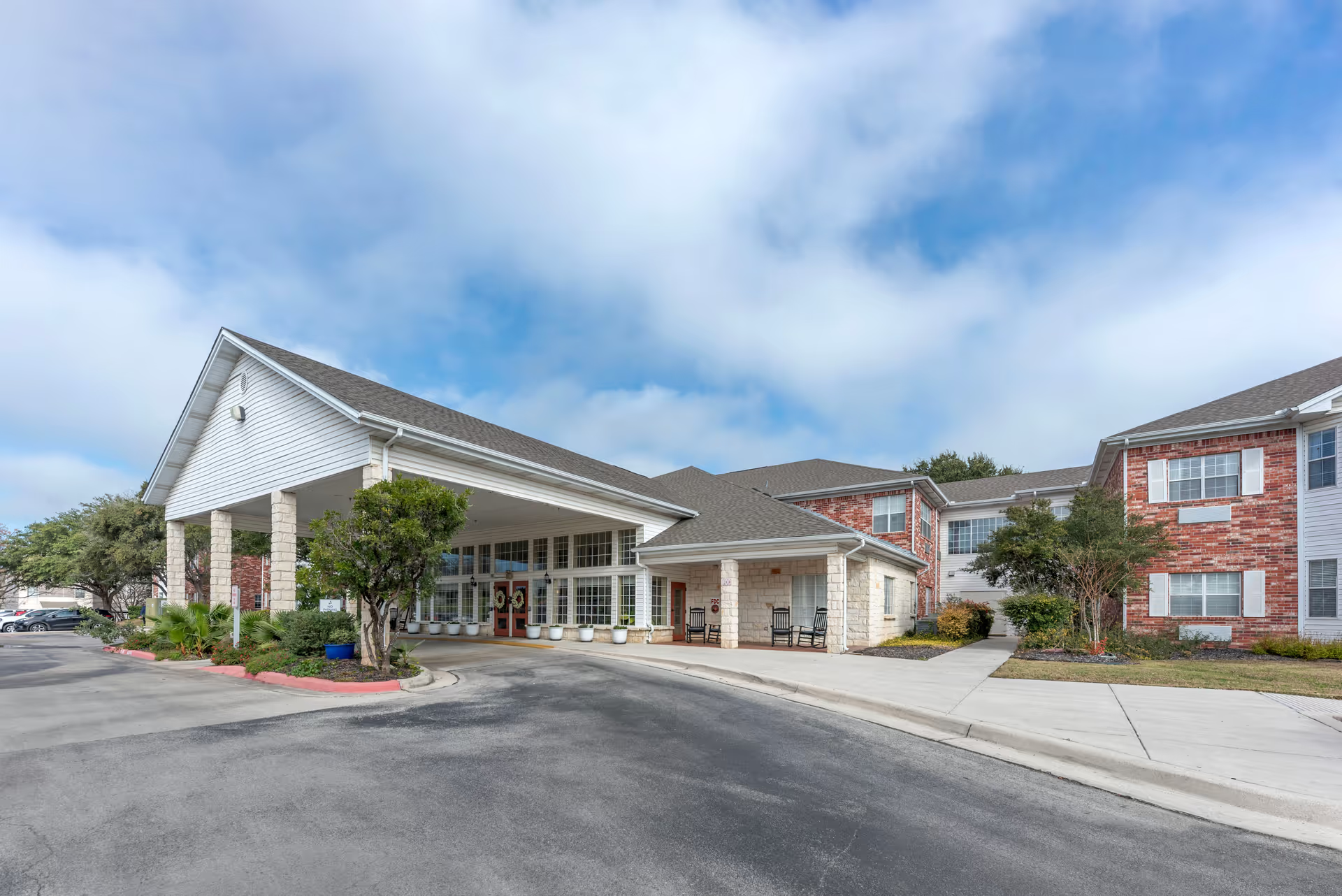
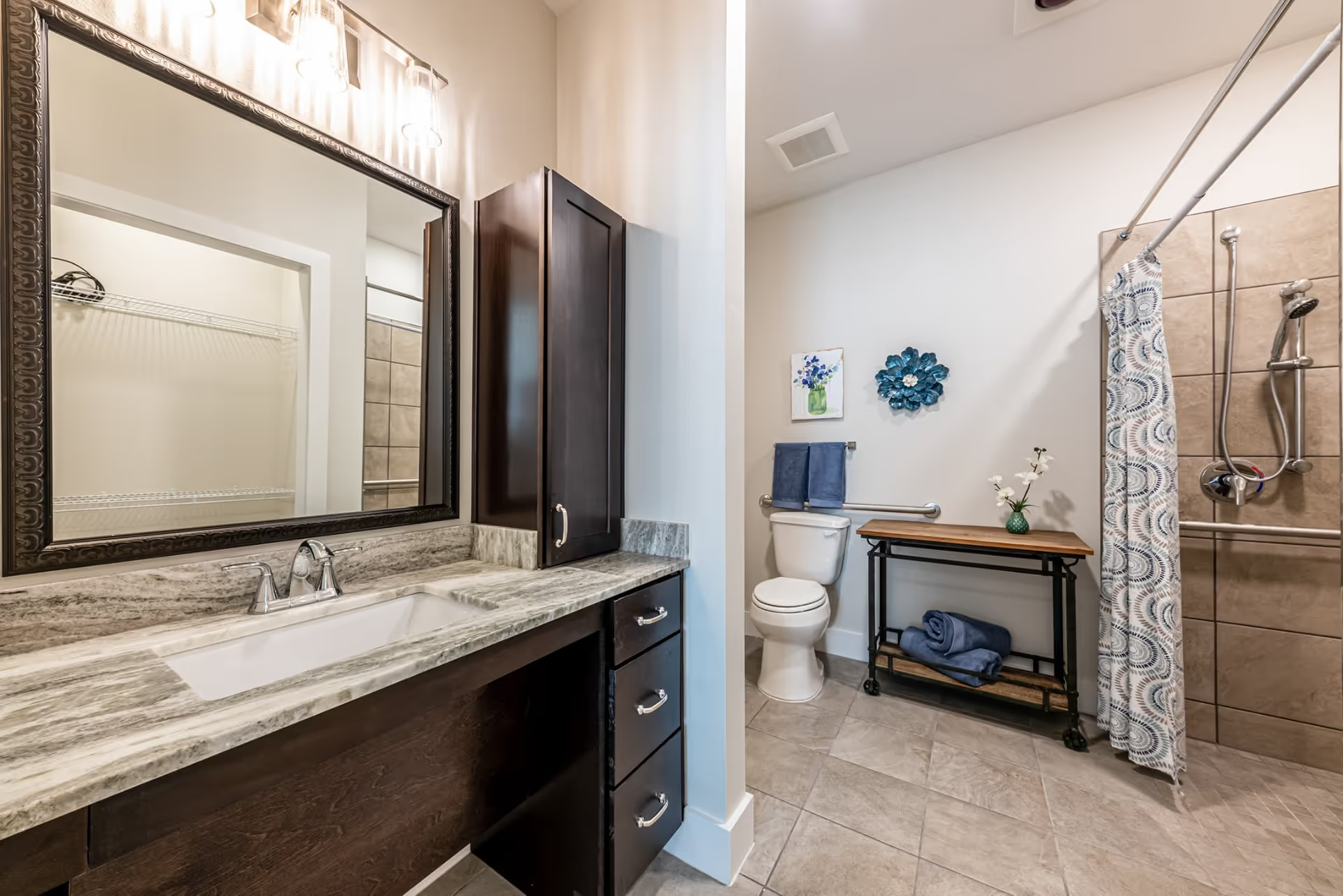
Facilities and maintenance: A recurring pattern concerns the facility’s physical condition. Multiple reviewers describe an aging building with dated decor, small rooms, and limited private-bathroom availability; some units offer half baths or shared hallway showers rather than fully private, accessible bathrooms. Several comments indicate odor concerns, pest-control issues, and housekeeping or maintenance lapses in particular areas. While common areas and grounds are often noted as well kept, the infrastructure and room-level maintenance appear uneven and may not meet all families’ expectations for modern assisted-living accommodations.
Management and patterns to watch: Management and leadership are frequently praised for communication and responsiveness, and many families credit leadership with addressing issues when raised. Nonetheless, there are intermittent complaints about administrative coordination (for example, missed tour appointments or staff no-shows) and inconsistent follow-through on maintenance or scheduling. These operational inconsistencies, combined with staffing variability and an older physical plant, create the primary areas of concern.
Bottom line: Prospective residents and families should weigh the facility’s clear strengths in compassionate, personalized care, active programming, and community-oriented culture against trade-offs related to an aging building, room size and bathroom availability, and episodic maintenance, sanitation, and staffing challenges. For families prioritizing interpersonal care quality, community involvement, and affordability, Golden Age Home may be a strong fit; for those seeking newer facilities with consistently modernized rooms and universally accessible bathrooms, a focused tour and direct questions about maintenance, pest control, and staffing patterns are recommended prior to decision-making.