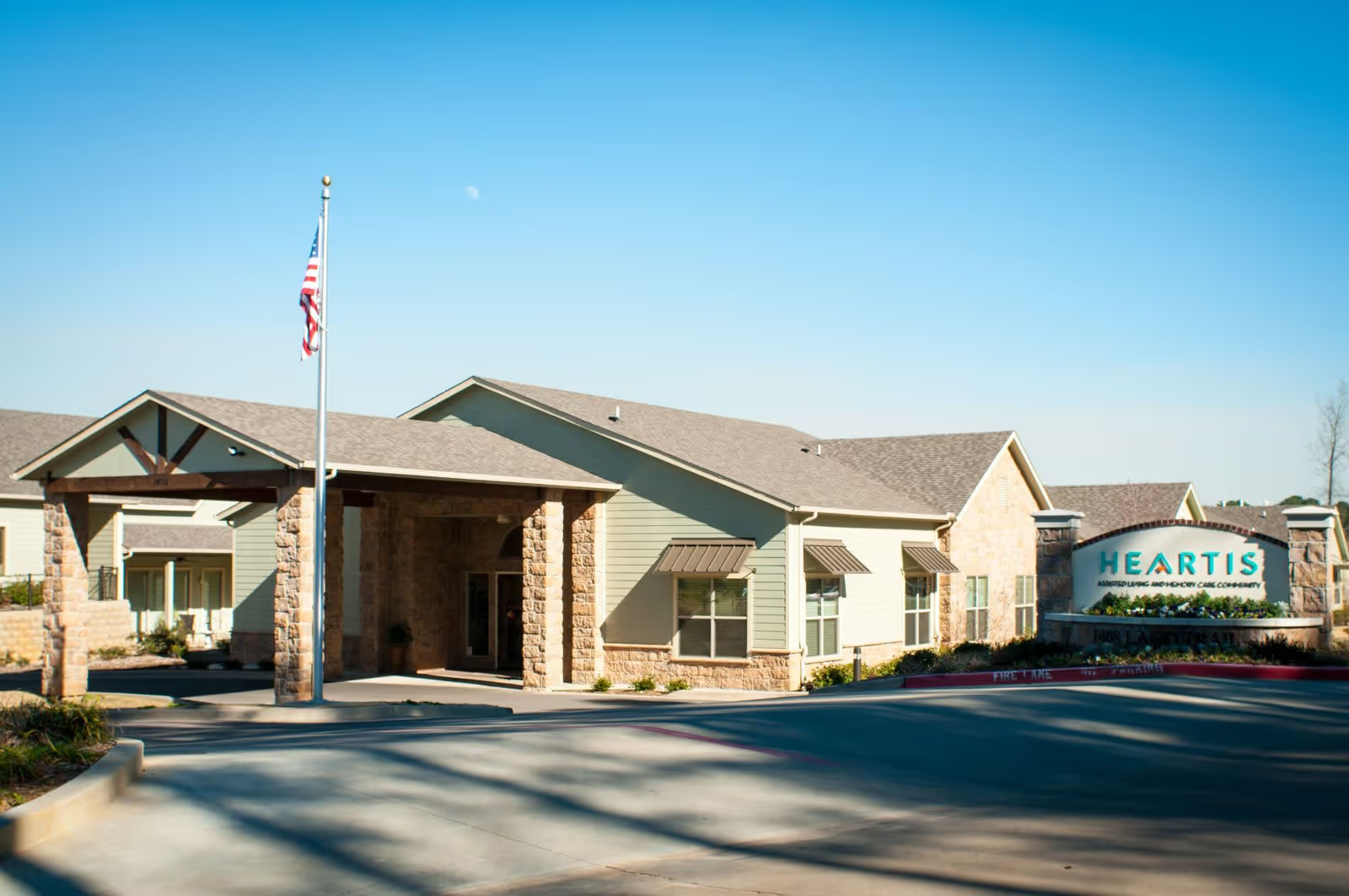
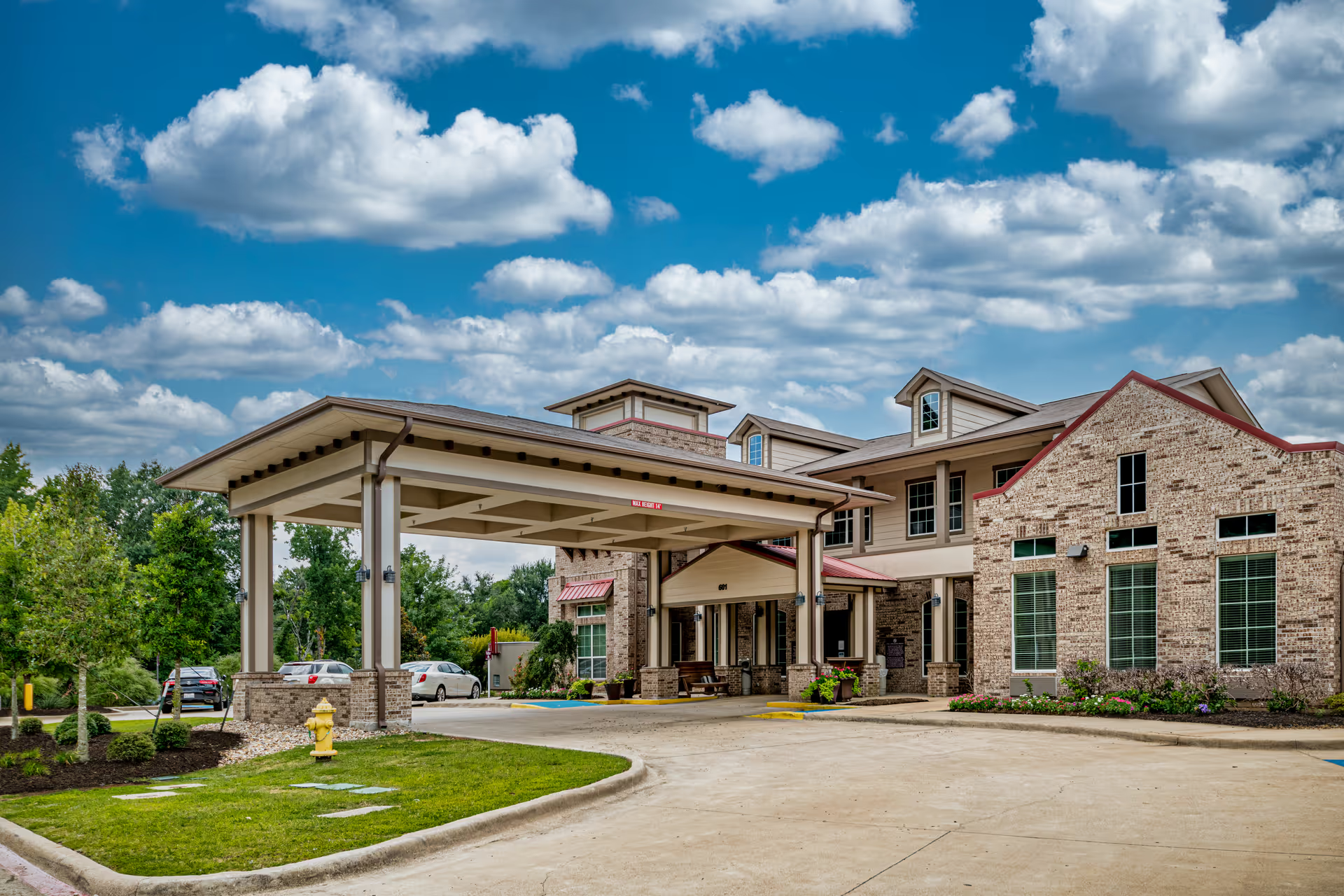
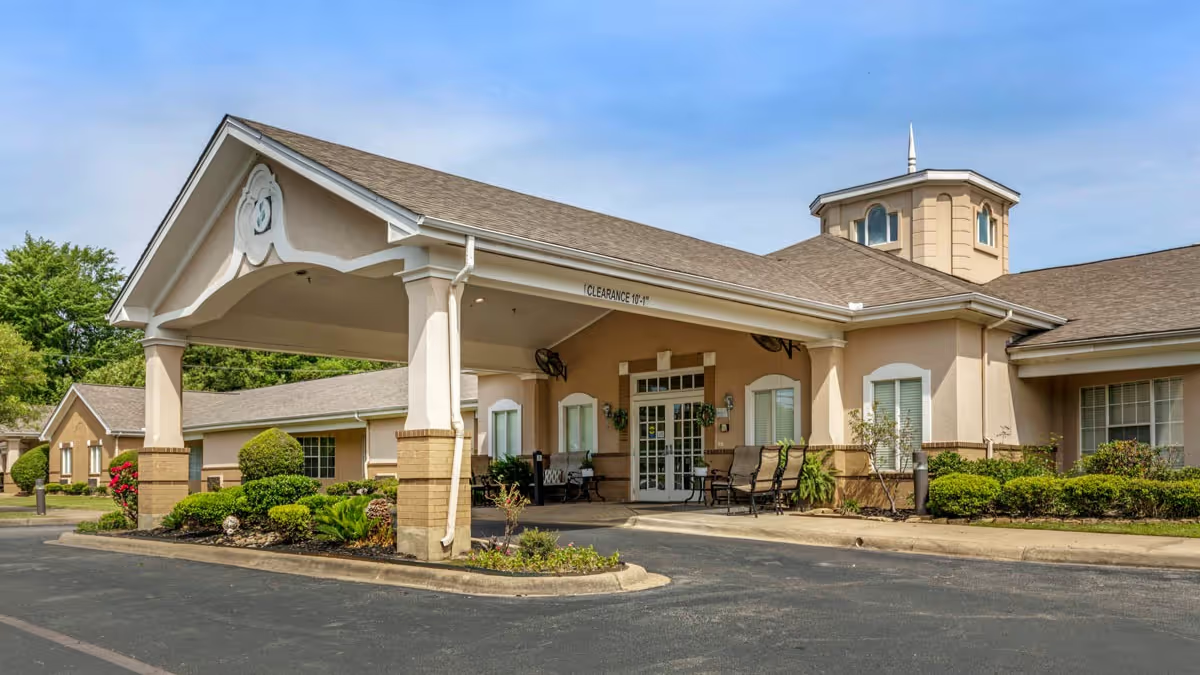
Reviewer feedback for Pine Tree Lodge Nursing Center is highly polarized: many families praise the staff, therapy outcomes, and the facility’s clean, home-like environment, while a distinct set of reviews raises operational and clinical concerns. The facility demonstrates clear strengths in direct caregiving and rehabilitation services, but several recurring themes warrant attention for prospective residents and families.
Care quality and nursing: Numerous accounts highlight compassionate, professional nursing staff and continuity of assignment that support good clinical outcomes for many residents. Several reviewers credited the team with effective post-acute rehabilitation and successful recovery trajectories. However, there are repeated concerns about delayed clinical assessments and slow initiation of medical treatment in other cases. These issues include delays in evaluations and medication administration timing inconsistencies, which can affect symptom control and family confidence.
Therapy and rehabilitation: Therapy services are described as effective and instrumental in many successful discharges and recoveries; families frequently note helpful follow-up and twice-daily PT when it is provided. At the same time, there are critiques of inconsistent therapy performance and questions about departmental oversight and productivity practices. The presence of an allegation regarding financial or therapy-related misconduct is serious and should prompt direct inquiry into current supervision, auditing, and compliance practices.
Dining and activities: The facility’s activities program receives positive marks for engagement — bingo, singing groups, and pastoral visits are frequently mentioned as meaningful offerings. Dietary management is also noted for strong leadership and some higher-quality menu items. That said, reviewers report variability in meal appeal and menu variety, with some describing repetitive or bland meals. Prospective residents should ask about current menus and accommodations for preferences.
Facilities and maintenance: Many reviewers describe a clean, recently remodeled, home-like interior with responsive maintenance staff addressing issues when identified. Conversely, other accounts indicate uneven room amenities (small rooms, limited in-room entertainment/phone access) and inconsistent upkeep of furnishings and mattresses in some units. Sanitation and housekeeping practices are reported as generally good by some and inconsistent by others, with isolated odor and sanitation concerns noted; prospective residents should inspect specific rooms and inquire about housekeeping schedules.
Management, communication, and transparency: Positive comments cite knowledgeable leadership, smooth admissions, and helpful therapy communication. Yet several reviews raise concerns about administrative responsiveness, social-work availability, and transparency around medical records and bed eligibility. Families also referenced regulatory scrutiny (a cited quality-of-care action and a complaint filed with authorities in one instance). Those factors suggest potential variability in administrative processes and corrective actions over time.
Notable patterns and recommendations: The facility has demonstrable strengths in caregiving, therapy outcomes, and a welcoming physical environment; many families would recommend the center. At the same time, recurring operational weaknesses—staffing variability, episodic delays in clinical response, inconsistent housekeeping, uneven therapy oversight, and administrative communication gaps—appear frequently enough to merit direct evaluation during a tour. Prospective residents and families should review recent regulatory findings and corrective-actions, ask about current staffing ratios and clinical protocols, confirm therapy oversight and compliance measures, inspect specific rooms for amenities and maintenance, and discuss meal options and infection-control practices before deciding.