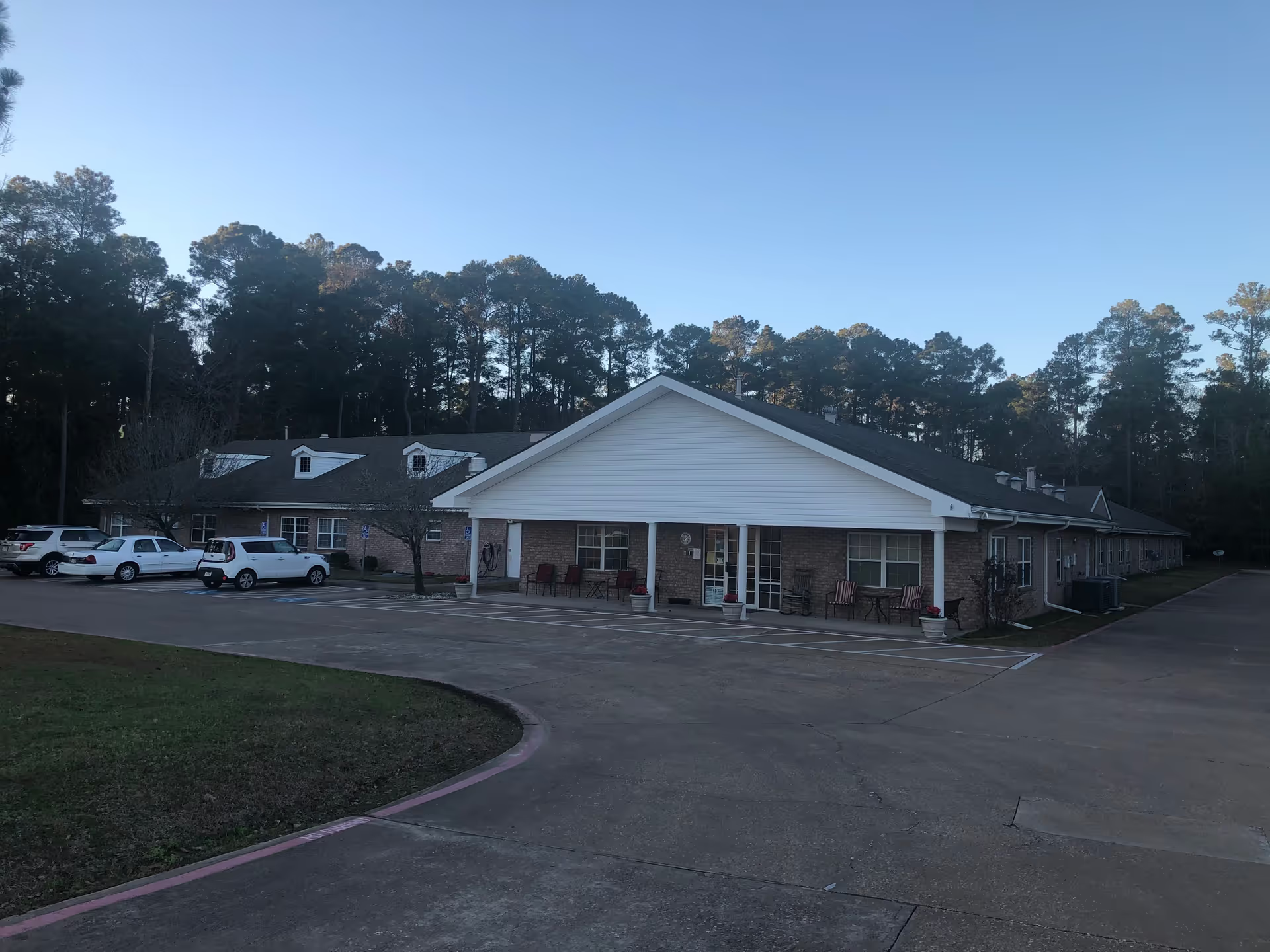
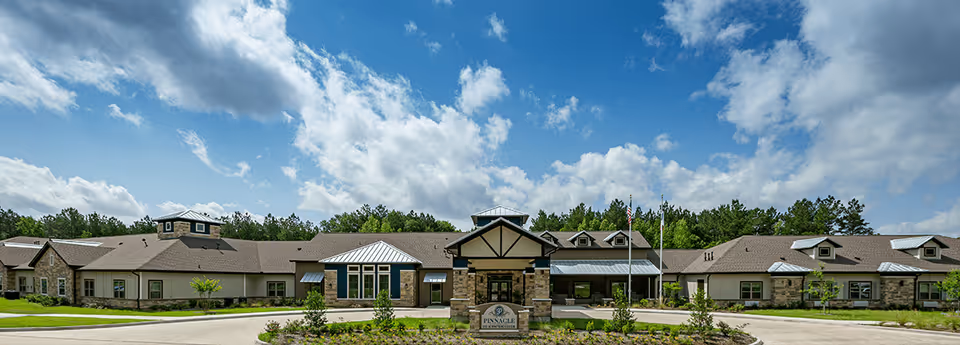
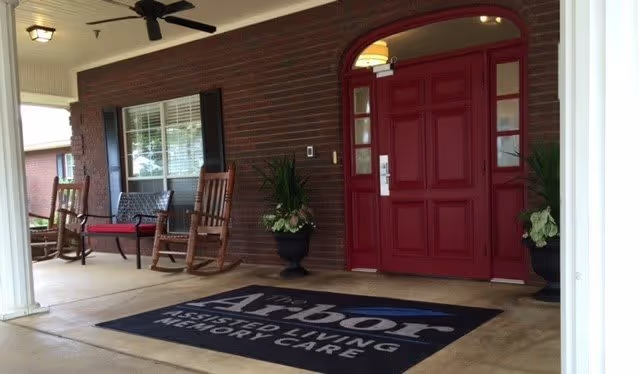
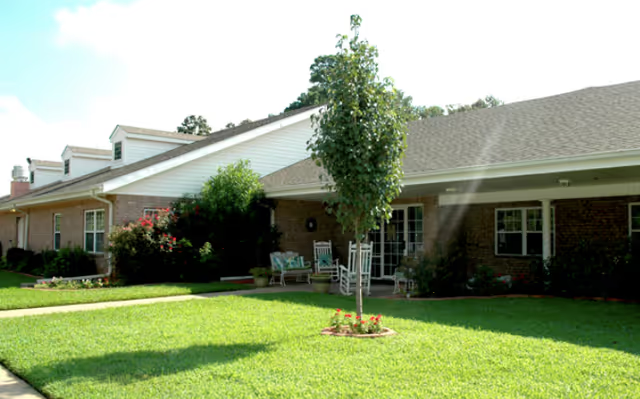
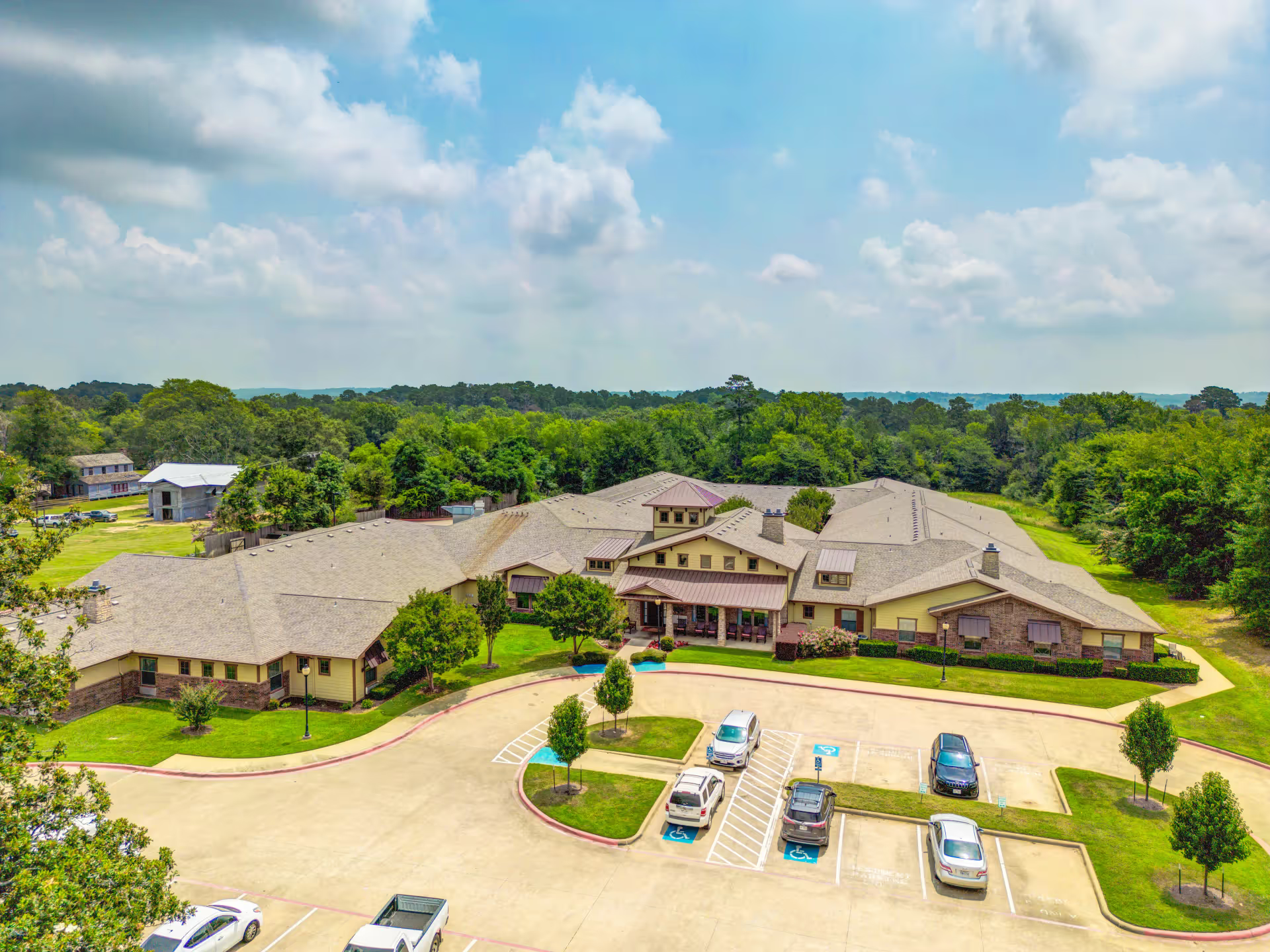
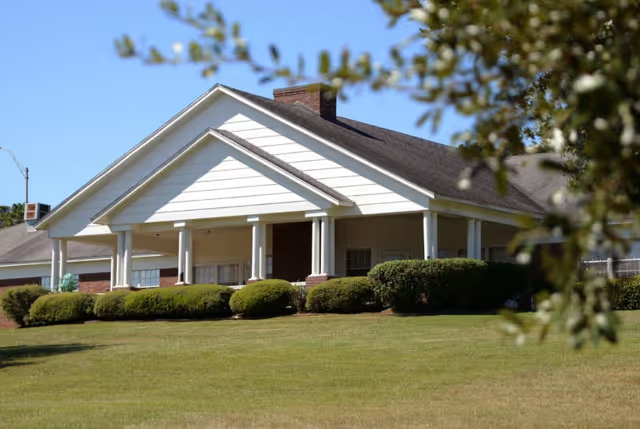
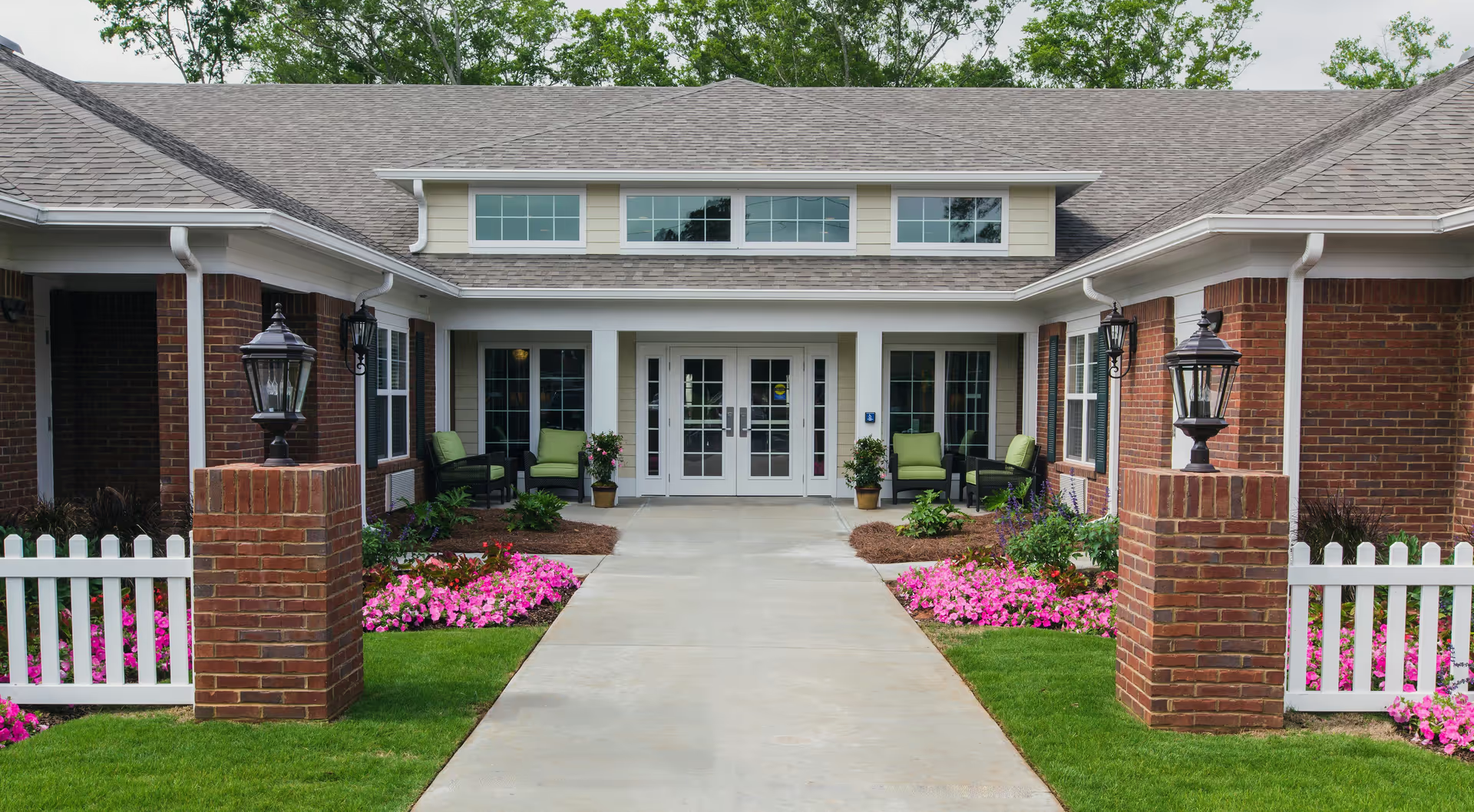
Reviewer feedback presents a mixed but thematically consistent picture. Strengths center on the facility’s therapy and rehabilitation services, with multiple accounts of effective physical, occupational, and speech therapy that aided mobility and functional gains. Wound care and some aspects of nursing were also identified as strong. The facility’s physical environment and amenities receive frequent praise: clean, well-maintained rooms, attractive decor, on-site gardens, chapel and dining areas, private-room options with kitchenettes, and common spaces such as game rooms that support a homelike atmosphere. Admissions and front-desk staff are frequently described as welcoming and informative, and administrative staff are often credited with timely issue resolution.
Care and staffing are a central area of divergence. Numerous reviewers described compassionate, attentive caregivers and positive nurse interactions, but there is a clear pattern of variability: staffing shortages and inconsistent coverage appear to contribute to uneven experiences across shifts and units. This variability corresponds with accounts of delayed clinical response, delays in medication delivery or blood-sugar checks, and uneven nursing oversight. Several families also described limited availability of clinical leadership at the bedside and slow physician attention, which compounded concerns about timely clinical management.
Dining and environmental services show both positives and operational gaps. The dining area and some meals were described favorably, and staff in recreation and dining can be engaging; however, reviewers also noted inconsistent meal temperatures, menu inaccuracies, and occasional food-safety and preparation concerns. Housekeeping and sanitation were praised in many accounts but criticized in others for lapses such as unclean carpets, concerns about ventilation/filters, and inconsistent room cleaning. These mixed observations suggest variability in environmental-service performance rather than a uniform standard.
Communication, discharge coordination, and financial navigation emerged as recurring operational issues. Families reported confusion around discharge timing, delayed notifications to decision-makers, and difficulty resolving billing or insurance coverage constraints; a few reviewers indicated that financial or insurance matters affected length of stay. There are also isolated but serious concerns about infection-control practices and staff conduct that merit attention and, where appropriate, formal follow-up.
Overall, the facility demonstrates clear strengths in rehabilitation, many aspects of nursing and wound care, and in creating an appealing, activity-rich environment. At the same time, persistent themes of inconsistent staffing, variable housekeeping and dining practices, communication gaps with families, and uneven clinical oversight suggest operational areas for improvement. Prospective residents and families should weigh the facility’s strong therapy and amenities against the variability in day-to-day operational reliability, and consider meeting with leadership to discuss staffing patterns, discharge procedures, medication-safety protocols, and billing/insurance processes before admission.