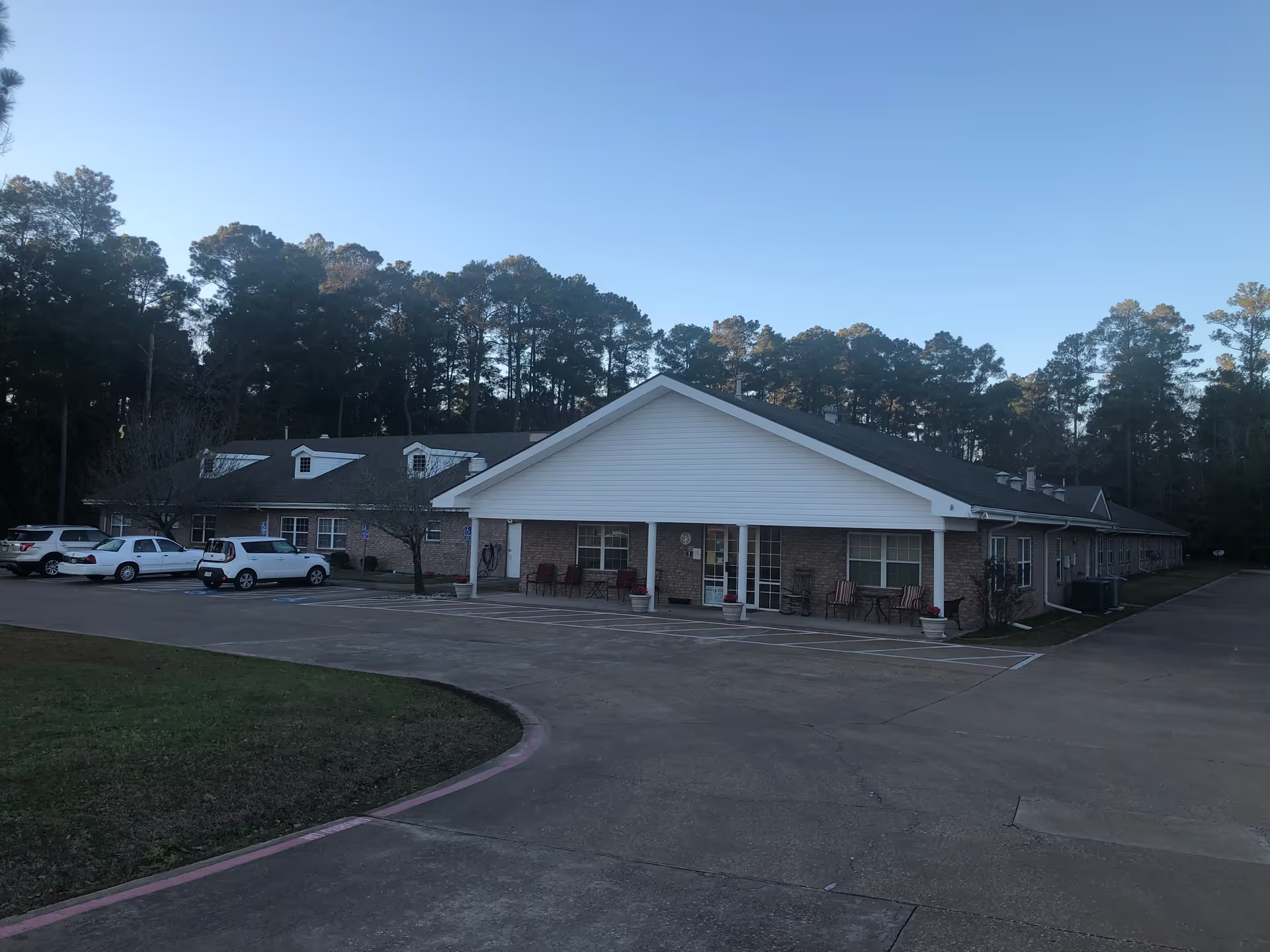
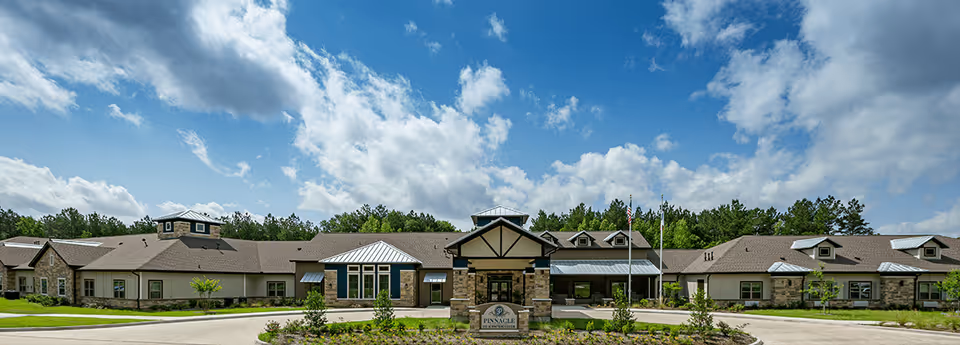
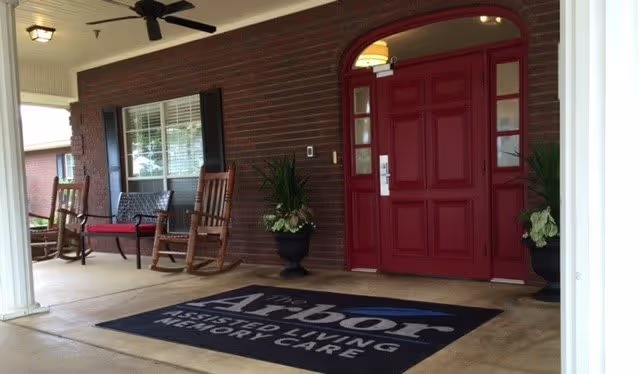
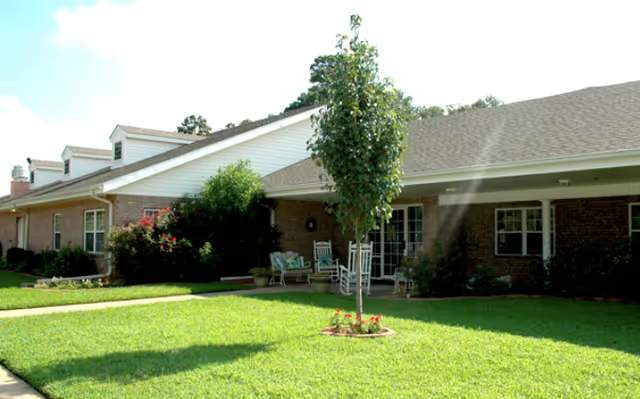
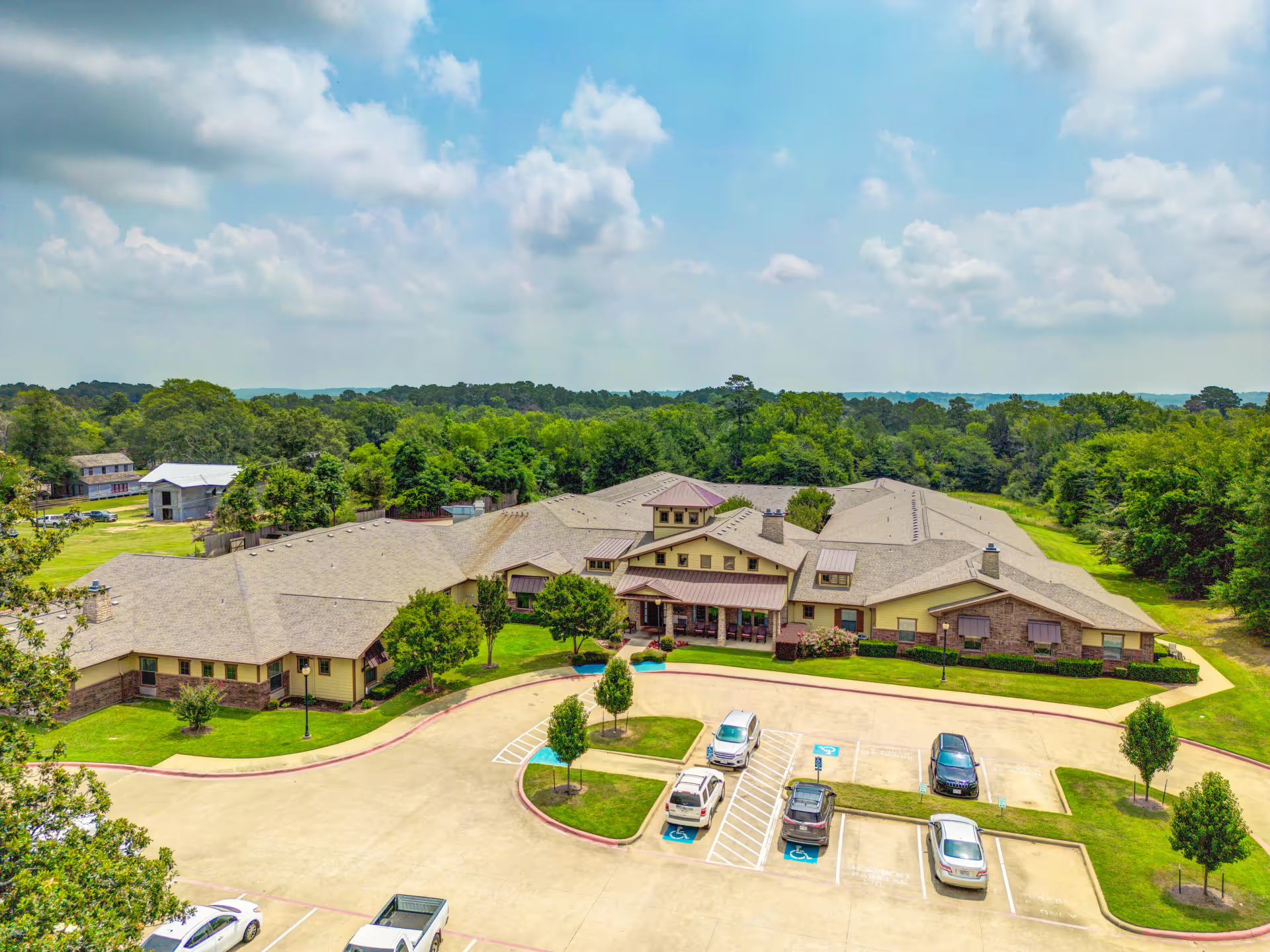
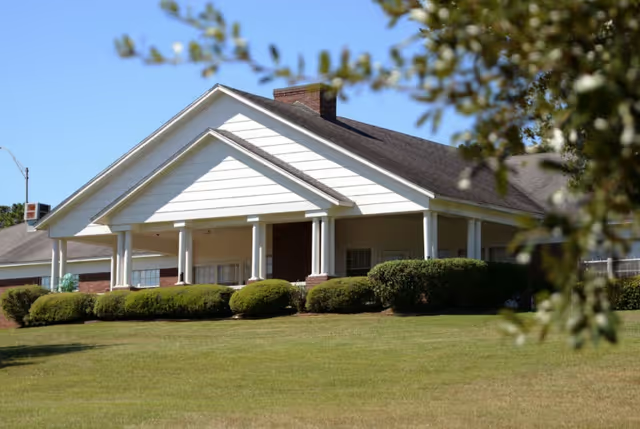
Parkwood in the Pines presents a mixed picture: reviewers describe a facility with clean, modern spaces, a home-like atmosphere, and a strong therapy program alongside notable operational inconsistencies. Many families praised visible positives such as compassionate bedside nursing, an engaged therapy team, pleasant dining, attentive support staff (front desk, housekeeping, kitchen), and responsive admission and nursing leadership. The building condition, room layouts, and overall cleanliness are repeatedly described as strengths that contribute to resident comfort and a welcoming environment.
Care quality descriptions vary. Positive accounts highlight attentive nursing, individualized therapy, and staff who develop close relationships with residents. Counterbalancing these are accounts that suggest uneven staff performance and training, with delays in responding to call bells and inconsistent assistance with basic care tasks. Several reviews indicate problems that point to gaps in clinical oversight and care coordination—examples include medication-management issues that affected resident alertness or appetite, interruptions or discontinuities in rehabilitation services, and situations where family members felt they needed to augment basic care. These patterns indicate variability in how the facility manages residents with higher acuity or cognitive impairment.
Dining and activity areas are generally seen favorably: reviewers note good food quality, structured mealtimes, and an active social environment that supports friendships and engagement. Therapy services, including outpatient options, are often singled out as a strong component of the campus and are a reason families chose the facility for short-term rehabilitation. Facility amenities and housekeeping receive consistent praise for cleanliness and upkeep.
Management and communication show mixed feedback. Some families commend accessible nursing administration and quick resolution of problems; others describe communication breakdowns with unit staff, difficulty obtaining ownership or regional contacts, and concerns about billing practices not matching delivered services. Staffing patterns appear uneven, with indications of stronger coverage and responsiveness on some shifts (often weekdays) and weaker coverage on others (weekends or nights). A small number of reviews raised serious concerns following hospital transfers and a resident death; these accounts underscore the importance of clear clinical documentation, timely family communication, and external oversight when high-acuity needs are present.
Overall, Parkwood in the Pines offers many attributes families look for—clean, modern facilities, strong therapy, and numerous staff who provide compassionate care—but the facility also exhibits variability in operational consistency. Prospective residents and families should weigh the facility's strengths against reported gaps in responsiveness, medication oversight, and care coordination, and consider meeting leadership, reviewing recent quality metrics, and discussing staffing and clinical oversight plans before admission.