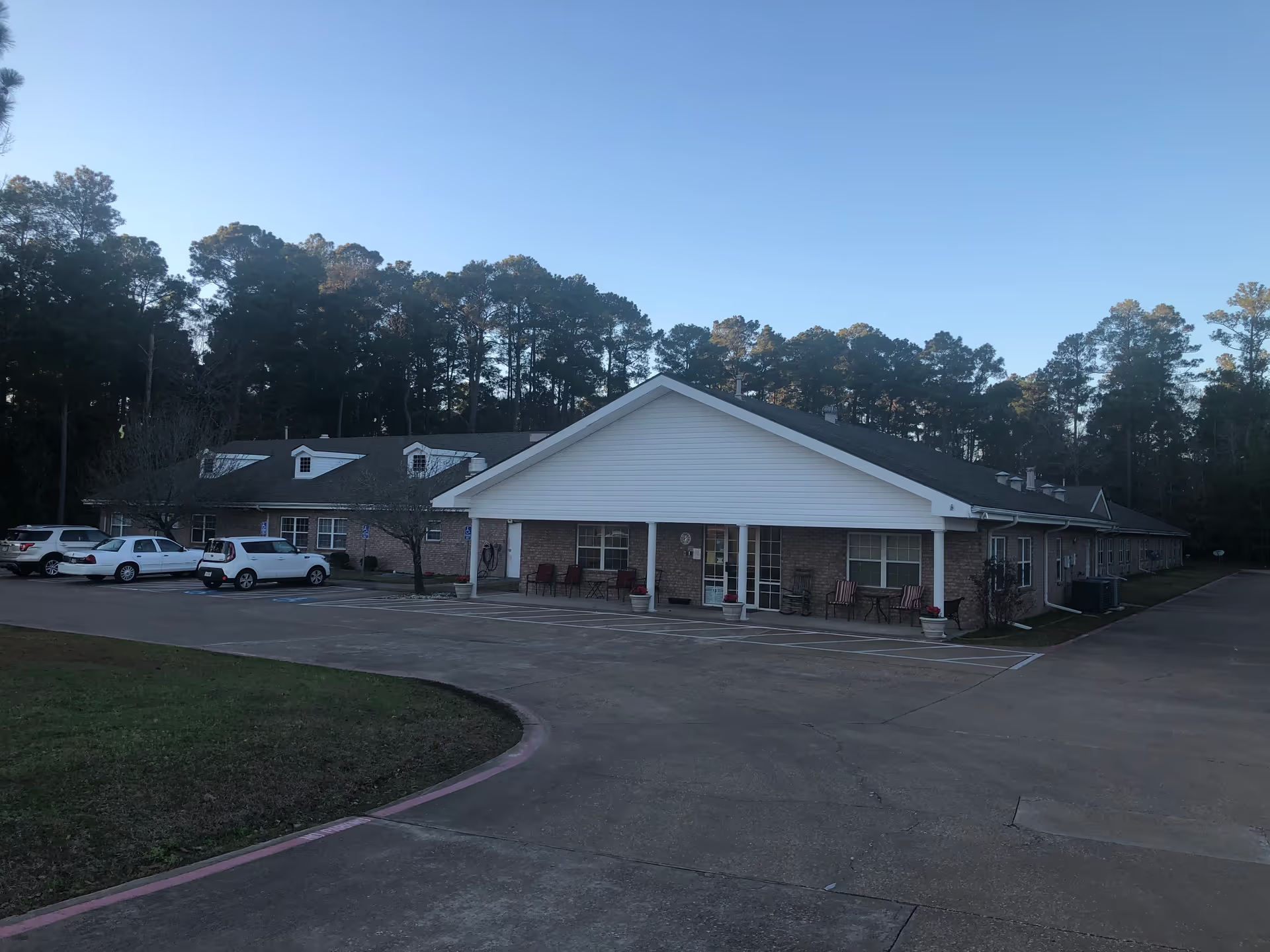
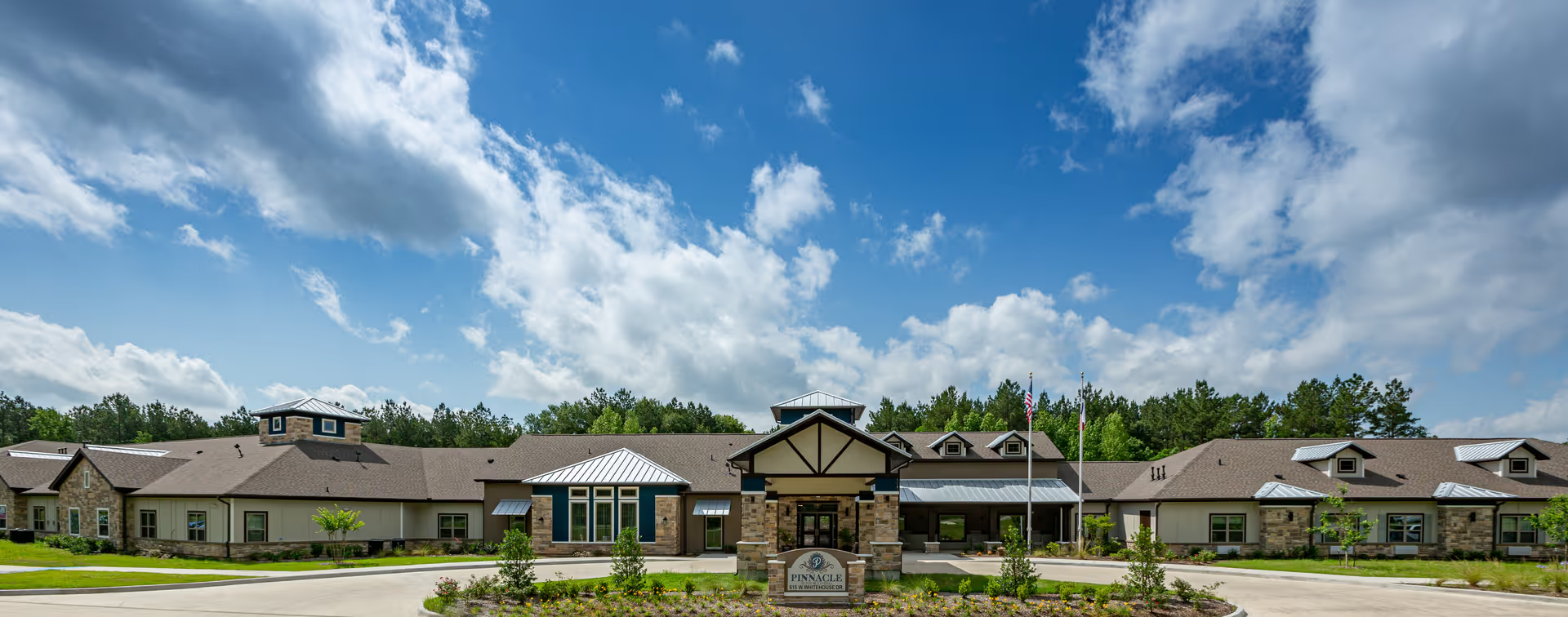
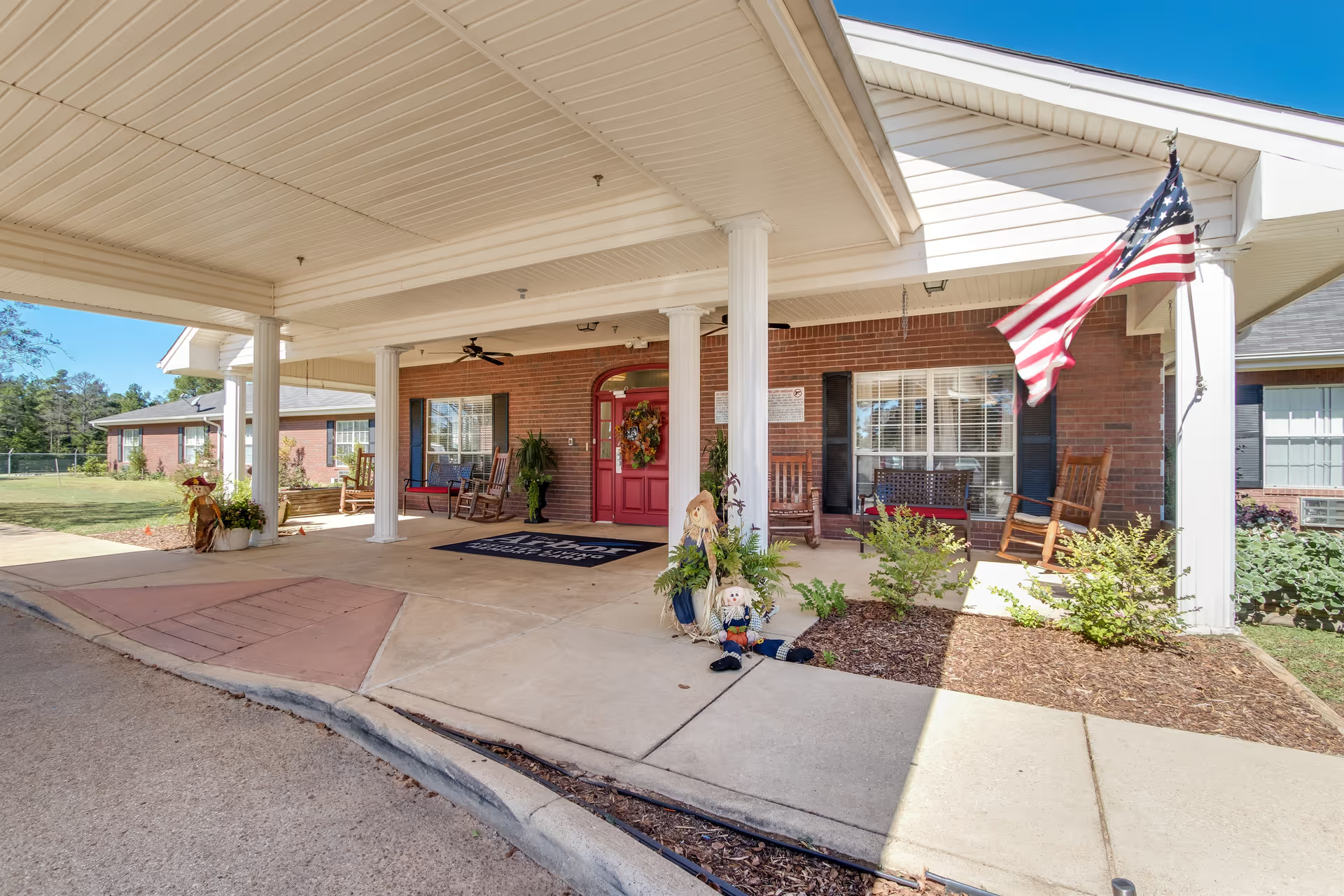
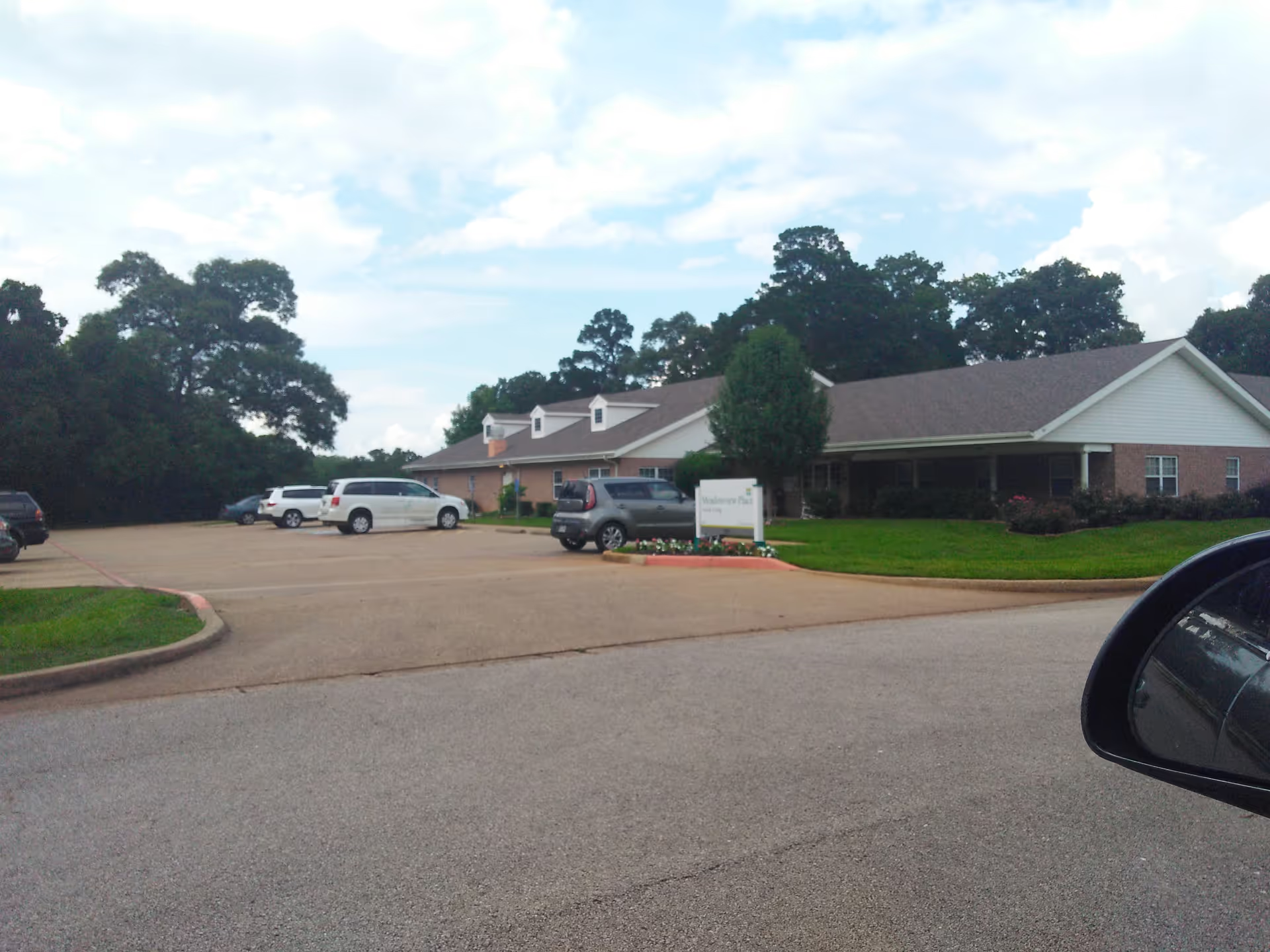
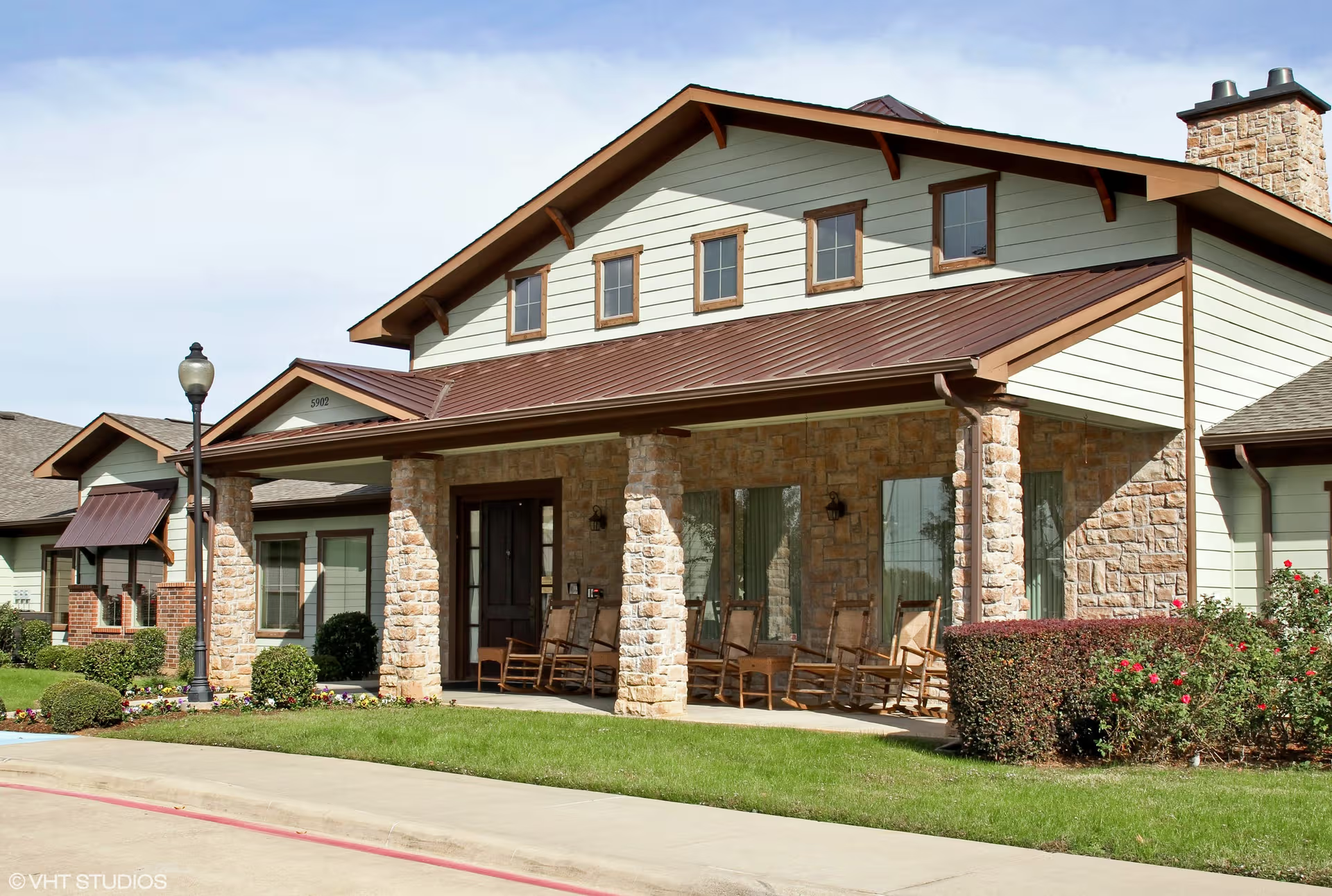
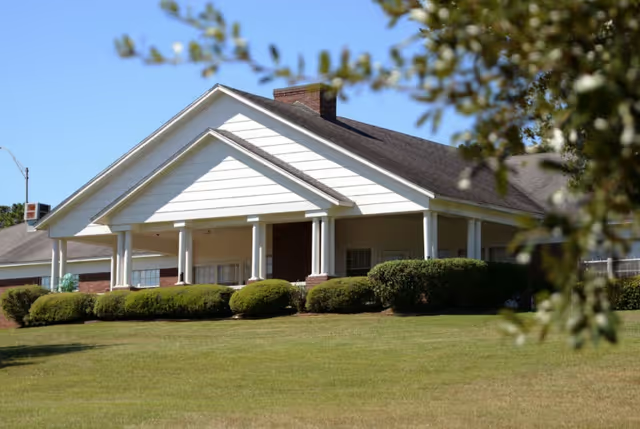
PineCrest Retirement Community is described predominantly as an upscale, well-maintained campus offering a wide spectrum of living options — independent apartments, garden homes, assisted and memory-care units — with a range of on-site amenities. Reviewers consistently highlighted attractive grounds and gardens, modernized interiors, and spacious apartments with generous storage, walk-in showers, and kitchenettes. The property presents a resort-like environment with multiple dining venues (restaurant, bistro, formal dining), a campus market and gift shop, salon services, exercise spaces, and notable communal features such as a piano hall, ice cream parlor, and pet therapy.
Care and staffing emerge as a central strength for many families. Numerous accounts praise compassionate, attentive nursing and caregiving teams, dedicated social workers, and rehabilitation staff who support measurable progress for many residents. Staff are frequently described as professional, warm, and family-oriented; families note clear communication, supportive admissions transitions, and management that is responsive in many situations. Several reviewers credited specific staff leaders for positive experiences, and the community tone is often characterized as welcoming, faith-oriented, and community-focused.
Dining, activities, and campus life receive strong endorsement. Meals are described as fresh and well-prepared, with multiple service venues to fit different preferences. The activities program is robust, led by an engaged activities director and including outings, in-building performances, and daily programming that supports resident engagement. Fitness and therapy spaces are available and contribute to a generally positive rehabilitation and wellness offering, though intensity and equipment availability for therapy vary by unit and case.
Notable patterns of concern cluster around operational and clinical coverage issues. A subset of reviewers described delayed clinical recognition and limited weekend or after-hours physician availability; these accounts point to potential gaps in clinical incident response and family communication. Staffing levels for nursing and aides are described as variable at times, which can affect response times. Cleanliness assessments are mixed: many reviewers called the campus very clean, while others noted variable sanitation and occasional odor concerns in common areas. Rehabilitation services are generally helpful but are also described in some accounts as offering limited daily therapy time or having less-engaged rehab staff in certain cases. A few reviewers raised questions about testimonial selection and transparency.
Overall, PineCrest presents as a well-appointed, activity-rich community with many strengths in hospitality, amenities, and interpersonal caregiving. Prospective residents and families should weigh the strong community features and positive staff culture against the operational considerations noted above: verify after-hours medical coverage, confirm typical therapy intensity and equipment for specific clinical needs, and review cleanliness practices for the unit type being considered. An in-person visit that includes conversations with clinical leadership and a tour of the specific care neighborhood will help families align the community’s offerings with their care expectations and priorities.