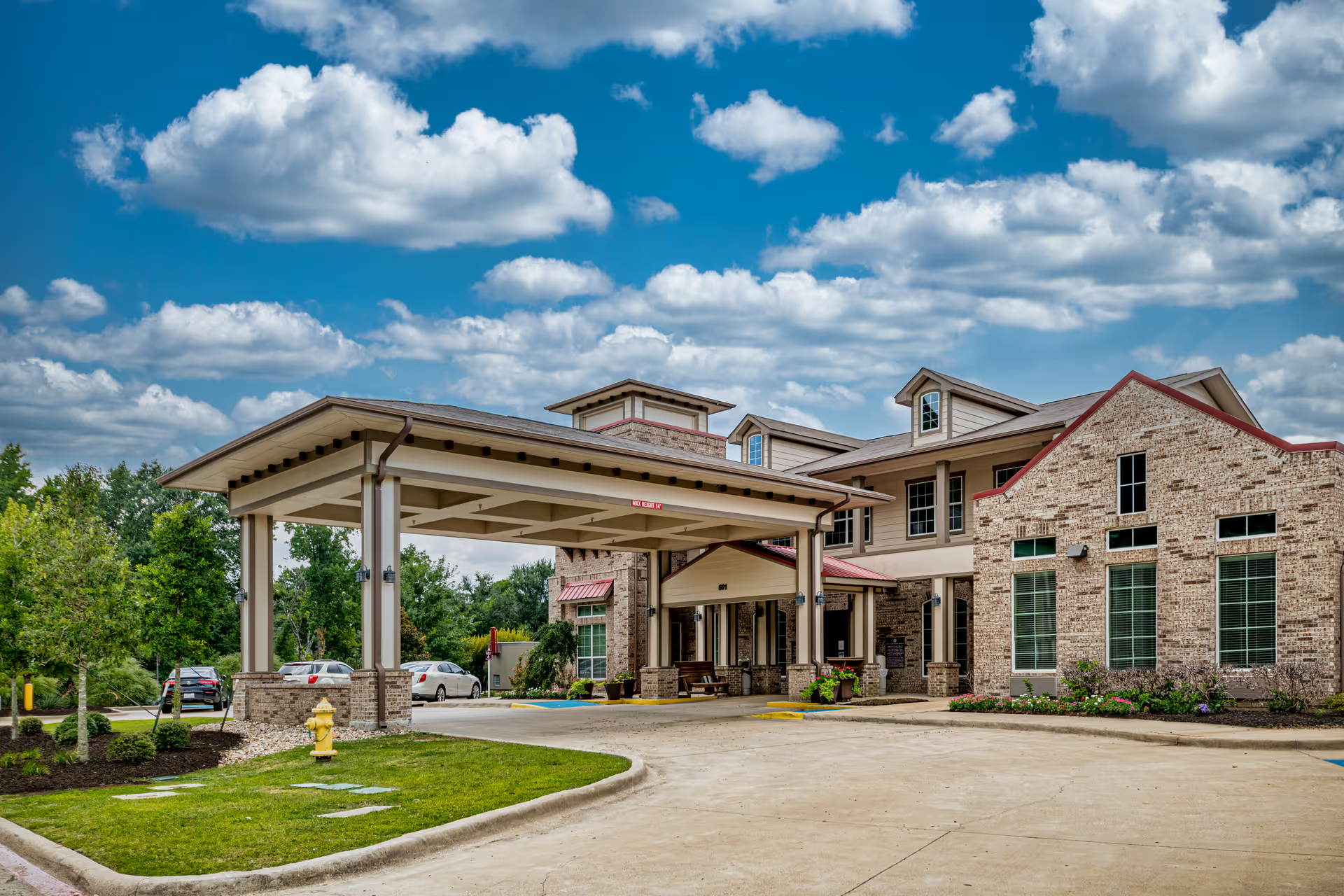
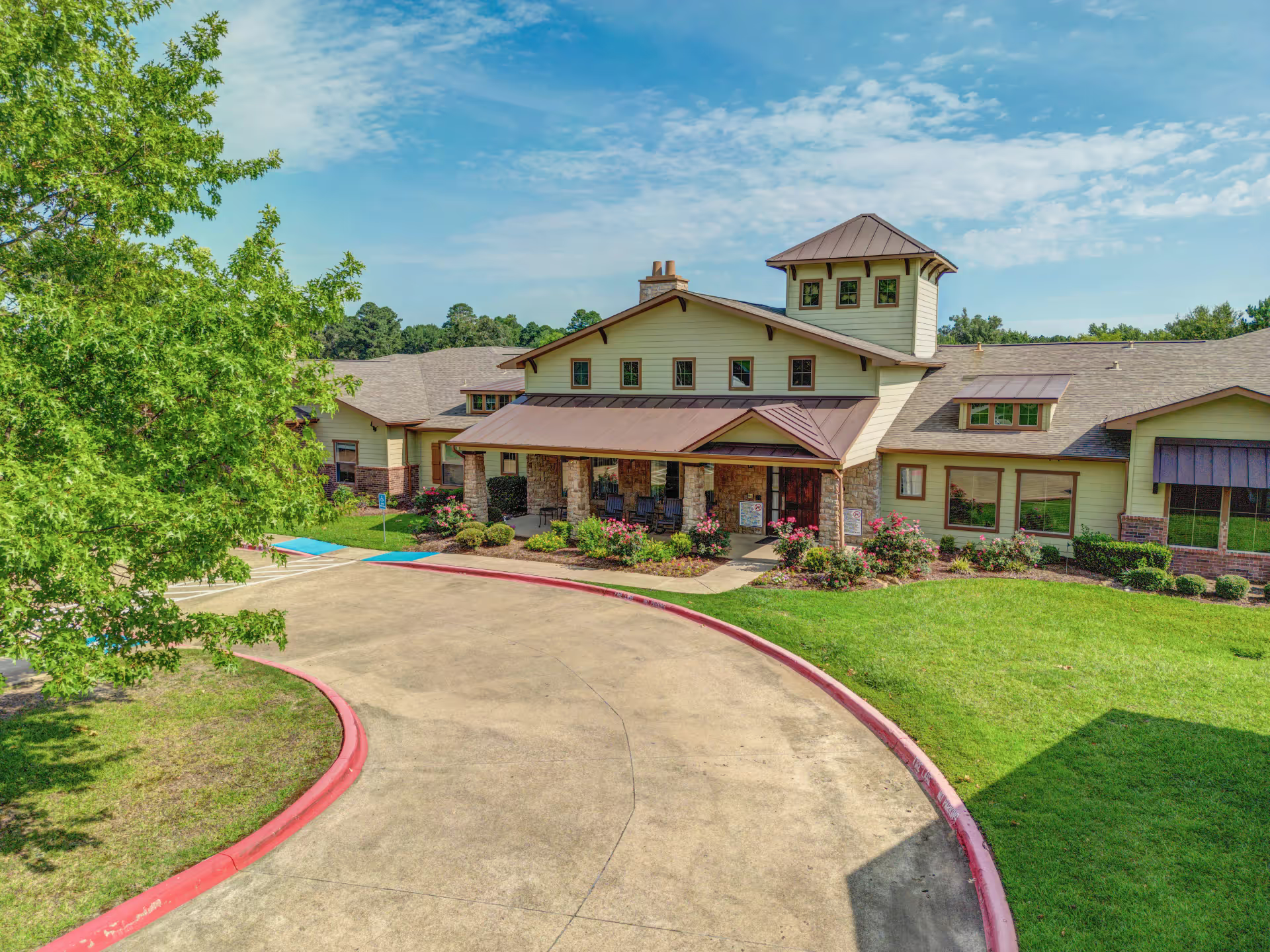
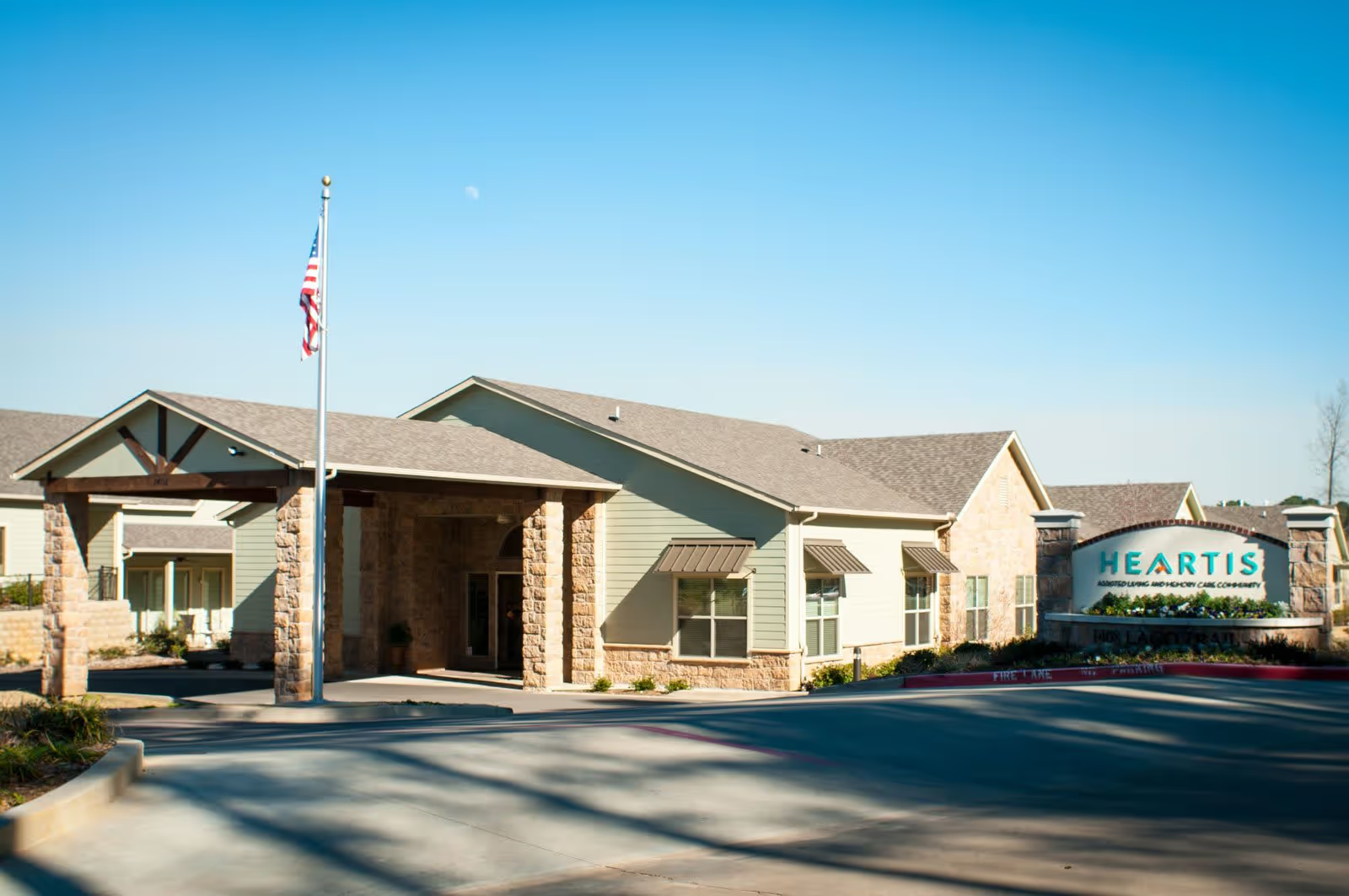
The reviews present a mixed but specific portrait of Reunion Inn Assisted Living. Many families praised the interpersonal side of care: front‑line employees are described as caring and helpful, with several individual caregivers singled out for particular compassion. Facility amenities mentioned positively include clean resident rooms, a secure campus, an open recreation area and library, a daily activities program, and onsite physical therapy. These elements suggest an environment that can provide comfort, engagement, and basic rehabilitative support for residents.
At the same time, several operational concerns recur in the feedback. Staffing inconsistency is the primary theme: reviewers indicate periods when staffing levels appear inadequate to meet resident needs, which has been associated with inconsistent personal‑care delivery. Specific operational patterns cited include irregular bathing schedules and delays in attending to incontinence‑related needs. Families also described limited accessibility of the facility outside normal hours, noting restricted phone contact after evening hours and before early morning, which can complicate communication during off‑shift times.
A second area of concern involves surveillance and accountability. The presence and use of cameras were a focal point in some accounts, producing privacy tensions and disputes between families and staff. Reviewers expressed worries about how monitoring and subsequent accusations were handled, pointing to variability in managerial response and a perceived need for clearer policies and communication about surveillance and staff conduct.
Information about dining quality and meal service is limited in the available summaries; reviewers did not consistently comment on food beyond general references to comfort and well‑being. Where operational strengths are clear, they center on daily programming, therapeutic services, and a generally quiet, friendly community atmosphere that some families described as providing comfort at the end of life.
For prospective residents and families, the pattern in these reviews suggests weighing interpersonal strengths against operational variability. When evaluating the community, ask specifically about average staffing ratios by shift, documented bathing and toileting assistance plans, after‑hours communication protocols, camera and privacy policies, and examples of how management addresses performance or conduct concerns. On-site visits that include conversations with front‑line caregivers, a review of written care plans, and clarification of emergency contact procedures will help determine whether the facility’s strengths align with a particular resident’s needs.