The reviews present a polarized picture of Paradigm at First Colony: several families describe positive, well-coordinated clinical and rehabilitative experiences, while others recount substantive operational gaps. Strengths that recur across positive comments include a strong rehab program with attentive physical therapists, availability of on-site dialysis, and individual caregivers and nursing assistants who are described as compassionate and persistent advocates. Admissions and certain unit leaders are frequently cited as being helpful and communicative, and some areas of the facility are described as clean and well-maintained under proactive management.
Care quality is inconsistent across reviews. Positive accounts emphasize rapid functional gains from therapy and good coordination of post-acute needs; negative accounts highlight delays in medication administration, missed or inconsistent therapies (including wound and wound-prevention oversight), weight- and nutrition-related concerns, and instances where clinical communication with families and external providers was insufficient. There are multiple descriptions suggesting weaknesses in medication-management processes and gaps in clinical oversight that families perceived as significant.
Staffing and staff conduct emerge as a major area of variability. Many families praise individual staff members and CNAs for dedication and responsiveness; conversely, other accounts describe rudeness, inattentiveness, language barriers that complicate care discussions, and training gaps on clinical tasks. Staffing continuity and coverage are recurring operational concerns — inconsistent shift staffing and handoff practices appear to contribute to delays in response, missed personal-care tasks, and uneven care quality between units and shifts.
Dining and nutrition receive mixed remarks: some residents enjoy the meals and rehabilitation-related nutrition support, while others note inconsistent meal quality, missed meals, and a perceived need for improved dietary oversight. Activities programming is generally viewed positively in portions of the facility, with residents kept engaged; however, reviewers also note that experience varies by unit.
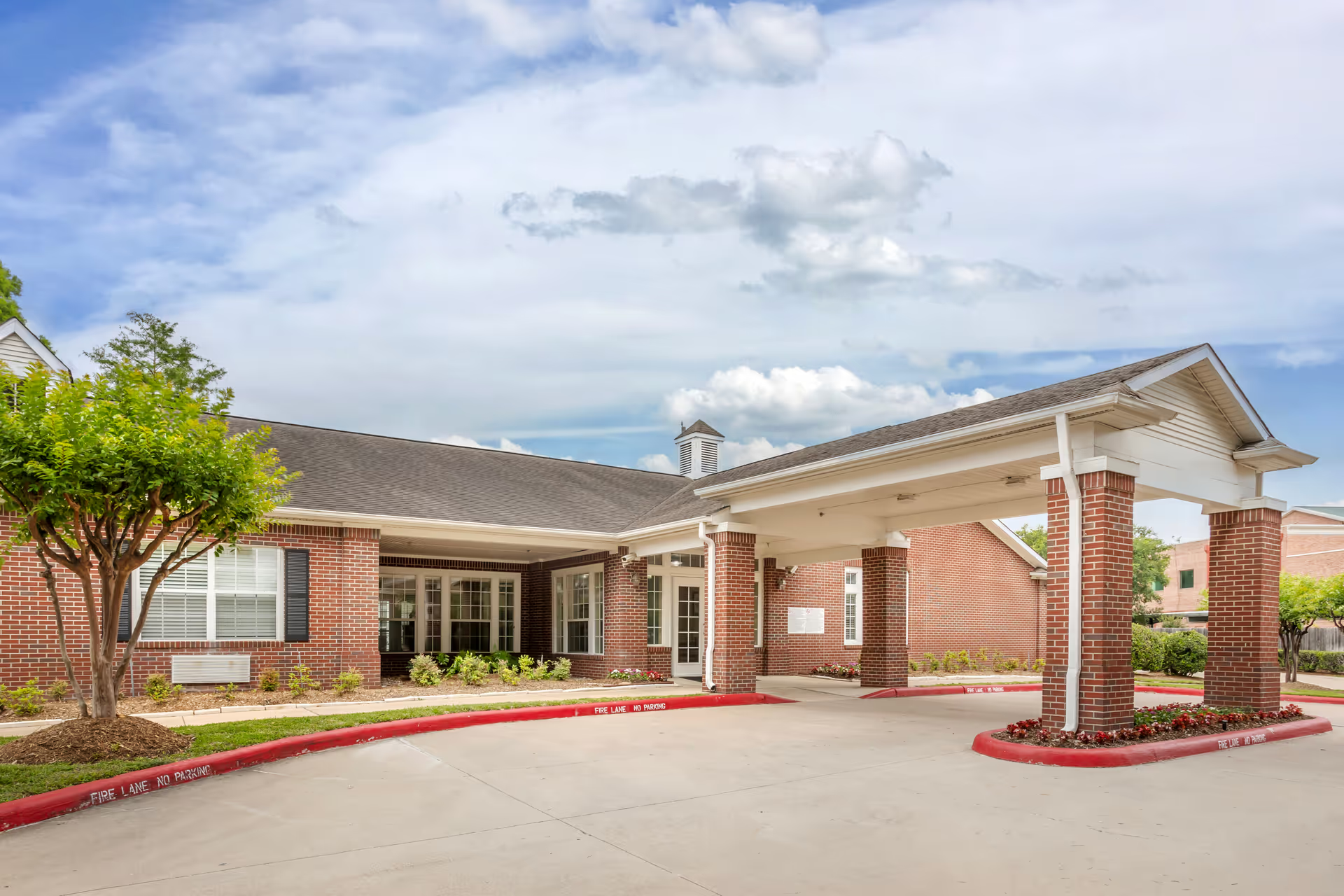
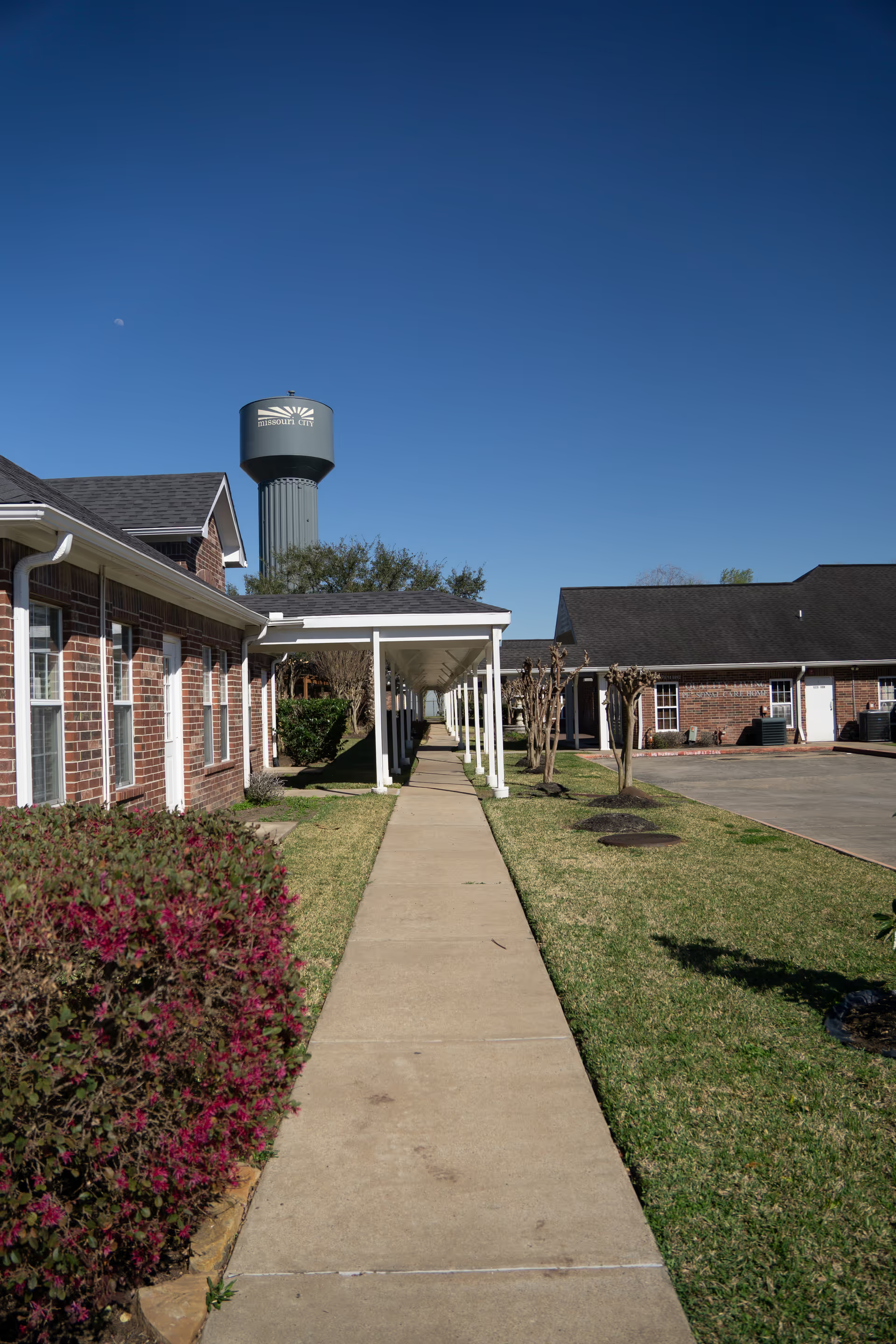
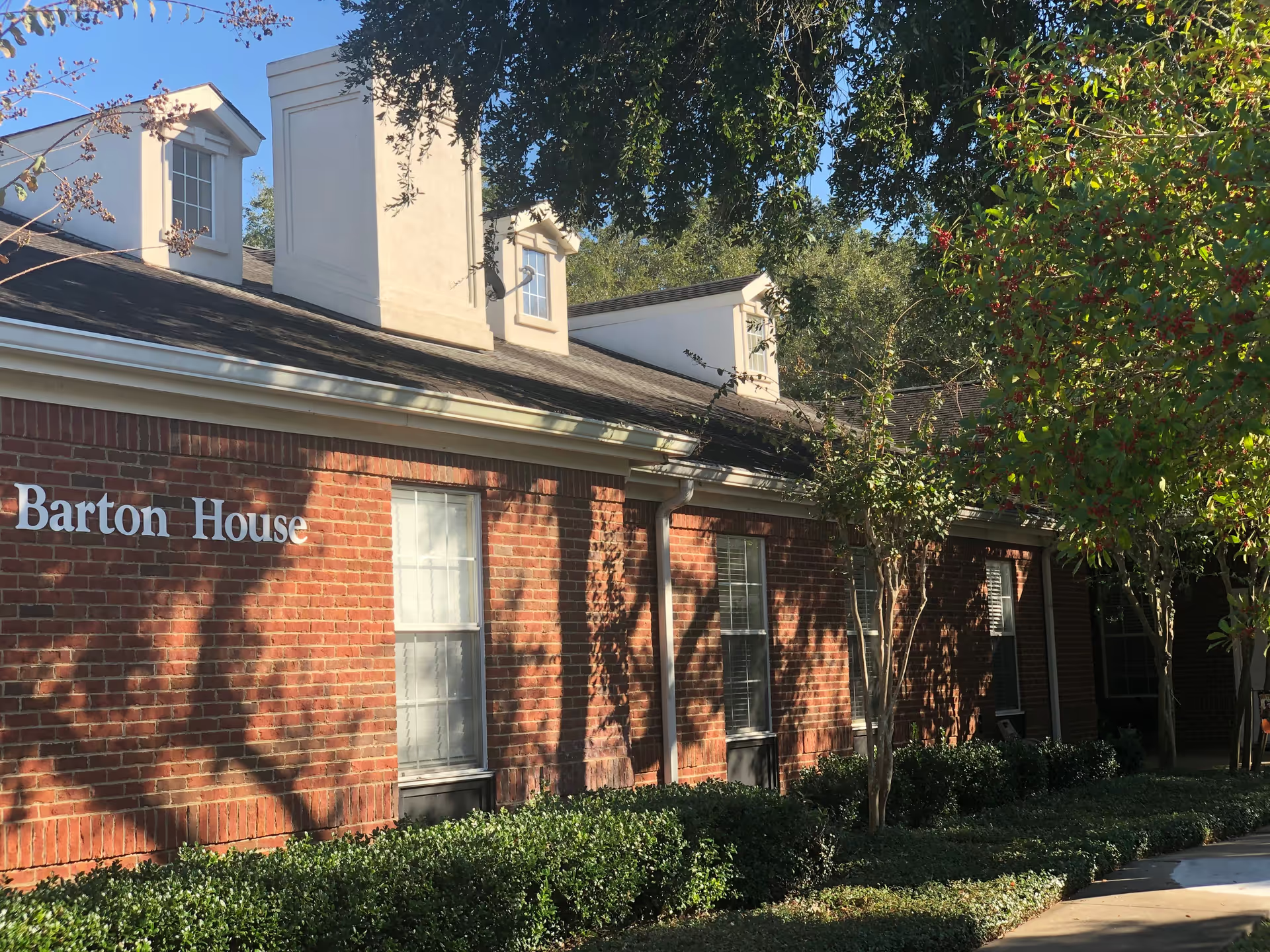
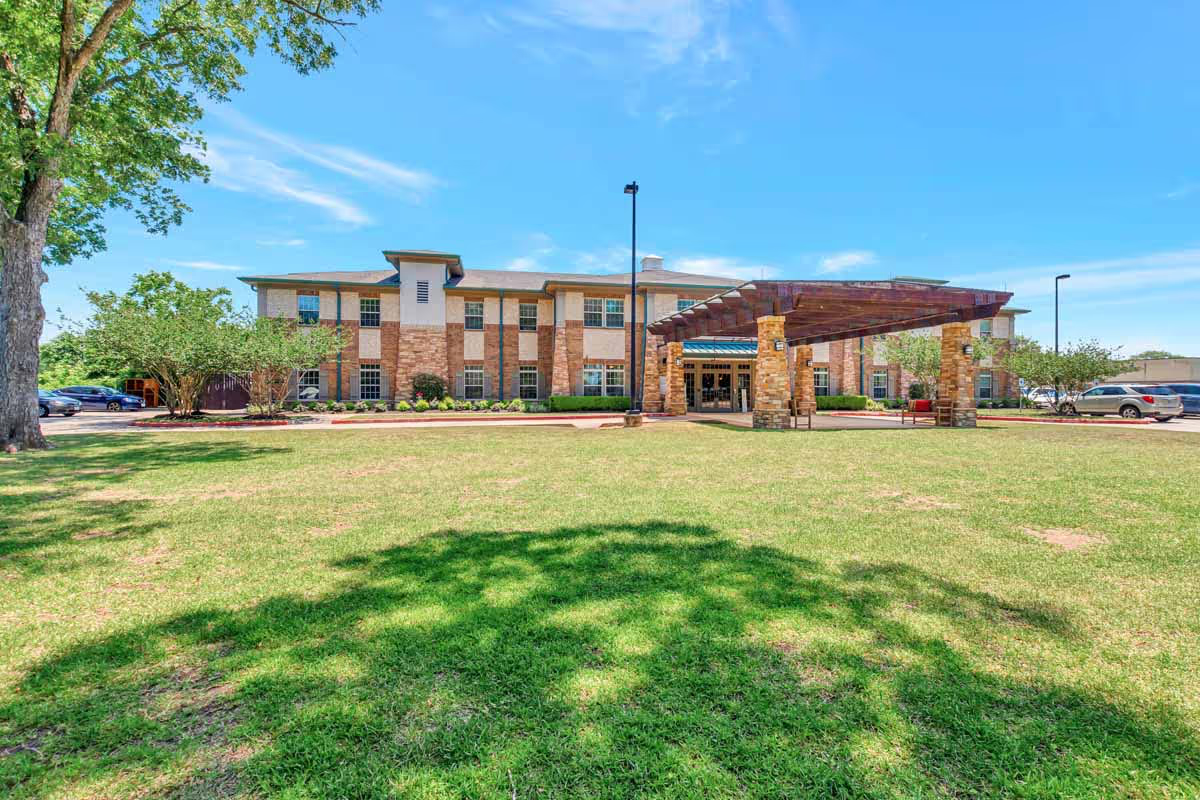
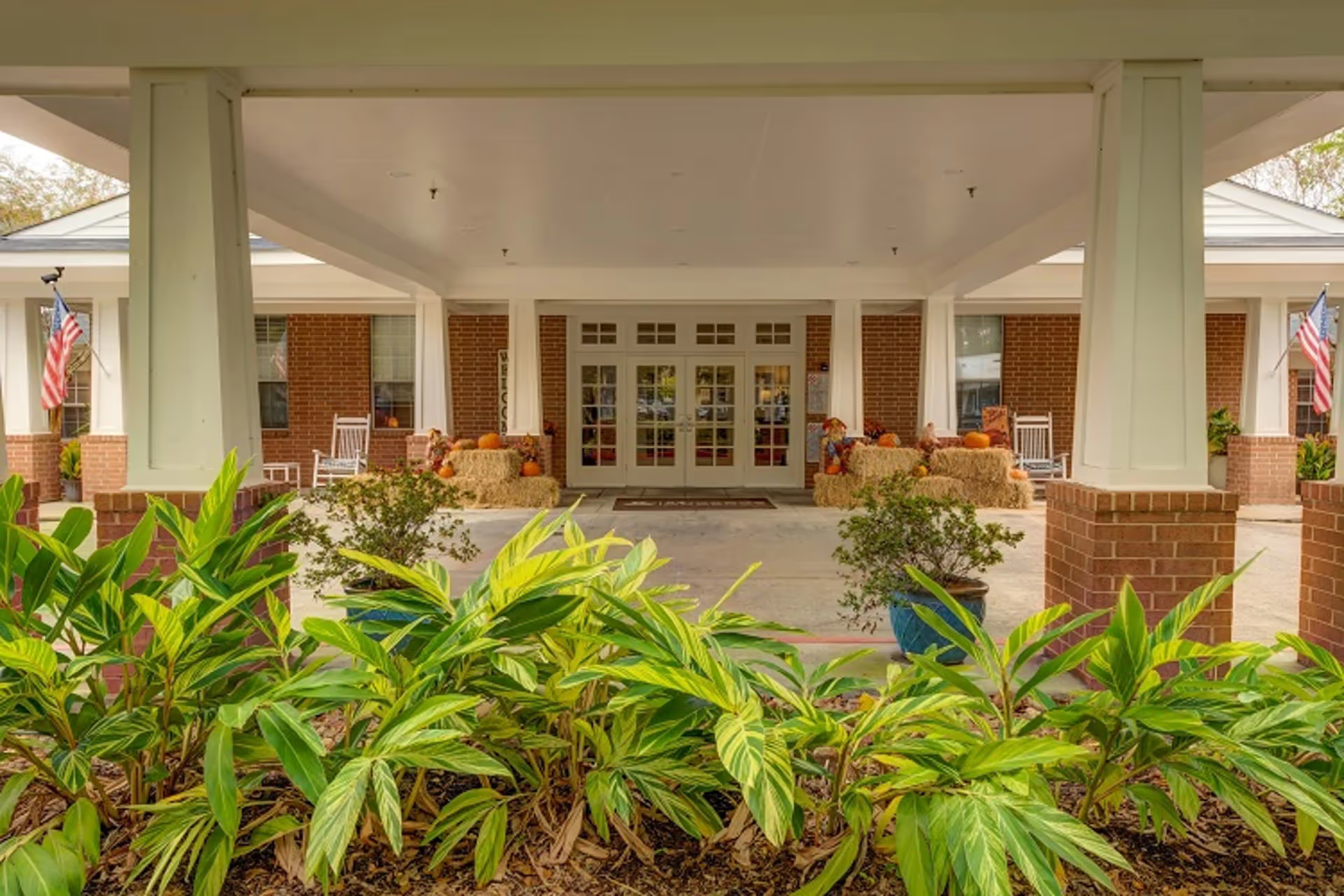
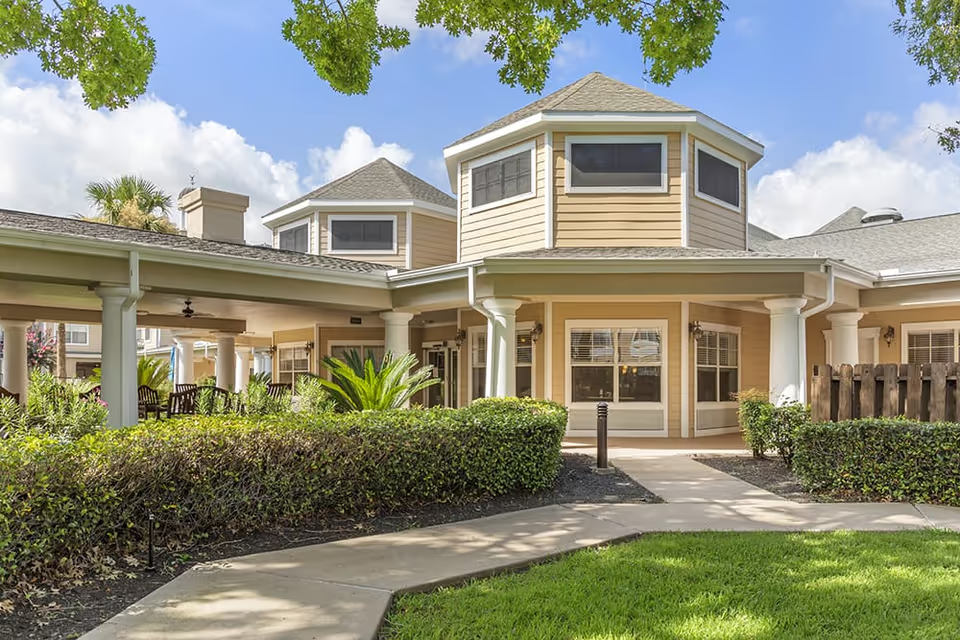
Facility environment and maintenance are similarly mixed. Positive reviews describe immaculate areas and well-kept rooms under certain leadership, but a substantial number of comments raise sanitation concerns, odor concerns in some common areas, maintenance shortfalls (broken fixtures, missing tiles), and pest-control issues. Property management practices are also a recurring problem area, with multiple accounts of lost clothing or personal items and laundry-process deficiencies.
Management and administration receive divergent feedback. Some families describe an open-door management approach, timely issue resolution, and strong admissions coordination; others report slow or unresponsive administrative communication, payment and Medicaid-handling friction, and leadership variability between units. There are also accounts of serious incidents that led to family escalations and regulatory attention; these underline the importance of clarifying clinical protocols and escalation pathways prior to placement.
Notable patterns for prospective families: experiences appear highly dependent on unit, shift, and specific staff or managers in place. Strengths center on rehabilitative capacity, individualized caregivers, and certain strong unit leaders; weaknesses center on operational consistency — staffing levels, clinical oversight for medications and wounds, personal-care processes, property management, and facility sanitation/maintenance. Families considering this facility should tour multiple units, ask about staffing ratios and wound/medication protocols, request examples of how the facility handles missed-care incidents, and confirm laundry/property controls and pest-management practices before making placement decisions.