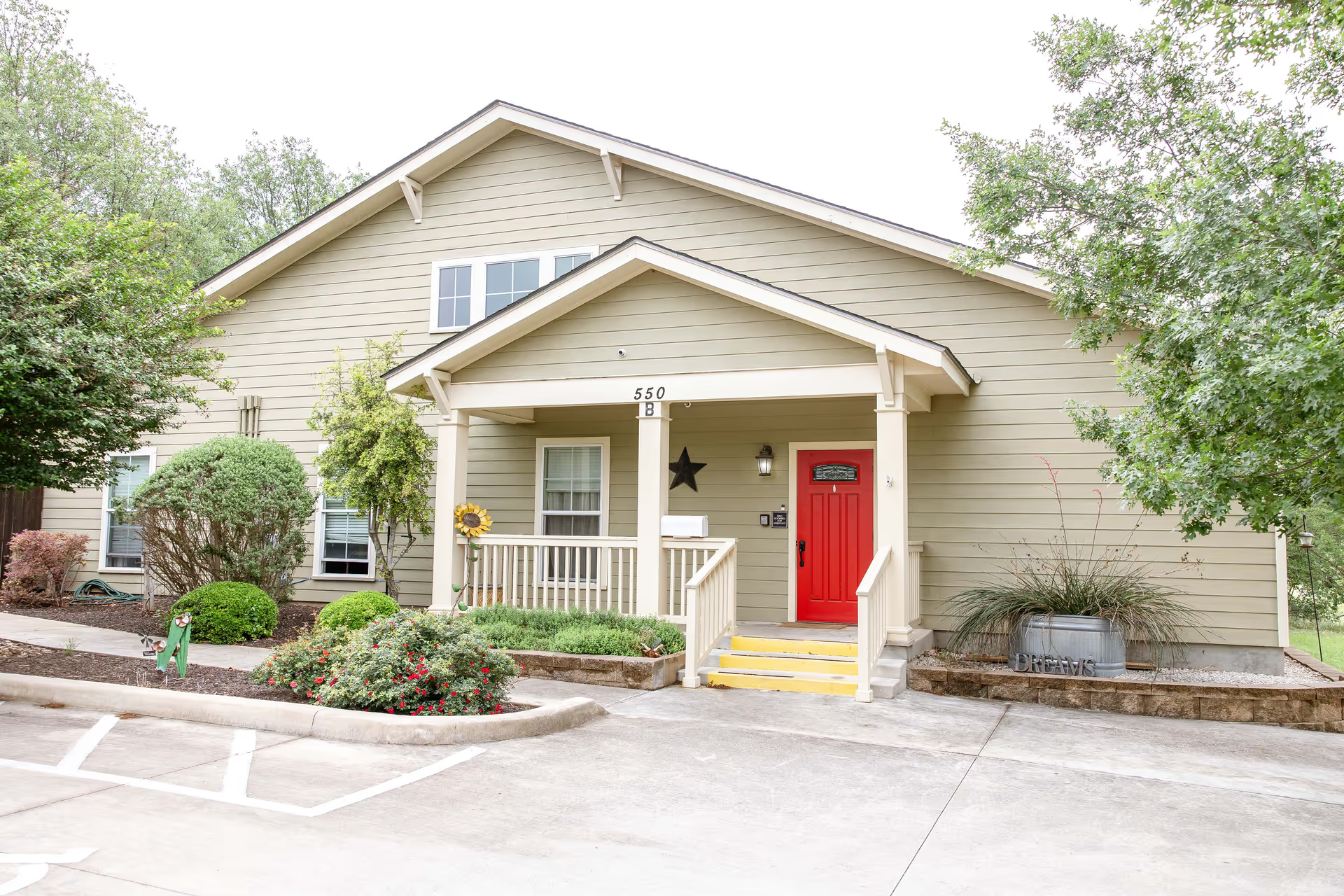
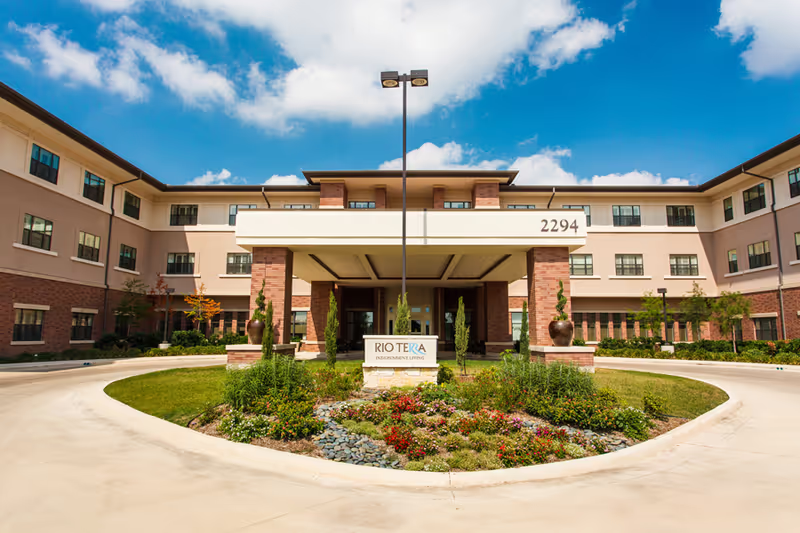
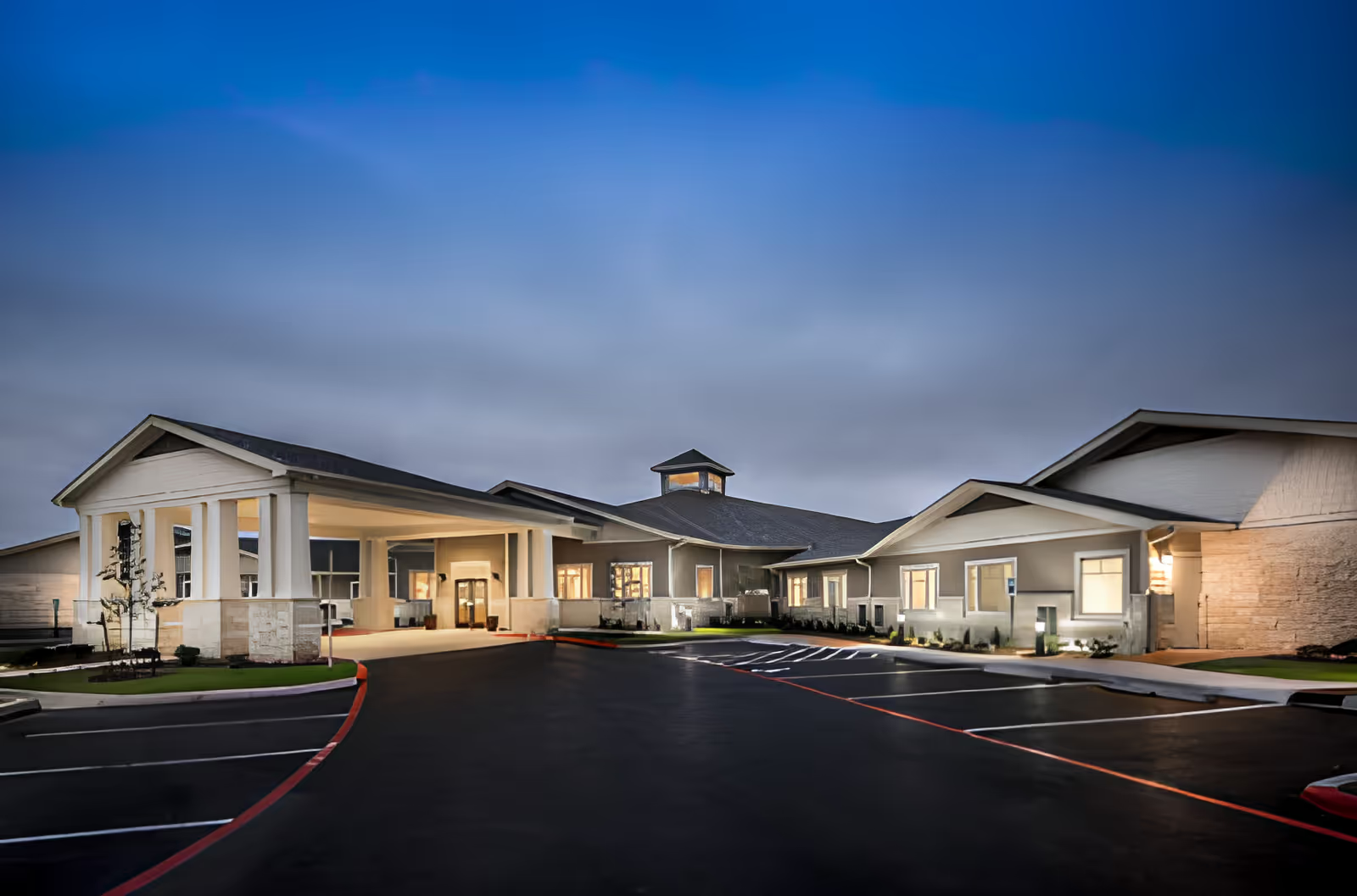
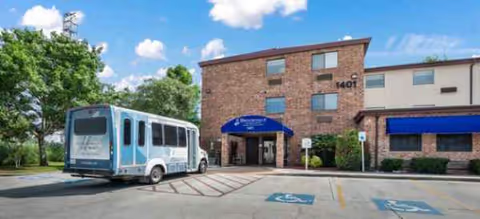
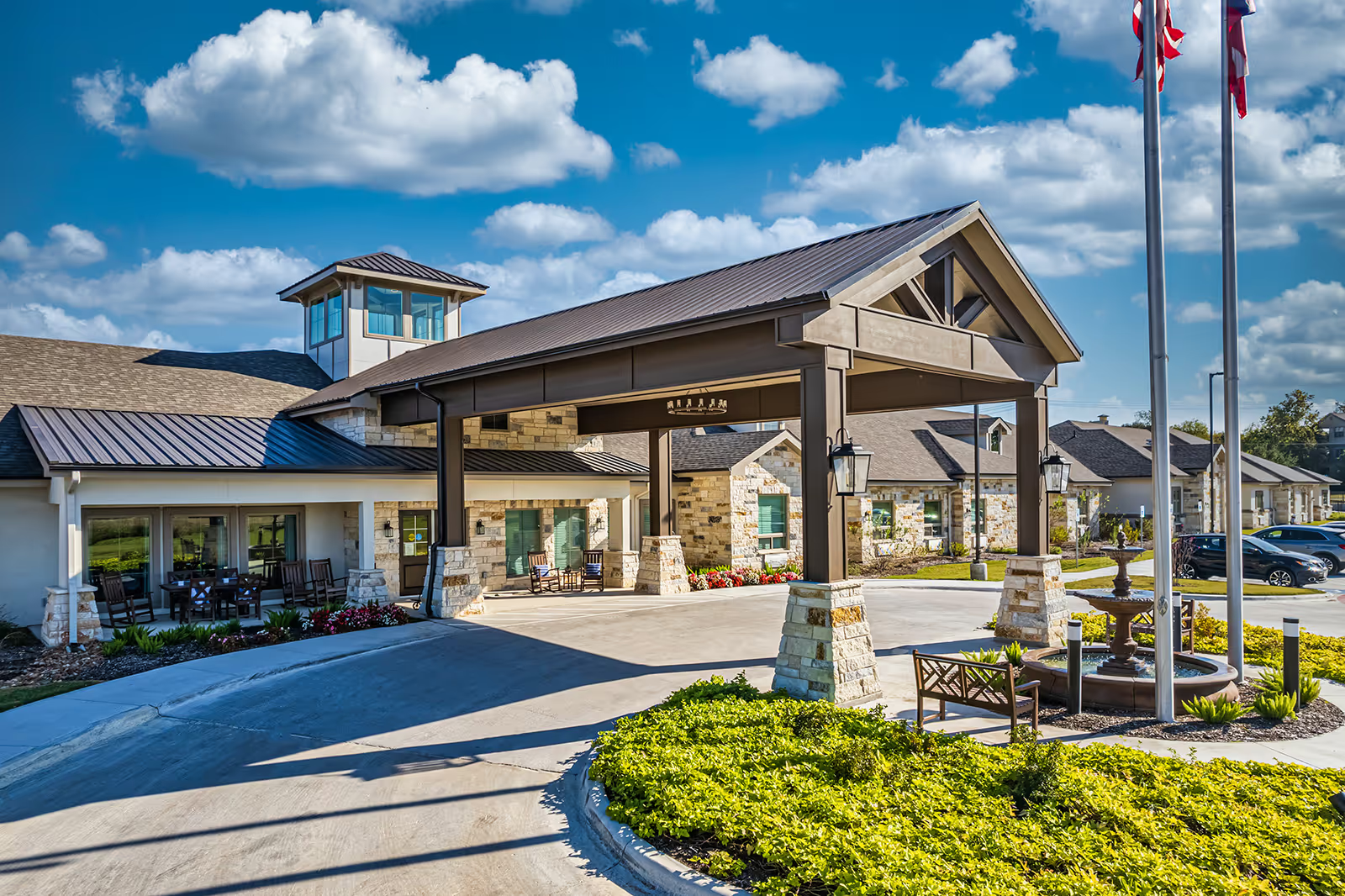
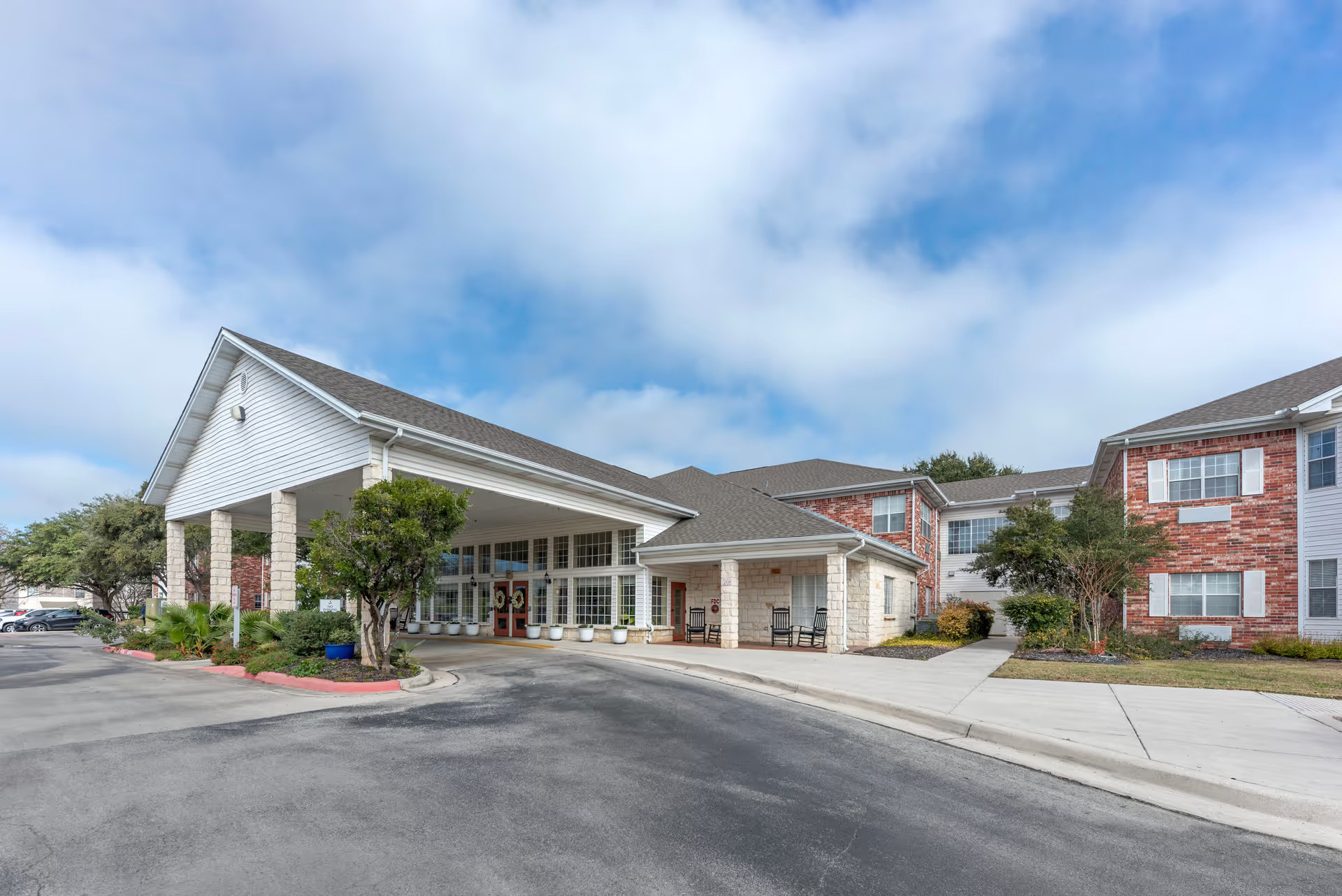
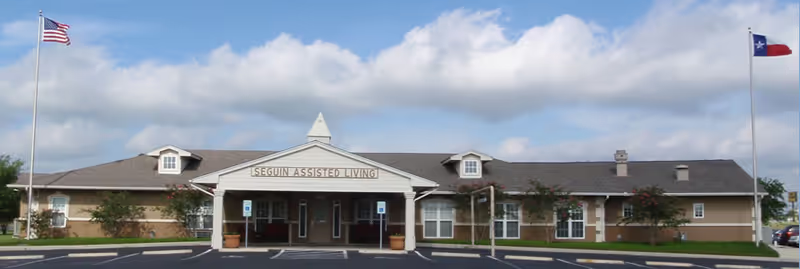
This collection of reviews describes a continuing-care campus with substantial amenities, a wide range of living options, and a mixed pattern of operational strengths and weaknesses. Strengths that recur across the feedback include a warm, social environment; comprehensive on-site services spanning independent living through skilled nursing and hospice; and a broad activities program. The property is frequently described as clean and well-maintained, with attractive grounds, scenic views, and varied common spaces such as a bistro, chapel, library, and lounges. Apartment options range from compact studios to large units and cottages with garages, and several reviews note successful long-term residency and family-like relationships among residents.
Care quality and staffing present a blended picture. Many reviewers praise attentive, compassionate frontline caregivers, individualized assistance, and staff who know residents by name. Long-tenured employees and hands-on aides are cited as important strengths, and therapy and rehab services are highlighted as effective for short-term recovery. At the same time, pattern-level operational concerns appear: high turnover and reliance on temporary staff are associated with inconsistent coverage, delayed responses to call buttons, and challenges caring for higher-dependency residents. Reviewers also identify gaps in clinical-care coordination and medication follow-up that have, in some accounts, required family intervention or external escalation.
Dining and activities are generally strong selling points. The campus features chef-prepared meals, frequent menu variety, plant-based options, and many social dining occasions (including happy hours). Several reviewers called the kitchen and executive chef a differentiator. Activities are varied and frequent — bingo, music, outings, fitness classes, pool use, art, and spiritual programming — supporting an active social life for many residents. However, there are notes of inconsistent meal-service continuity tied to operational changes (for example, kitchen adjustments) and occasional variability in food quality over time.
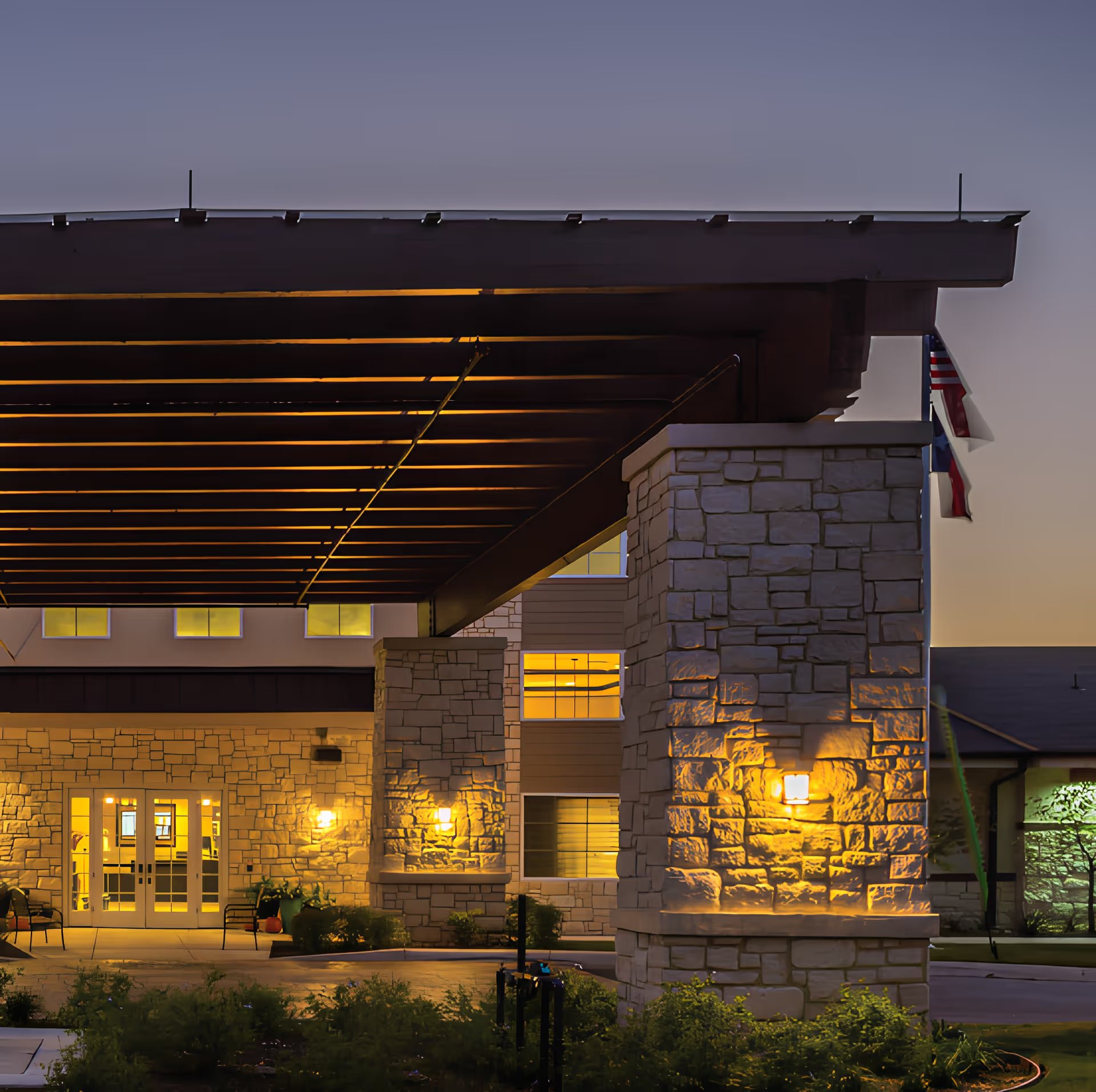
Facilities and amenities receive consistent positive remarks: clean interiors, weekly housekeeping options, salon services, transportation for appointments, and accessible common areas. Newer buildings and large apartments are highlighted positively, as are cottages with garages and storage. Conversely, the size of the campus and the large resident population are linked to concerns about personalization of service and occasional delays in care delivery for residents with greater dependency.
Management and communication emerge as the area with the greatest polarity. Positive accounts cite responsive directors, non-pressured tours, helpful move-in coordination, and visible leadership engagement. Negative patterns include inconsistent administrative follow-through, missed promises, documentation errors, and weak family communication during clinical incidents. Security and night-shift controls are also mentioned as an operational gap in some reports.
Overall, the facility offers substantial amenities, a full continuum of care, and many examples of high-quality, compassionate frontline caregiving and social programming. Prospective residents and families should balance these strengths against pattern-level operational issues: staffing stability, management responsiveness, clinical coordination, call-response times, and security practices. Recommended due diligence includes asking about current staffing ratios and turnover, protocols for medication follow-up and clinical communication with families, call-response performance metrics, contingency plans for kitchen or staffing disruptions, and specifics about security and night-shift coverage to ensure the campus aligns with the resident's care needs and expectations.