Kirkwood Manor presents a mixed but distinct profile: a facility with a strong rehabilitation focus, a sizable activities program, and many long-tenured staff who are frequently described as caring and engaged, alongside recurring operational weaknesses that families should evaluate before placement.
Care quality and clinical services are a clear strength for many families. Reviews consistently praise the in-house therapy teams (physical, occupational, and speech), individualized exercise and walker-training plans, and rehabilitation outcomes that enabled patients to return home stronger and safer. Several accounts highlight coordinated therapy equipment, attentive therapists, and a supportive Director of Rehab. Hospice services and coordination are also reported positively, and some reviewers cited thorough discharge planning and proactive family communication.
Staffing and day-to-day nursing performance show more variability. Numerous reviewers describe compassionate, attentive nurses and aides who go beyond expectations, but an almost equally large set of accounts raises concerns about staffing levels, uneven competency across shifts, and slower responsiveness to assistance requests (including call-button delays). A limited number of reviews describe serious clinical-safety incidents; these have contributed to perceptions of inconsistent clinical oversight and training gaps. Families should ask about nurse-to-resident ratios, on-call clinical coverage, wound-care protocols, and how the facility audits high-acuity care practices.
Dining and personal-care logistics are commonly cited areas of dissatisfaction. Meal quality and nutrition are described as inconsistent, with limited choices for texture-modified diets and periodic dissatisfaction with portion and preparation. Laundry and personal-item handling are another recurring operational issue: misplaced clothing, delays in laundry returns, and tracking gaps were noted. Prospective residents and families should verify the facility’s processes for dietary accommodations, laundry accountability, and individualized care plans.
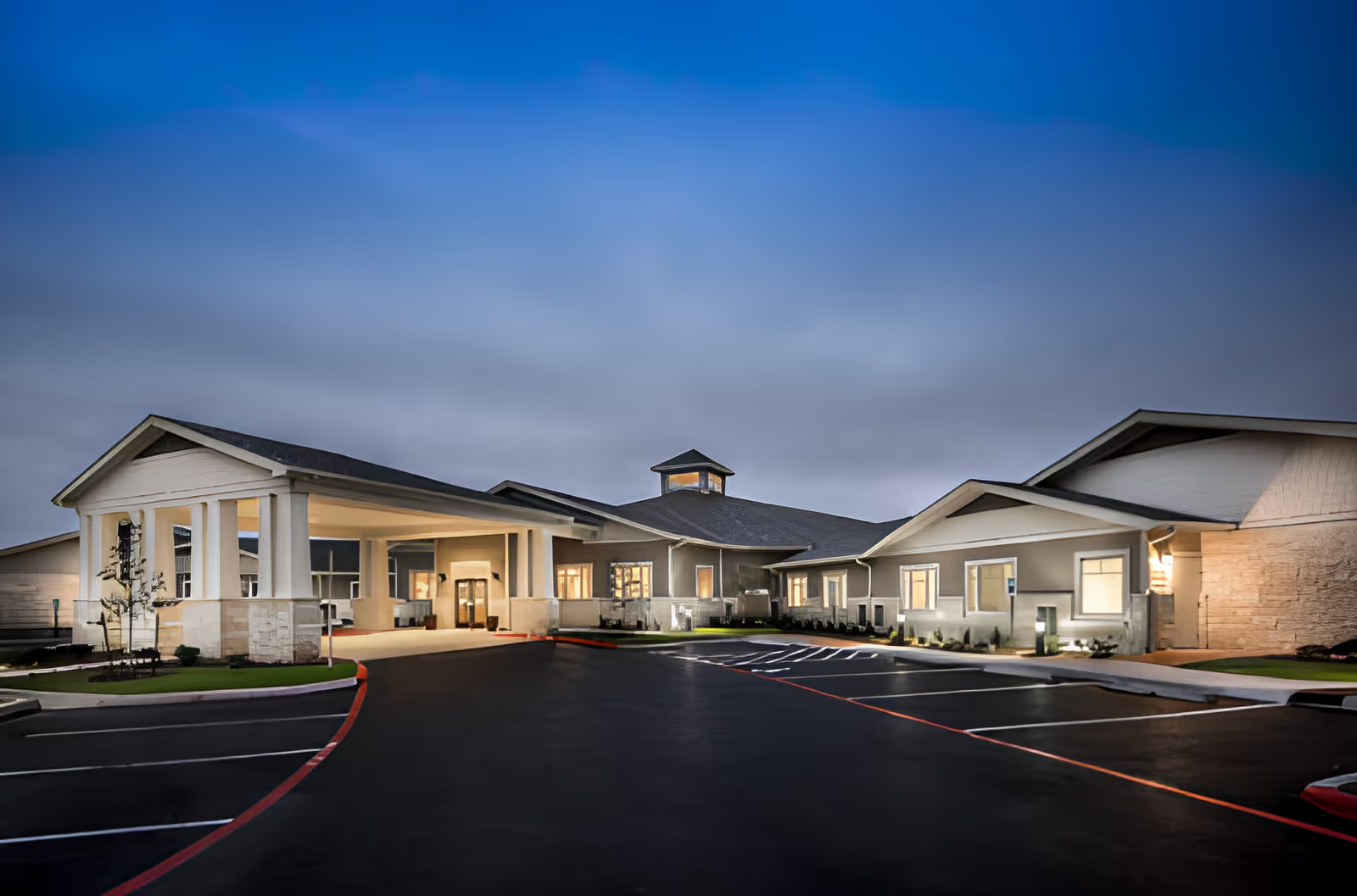
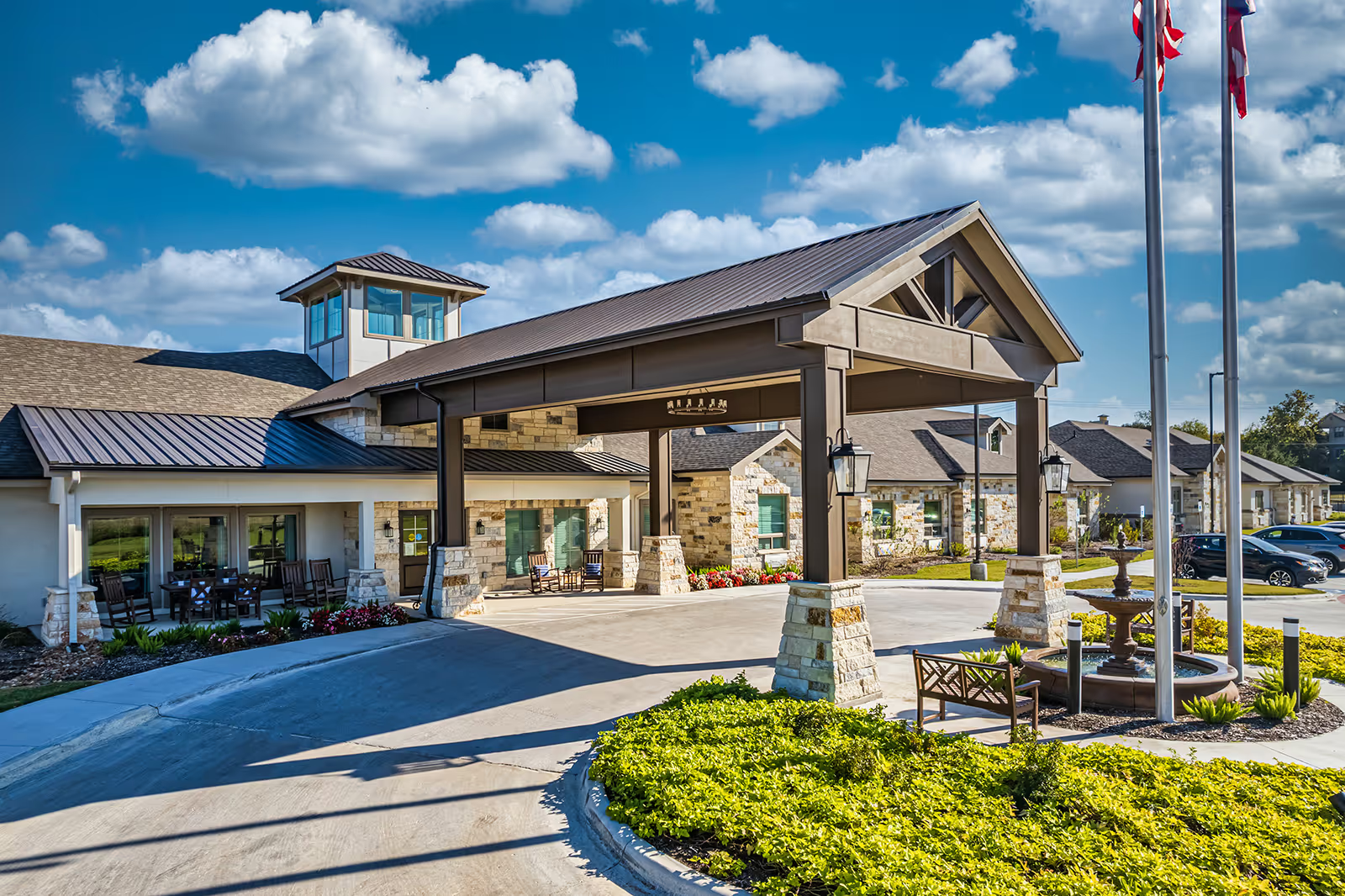
Activities, environment, and facilities receive largely positive comments. Residents and families frequently praise an active activities calendar (bingo, crafts, live music, social events), the activities director’s engagement, bright common areas with natural light, and ongoing interior renovations that have refreshed floors and decor. Housekeeping is often described as maintaining cleanliness and a pleasant atmosphere. That said, the facility can be near capacity, and some reviewers noted small shared rooms and limited private-space availability, which can affect privacy and comfort.
Management and operational communications present mixed signals. Many families found the intake and front-desk staff welcoming and helpful, while others cited difficulties reaching administration by phone, slow phone-system response, and restrictive visitor check-in procedures (appointment requirements). Parking and site-accessibility issues were also mentioned and may be relevant for frequent visitors. When evaluating Kirkwood Manor, visitors should ask targeted questions about administrative responsiveness, the phone/contact system, visitation policies, and parking logistics.
Overall pattern and practical advice: the facility appears to excel in rehabilitation, activities, and in many cases compassionate bedside care, but it also exhibits systemic operational challenges primarily around staffing consistency, responsiveness, wound-care follow-up, dining, and personal-item management. Experiences are polarized—some families describe excellent, family-like care and strong clinical outcomes, while others report significant frustrations. A personal tour, direct questions about staffing ratios, wound-care procedures, call-response times, dietary accommodations, laundry processes, and recent quality/audit results will help families reconcile these differing accounts and make a placement decision aligned with clinical needs and expectations.