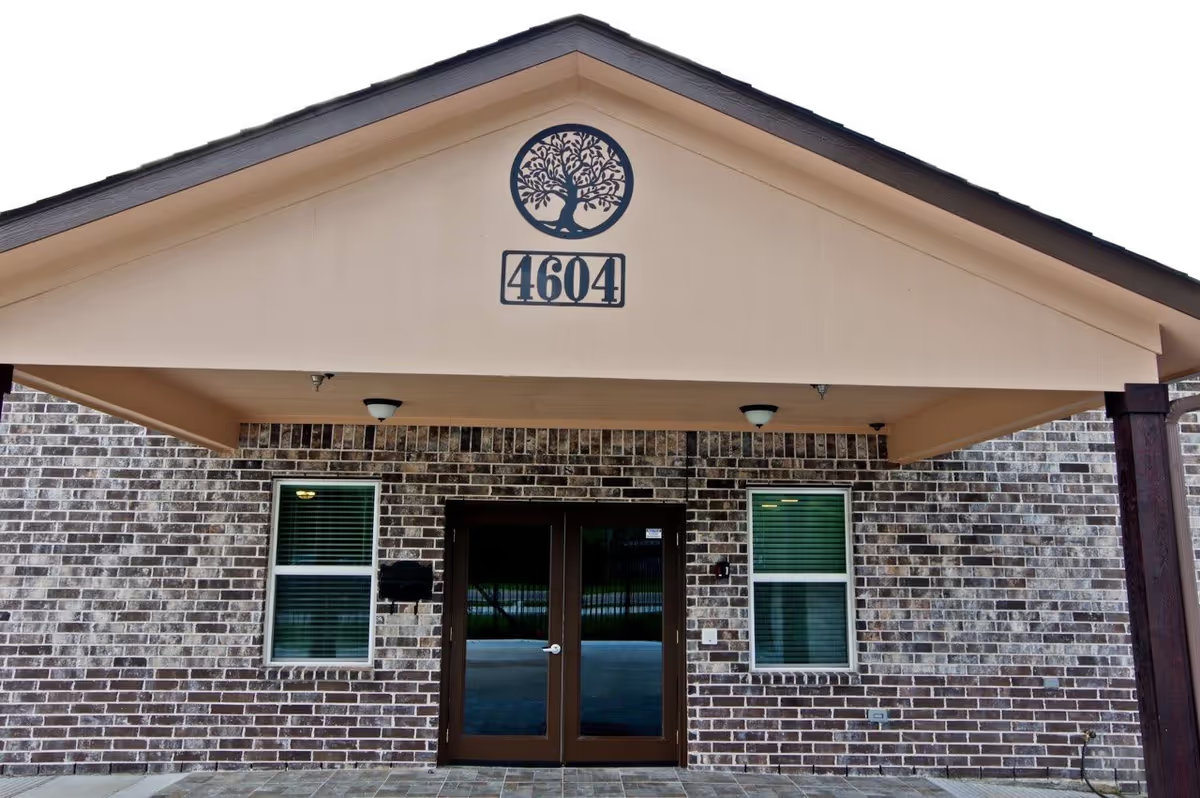
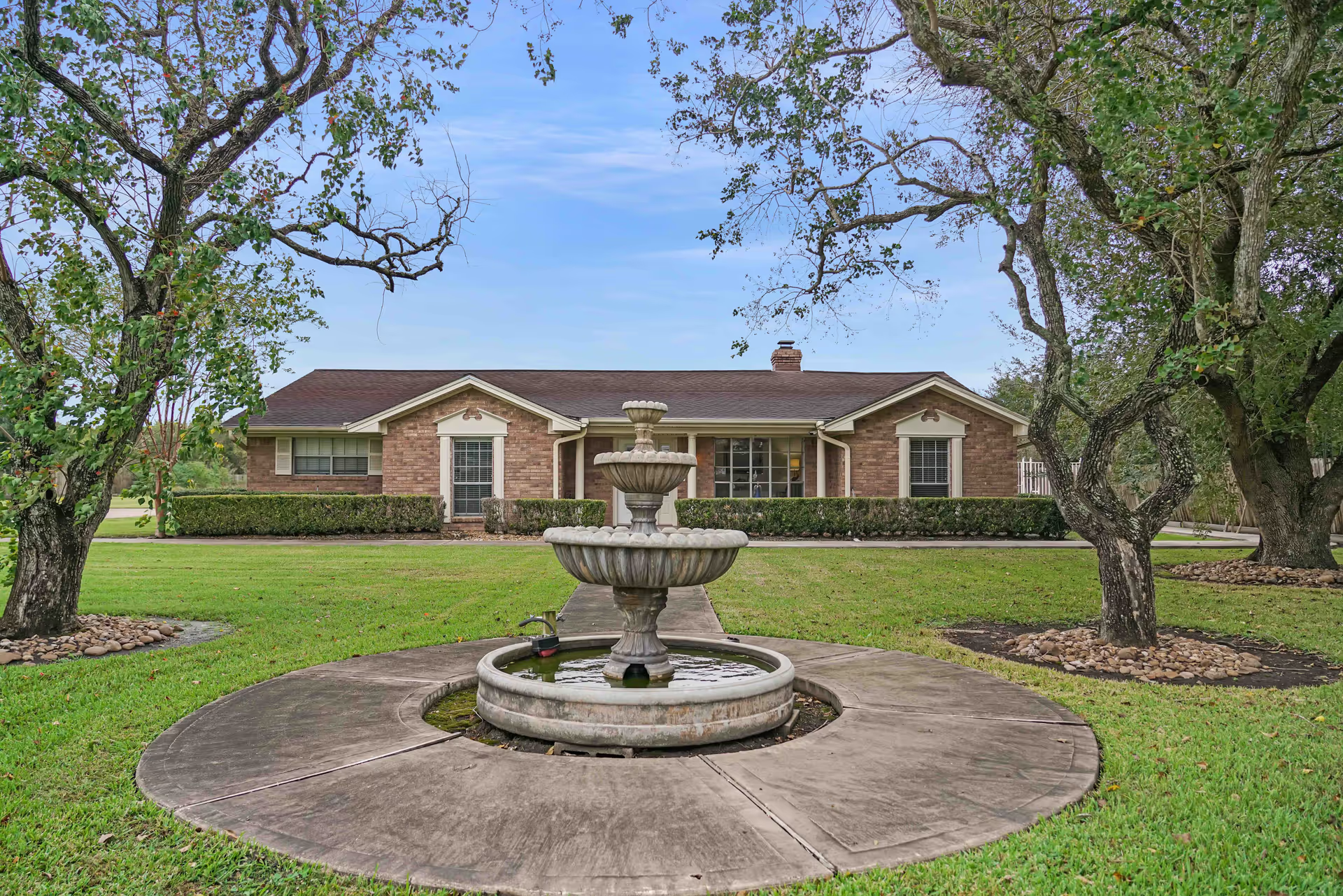
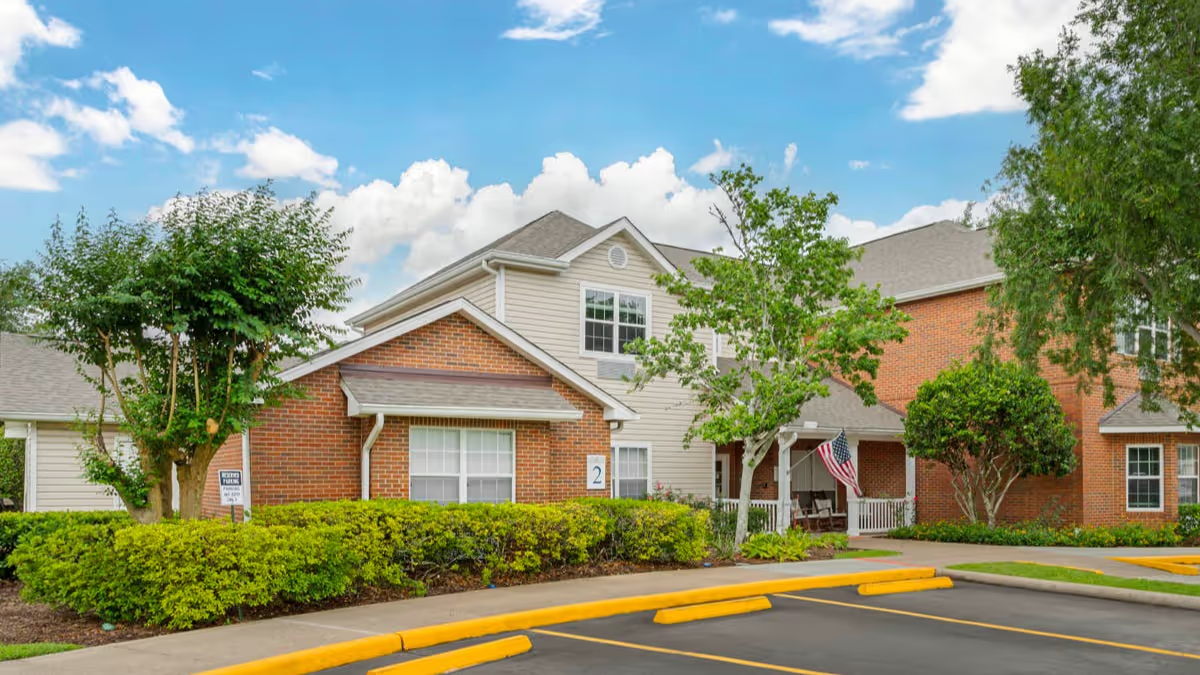
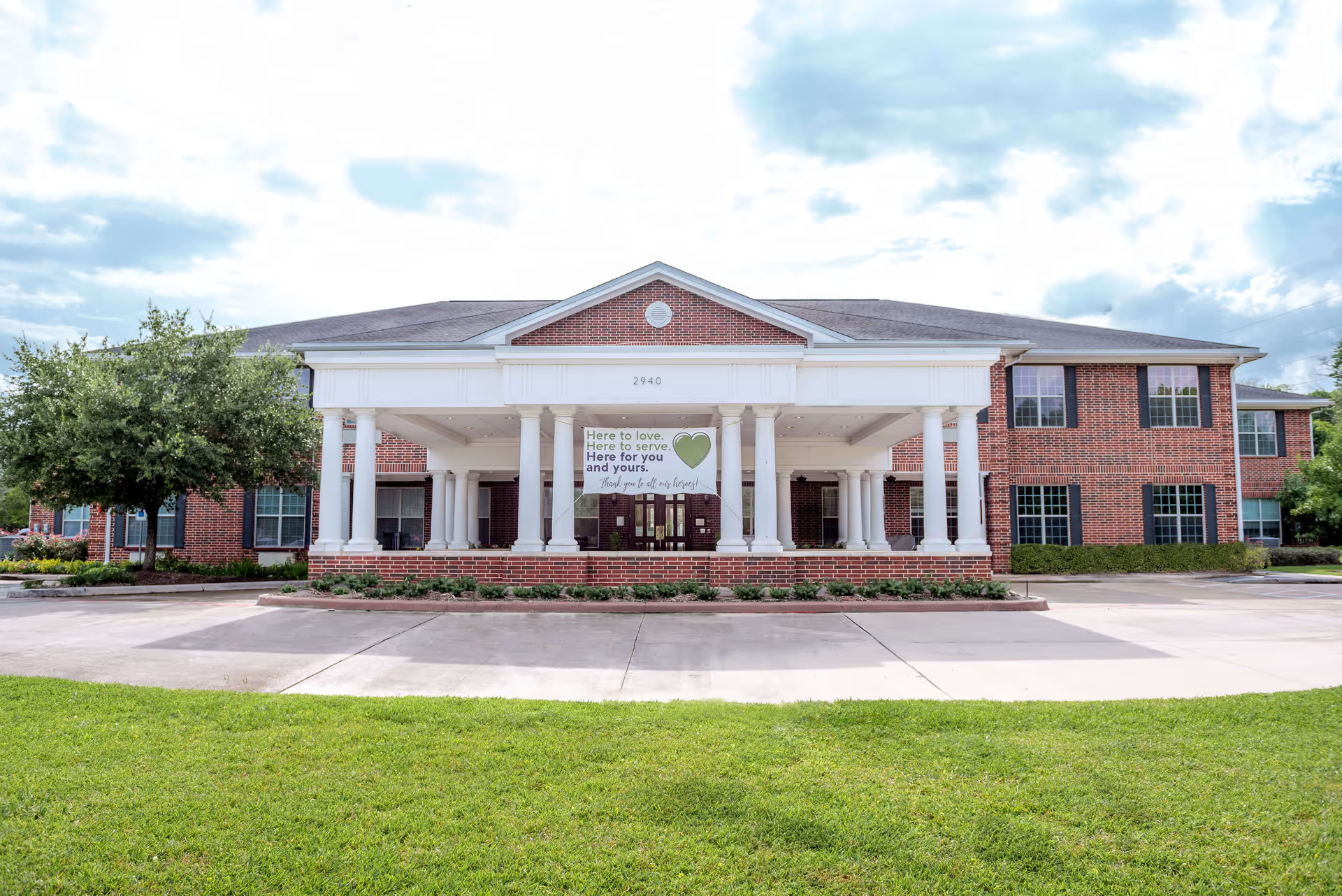
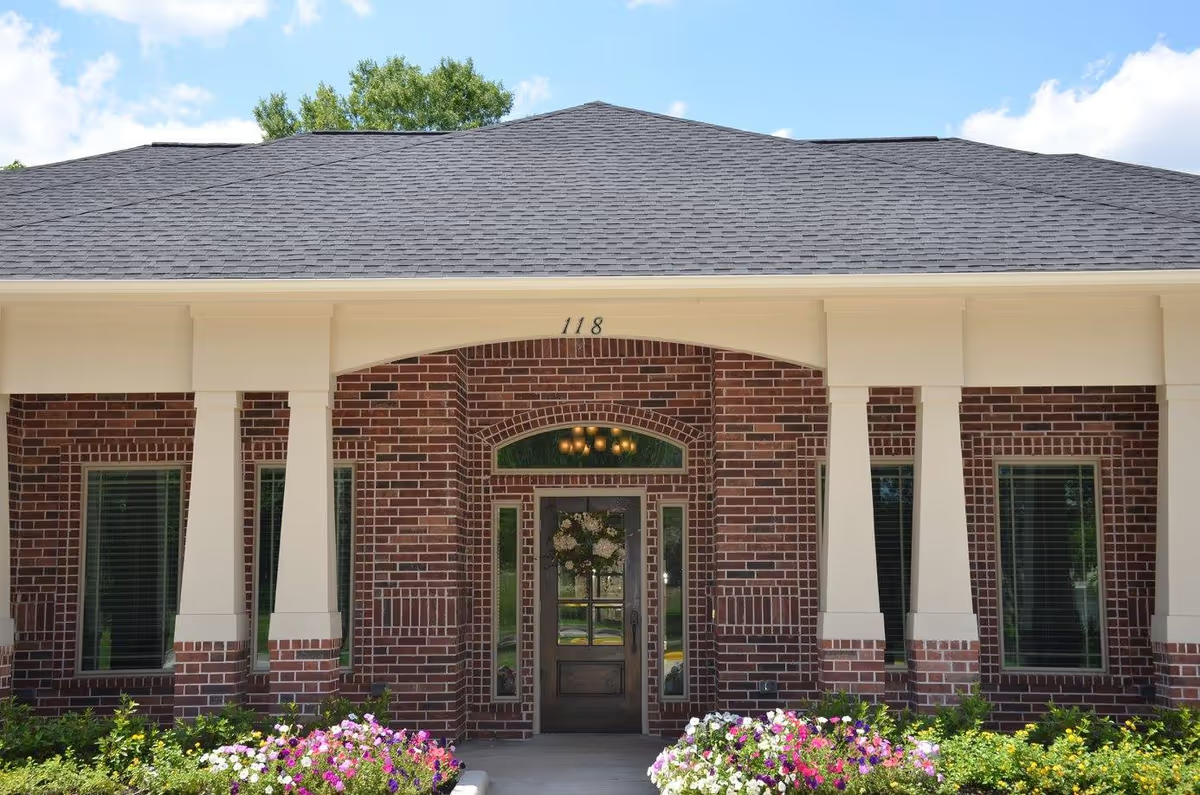
The Oasis at Pearland elicits highly mixed impressions: many families describe attentive, warm interactions, strong therapy services, and a homelike environment, while other accounts describe significant lapses in clinical consistency and operational reliability. Positive feedback centers on a welcoming admissions experience, visible owner involvement, an active activities program, and a rehabilitation department that several families identified as a strength. At the same time, reviewers report variability in day-to-day nursing care and responsiveness, producing divergent outcomes for residents depending on staffing and shift.
Care quality appears polarized. Strengths include strong post-surgical and wound care in some cases, effective physical and occupational therapy, and responsive individual caregivers who have intervened in emergencies. Offsetting those strengths are recurring concerns about inconsistent nursing attention, delays in responding to call alerts, and episodic gaps in clinical oversight. Several comments reference limited physician availability and delays in establishing formal care plans or obtaining medication clearances, which can prolong transitions of care and complicate treatment timeliness.
Staffing and culture show both positives and challenges. The facility benefits from visible owner presence and administrators who at times are described as responsive and accessible; named staff members received frequent praise for compassion and competence. However, reviewers also note high turnover, reliance on agency personnel, and uneven training or conduct among staff, which contribute to variable service levels and communication breakdowns with families and outside providers.
Dining and activities are generally cited as strengths. Multiple families praised meal quality, personalized dining accommodations, and an energetic activities schedule that includes social programming well liked by residents. Conversely, a number of accounts describe inconsistent meal variety or instances of food-related concerns, indicating variability in dining operations.
Facilities and safety feedback is mixed. Many reviewers describe clean, welcoming common areas and effective housekeeping, yet others raise sanitation concerns, inconsistent room upkeep, and security gaps such as unsecured entrances or limited visitor screening. These operational inconsistencies extend to linen availability and timely assistance with personal-care needs for some residents.
Management and oversight show signs of change. Several reviewers note recent administrative turnover and an expressed focus on quality improvement under current leadership, including an open-door policy and more proactive follow-through on concerns. In contrast, other accounts cite billing or admission-process issues, weak follow-up, and at least a few serious complaints that prompted regulatory attention. Prospective residents and families should weigh the facility’s strong therapy and social programs against the documented variability in nursing coverage, responsiveness, and housekeeping. When considering placement, verify current staffing patterns, physician coverage, medication-management procedures, and security protocols, and request direct references about recent operational improvements and complaint resolutions.