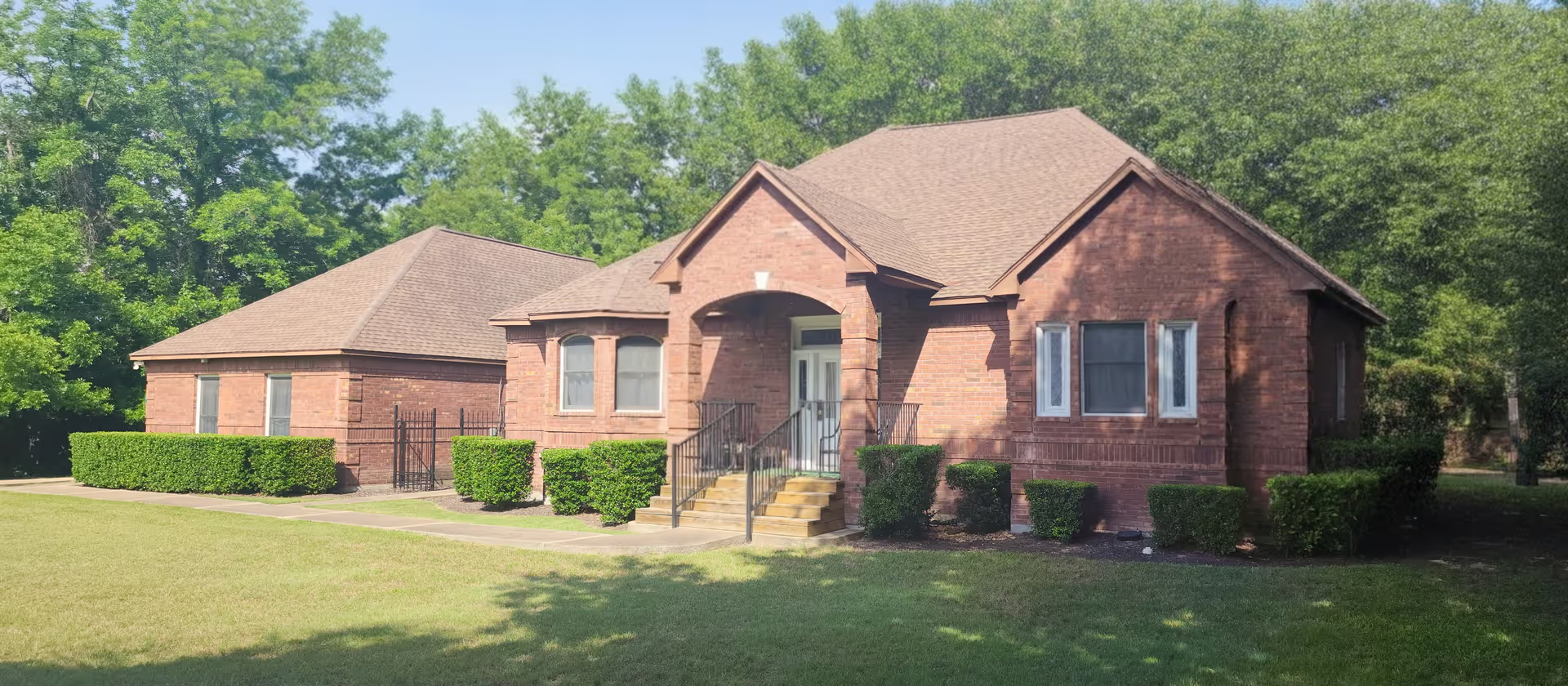
Reviews for Five Points of Pflugerville are highly mixed, with a clear pattern of strong frontline care staffed by dedicated individuals alongside systemic operational weaknesses. Many families and residents praised specific caregivers, CNAs, nurses, and therapists for compassionate, attentive care; the therapy department, social work/case managers, and admissions team were repeatedly described as proactive and helpful. Several comments highlighted positive resident engagement through activities and themed events, prompt maintenance work, a secure memory-care wing, and generally clean common areas.
At the same time, recurrent operational issues emerge across reviews. Staffing consistency appears to be a central concern: reviewers described understaffed shifts, high turnover, and particular responsiveness problems on certain shifts that result in delayed answers to call lights and slow assistance. Those staffing gaps are linked to care-process issues such as delayed bathing and incontinence-care, inconsistent medication and paperwork readiness, and limited availability for showers and personal-care routines. Safety practices also drew concern — reviewers cited weaknesses in transfer procedures, fall-prevention measures, and variability in how safety equipment (rails, mats) is used.
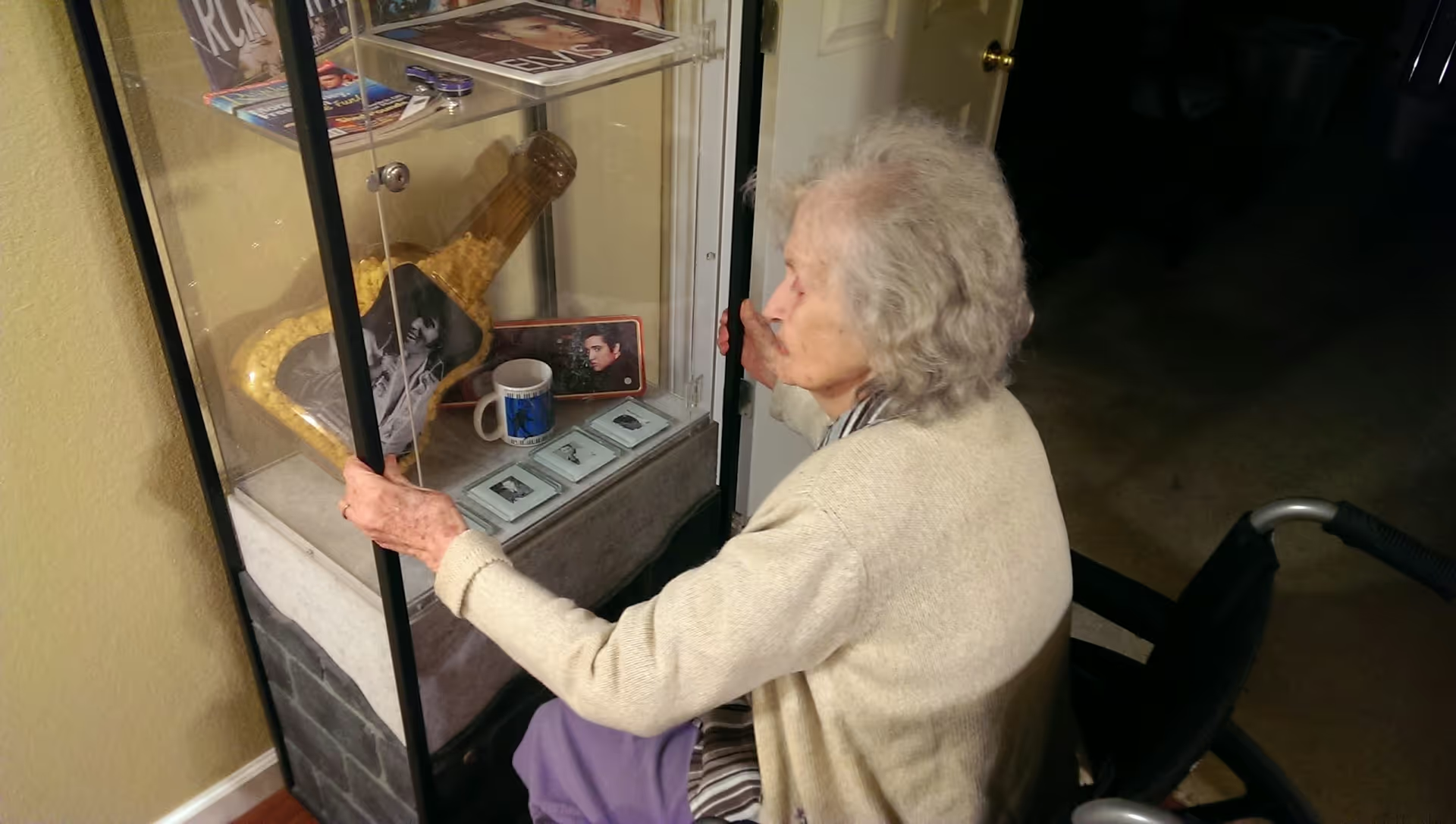
Dining and activities present a mixed picture. Many residents find meals acceptable and praise kitchen and food-service staff, but others note inconsistent food quality and limited beverage options. Activity programming and cognitive-stimulation offerings are strong for some residents but are described as sparse or under-resourced in other areas, and crowded common rooms or limited staff availability can reduce participation.
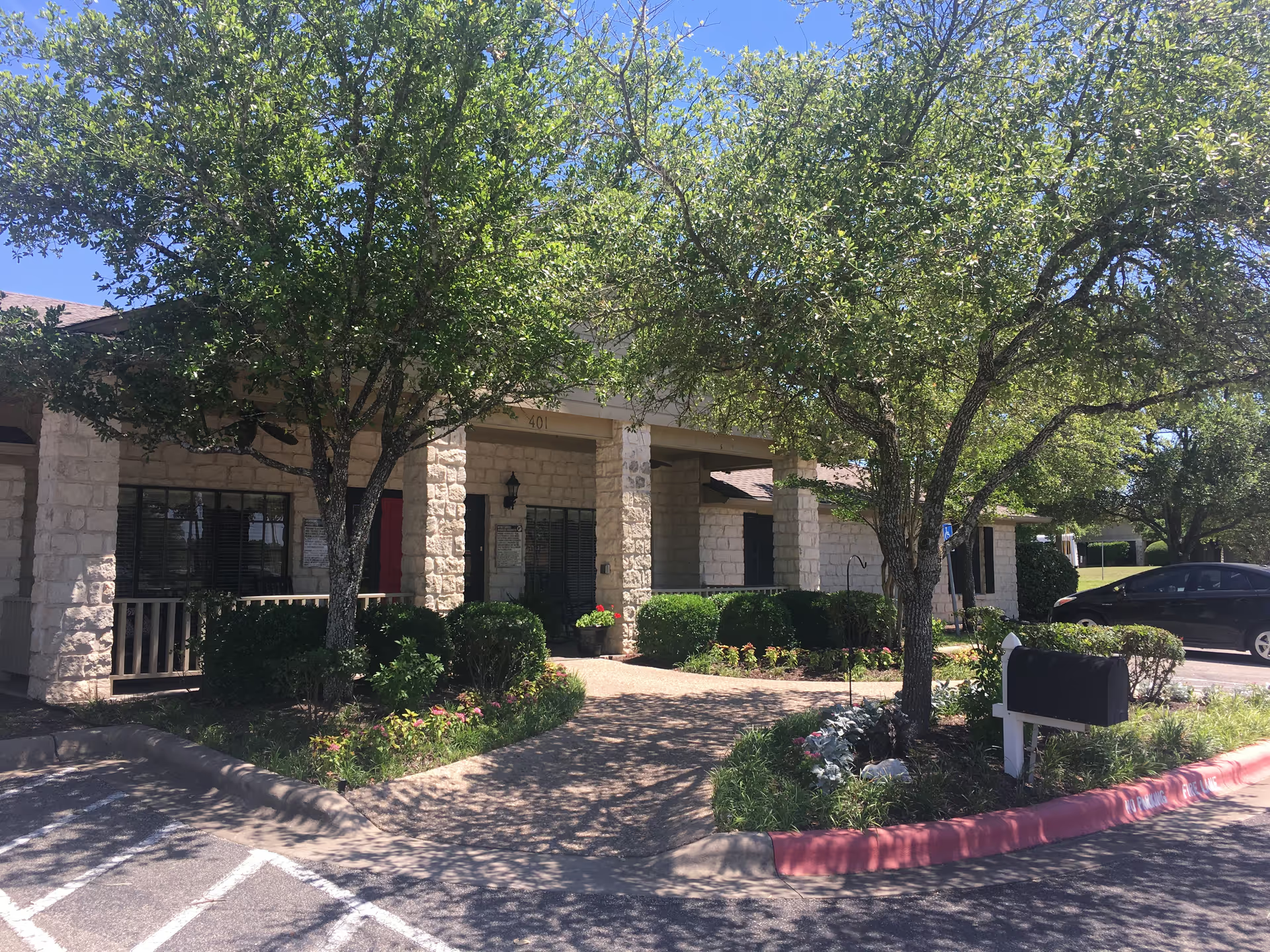
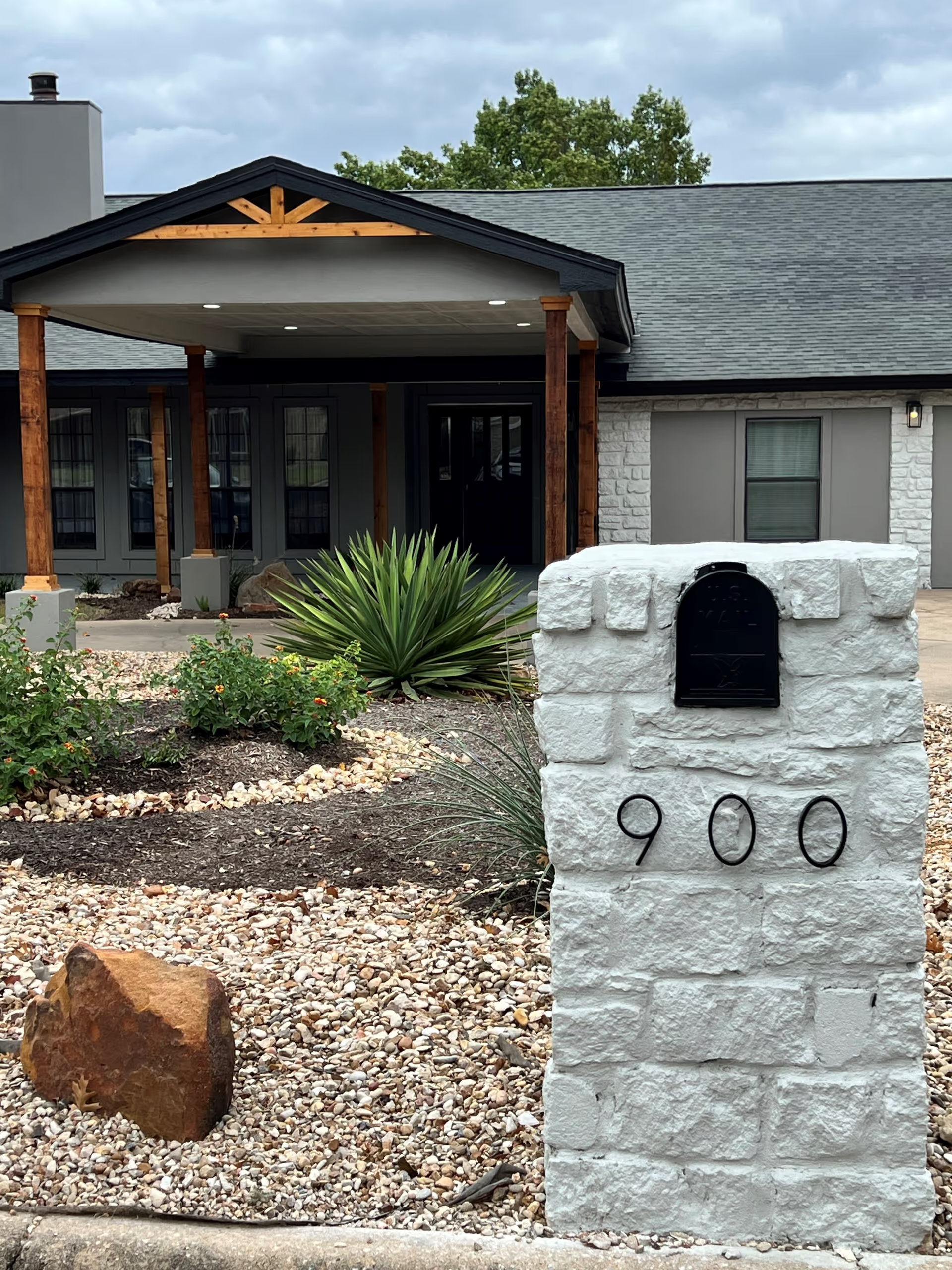
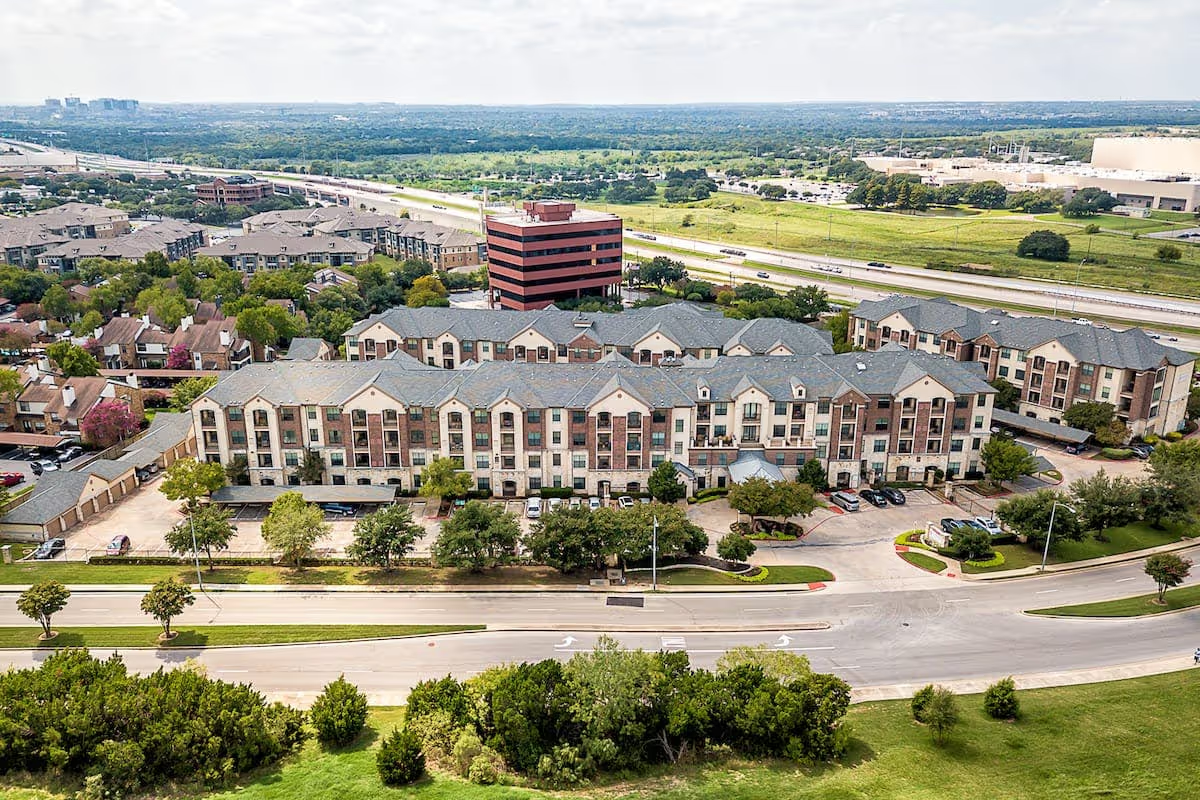
Facility maintenance and environment likewise show both strengths and weaknesses. Maintenance and quick repairs receive positive mention, and some visitors note a clean, fresh-smelling environment and a welcoming lobby. Conversely, there are intermittent sanitation and odor concerns, comments about pest-control issues, and repeated accounts of missing personal items and problematic laundry controls, including serious allegations of theft and mishandling of belongings. These issues, along with reported problems reaching administrative staff and delays in authorizations/referrals and refund/payment processing, point to gaps in administrative systems and oversight.
Management and communication appear uneven. Multiple reviewers praise individual leaders and staff who communicate well and arrange scheduled care meetings; others describe difficulty contacting administrators, poor transparency around significant events, and inconsistent follow-up. A subset of reviews references regulatory concerns and state inspection issues. Improvements since an ownership or management change were noted by some families, suggesting recent efforts to address problems, while other reviews indicate persistent operational and cultural challenges.
In summary, Five Points of Pflugerville shows strengths in individualized caregiving, therapy services, admissions, and certain facility operations, but also evidence of systemic weaknesses: inconsistent staffing and responsiveness, care-process and safety gaps, variable cleanliness and pest-control, administrative delays, and concerns about property controls. Prospective residents and families would benefit from direct inquiry about current staffing patterns, specific safety protocols (transfer and call-response), laundry/item-tracking procedures, and administrative workflows for authorizations and communication when evaluating the community.