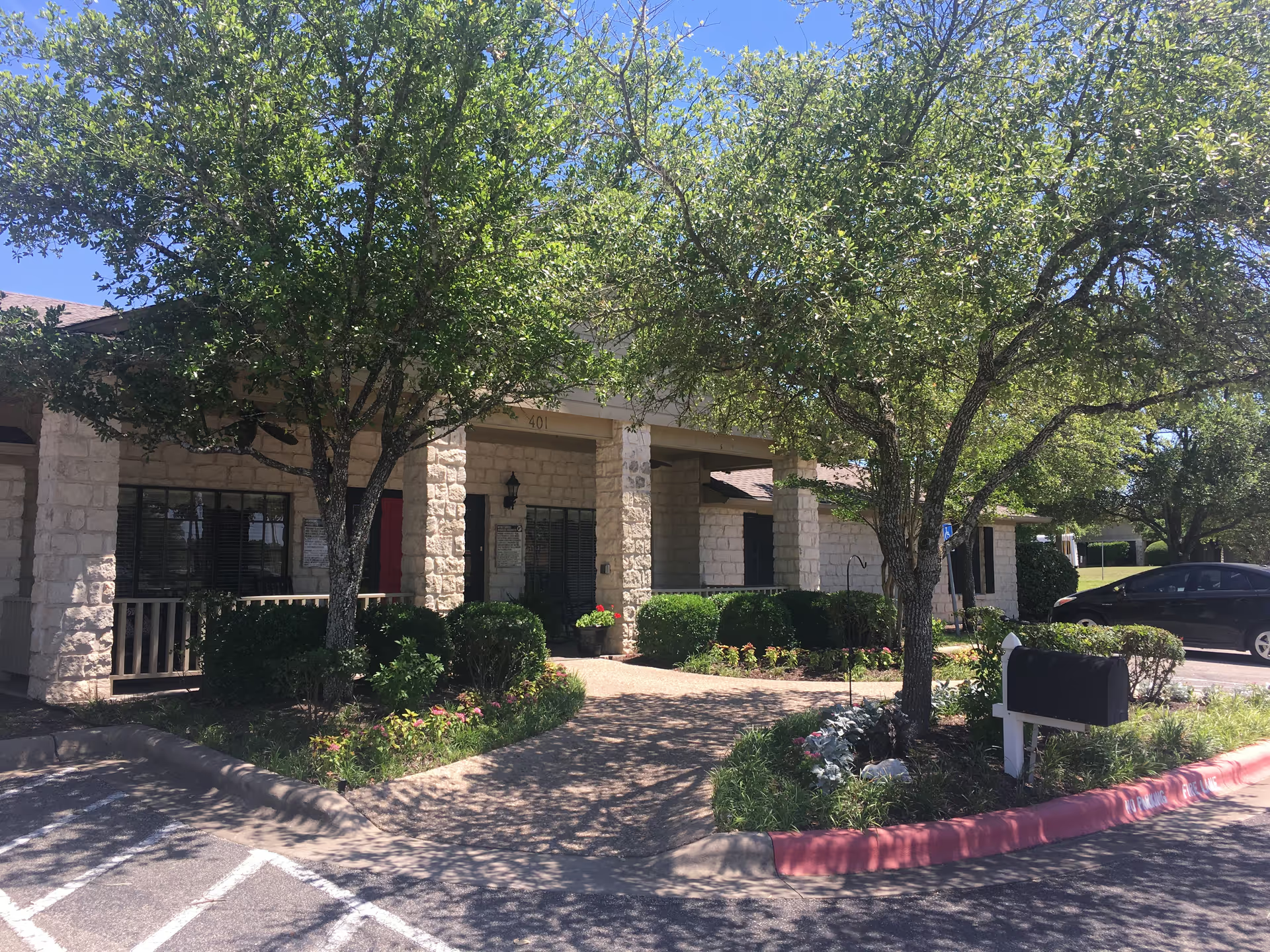
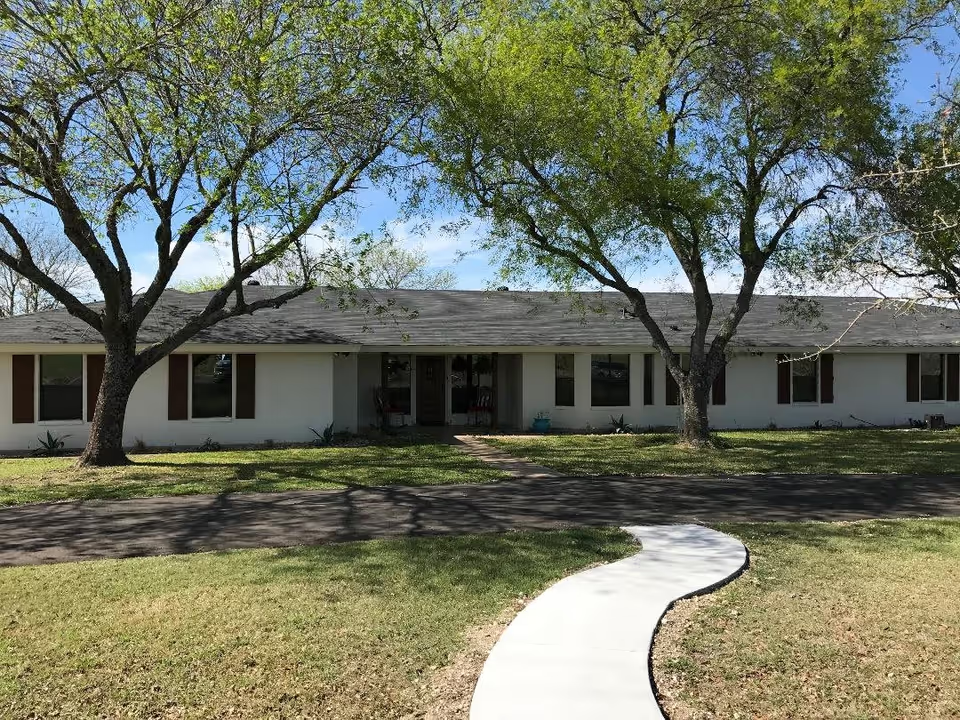
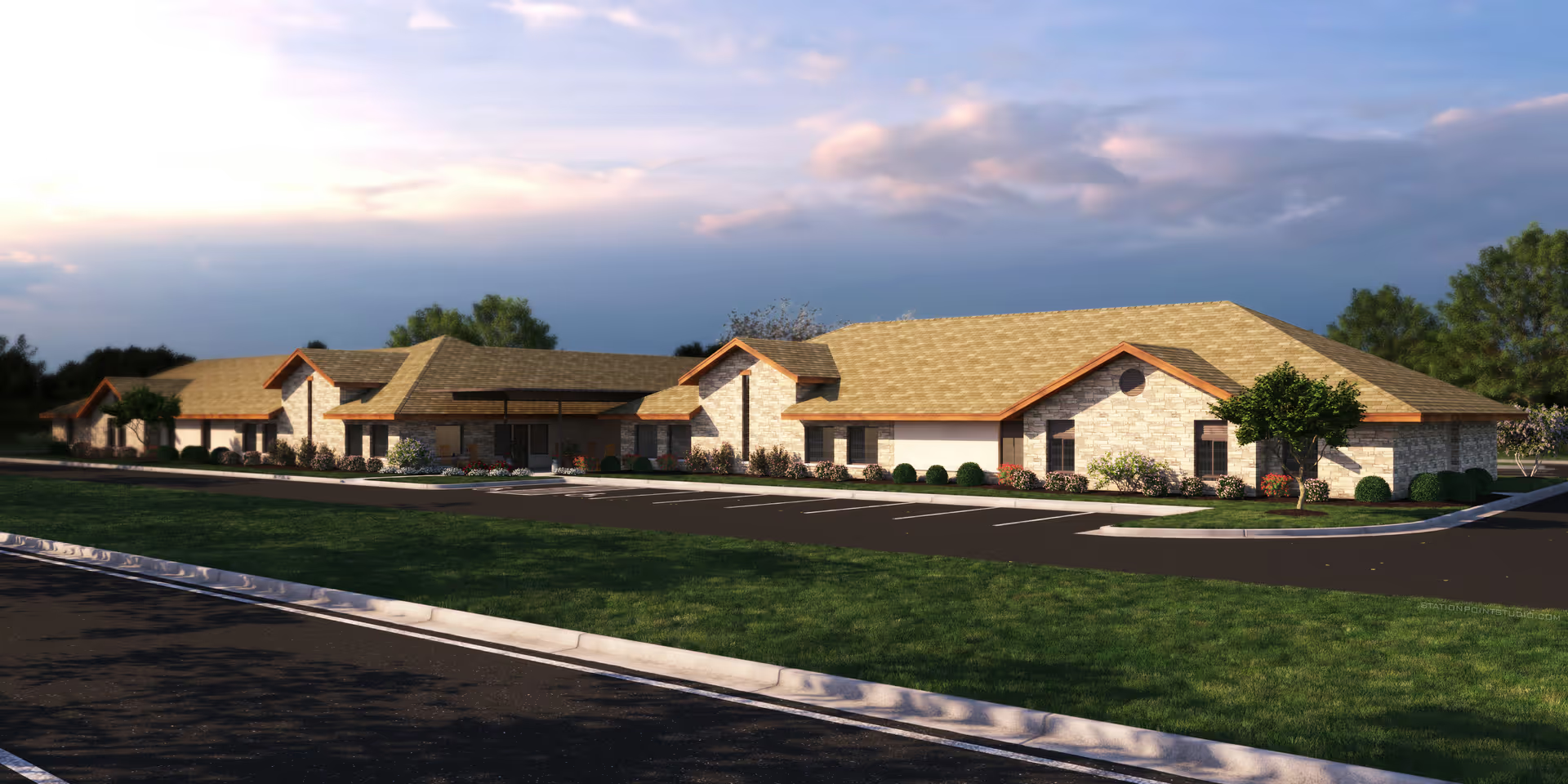
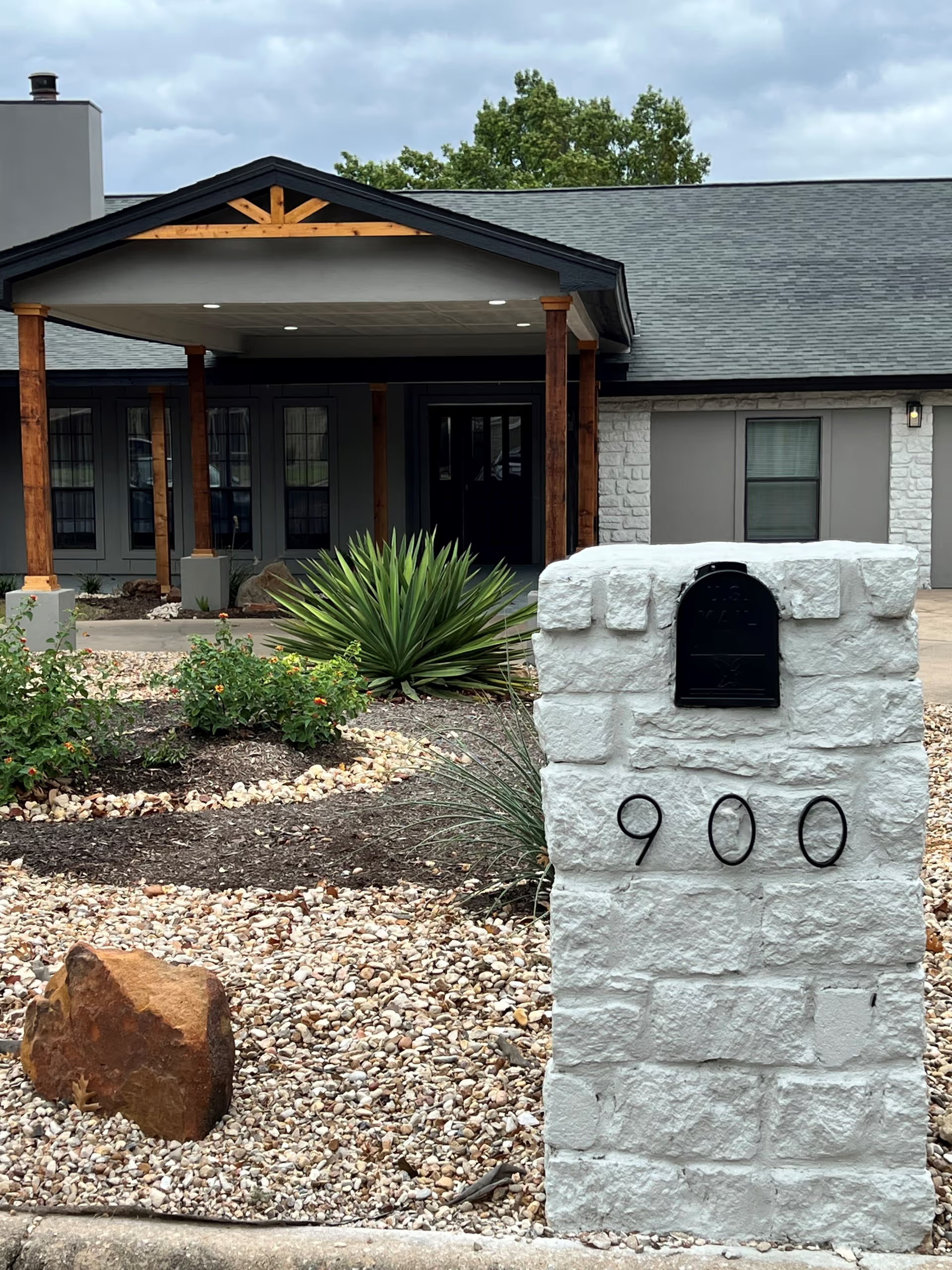
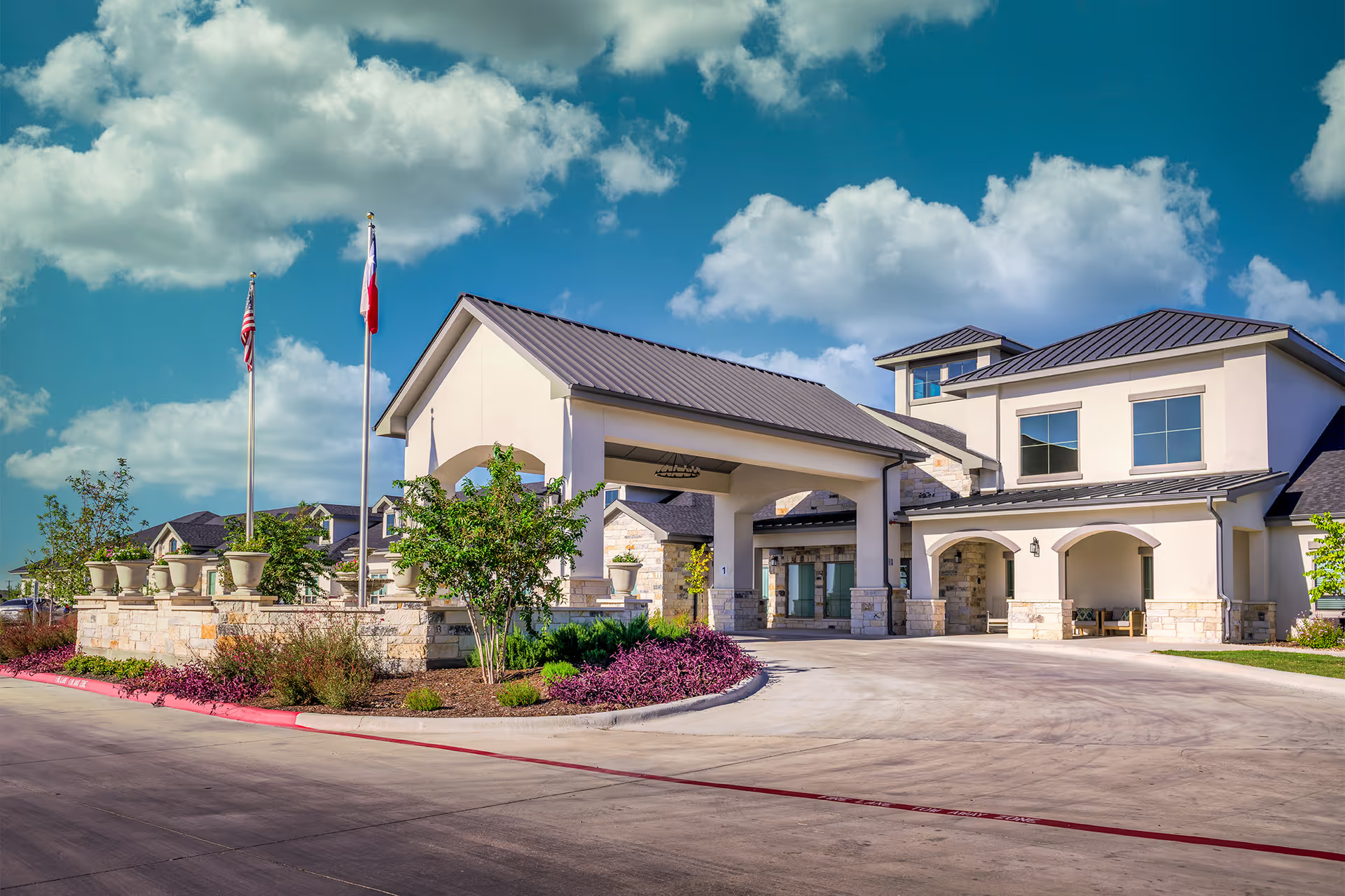
Pflugerville Nursing and Rehabilitation Center elicits a mixed but distinctive pattern of feedback. Many families and patients praise the clinical rehabilitation programs and therapy teams; physical and occupational therapy are frequently credited with measurable recovery and faster mobility after procedures. Nursing staff members are often described as compassionate, attentive, and engaged, and bilingual employees support Spanish-speaking residents and families. Admissions and front-desk functions receive positive comments for clear financial explanations and organized intake, and housekeeping and laundry services are regularly noted as efficient. The facility's interior and common areas are repeatedly described as clean and well-maintained, and planned activities and social opportunities contribute to a lively atmosphere for residents.
Alongside these strengths there are consistent operational concerns. Reviewers describe uneven staff conduct and variable responsiveness to resident requests, which appears to correlate with staffing levels and turnover. Medication administration and documentation have been mentioned as an area of risk, including delayed doses and gaps in tracking. Families also flag inconsistent personal-care routines — for example bathing schedules and wound-care follow-up — which can affect comfort and clinical outcomes. Administrative-level weaknesses appear in billing and discharge communication, with some families experiencing slow or unsatisfactory resolution of financial questions.
Dining receives mixed evaluations: the kitchen produces some appealing, well-executed entrées and therapeutic options, but meal quality and temperature control are inconsistent and portioning has been described as small at times. The food-service experience reportedly improved for some after management changes, indicating variability tied to staffing and leadership in that department. Facility equipment and systems show limitations as well — an outdated call-button system and occasional non-working resident entertainment equipment create delays and frustration for residents and families. There are also isolated sanitation and pest-control concerns and at least one allegation of security/property-handling problems; these raise issues about environmental controls and asset oversight that would merit administrative attention.
In practice, prospective residents and families should weigh the facility's demonstrated strengths in rehabilitation, bilingual communication, and housekeeping against operational variability in clinical responsiveness, medication processes, and administrative follow-through. For families considering admission, targeted questions about staffing ratios, medication administration protocols, wound-care practices, meal service processes, and recent changes in leadership or kitchen management will help assess whether the facility's current operations align with a particular resident's needs.