The reviews for Hearthstone Nursing and Rehabilitation present a polarized picture: many families and residents describe compassionate clinical care, strong therapy services, and an active activities program, while others raise significant operational concerns that affect day-to-day resident experience. Positive experiences frequently reference attentive nurses, skilled PT/OT/SP teams, engaged activity staff, and supportive social-work/discharge coordination. Several reviewers highlighted effective end-of-life care and strong hospice collaboration, along with clean outdoor areas and helpful admissions support.
Clinical care quality appears inconsistent. Multiple accounts praise nurses who are attentive and proactive, and therapy outcomes are often described as excellent — residents regaining strength and mobility are specifically noted. Conversely, other accounts describe delays in medication timing, missed or late medications, gaps in wound checks, and inconsistent application of treatments. There are also allegations of medication diversion and theft; given the seriousness of those claims, families should verify medication-management and security protocols directly with facility leadership. Call-button and phone responsiveness are recurrent concerns and are tied to perceptions of delayed clinical response.
Staffing and staff conduct are central themes. Reviewers describe chronic understaffing, heavy reliance on agency personnel, and high turnover; these factors are associated with variability in staff skill, experience, and bedside manner. Several reviewers cited helpful, compassionate frontline staff and visible managers who address issues quickly; others noted unprofessional behavior, poor communication tone, or overly busy staff who cannot meet all resident needs. These patterns suggest that resident experience can depend heavily on which staff are on duty and how leadership is managing workforce stability.
Dining and daily living services show mixed feedback. Positive notes include flavorful meals at times, diabetes-friendly options, and attentive cafeteria staff. However, multiple reviewers cited late or cold meals, inconsistent meal assistance, and limited fresh produce or variety. Meal timing problems were flagged as a clinical risk for residents with dietary-sensitive conditions. Personal-care and hygiene practices are another operational weakness: inconsistent bathing and clothing changes, incontinence-care delays, and occasional lapses in housekeeping are reported alongside accounts of clean, well-kept rooms under attentive staff.
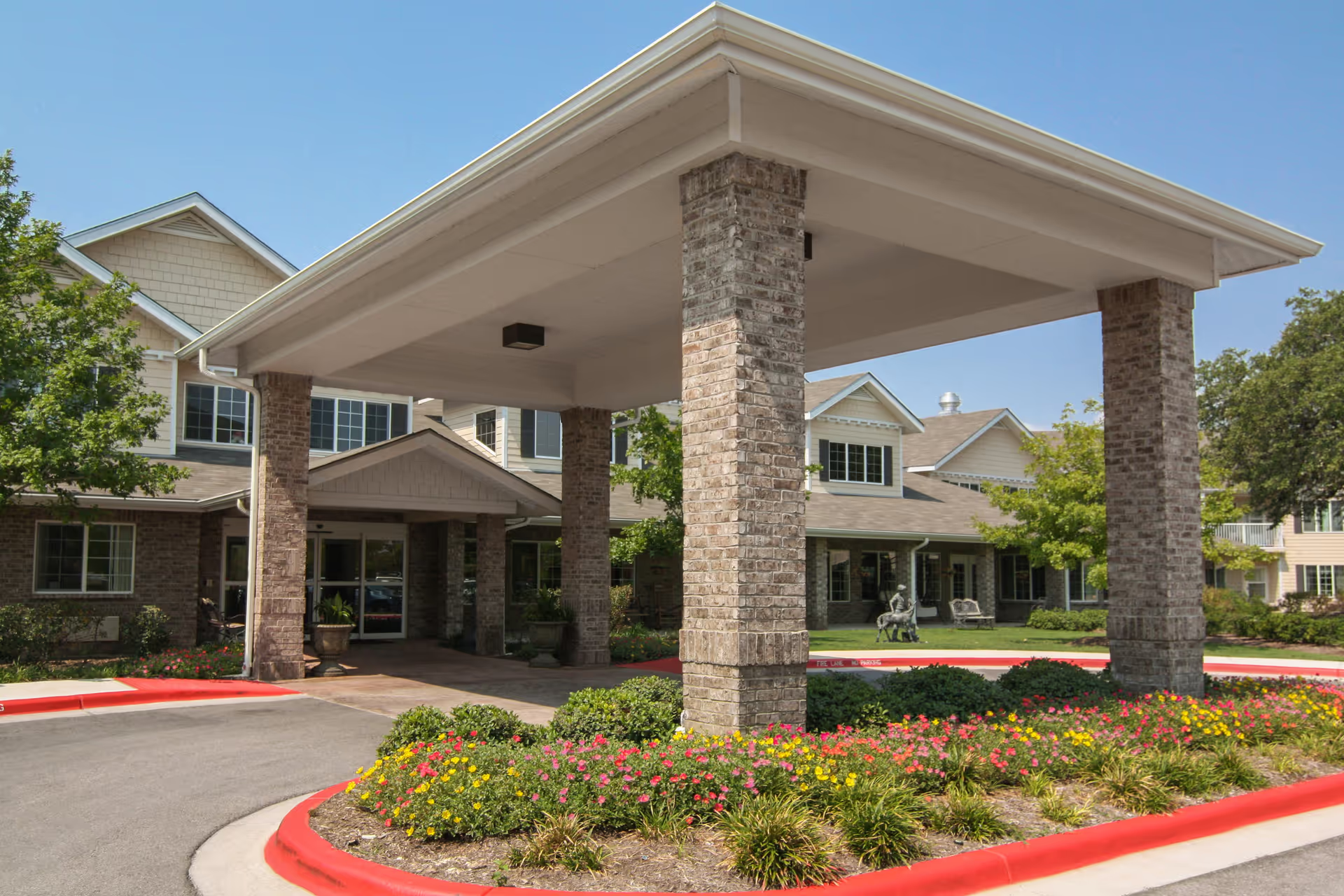
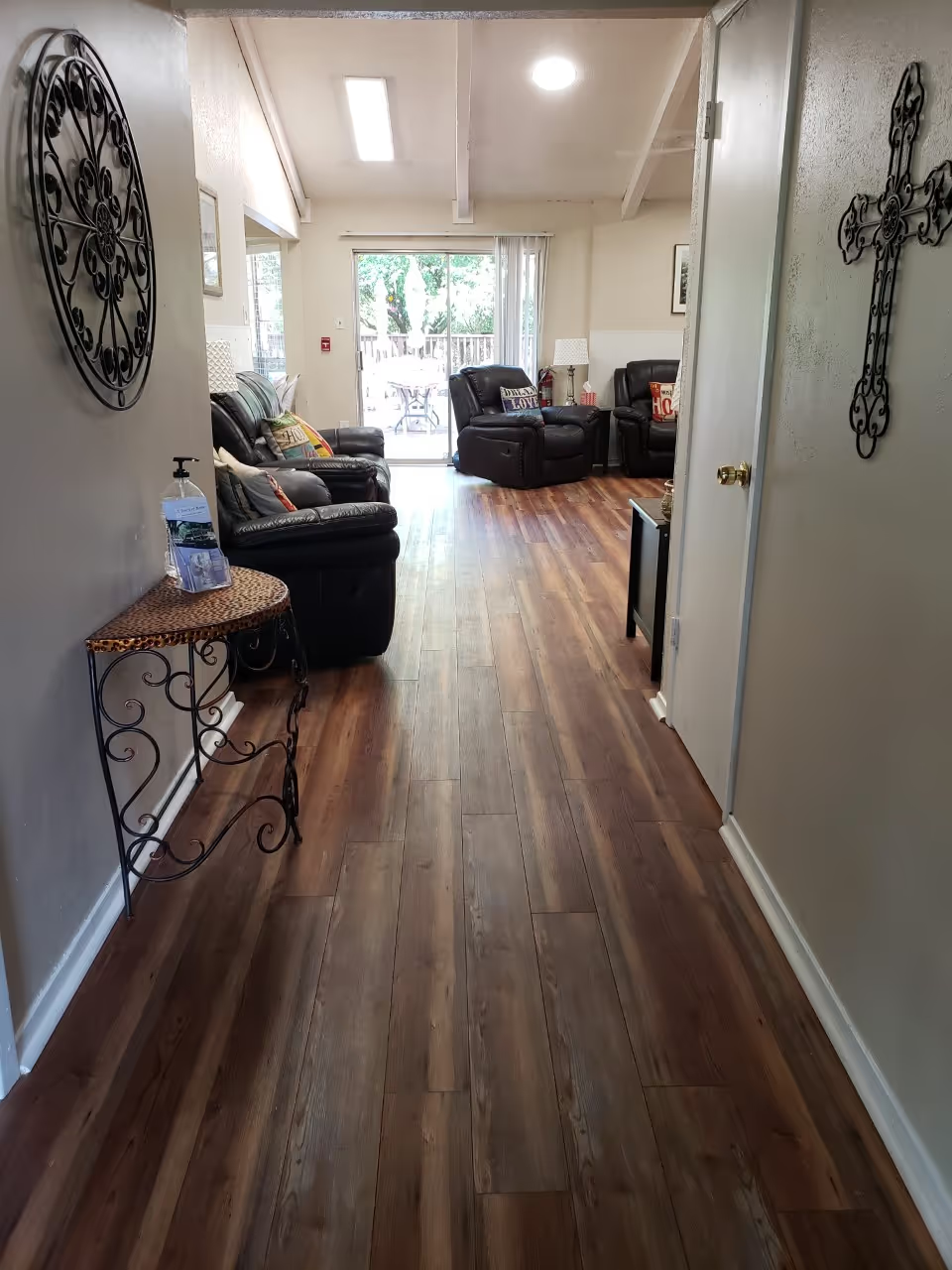
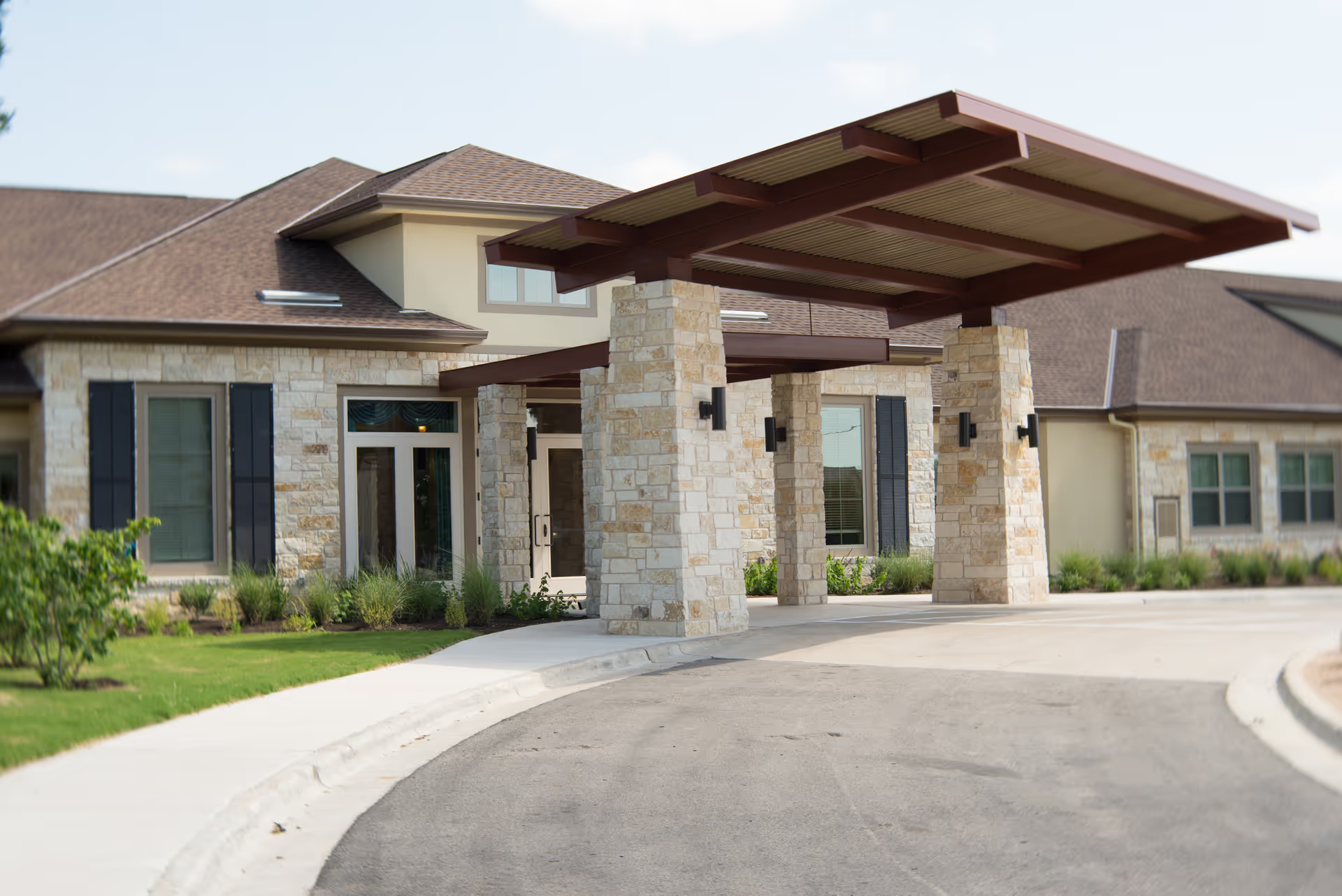
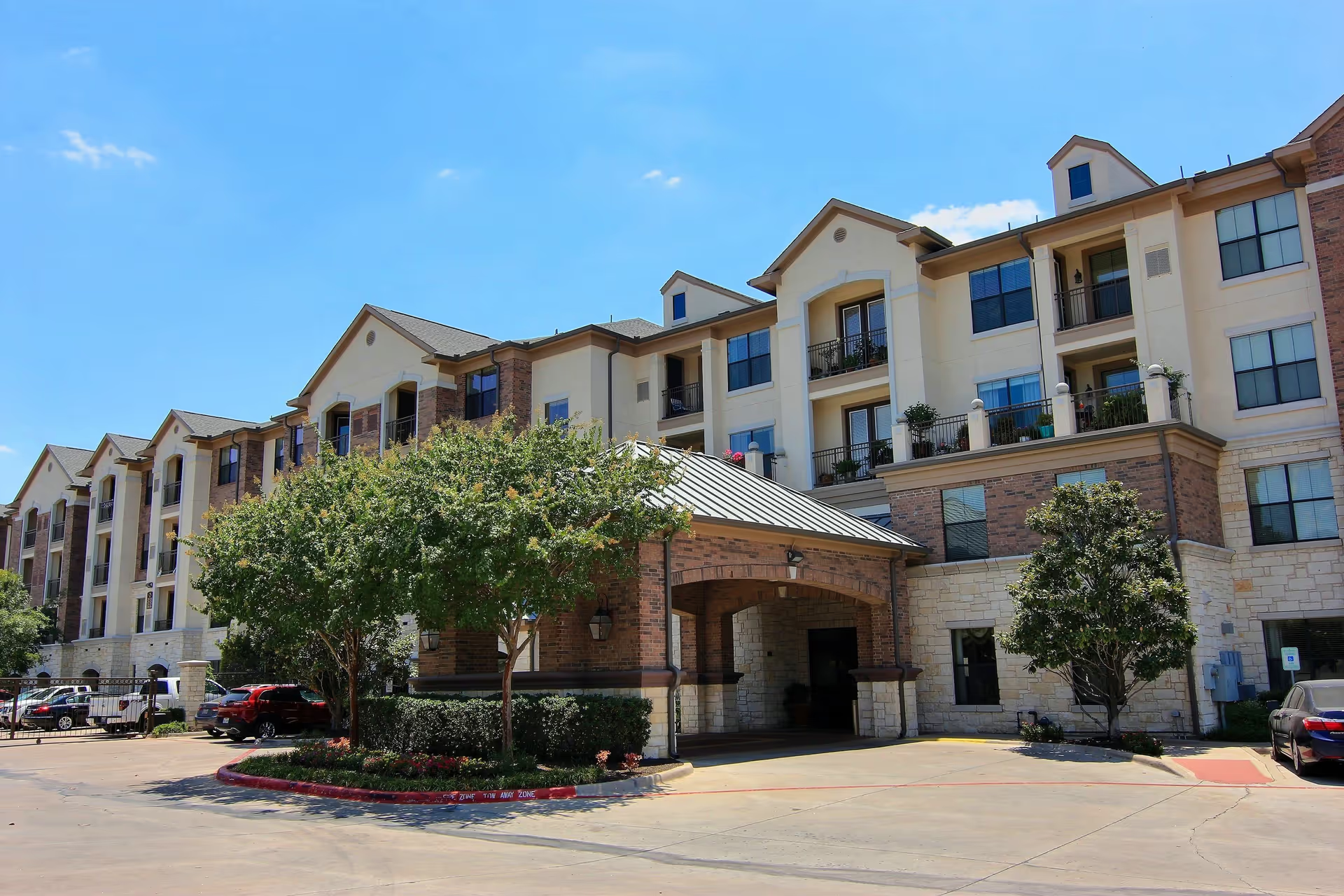
Facilities and maintenance descriptions vary by unit and timeframe. Many reviews praise attractive courtyards, outdoor seating, and bright common areas. At the same time, others point to sanitation and pest-control gaps, odor concerns in specific areas, locked cleaning supplies, cluttered rooms, obstructed bathrooms, and dated furnishings. Several reviewers said management changes and new leadership led to observable improvements; this suggests the facility's condition may be evolving and that local management engagement affects outcomes.
Management and communication are uneven. Positive experiences highlight visible leadership, responsive social workers, and proactive problem resolution. Negative experiences describe unreturned calls, dismissive handling of complaints, data/privacy concerns related to sign-in practices, and inconsistent follow-through. Given the mixed pattern, prospective families should confirm the facility's current leadership practices, complaint-resolution process, and recent quality-improvement initiatives.
Recommendations for prospective residents and families: schedule an on-site visit during different shifts (including evenings/weekends) to observe staffing levels and mealtimes; ask for current staff-to-resident ratios and the facility's use of agency staff; review medication-management, wound-care, infection-control, and pest-control protocols; request recent survey and inspection records; meet the therapy and activities teams; and clarify communication procedures for families and escalation pathways for clinical concerns. These steps will help assess whether Hearthstone’s strengths align with a particular resident’s care needs and whether recent management efforts have addressed the operational weaknesses noted by reviewers.