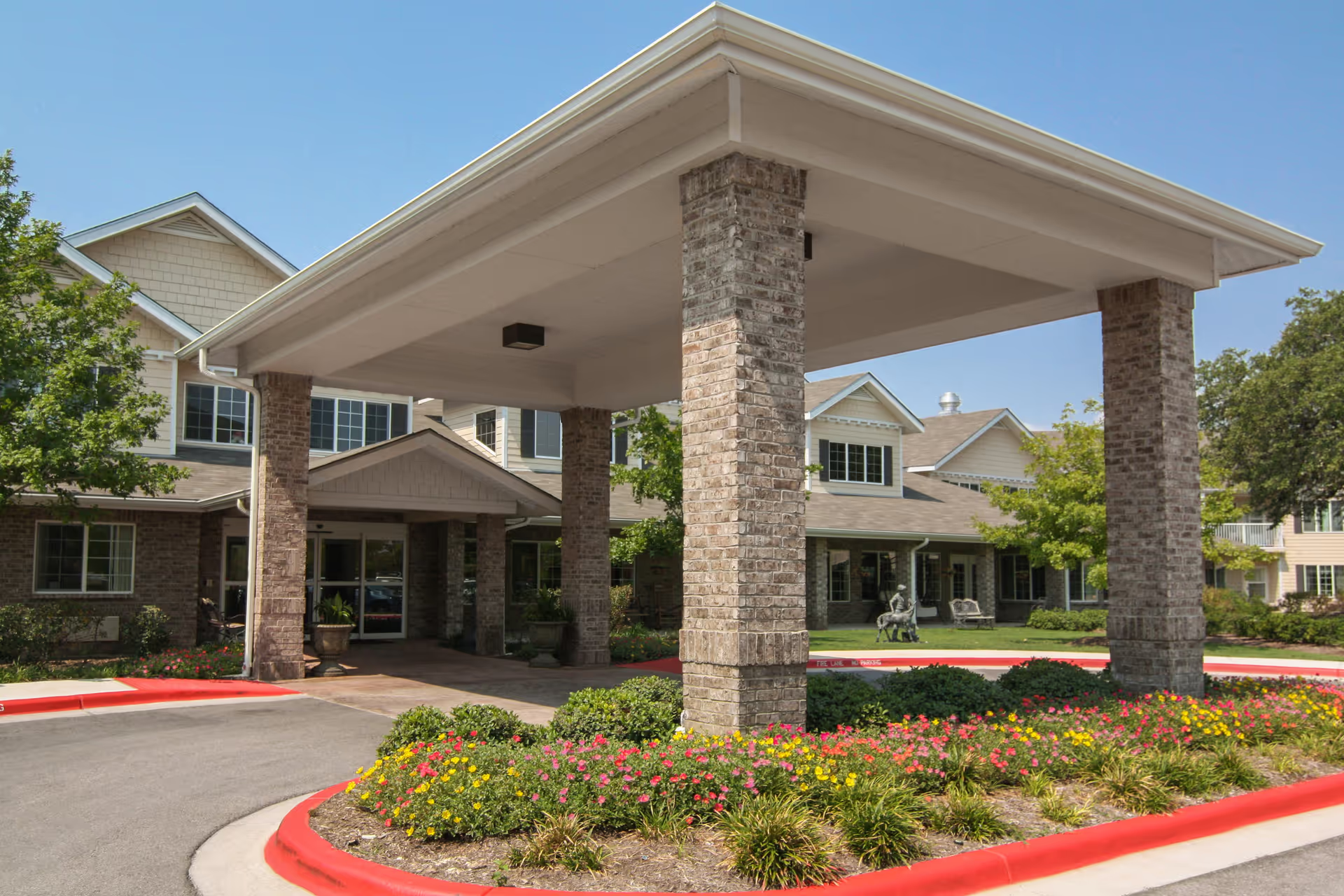
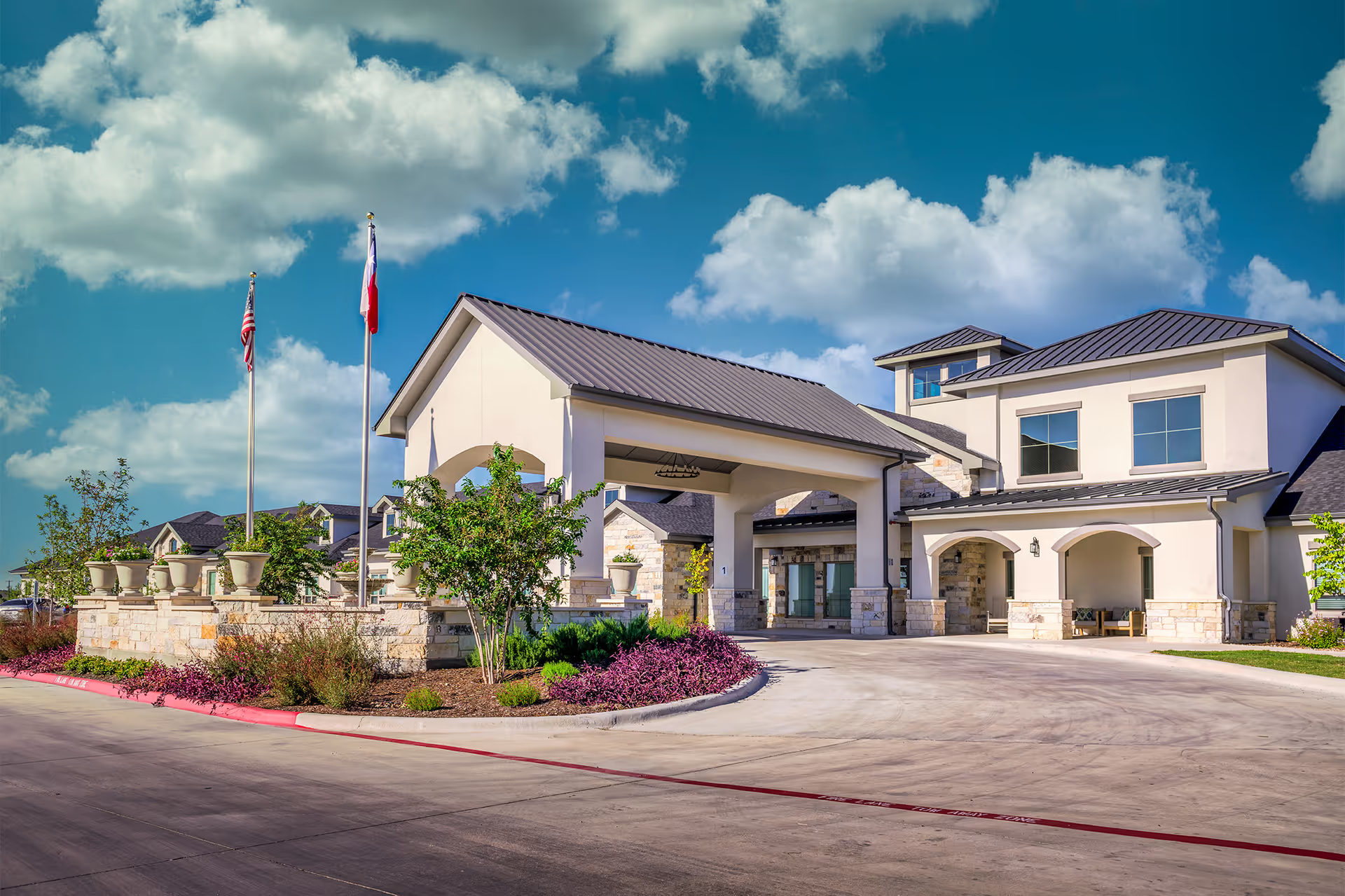
Provident Crossings presents as a modern, resort-style independent living community with a strong emphasis on amenities and an active social environment. Reviewers consistently highlight the facility's visual design — frequently described as having a "cruise-ship" feel with a large atrium and water feature — and a broad range of on-site services: a 150-seat theater, library, fitness center, pool, salon and barbershop, chapel, banking services, multiple dining venues, and numerous common conversation spaces. Apartment offerings are generally characterized as spacious and well-appointed, with full kitchens, granite finishes in some units, in-unit washer/dryer hookups, and generous closet space. The location near shopping and medical services is also noted as convenient.
Care and staffing observations are mixed. Many families and residents praise frontline staff, concierge personnel, and individual managers as attentive, compassionate, and responsive; weekly housekeeping and routine maintenance receive frequent positive mention. At the same time, there are recurring concerns about staffing stability — several reviewers described high turnover, understaffing at peak times, and variability in service responsiveness. These staffing dynamics have been linked by multiple reviewers to inconsistencies in dining service and occasional delays in resident assistance. Prospective residents should note that the facility primarily functions as independent living; there is limited on-site higher-acuity or memory-care capacity, and a number of reviewers observed a resident mix that includes people with greater care needs than independent living typically assumes.
Dining is a prominent selling point and a frequent source of divided opinion. The community employs a professional on-site chef and offers flexible dining options (buffet and sit-down, snacks/chef pantry, room service when required), and many reviewers praise meal variety, special-event dinners, and accommodations for dietary needs. Conversely, a substantial subset of feedback identifies inconsistent meal quality, buffet shortcomings, long lines during peak service, and occasional shortages tied to staffing or operational turnover. These issues are described as intermittent rather than universal, so an on-site observation of mealtimes and clarification of meal-plan mechanics (guest meals, monthly credits, use-or-lose policies) is advisable.
Activities, social life, and outings are consistently strong features. Reviewers describe a full calendar — live music, themed parties, bingo, Mahjongg, Wii bowling, exercise classes, regular shopping and cultural outings, and resident-led clubs — that supports social engagement. The property is also pet-friendly with dedicated outdoor space, and it provides transportation for appointments and shopping, though some reviews note limits in frequency or scheduling flexibility.
Management and operational issues are the area with the most variability in feedback. While many reviewers credit management for accessibility, improvements, and strong program direction, others describe recent management turnover, inconsistent enforcement of community policies (for example, smoking rules), disputes over administrative deposits or meal charges, and occasional contentious interactions involving policy interpretation or outside caregivers. There are also isolated sanitation and odor concerns referenced in a minority of comments; these are not described as pervasive but are worth checking during an in-person visit. Pricing and fee structure are another consistent consideration: upfront entrance fees, administrative charges, and monthly rates are frequently described as above-market for the area, and some residents advise careful review of the contract and refund/fee policies.
Overall pattern: Provident Crossings is frequently recommended for independent-living residents who prioritize amenities, dining variety, and an active community lifestyle and who can absorb higher entrance and monthly costs. The strongest positives are the built environment, social programming, and the presence of a professional culinary program. The primary cautions are operational: clarify staffing levels and turnover trends, observe mealtime service, confirm policy enforcement and caregiver rules, review all fees and deposit/refund provisions, and assess whether the community's level of clinical support aligns with the prospective resident's long-term care needs. A focused tour that includes mealtime observation, review of the contract, and direct conversations about staffing and policy enforcement will best help families determine fit.