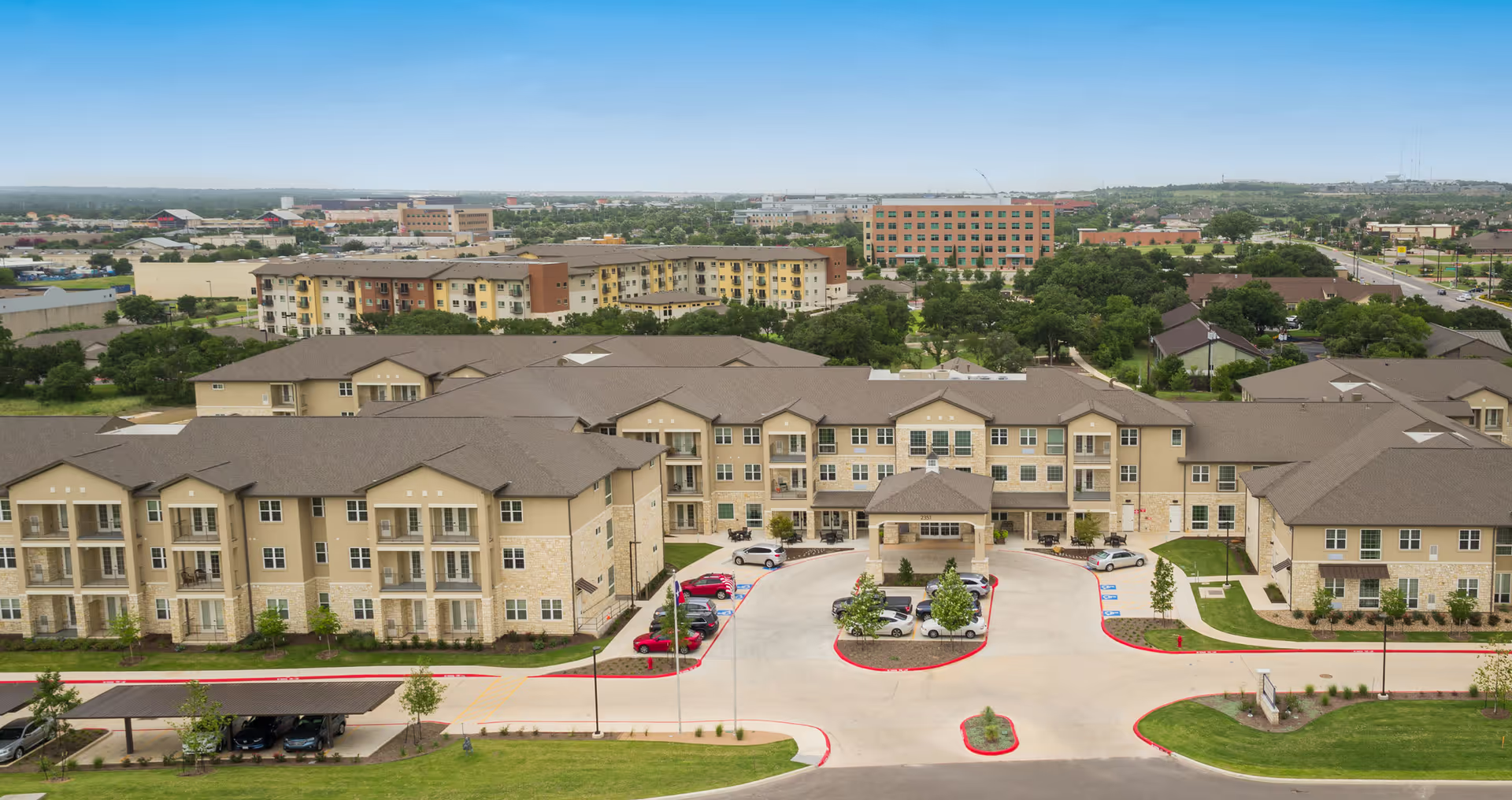
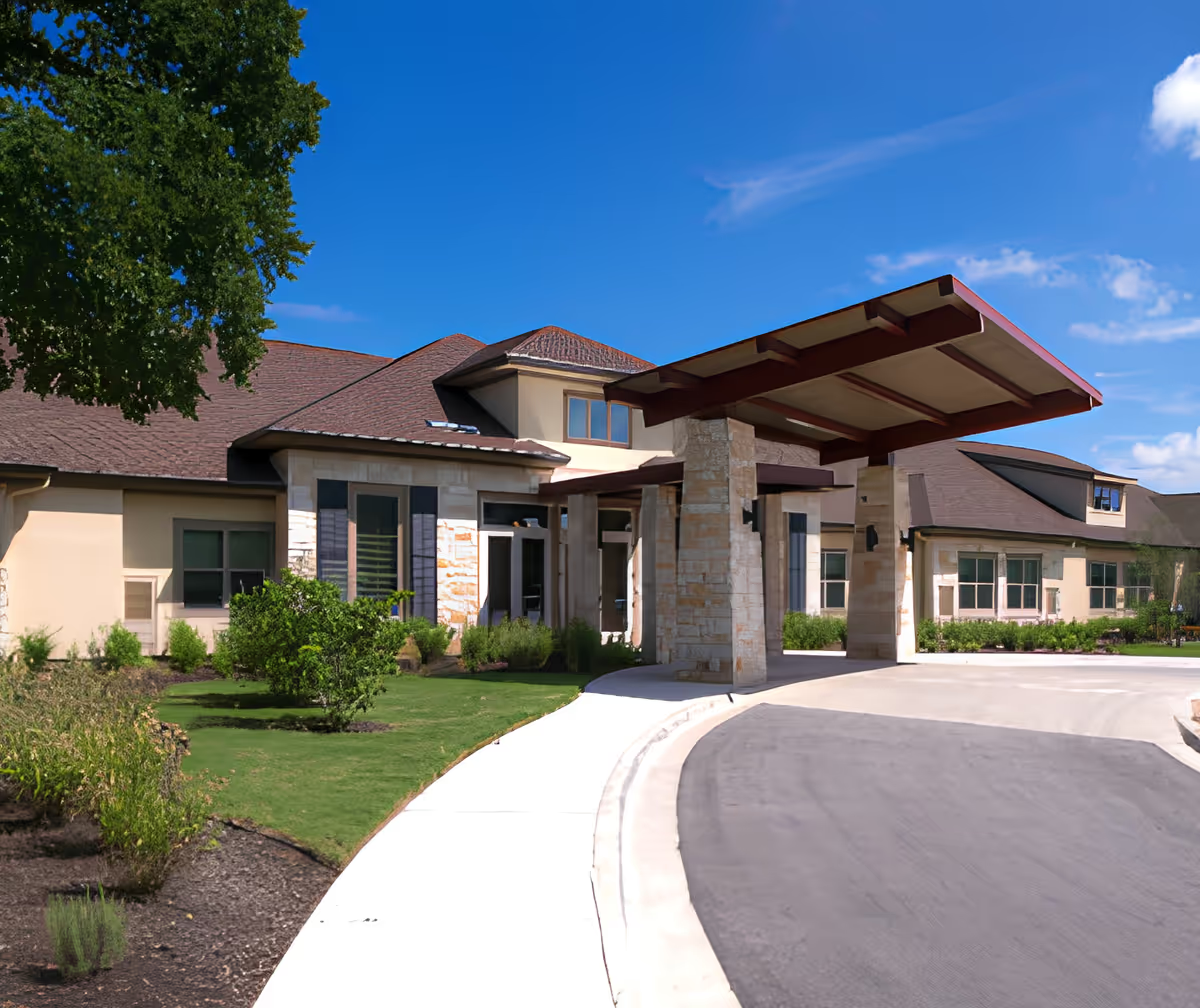
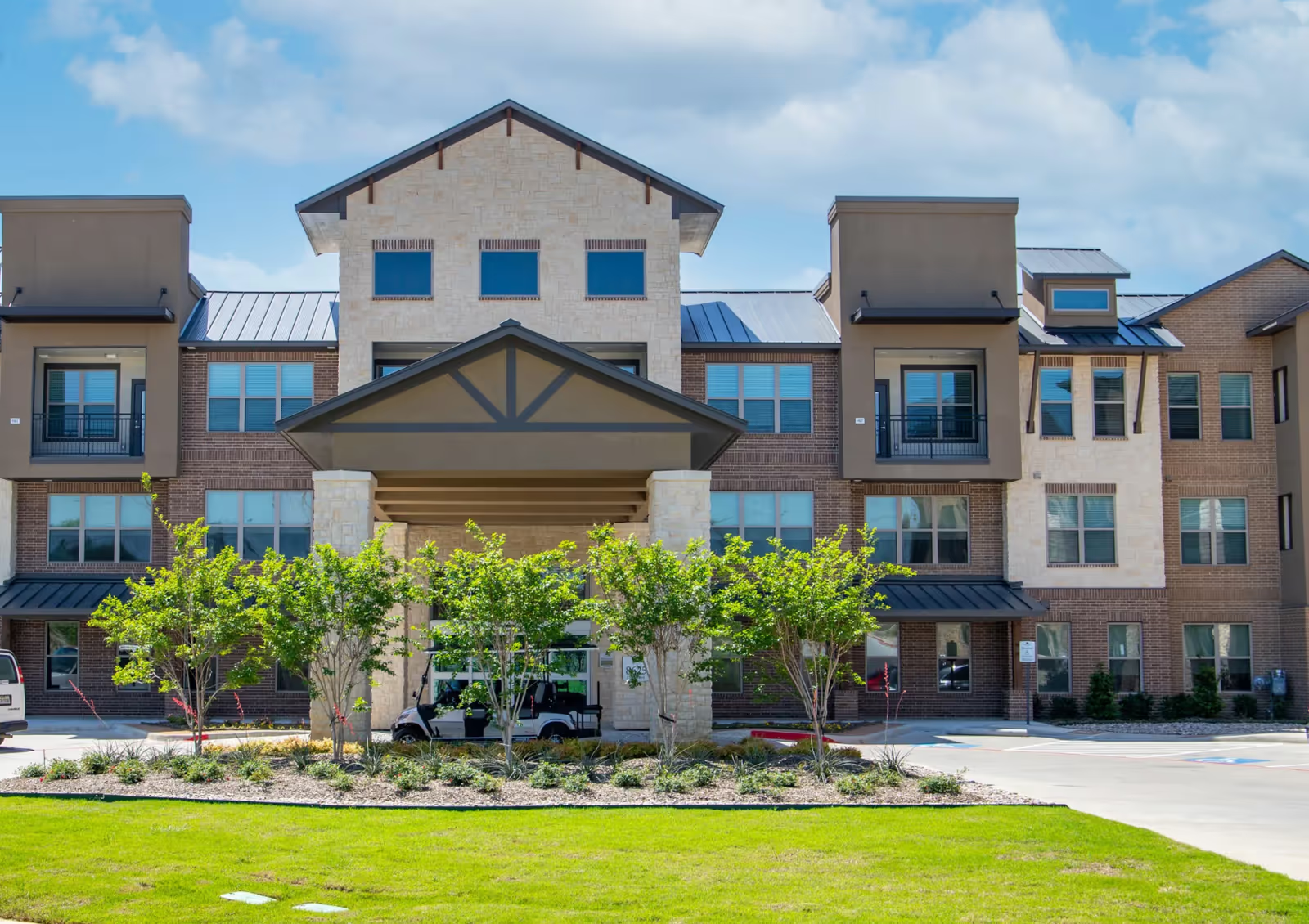
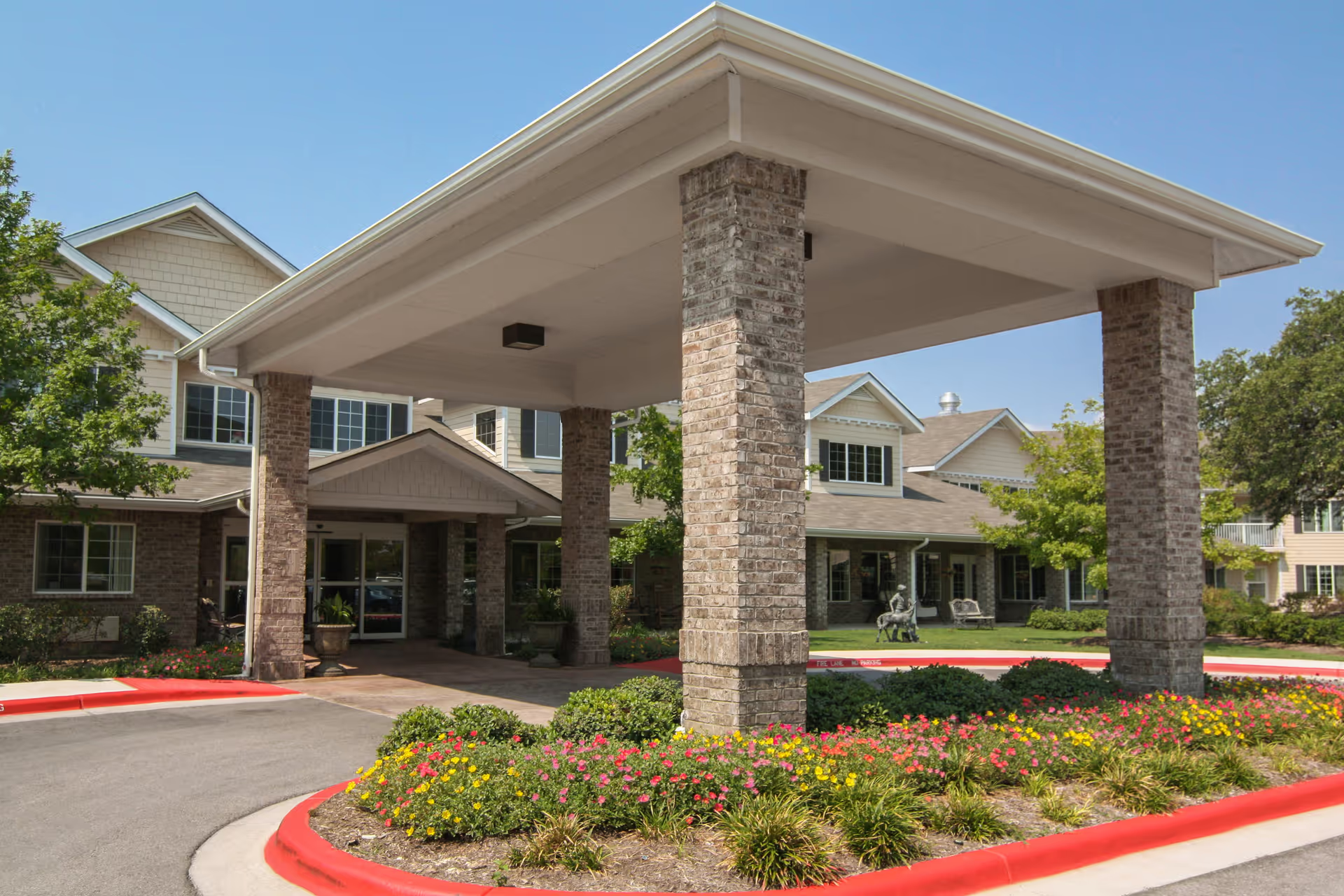
The Court at Round Rock generates broadly positive impressions for many residents and families, with recurring praise for its caregiving staff, dining program, and active social life. Reviewers commonly describe staff as compassionate, attentive, and personable; many highlight long-tenured employees and specific team members as sources of continuity. The community offers apartment-style units, some with full kitchens, and provides a range of support services including housekeeping, laundry, transportation, on-site therapy coordination, and hospice cooperation. Many families value the on-campus transition between independent and assisted living and cite the facility's location and pricing as competitive for the market.
Dining and programming are frequent strengths. The facility is noted for chef-prepared, restaurant-style meals with generous portions, flexible meal times, and multiple dining options. A wide menu of activities — from fitness classes and crafts to outings, resident-run events, and weekly happy hours — contributes to an engaged social environment. Common spaces, gardens, multipurpose rooms, and exercise facilities are viewed as well-maintained and supportive of resident life. Security presence and a 24/7 front desk are additional operational positives cited by multiple sources.
However, several operational weaknesses recur across reviews and merit attention. Meal quality and kitchen continuity are described as inconsistent at times, with examples of substituting menu items and staffing gaps affecting service. Staffing instability, including turnover and understaffing on weekends or during shift changes, appears to contribute to variable care experiences and occasional missed assistance. Reviewers also noted inconsistencies in medication management and administration, and there are serious allegations concerning financial practices and unauthorized clinical activities that families should investigate directly with management and regulators.
Facility upkeep and processes present mixed signals. Many reviews praise prompt maintenance responses, but others describe delays, unfinished cosmetic repairs, and intermittent mechanical reliability (e.g., elevators, appliances). Cleanliness and sanitation are generally described positively, though isolated concerns about room-level cleanliness and odors were raised. Clinical oversight is another area of variability: reviewers advise confirming on-site nursing coverage, frequency of care-plan meetings, and protocols for monitoring assisted-living residents, since availability of a registered nurse and consistency of care-monitoring meetings were sometimes limited.
Communication and management practices exhibit a split pattern. Numerous families report helpful, responsive leadership and smooth move-ins, while others experienced slow follow-up on requests, billing errors, or perceived sales pressure during admission. Prospective residents and families should request specifics on billing safeguards, medication administration policies, staffing ratios by shift, RN coverage, kitchen staffing plans, maintenance turnaround times, and any recent regulatory or health-department findings. A personal tour, meetings with the clinical team, and conversations with current residents and families will help assess fit given the observable strengths and the variability noted across reviews.