Overall impression: Reviews convey a generally favorable experience focused on the quality of frontline caregiving and a clean, welcoming environment, while also noting some operational and policy-related shortcomings. Families emphasize that staff skills and interpersonal care are the facility's primary strengths, which often produce peace of mind and measurable resident improvements. At the same time, accounts point to uneven elements of care delivery and facility-level policies that may affect certain transitions and personal-care interactions.
Care and staff: The most consistent praise centers on compassionate, attentive nursing and caregiving teams who prioritize resident dignity and individualized attention. Several accounts singled out specific caregivers and noted instances where staff went beyond routine duties to ensure resident comfort and safety. That said, there is evidence of variability in day-to-day care quality: some families experienced timely, high-quality responses, while others reported delays in staff responsiveness or gaps in hands-on assistance. These differences suggest potential variability by shift, unit, or staffing mix rather than a uniform standard across the facility.
Dining and clinical supports: The dietary department receives strong positive feedback for meal quality and nutritional outcomes, with families citing weight gain and satisfaction with food choices. Reviewers also appreciated the facility's collaboration with hospice and other outside providers, which indicates capability in coordinating end-of-life supports and complex care pathways. Clinical coordination appears effective in many cases, although a few accounts describe administrative or policy-related obstacles during placement or discharge planning.
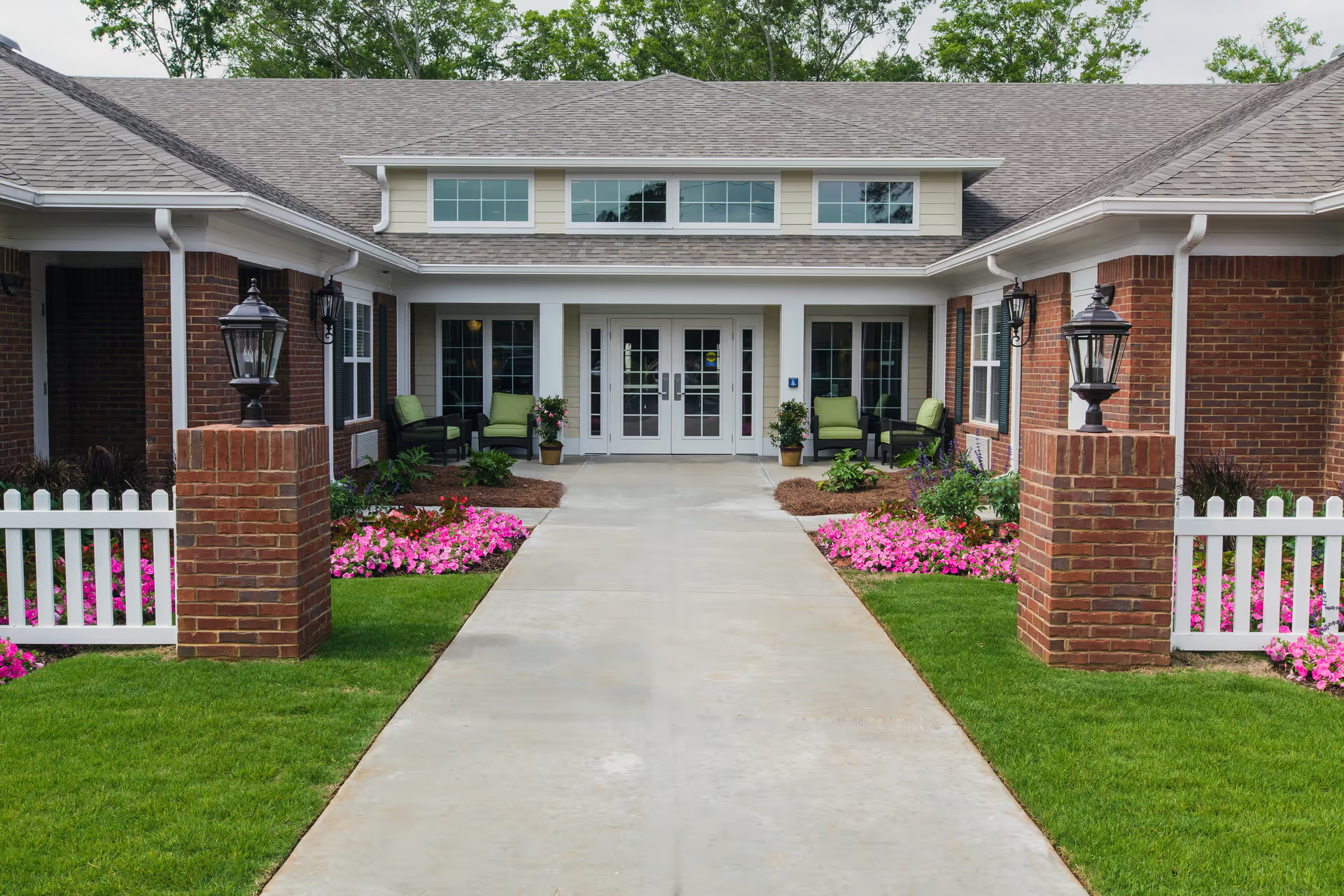
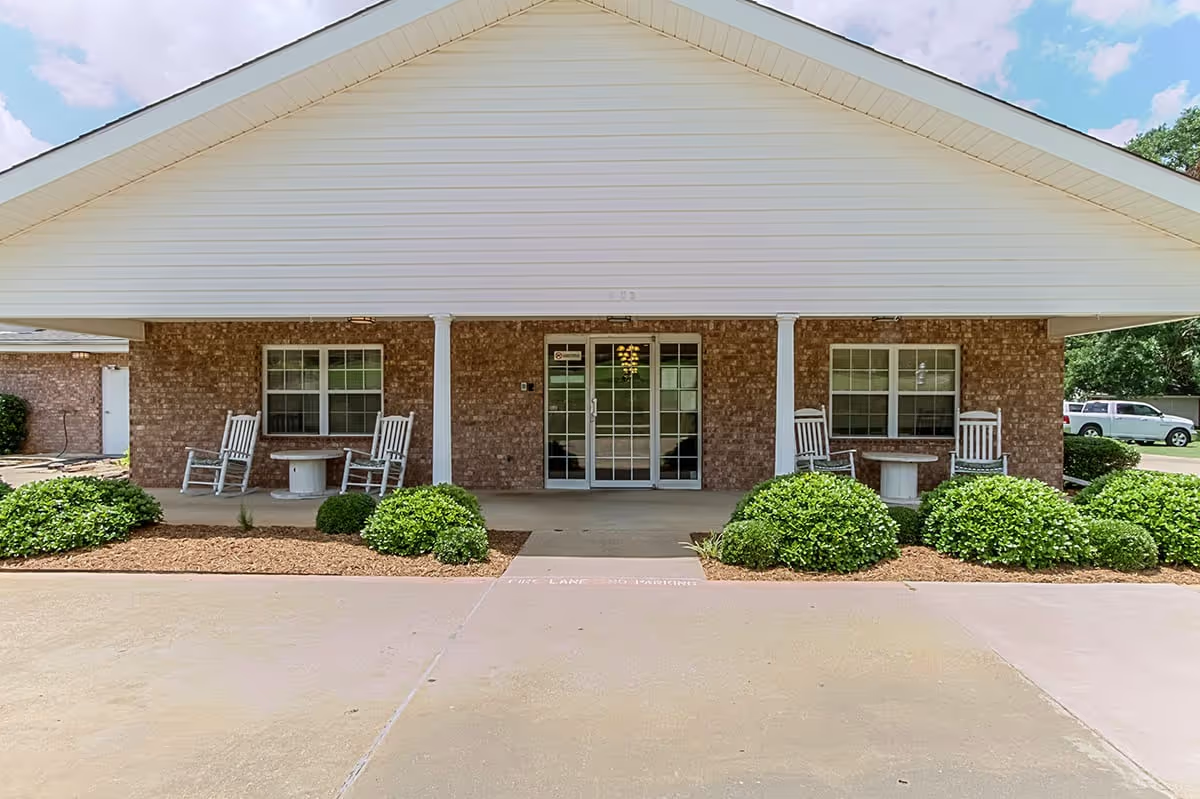
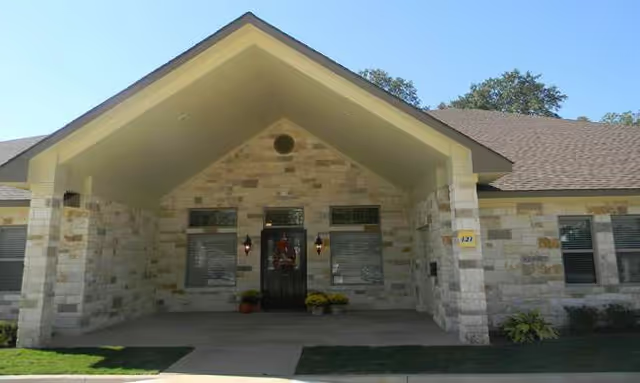
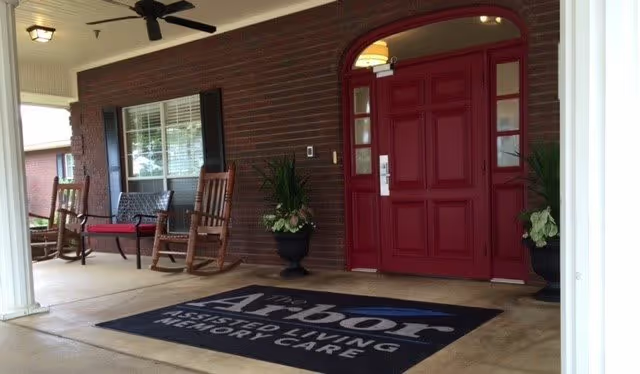
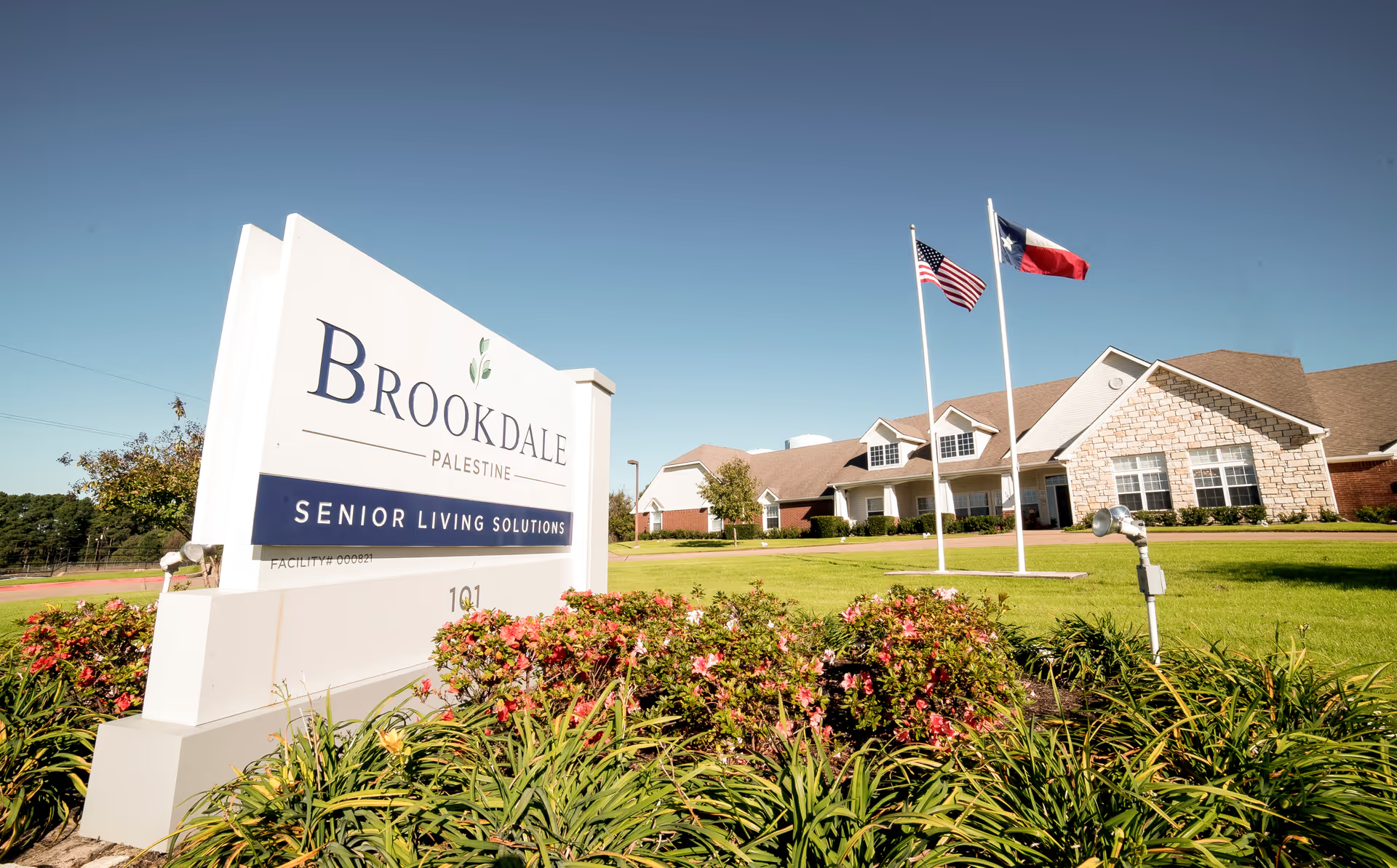
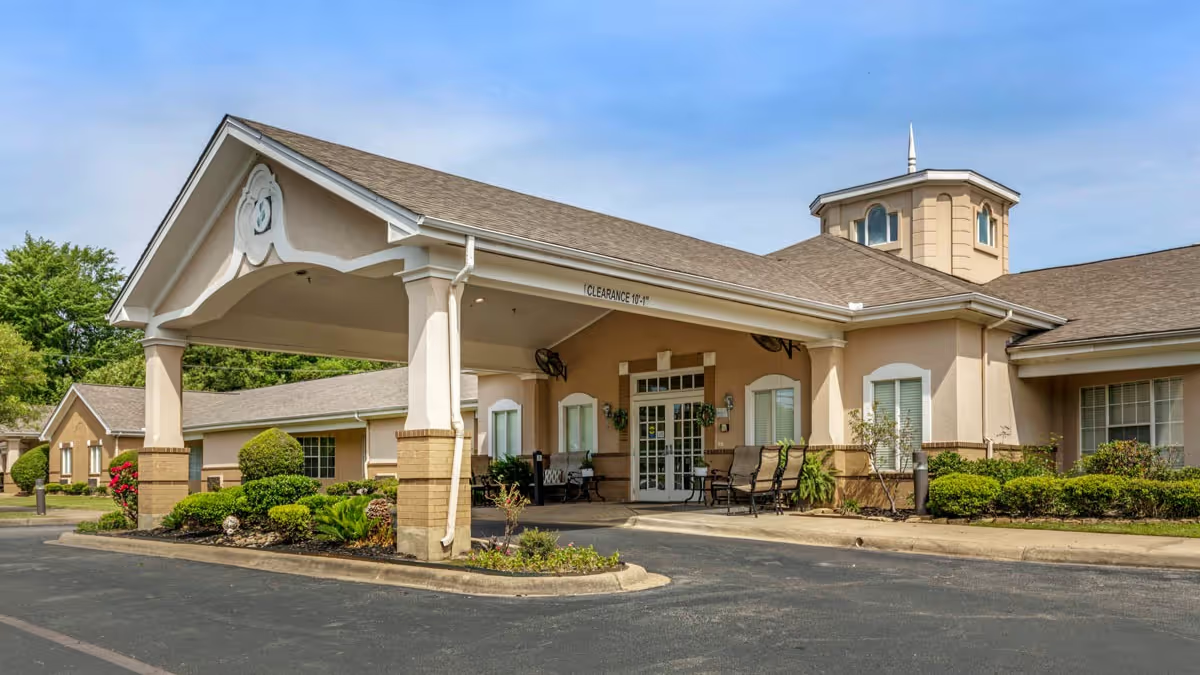
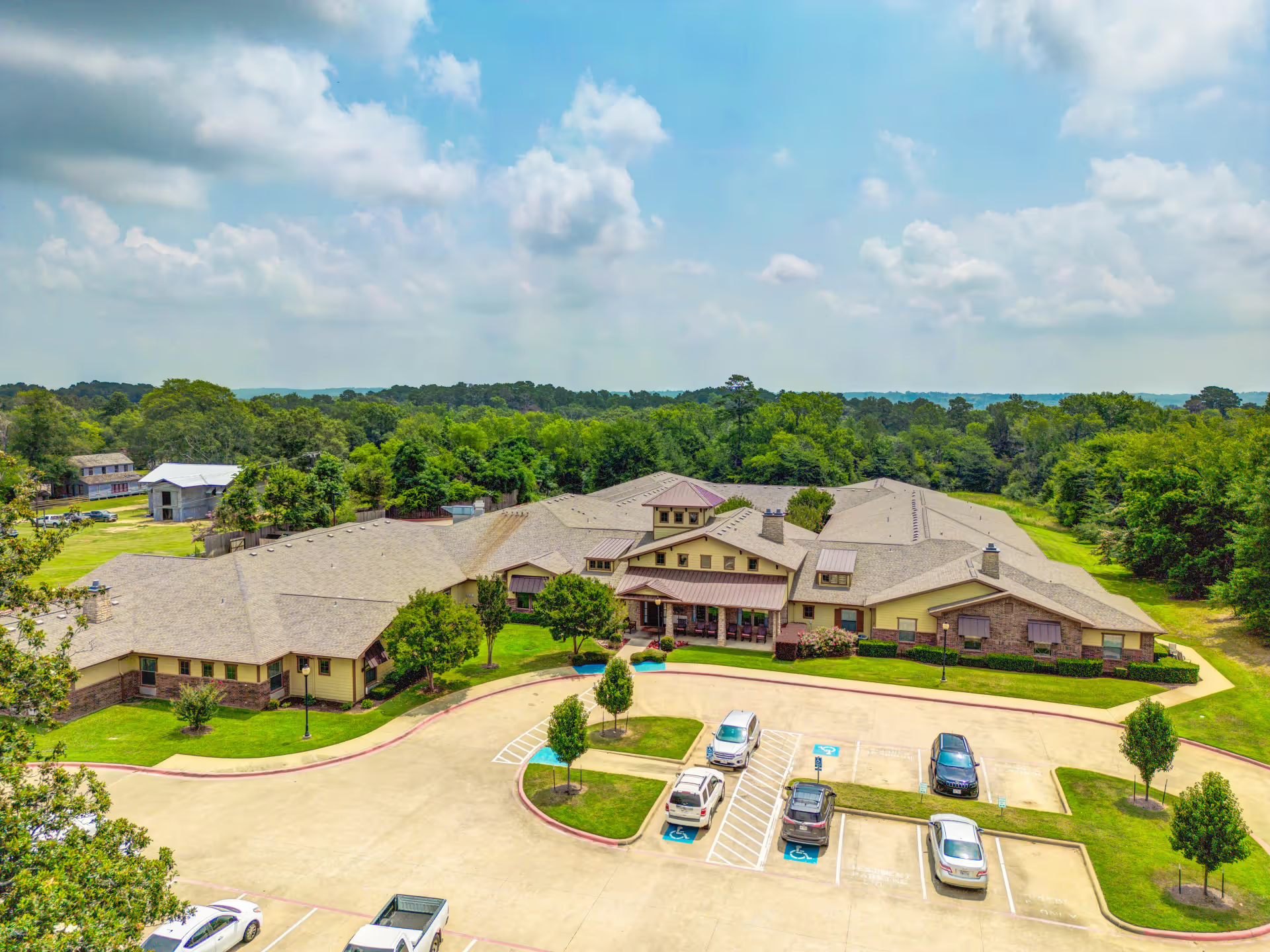
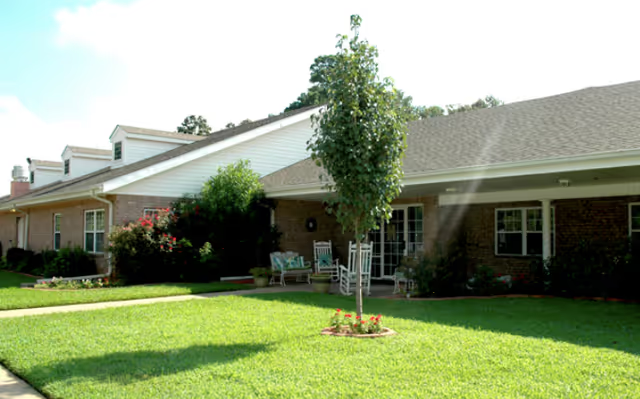
Facilities and management: The physical environment is described as clean and welcoming, though multiple comments reference an older building and associated infrastructure limitations. Management and administrators are portrayed positively in many reviews — accessible, responsive, and active in resolving issues to prevent recurrence. Conversely, some operational policies (notably around bathing assistance and placement procedures) were identified as barriers for particular residents, pointing to areas where policy review or clearer family communication could improve experience.
Notable patterns and considerations: Strengths cluster around staff compassion, dining, cleanliness, and administrator responsiveness. Risks to verify in person include the facility's policy on assisted bathing, consistency of hands-on personal-care availability across shifts, and how administrative policies influence placement or discharge timing. Prospective residents and families should weigh the facility's strong interpersonal and dietary supports against the potential for variability in staffing-driven care delivery and the limitations of an older physical plant.