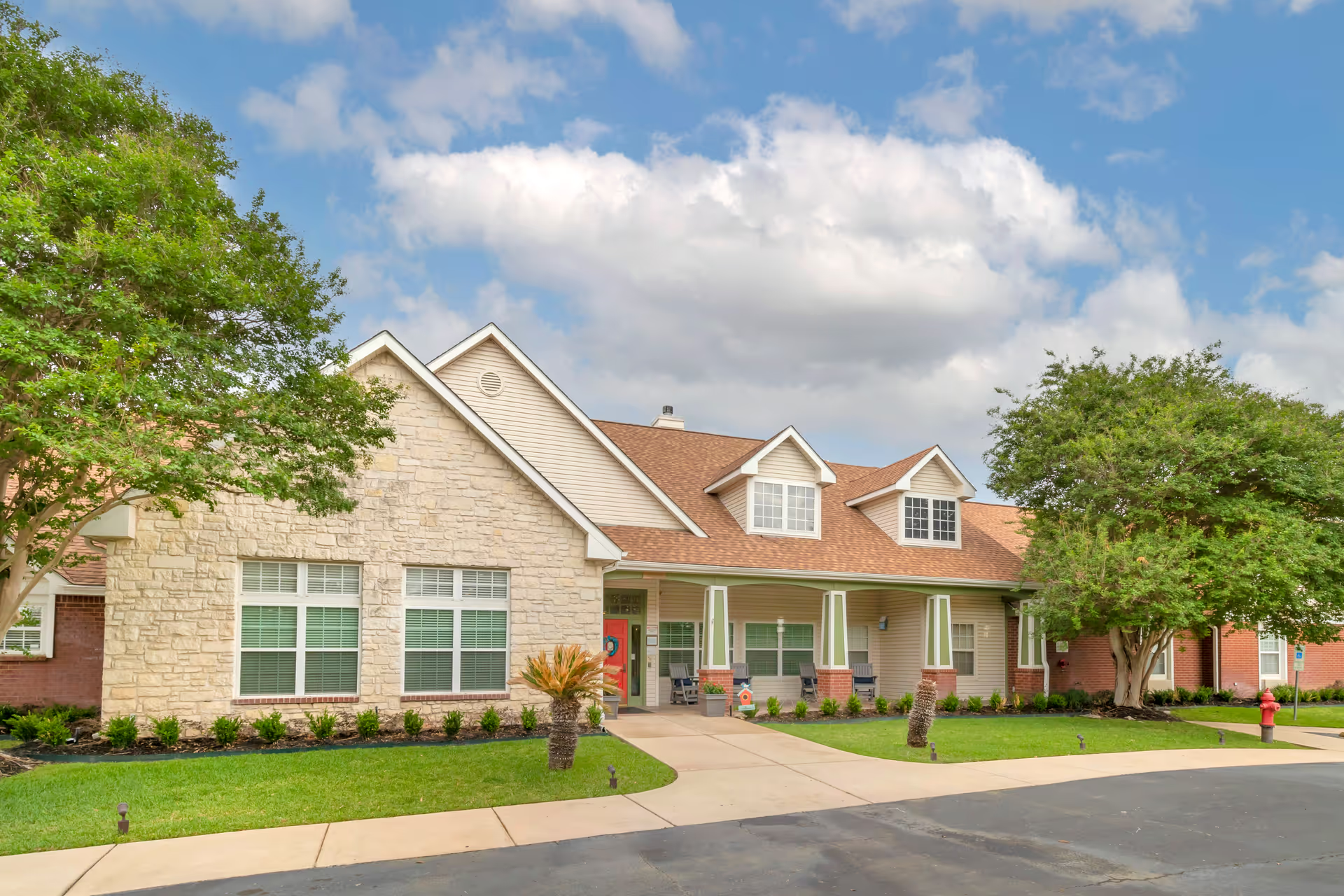
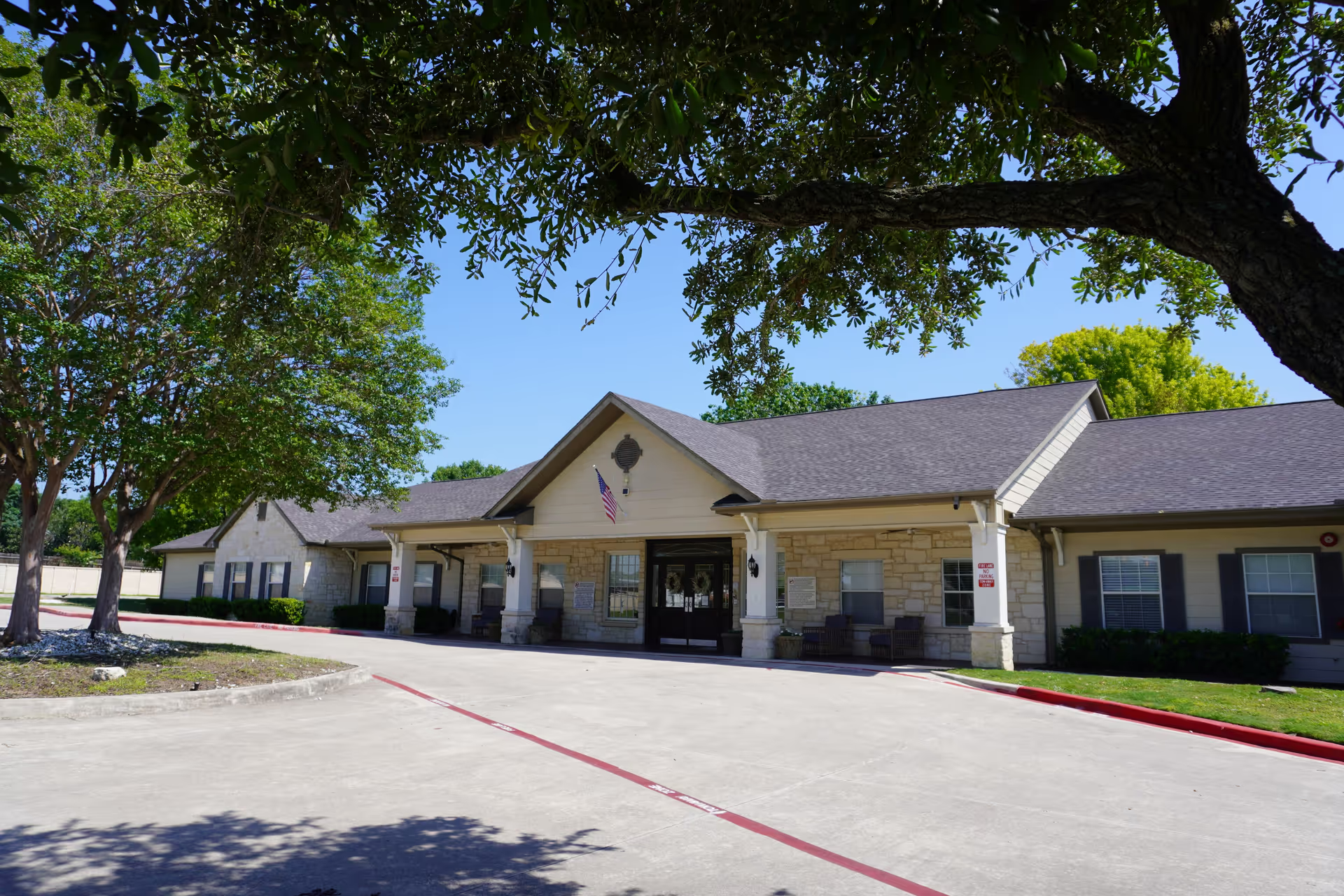
Overall impression: Reviewers’ experiences with Camino Real are highly mixed, producing a polarized picture. Many families and residents describe a warm, home-like community with engaged staff and a strong activity program, while other accounts point to operational, clinical, and regulatory weaknesses that materially affect care quality for some residents.
Care and clinical oversight: Praise centers on attentive, compassionate caregivers and a hands-on administration that can deliver individualized attention. At the same time there are repeated concerns about the consistency of nursing skills and timeliness of clinical response. Problems described include lapses in medication-management controls and limited documented medical oversight. These indicate variability in the facility’s ability to meet higher-acuity needs — an important consideration for families whose members require regular clinical attention.
Staff and management: Staff are frequently characterized as friendly, personable, and willing to go above and beyond, and leadership is often cited as engaged and accessible during tours and admissions. However, other reviewers describe limited staffing coverage, poor responsiveness to alerts, communication gaps with families, and high turnover. There are also reports of management transparency and reliability issues tied to past operational interruptions; these raise questions about consistency in leadership and crisis communication.
Dining and activities: Activity offerings receive consistent positive feedback — gardening, arts, outings, games, and social events contribute to an active community life. Dining experiences are inconsistent: some residents and families praise the food and menu options, while others report meals that appear poorly prepared or unappetizing and note that certain residents avoid facility meals. This variability suggests uneven kitchen performance or differing expectations among residents.
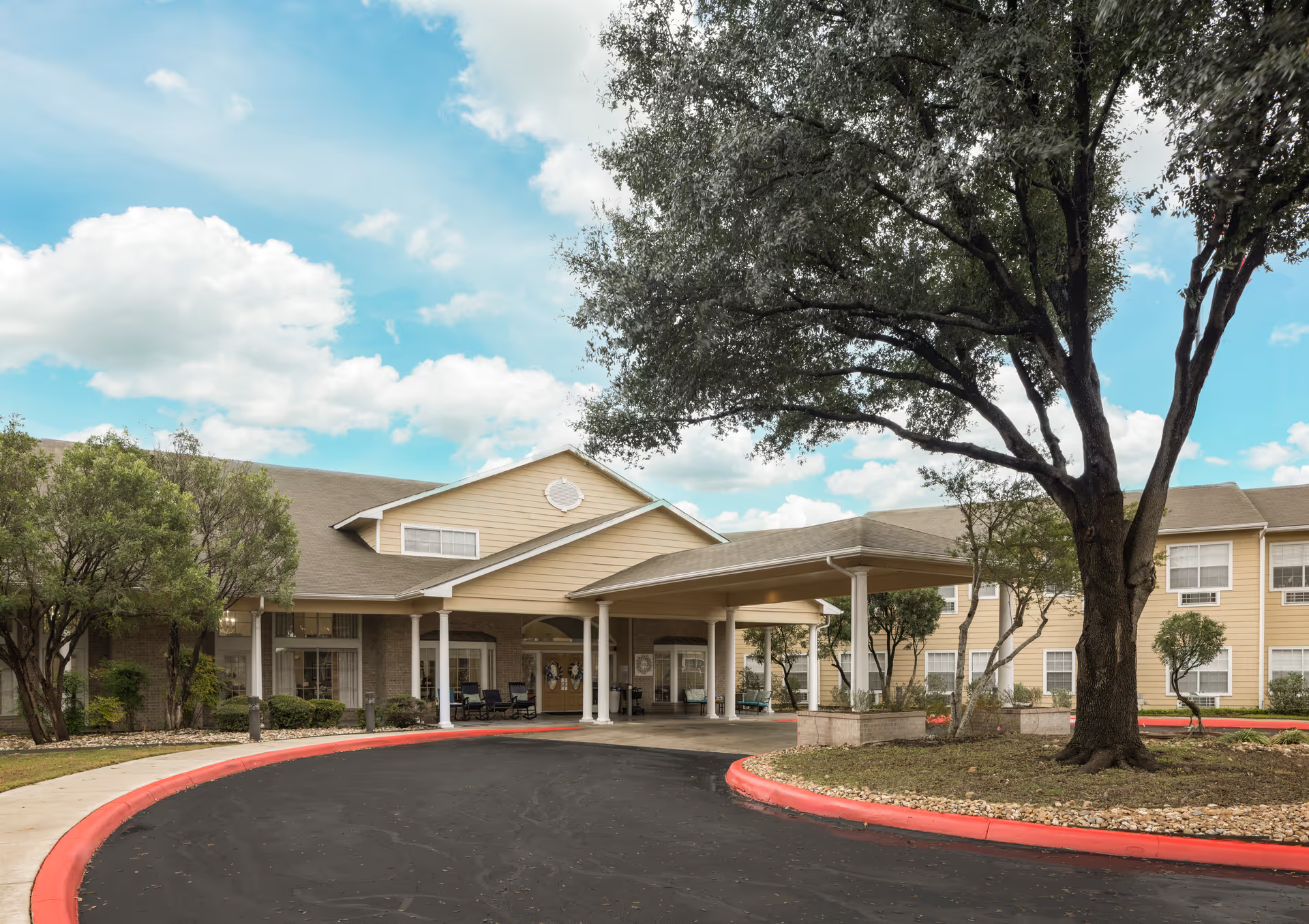
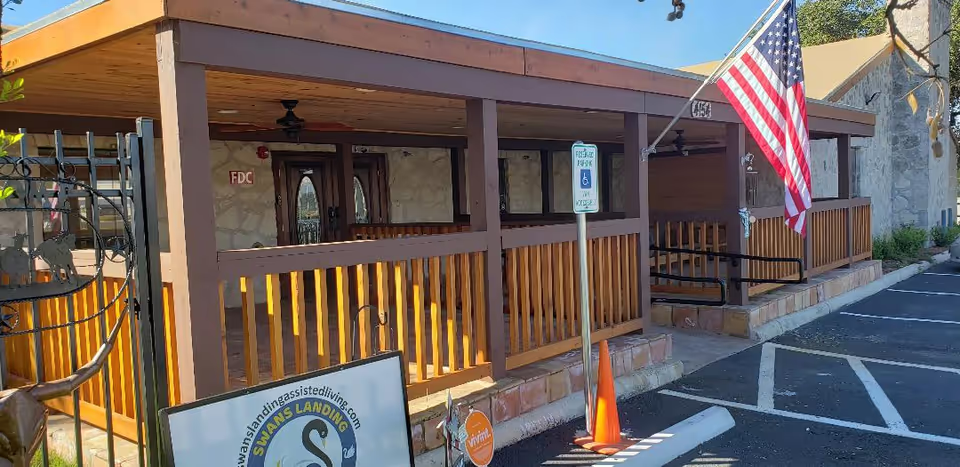
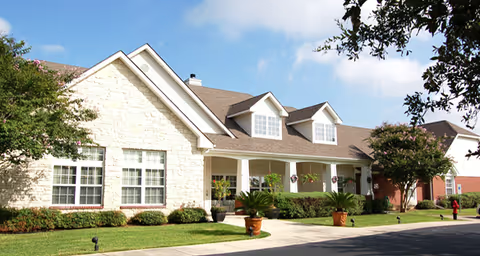
Facilities and cleanliness: The physical plant presents a contrast between updated areas and sections needing refurbishment. Positive notes include spacious rooms, private-bath options in some units, in-room conveniences, and attractive common spaces. Conversely, reviewers cite sanitation and pest-control concerns, stained carpeting and worn finishes in parts of the building, and odor issues in some areas. Maintenance backlogs and renovation delays are mentioned alongside ongoing upgrade projects, indicating an uneven capital condition across the campus.
Safety and compliance: Some reviews describe procedural and safety lapses that go beyond typical maintenance concerns, including safety-system and regulatory compliance issues in past operational events. These accounts point to potential weaknesses in compliance oversight and emergency preparedness; prospective families should seek recent inspection records and clear answers on safety protocols.
Patterns and implications for prospective families: The dominant pattern is variability — strong interpersonal care and meaningful activities coexist with operational and clinical inconsistencies. Camino Real appears well suited for ambulatory, semi-independent residents who benefit from social engagement and a homelike environment, but less appropriate for individuals requiring reliable dementia care or intensive clinical supervision. Prospective families should verify current staffing ratios, medication management protocols, pest-control records, recent regulatory inspection results, and the facility’s capacity to meet specific clinical needs before making a placement decision.