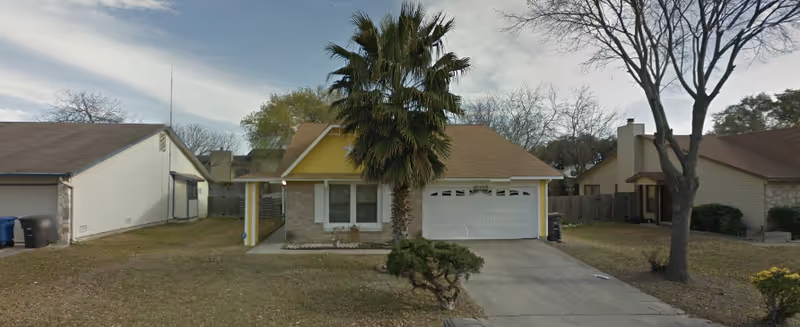
Heart to Heart Assisted Living presents as a small, home-style residential facility with clear strengths and notable operational variability. Families consistently reference a warm, family-oriented atmosphere, frequent communication from staff, and direct owner involvement. Several accounts emphasize attentive night-shift caregivers, individualized one-on-one time, and the availability of onsite services such as hairdressing, music, and occasional outings. For some residents the dining experience is described positively, with home-cooked meals and pleasant presentation, and the facility is praised for reasonable pricing and a clean interior environment.
Care quality appears mixed. While many families report compassionate and attentive caregivers and satisfactory management by an LVN director, other accounts raise concerns about inconsistent staffing levels, particularly at night, and variability in caregiver skill and conduct. Reviews indicate that clinical oversight and the level of trained personnel on duty do not always match expectations; examples include use of non-CNA staff in care roles and differences in how shifts deliver personal care. These inconsistencies translate into uneven experiences: some residents adjust well and receive attentive support, while others and their families report delays in assistance, rough handling perceptions, or communication-tone concerns from specific staff members.
Dining and clinical-diet management are areas of divergence. Several families describe enjoyable, home-cooked meals, while others report reliance on prepackaged items and issues with meal appropriateness for clinical needs (for example, diabetic dietary management). The facility’s meal-service continuity and responsiveness to special diets appear inconsistent across stays. Prospective residents should ask about menu planning, special-diet accommodations, and observe mealtimes when possible.
Social programming and engagement also vary. The home’s small size allows for intimate, familiar activities such as music sessions and outings for some residents, but other families describe limited structured activities and long periods of passive television viewing. Activity frequency and resident participation seem dependent on staffing levels and staff initiative; this leads to uneven social engagement for residents with differing needs.
Facility and management matters warrant careful review. The site is described as small and homelike, but lacks an enclosed outdoor area in some spaces, which may limit safe outdoor activity. Cleanliness assessments are mixed; while many note a tidy, pleasant interior, a subset of reports raise sanitation and housekeeping inconsistencies. Administrative issues include concerns around upfront deposits, refund delays, and clarity of billing; families recommend reviewing contracts and refund policies closely. There are also recurring concerns about how the home communicates and follows up after critical events, including end-of-life situations.
Overall, Heart to Heart may suit families seeking a small, community-focused setting with visible owner involvement and the potential for very attentive care. However, the facility shows variability in staffing, clinical oversight, meal consistency, and activity delivery that can materially affect a resident’s experience. Prospective families should conduct in-person visits across multiple shifts, confirm staff qualifications and nurse oversight, review sample menus and activity schedules, and clarify financial and refund policies before admission.