Overall impression: The collected reviews portray a facility with consistently positive day-to-day care characteristics alongside isolated but serious concerns about administrative communication and post-mortem handling. Many comments emphasize a warm, family-like environment supported by attentive caregivers and active owner involvement. At the same time, at least one account describes a significant breakdown in how the facility communicated with and acknowledged family members after a resident’s passing; prospective families should seek clarity on related policies.
Care and staff: Reviewers frequently describe staff as compassionate, attentive, and friendly. Caregivers are characterized as engaging with residents, supporting family involvement, and creating a home-like atmosphere. Multiple summaries note residents appearing happy and well looked-after. While the overall tone about caregiving is positive, there are indications of variability in administrative responsiveness that could affect how clinical concerns or family questions are escalated.
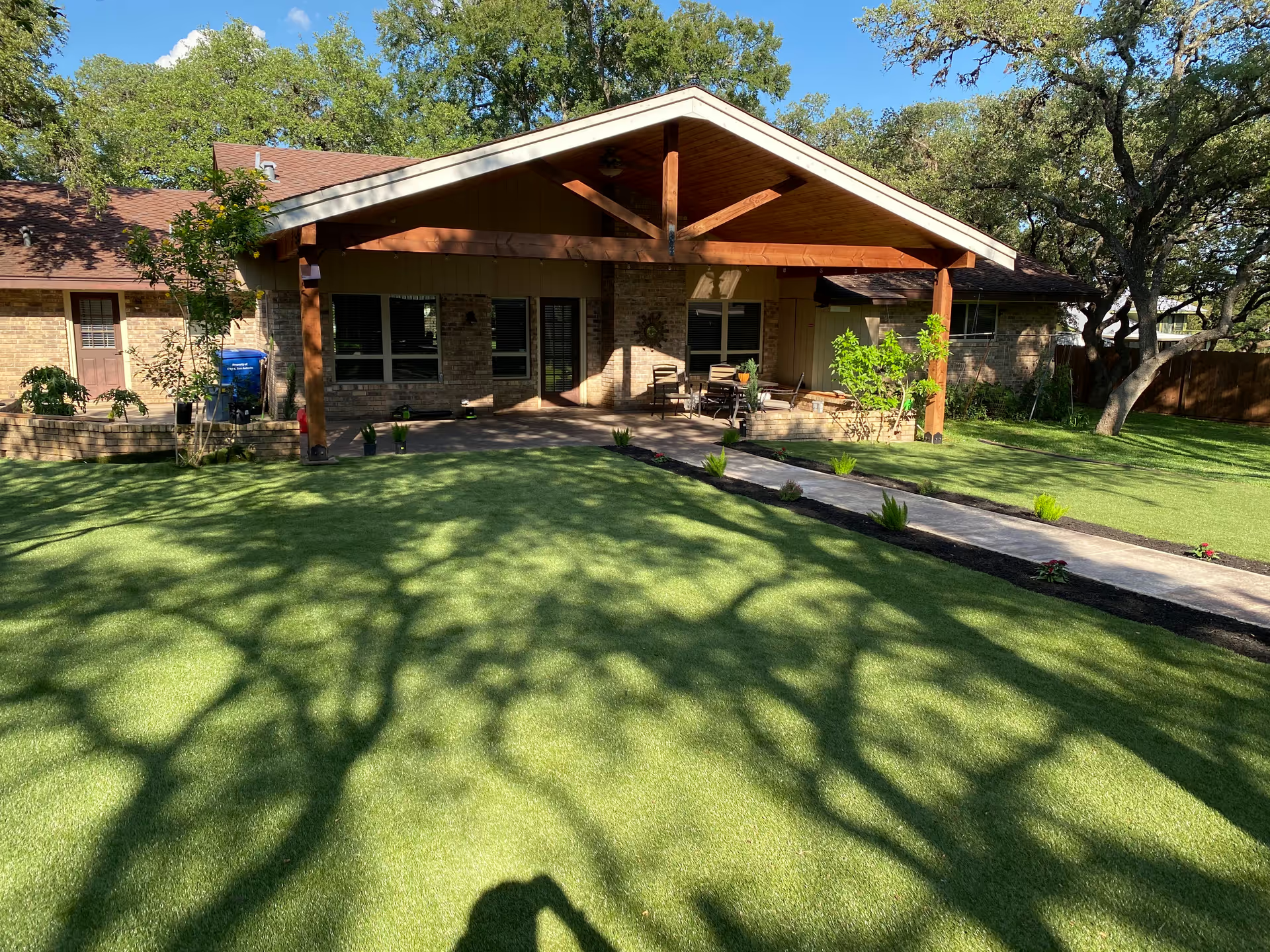
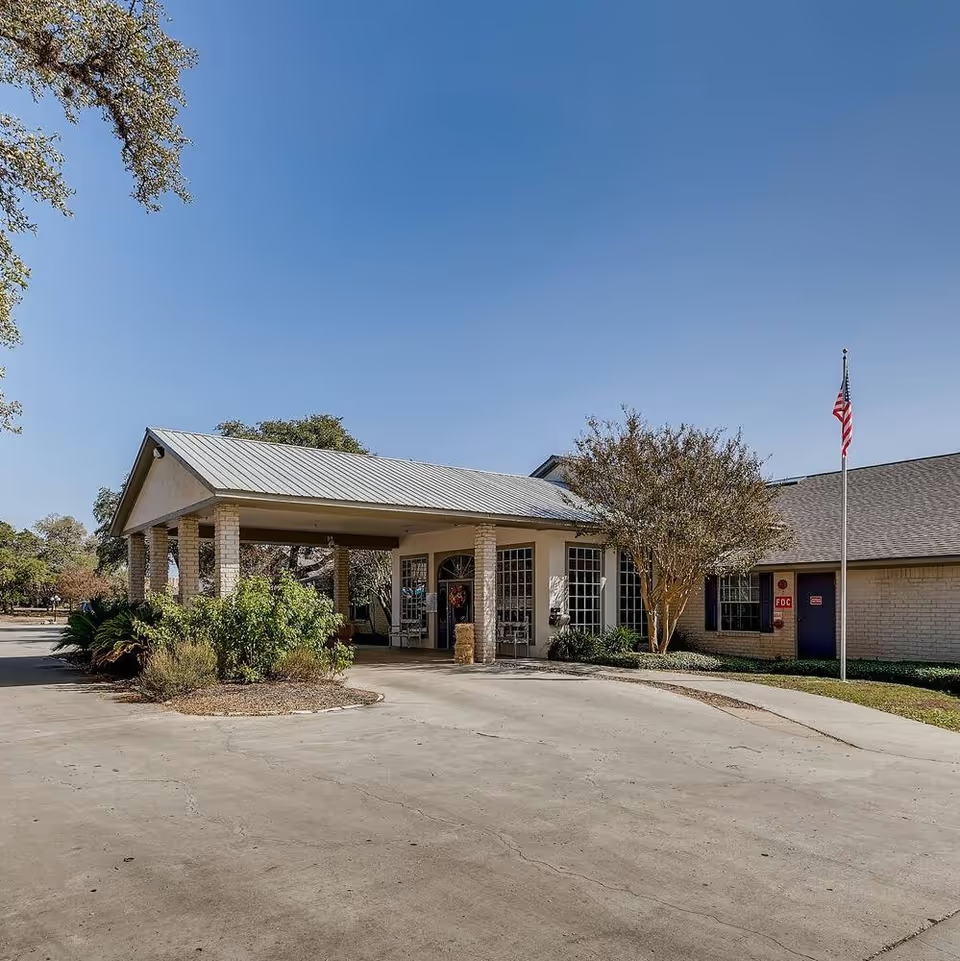
Dining, housekeeping, and facilities: Reviews convey that meals are generous and residents are well fed. Housekeeping and laundry services are highlighted as reliable, and resident rooms are described as clean and well maintained. The facility is portrayed as safe and orderly, with routine operations that families found straightforward to navigate during visits.
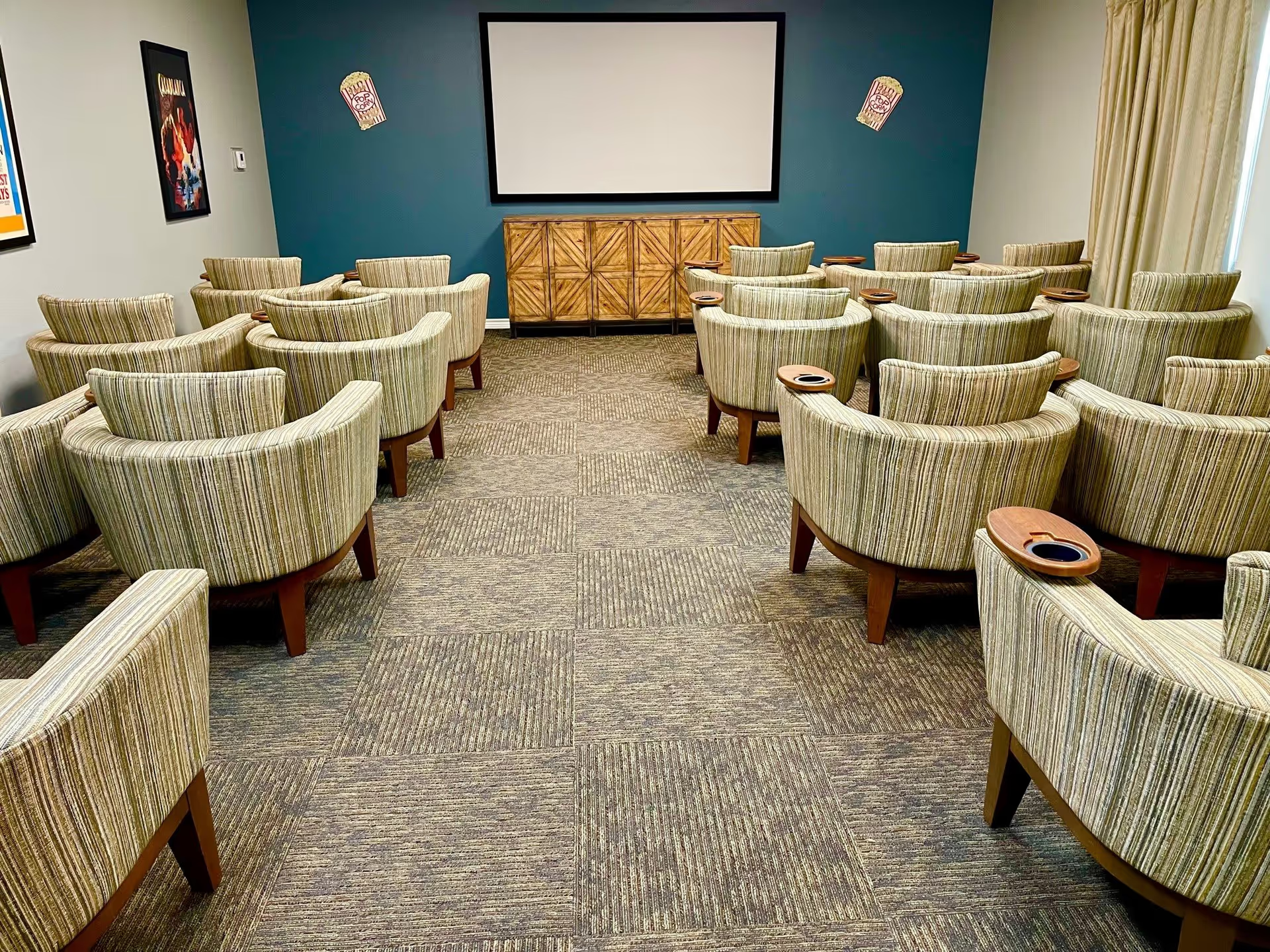
Activities and social life: The program of activities appears active and varied, with mentions of organized events such as sports viewing, card games, and bingo. Reviewers indicate staff members engage residents in social programming and that there is a palpable sense of community and social connection among residents.
Management and communication patterns: Management impressions are mixed. Several accounts praise the owner’s hands-on approach and the supportive tone from leadership, but at least one reviewer alleges obstructive behavior and bias from management when family members sought contact or information. A single reviewer raised a serious concern following a resident’s death involving delayed notification and limited family coordination; this account suggests gaps in post-mortem procedures and family communication that merit direct inquiry.
Notable patterns and recommendations: Strengths center on staff quality, social programming, cleanliness, and a family-like culture. The primary operational weaknesses inferred are inconsistent family communication and gaps in end-of-life coordination. Prospective residents and their families should ask the facility for written policies on family notification, end-of-life and post-mortem procedures, escalation pathways for clinical concerns, and examples of how management handles disputes or access requests. Requesting recent references from current resident families and clarifying who the primary points of contact are for clinical and administrative issues can help evaluate whether the facility’s positive day-to-day strengths align with the family’s expectations for transparency and communication.