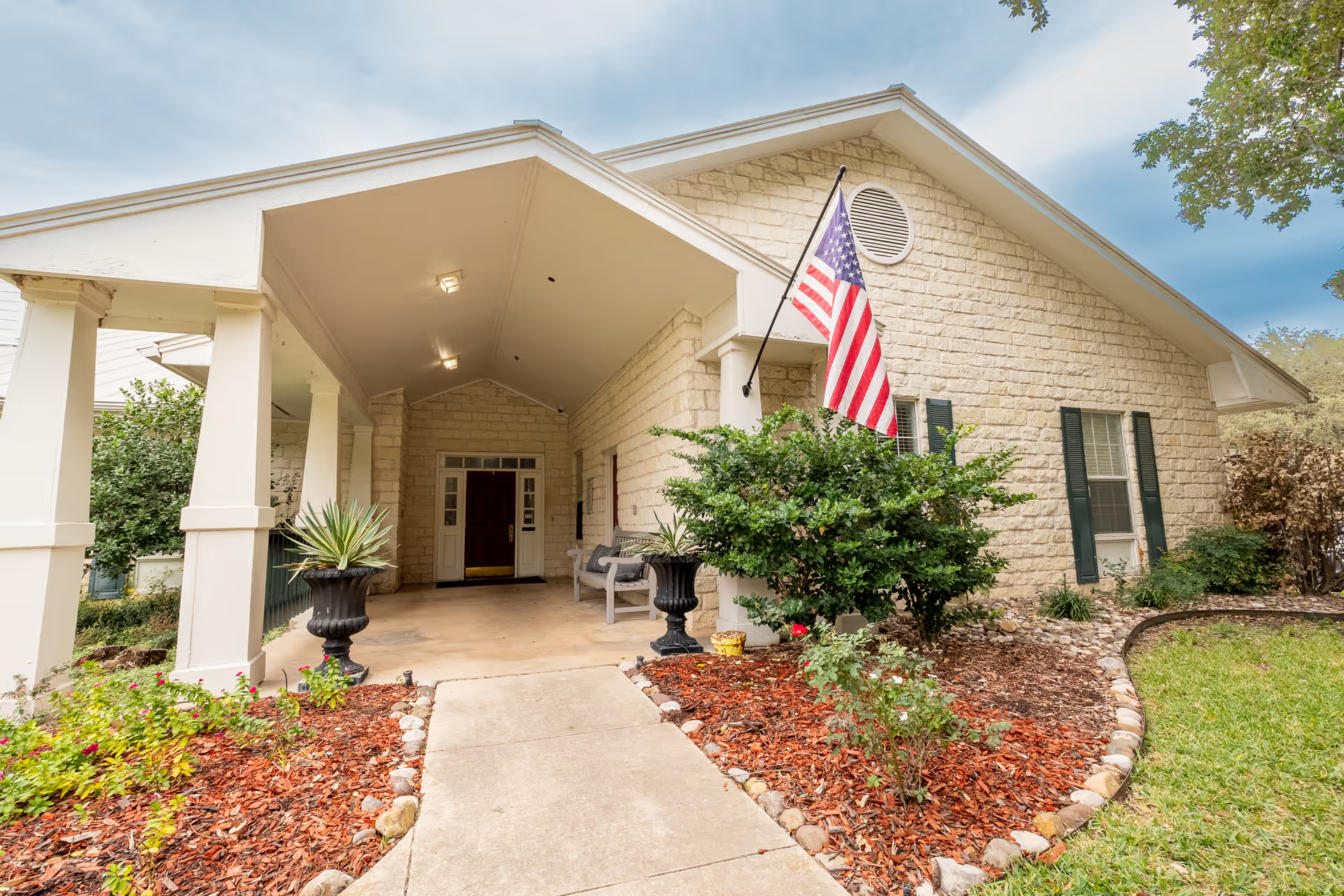
Overall impression: Reviews of Memorial Medical Nursing Center are highly polarized. Many families describe positive short-term rehab experiences highlighting strong therapy services and compassionate bedside staff, while a substantial number raise operational and safety concerns that affected clinical outcomes and family trust. The facility appears capable of providing high-quality rehabilitative care in some cases, but recurring patterns of clinical and operational weaknesses are frequently described.
Care quality and clinical oversight: Positive accounts emphasize effective in-house physical and occupational therapy, timely rehabilitation progress, and examples of skilled nursing and wound-care expertise. Conversely, multiple families describe delays in clinical response, missed or late medications, inconsistent wound management, episodes requiring emergency transport, and significant clinical declines (weight loss, reduced responsiveness) during stays. Reviewers cite situations that suggest gaps in infection-prevention adherence and in the continuity of clinical oversight; these issues have sometimes led to hospital transfers or escalation of care.
Staff and professionalism: There is a clear dichotomy in staff-related feedback. Many reviewers praise individual nurses, CNAs, therapists, and social-work staff for compassion, patience, and advocacy—specific staff members and therapy teams receive strong commendation. At the same time, other accounts describe concerns about staff conduct, tone, and professionalism (including personal conversations in front of families and allegations of impairment or other serious misconduct). High turnover, inconsistent staffing levels, and a low CMS staffing rating are cited as factors that may contribute to uneven care.
Dining, activities, and resident life: Activity programming and community outings receive positive mention, and some families found the facility small and home-like with engaging events. Dining feedback is mixed: some reviewers report satisfactory meals, while others note cold food, limited diabetic-friendly options, and inconsistent meal service or staff interaction in the dining environment. Overall, activity programming appears to be a relative strength; meal-service reliability is variable.
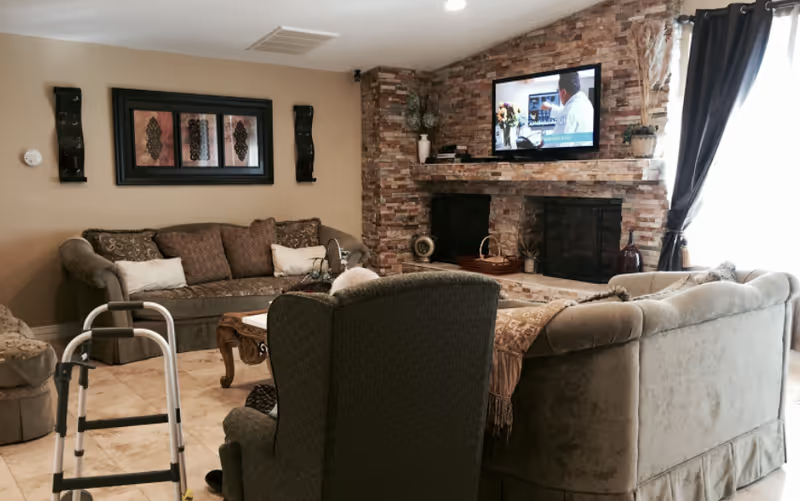
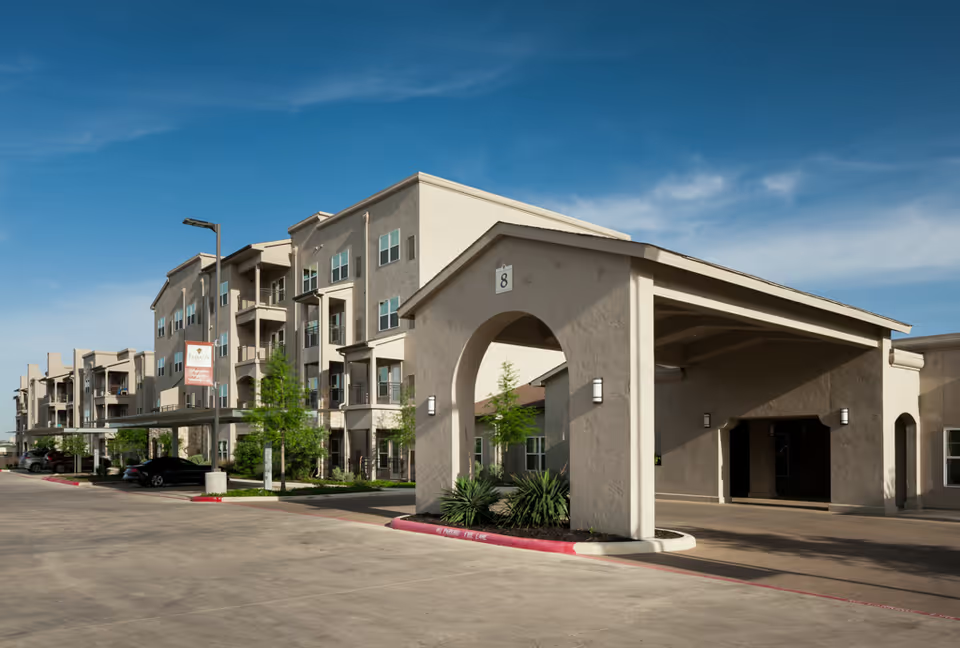
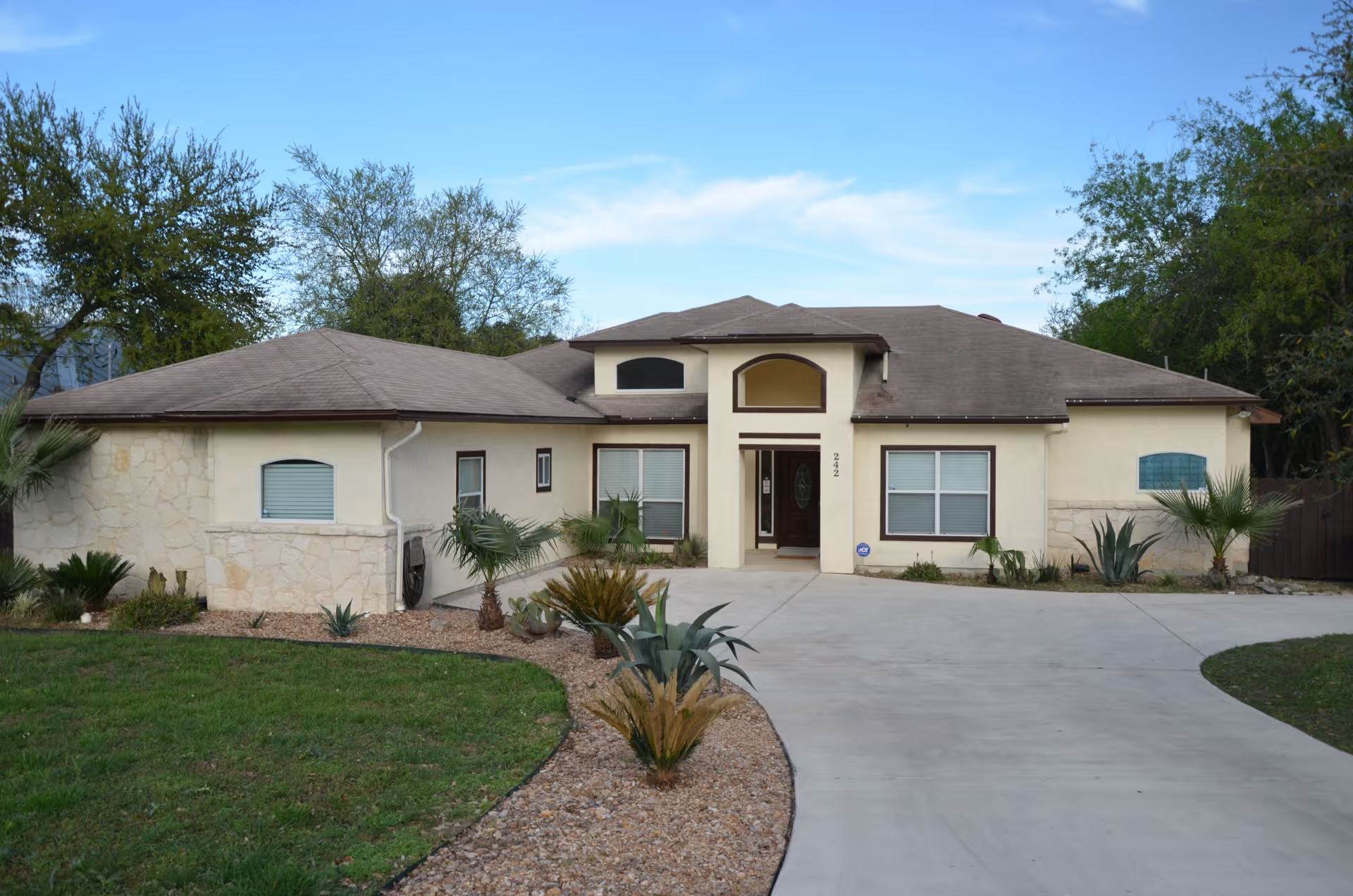
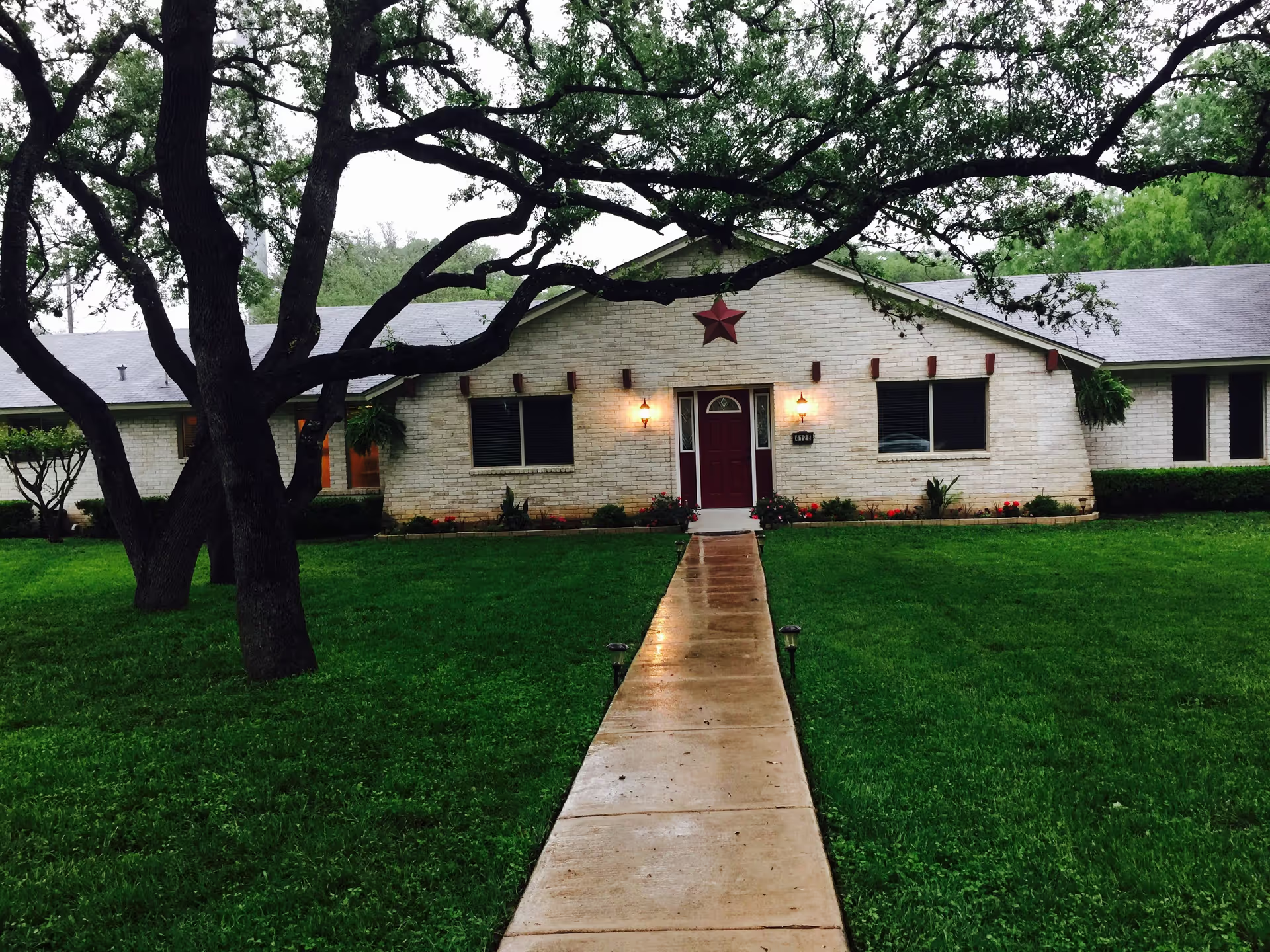
Facilities, sanitation, and maintenance: Facility conditions are described inconsistently. Several families report clean, neat rooms and a well-kept small facility, while others raise sanitation concerns, odor issues in communal areas, pest-control needs, and maintenance lapses (trash removal, room repairs). Concerns about timeliness of bathing, linen changes, and incontinence-care processes are noted in a subset of accounts, which may indicate variability in routine personal-care delivery.
Management, communication, and financial practices: Family communication and phone responsiveness are frequent pain points. Reviewers reference long hold times, unanswered calls, and difficulty coordinating transports and follow-up. Management responses are described as mixed; some administrators and social workers are credited with effective advocacy and problem-solving, while other accounts criticize leadership responsiveness and transparency. Financial and billing practices are cited as a concern by several families, with requests for clearer explanations before admission recommended.
Notable patterns and recommendations: The dominant pattern across reviews is variability—some residents receive attentive, effective rehabilitative and nursing care, while others experience delays and operational breakdowns with clinical consequences. There are also a small number of serious allegations concerning staff conduct that warrant careful inquiry. Prospective residents and families should consider an on-site visit, request current staffing levels and CMS/inspection reports, ask about infection-control and wound-care capabilities, review medication-administration protocols, confirm dietary accommodation procedures, and meet the social-work team who often drives discharge planning. Direct questions about billing practices and recent corrective actions by management can help clarify whether the facility’s strengths align with the resident’s needs.