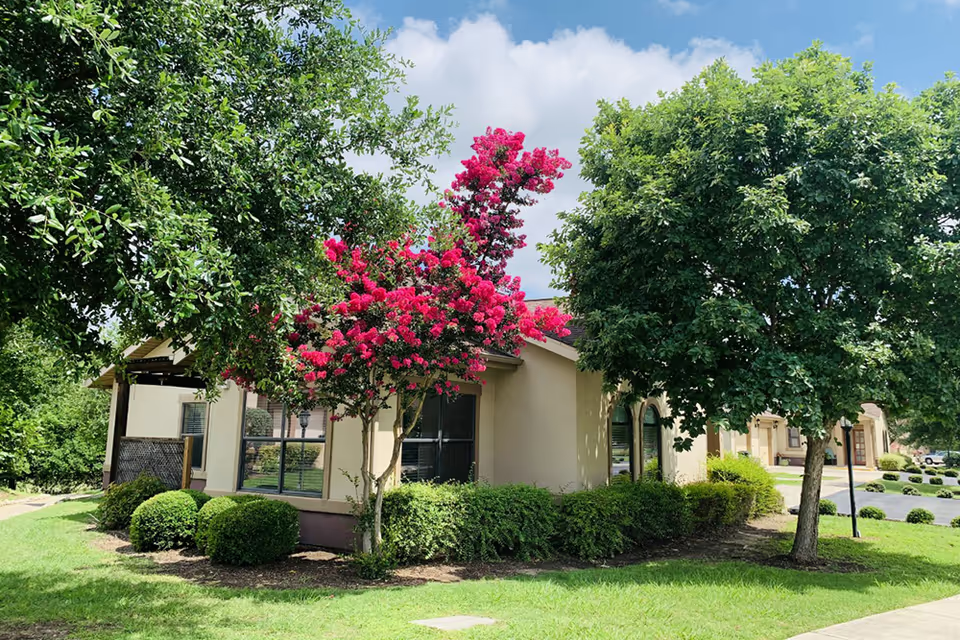
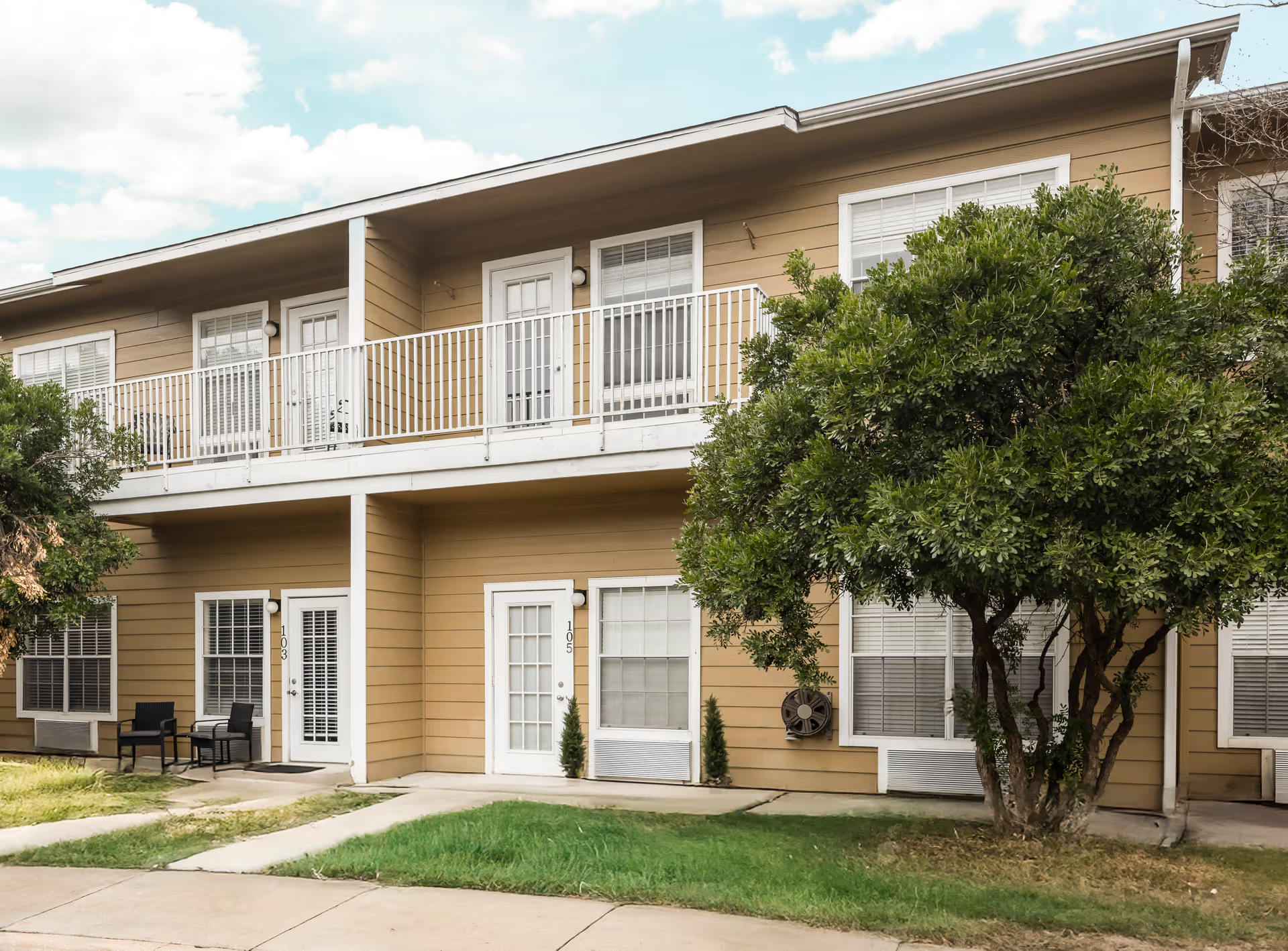
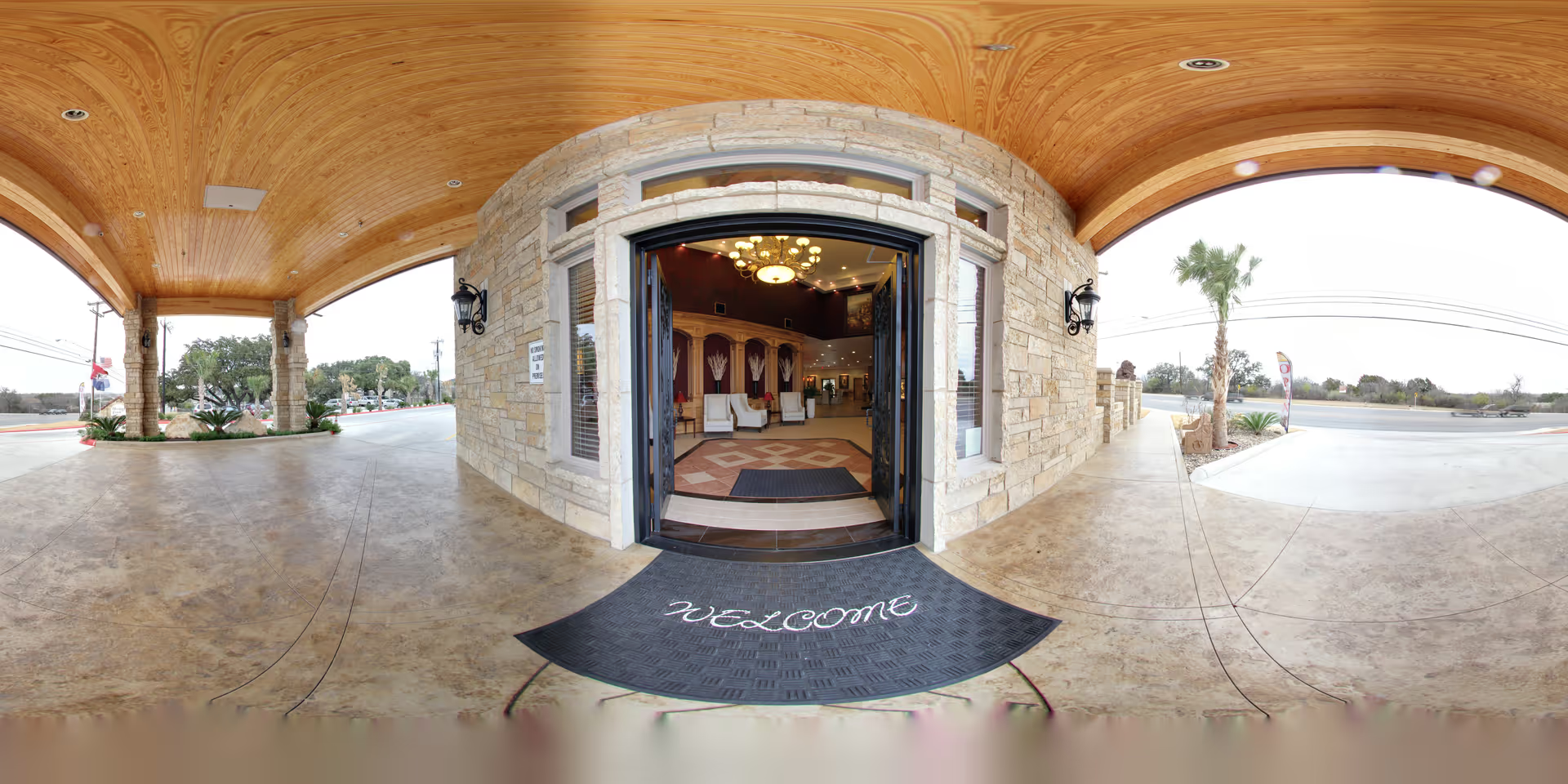
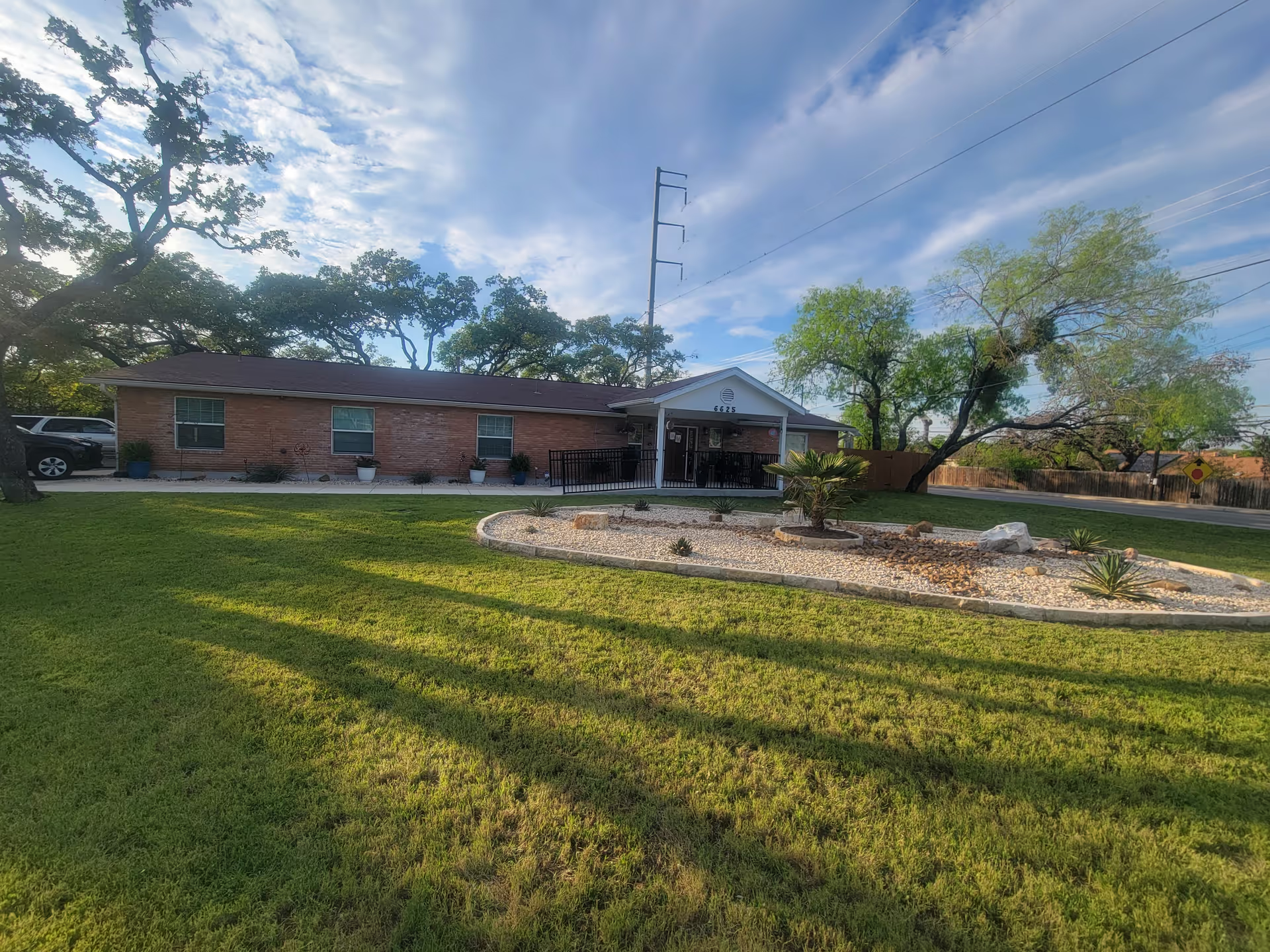
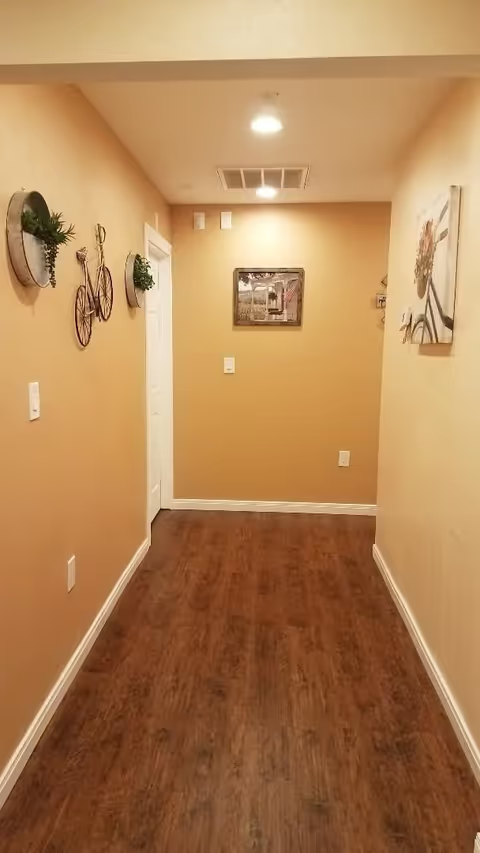
Mesa Vista Health Center elicits strongly mixed impressions across reviewers. Many families and residents praise the facility’s physical environment: an elegant, well-kept interior, pleasant common areas with garden views, private rooms with half-baths, and a sizable rehabilitation gym. The campus supports a range of services (short-term Rehab-to-Home, memory-care programming) and accepts Medicare and Medicaid. Admissions and business-office staff receive repeated positive mention for being helpful and responsive, and several accounts describe compassionate, attentive CNAs and nurses who contribute to a welcoming, family-oriented atmosphere.
Clinical care quality appears variable. Positive experiences highlight effective short-term rehabilitation outcomes and attentive hands-on caregiving that supported stabilization and recovery. At the same time, reviewers describe operational weaknesses that affect clinical reliability: inconsistent staffing levels and turnover, delayed responses to call bells and care requests, and gaps in medication administration and documentation. These issues have translated, in some accounts, into missed or inconsistent personal-care tasks (for example, missed bathing or incontinence-care delays) and concerns about transfer-safety practices and fall prevention.
Dining and activities are similarly mixed. The facility is credited for an elegant dining room, ability to accommodate special diets, daily laundry service, and a variety of engagement options including beauty/barber services and group programs. Families who experienced the activities staff noted meaningful efforts to involve residents. Conversely, several families described inconsistent meal quality, repetition of menu items, cold food at night, and cancellations or limited variety in the activities schedule, indicating uneven execution of these programs.
Facility condition and safety carry both strengths and concerns. Many reviewers appreciate clean grounds, well-maintained public spaces, and a generally pleasant odor and appearance. However, others note sanitation concerns in specific areas and surface-level cleaning that may not address deeper hygiene or monitoring needs. There are also serious allegations raised about missing personal items and theft, and some reports of camera/monitoring issues and obstructed views—matters that affect resident security and transparency.
Management and communication emerge as a prominent pattern of concern. While some families commend individual leaders and the admissions/business office for clear, compassionate interactions, others describe inconsistent administrative responsiveness, paperwork and Medicaid-processing errors, confrontational staff interactions, and frustration with how clinical incidents are communicated to families. A small number of reviews reference punitive responses to family advocacy and concerns about prioritization of cash-pay admissions over clinical decision-making, which can undermine trust.
What stands out overall is a divide between areas of clear strength (facility upkeep, certain therapy and admissions teams, and many dedicated caregivers) and recurring operational gaps that affect reliability (staffing consistency, responsiveness, medication controls, and administrative communication). Prospective residents and families should weigh the facility’s physical environment and specific program strengths against the patterns of inconsistency noted above. If considering placement, recommended steps include: confirm staffing ratios and turnover rates for the unit in question; clarify therapy schedules and documentation practices; verify procedures for personal-item security and incident reporting; and document admission and Medicaid paperwork interactions in writing so follow-up is straightforward.