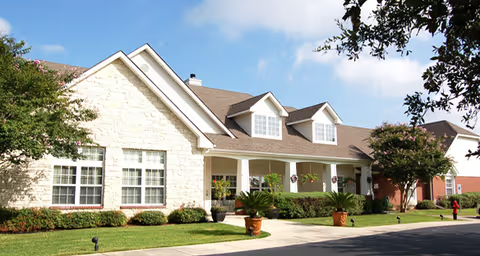
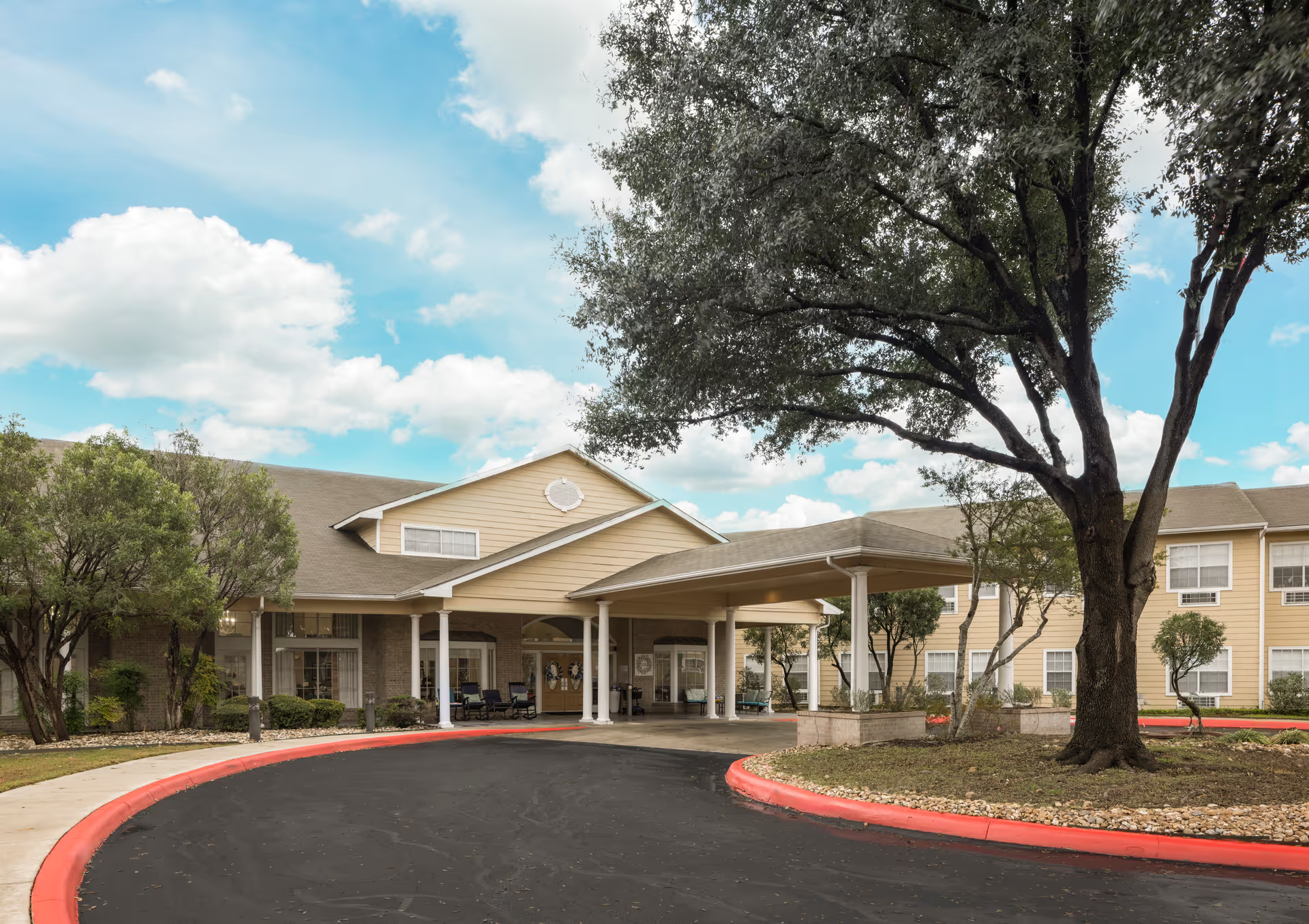
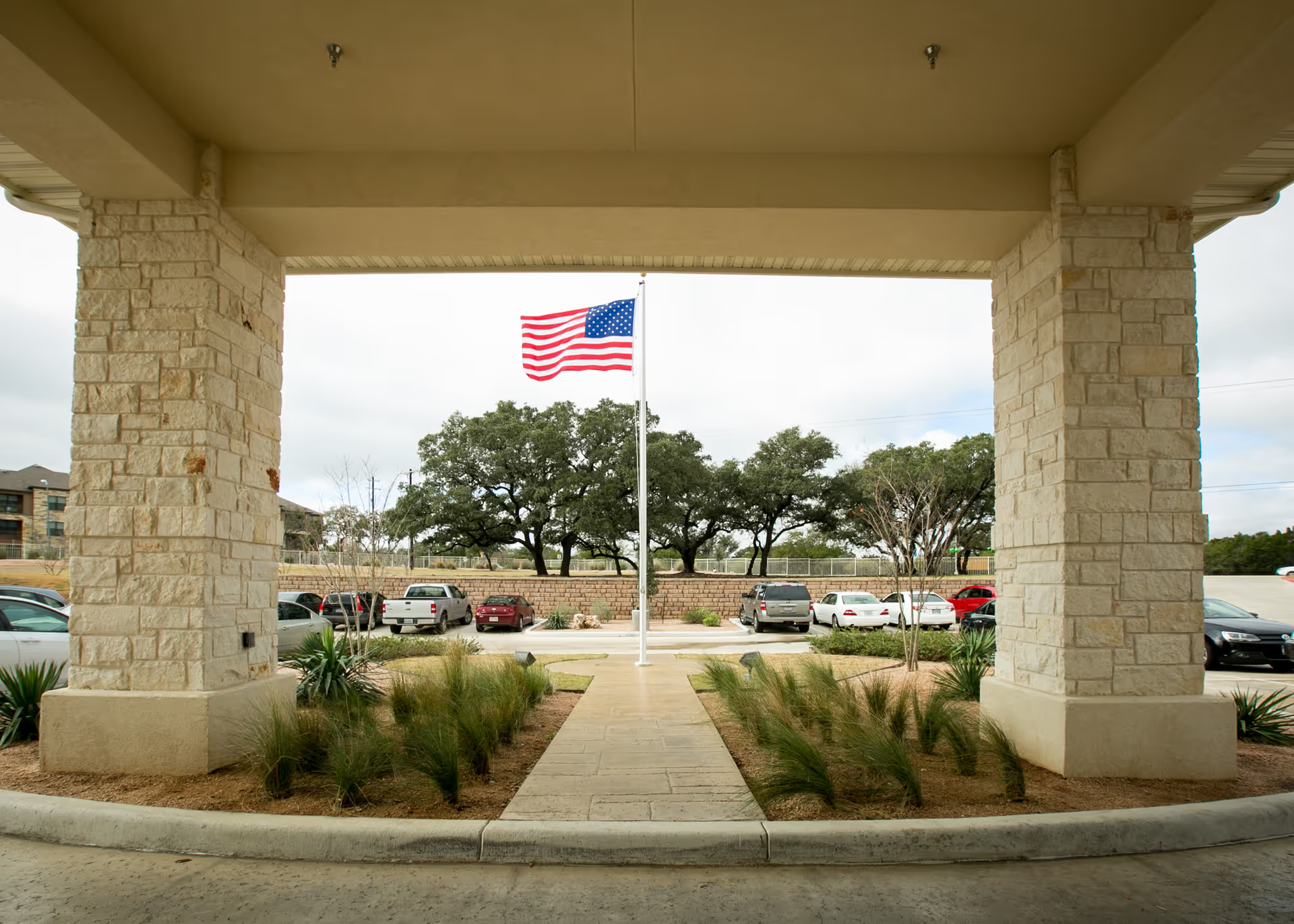
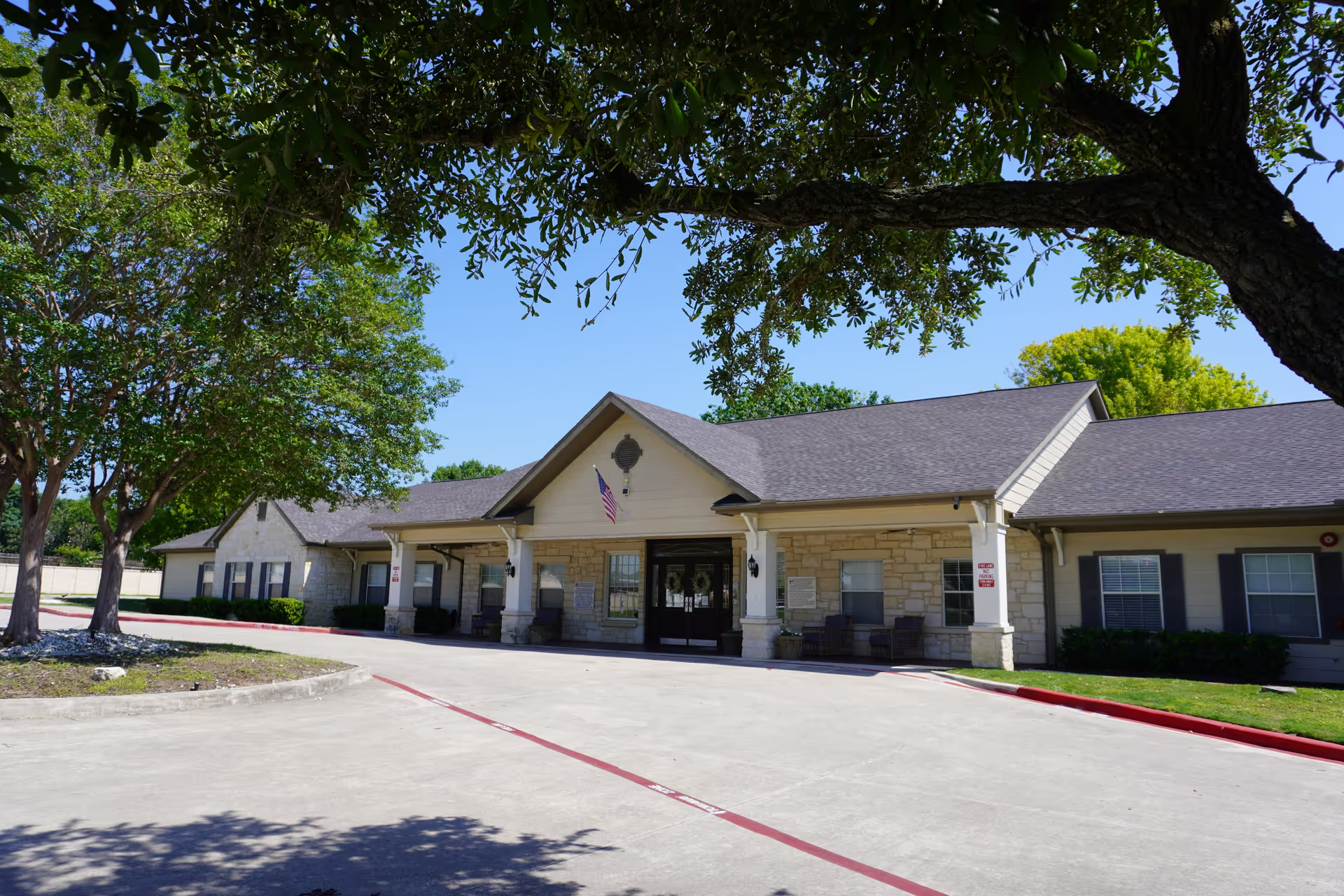
Reviewer feedback for One Heartland at San Antonio Wellness and Rehabilitation is polarized, with frequent descriptions of strong rehabilitative care and compassionate staff alongside recurrent operational and quality-control concerns. Many accounts highlight effective, outcome-focused therapy (physical, occupational, and speech) and successful short-term rehabilitation discharges. Multiple reviewers praised specific clinicians, therapists, and administrators for attentiveness, clear communication, and person-centered planning. Admissions and front-desk staff receive repeated positive mentions for responsiveness and ease of entry, and the facility’s secure entry, private rooms, and landscaped grounds are commonly cited as strengths.
At the same time, a prominent pattern relates to staffing and responsiveness. Reviewers report periods where staffing levels appear insufficient for the resident census, producing long waits for call-bell responses, delayed assistance with personal care and toileting, and missed or late medication administration. Night and evening shifts are described as particularly vulnerable to these issues. These operational shortfalls are linked in several accounts to safety concerns, including delayed response to falls or medical deterioration and inconsistent monitoring practices.
Sanitation, maintenance, and dining quality are described inconsistently across reviews. Some families describe a clean, well-maintained environment and satisfactory meals; others raise sanitation concerns in particular rooms or areas, maintenance items needing repair or cosmetic updates, and variable food quality. Diet accommodations (for example, diabetic or renal diets) and consistency of meal service were noted as areas where processes can break down. Several reviewers also described pest-control and housekeeping follow-through issues that management will need to address to ensure consistent standards.
Communication and management responsiveness show mixed impressions. Many reviewers commend individual leaders and care coordinators for advocacy and clear updates; conversely, there are frequent reports of voicemail and messaging failures, difficulty reaching administrators or clinicians, and inconsistent coordination with community physicians. Billing and contract clarity was another recurring concern, with questions about high daily charges, contract terms, and at least one allegation concerning theft and surveillance gaps that families felt warranted escalation. Therapy availability also varied for some families — while the core therapy team receives strong praise, others experienced scheduling gaps or use of external therapists that affected continuity.
Activities and social programming receive generally positive mentions where present: bingo, music, outings, and seasonal events contribute to a home-like atmosphere in many accounts. However, some families reported limited activity engagement for long-stay residents. Overall, the facility shows strengths in rehabilitation services, several standout caregivers and administrators, and a secure, comfortable physical plant in many areas. Conversely, consistent operational fixes are needed around staffing levels, timely clinical responsiveness, maintenance and housekeeping consistency, diet/dining processes, and clearer communication and billing practices to reliably translate the facility’s rehabilitation strengths into consistently high-quality long-term and skilled-nursing experiences.