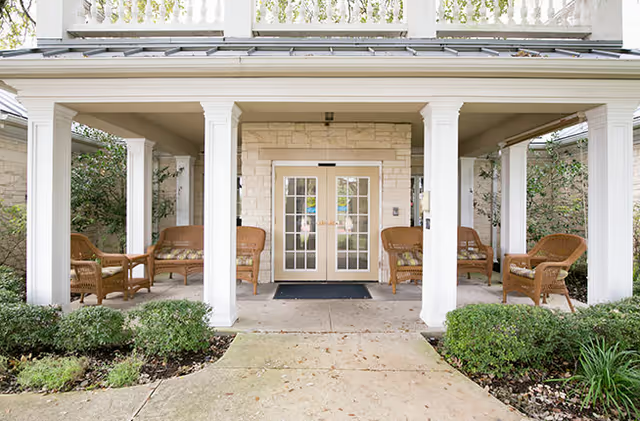
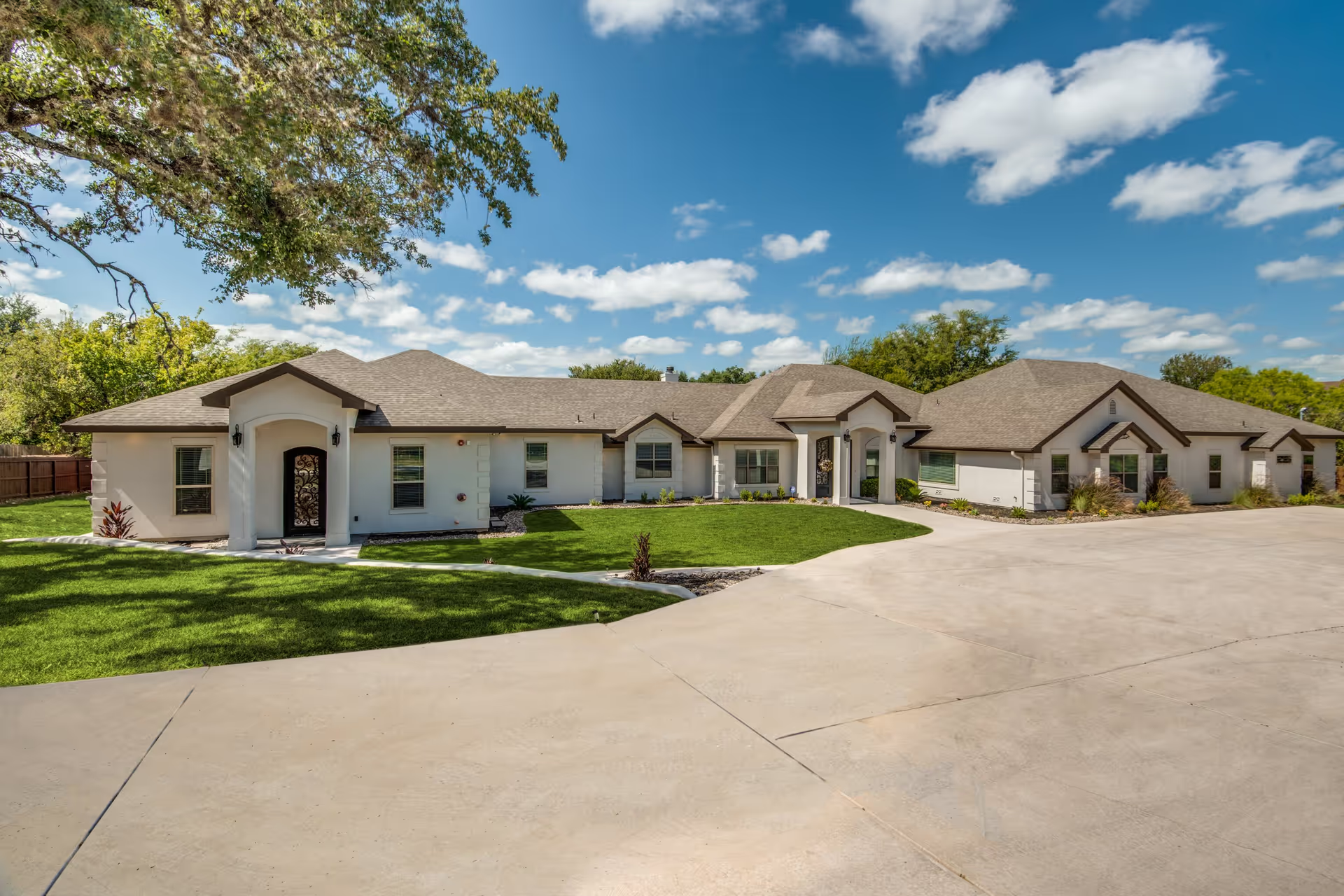
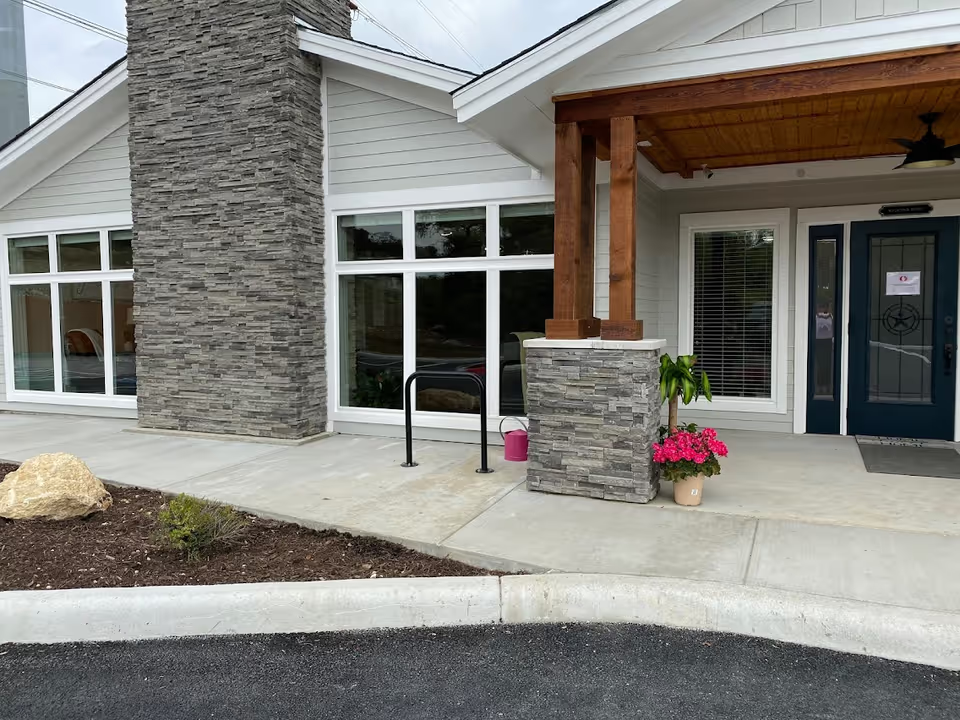
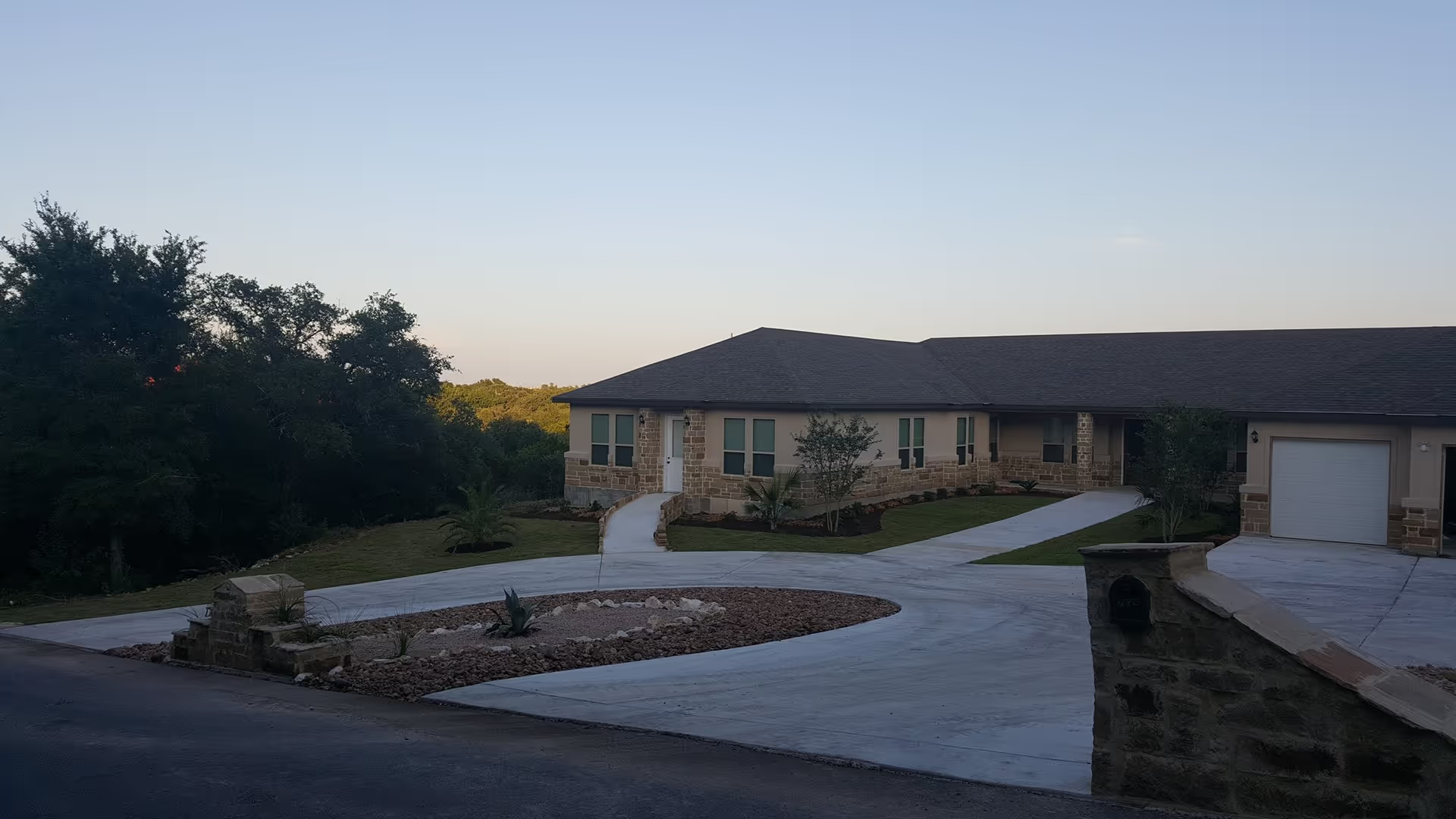
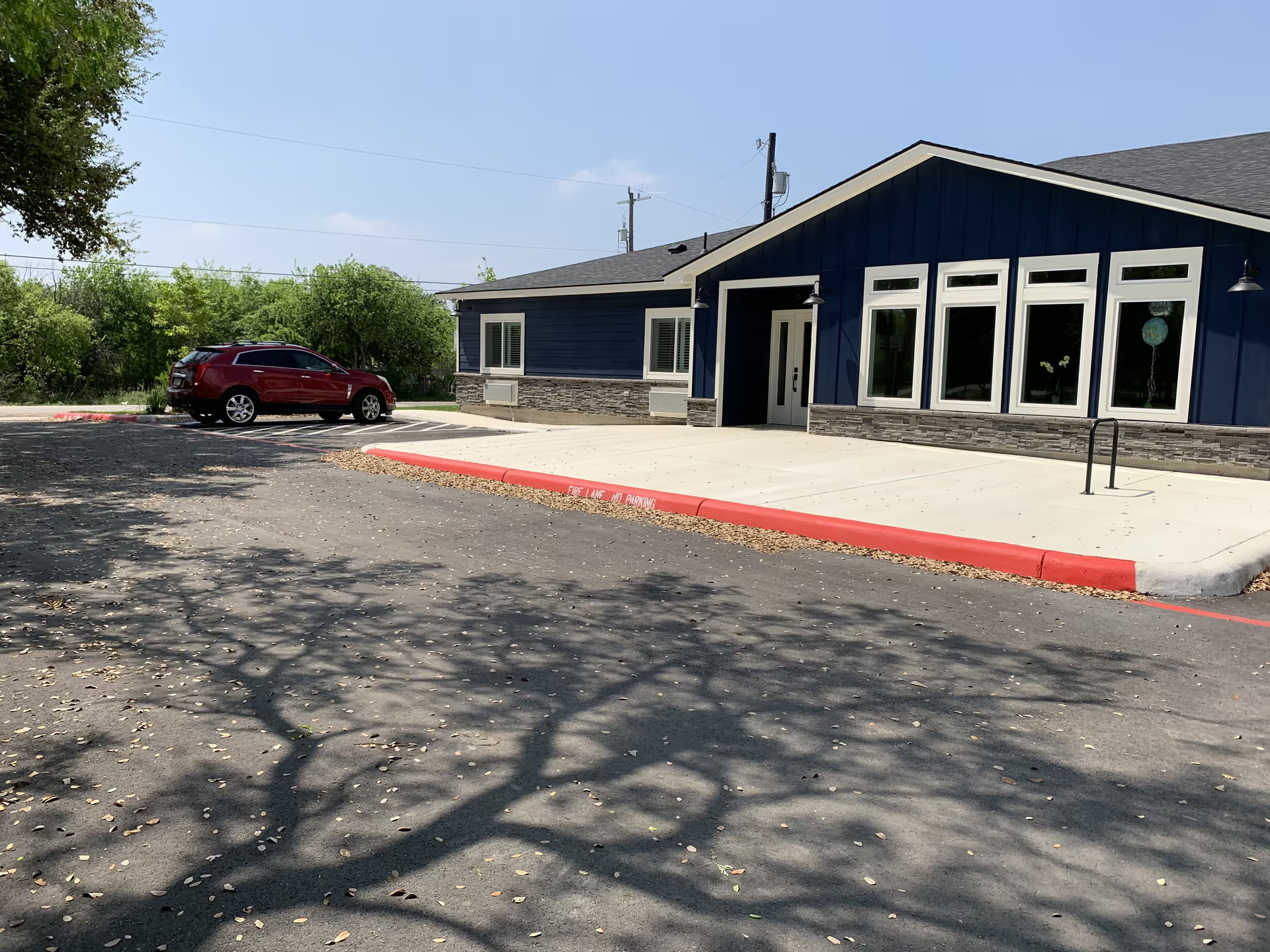
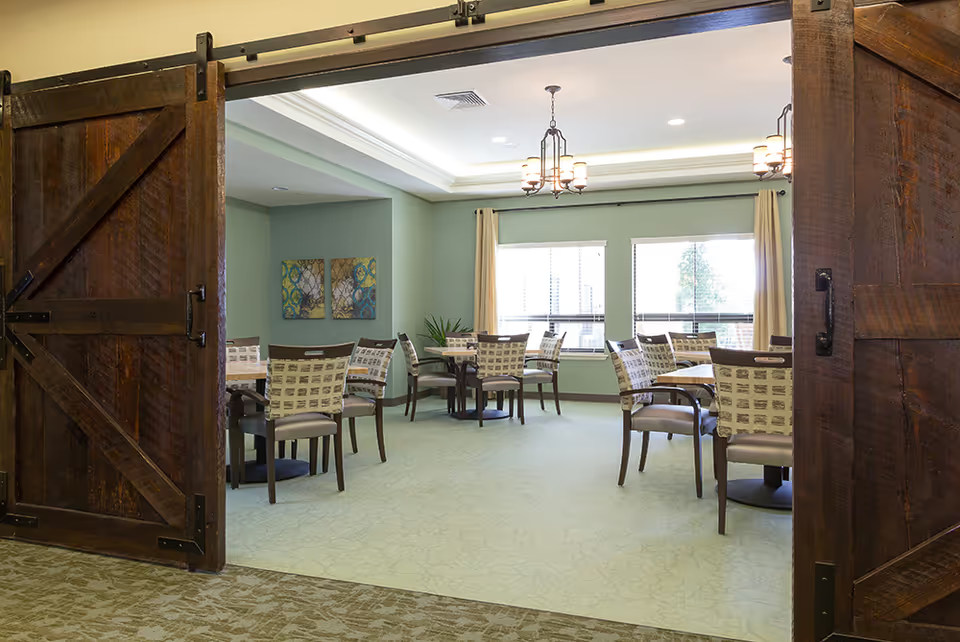
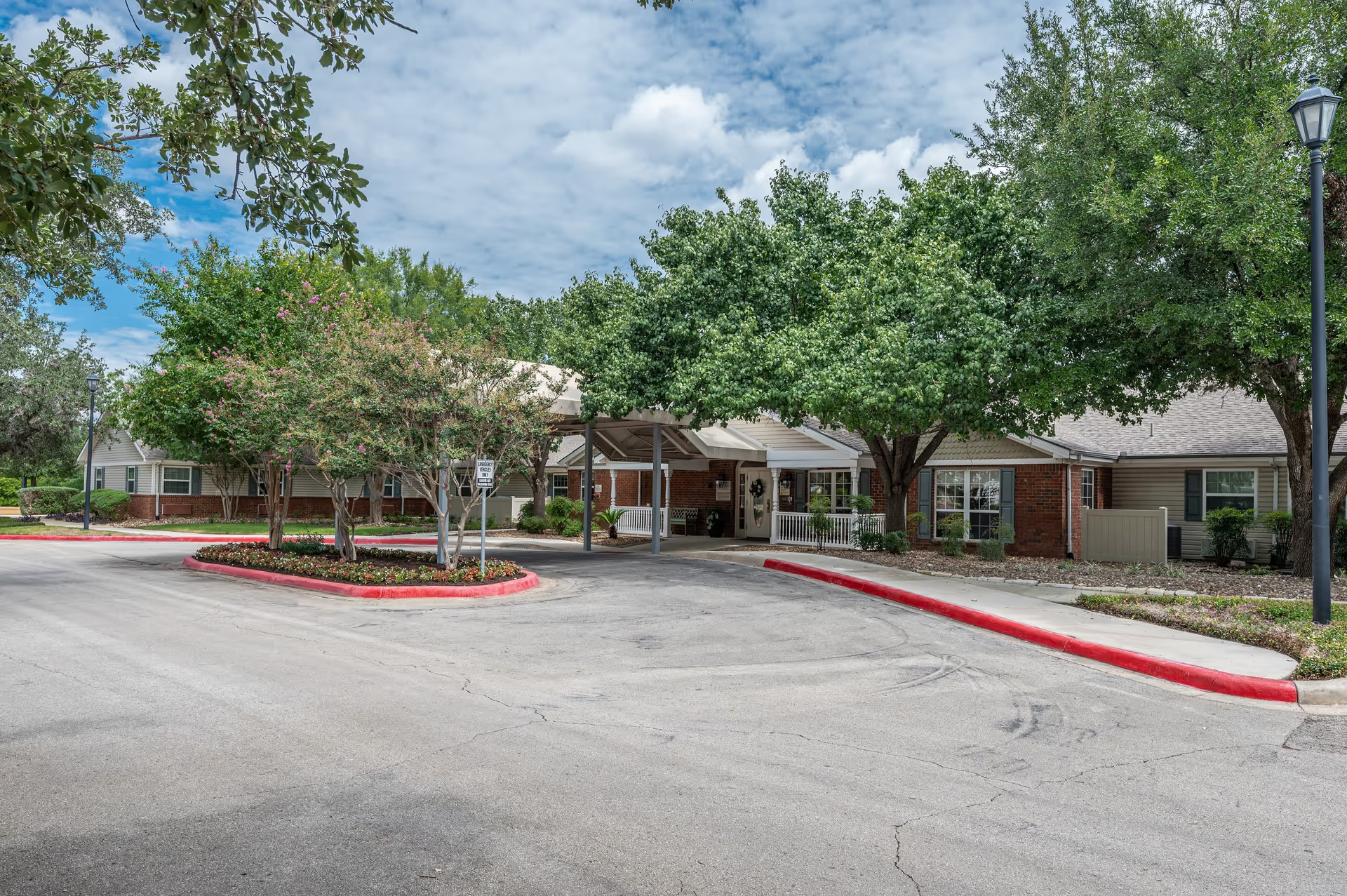
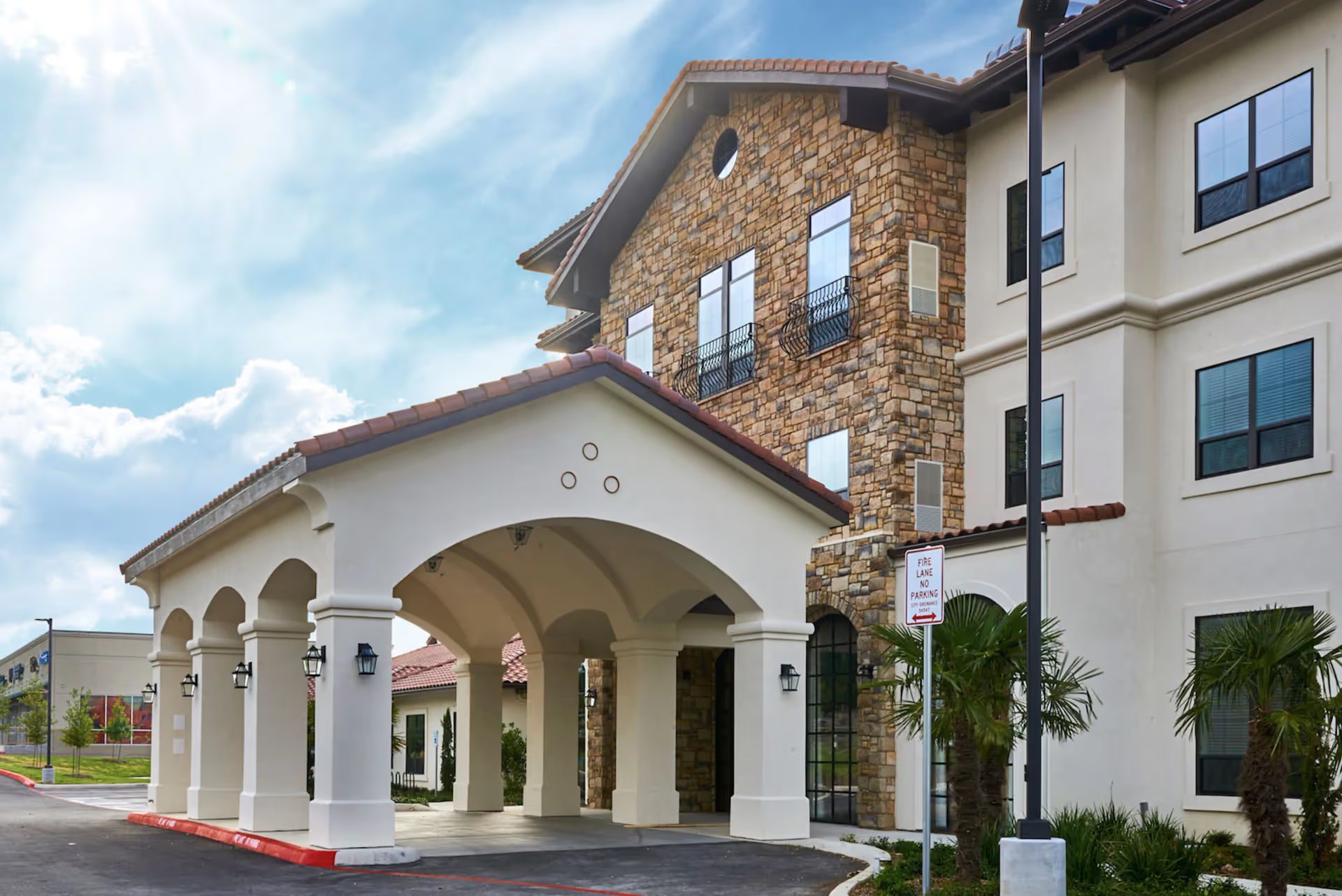
Poet's Walk San Antonio presents as a modern, well-appointed memory-care community with many of the design and program features families seek for residents with cognitive impairment. The building and common spaces are frequently described as bright, clean, and new, with interior gardens, glassed-in patios and multiple courtyards that create a homelike atmosphere. Resident rooms are generally characterized as large and well lit, and the community offers on-site amenities such as a salon and multiple social spaces.
Clinical care and caregiving are a strong theme in many reviews. Numerous families and visitors praised attentive, compassionate caregivers, 24-hour nursing availability, individualized memory-care plans, and a Family Ambassador role that coordinates care. Several reviewers highlighted effective hospice and rehabilitation support, and many described measurable functional improvements in residents (weight gain, mobility gains) following placement. Technology features such as motion sensors, tablets for medication/care information, and personal music devices are used to support memory-care programming and resident engagement.
Dining and activities receive consistent positive mention. The community offers chef-prepared meals, varied menu alternatives, and an emphasis on enjoyable, social dining. Activity programming is robust and diverse, including music therapy, arts and crafts, exercise, religious services, and targeted groups (e.g., men's and veterans’ groups). Reviewers commonly noted that staff encourage participation while allowing residents choice and downtime, and activities coordinators are described as engaged and creative.
Despite many positive operational points, a pattern of administrative and operational inconsistencies emerges across reviews. Communication from leadership is uneven: families describe periods of proactive contact and family meetings as well as intervals of poor follow-up, unanswered calls, and inconsistent case-management. Leadership turnover and frequent director changes contribute to a sense of instability for some families. Staffing issues are also recurrent: high caregiver turnover, periodic understaffing, and variability in day-to-day staff competence were linked to lapses in responsiveness, activity engagement, and routine care.
Clinical and administrative process gaps were raised in multiple contexts. Concerns include medication-management and documentation inconsistencies, episodic lapses in infection-control testing and related procedures, and variable housekeeping and maintenance responsiveness. Billing, charge resolution, and refund processing were also noted as administrative pain points. Visitation policies are described by some families as restrictive or cumbersome (for example, advance reservation requirements), and pet-policy enforcement appears unclear in practice.
Overall, Poet's Walk San Antonio offers many strengths expected of a specialized memory-care community—modern facilities, rich activity programming, and numerous accounts of compassionate, effective caregiving. Prospective families should weigh these programmatic strengths against reported operational weaknesses: ask specific questions about current leadership stability, staffing ratios and turnover, medication-administration protocols, infection-control practices, housekeeping/maintenance response times, billing procedures, and the community's current visitation and pet policies. An in-person tour that includes a meeting with the executive leadership and a review of clinical and administrative policies will help clarify whether the community’s present operations align with an individual resident’s needs and family expectations.