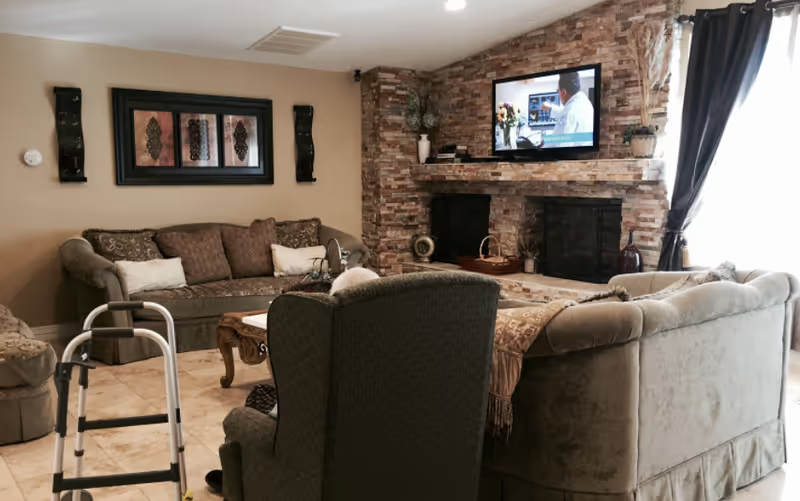
The reviews present a mixed but consistent pattern: staff-level caregiving and therapy are frequently praised, while facility operations and administrative responsiveness draw repeated concern. Clinically, many families describe nursing staff, CNAs, and therapists who provide attentive, compassionate care and effective rehabilitation for short-term patients. Activity programming is a clear strength, with an organized activities director, frequent group events (bingo, Bible study, outings), and documented outreach to less-mobile residents. Social work and care coordination receive positive mention, and several accounts describe a home-like, welcoming atmosphere that supports resident engagement and family visits.
Operationally, reviewers describe uneven performance. Communication and administrative access are a recurring weakness: unanswered phones, delayed email replies, and difficulty reaching leadership or getting timely updates create family distress. Relatedly, staffing patterns appear inconsistent — reviewers point to thin coverage overnight and on weekends — which correlates with delays in attending to resident requests, inconsistent bathing/incontinence assistance, and slower incident responses. These operational gaps raise concerns about monitoring and timely clinical follow-up, including questions about dementia-focused care and post-acute oversight in some cases.
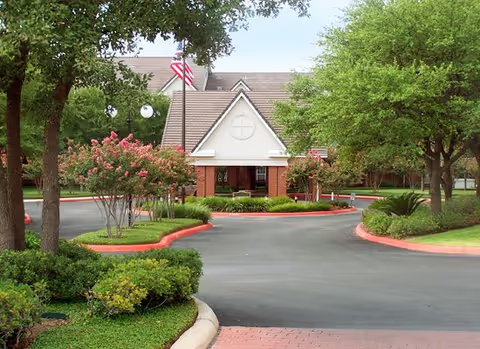
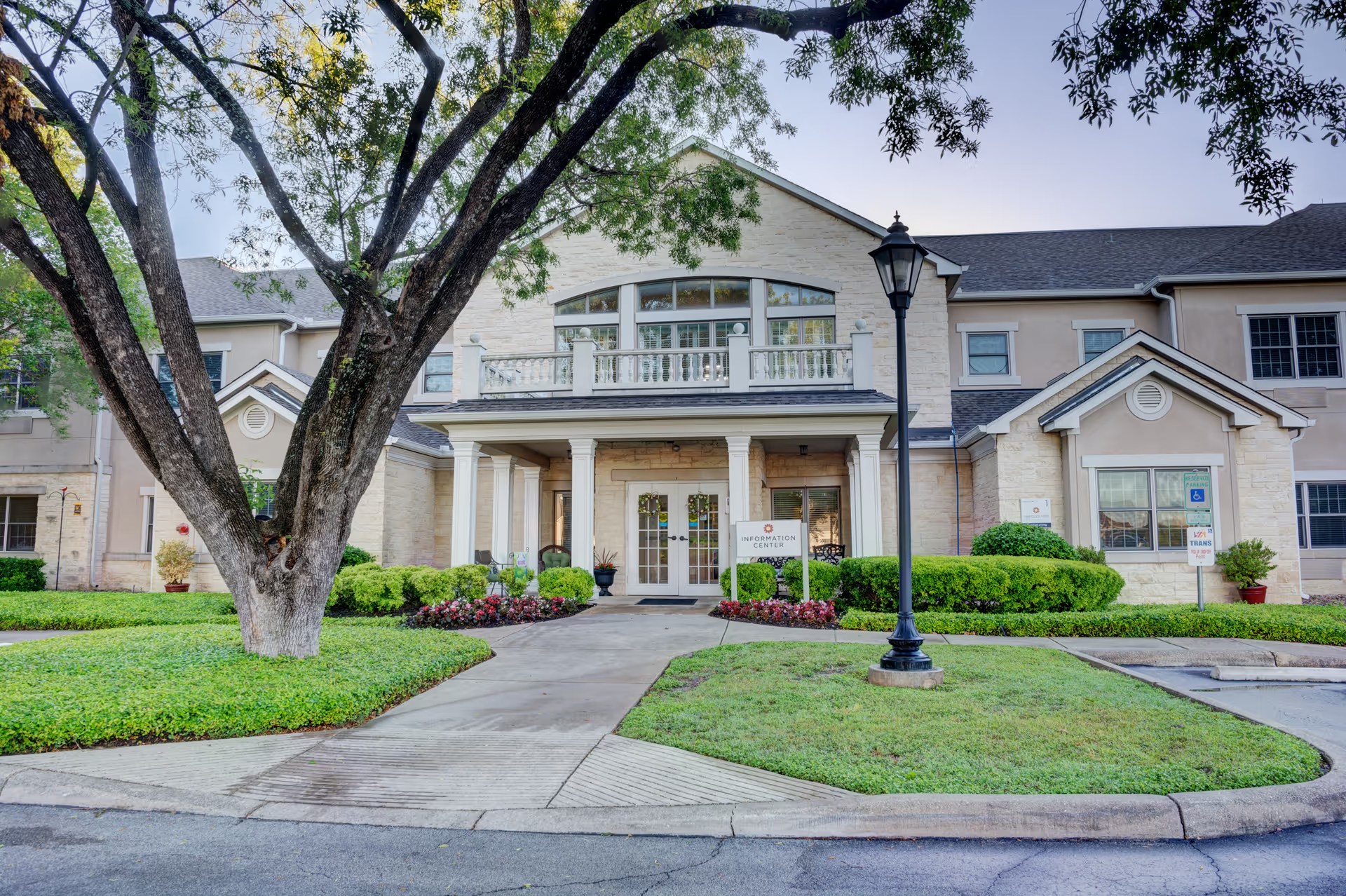
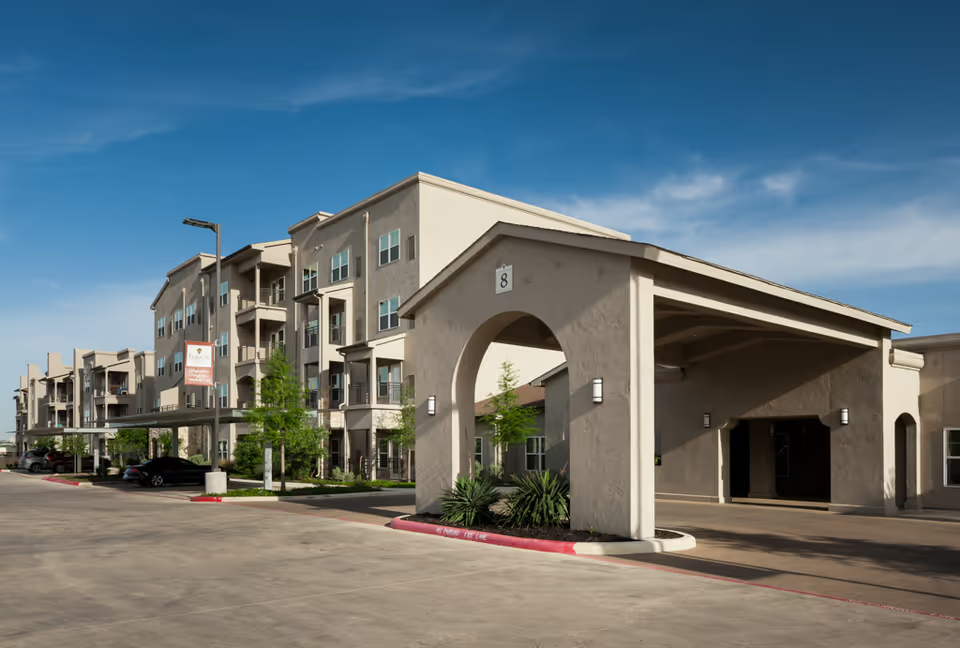
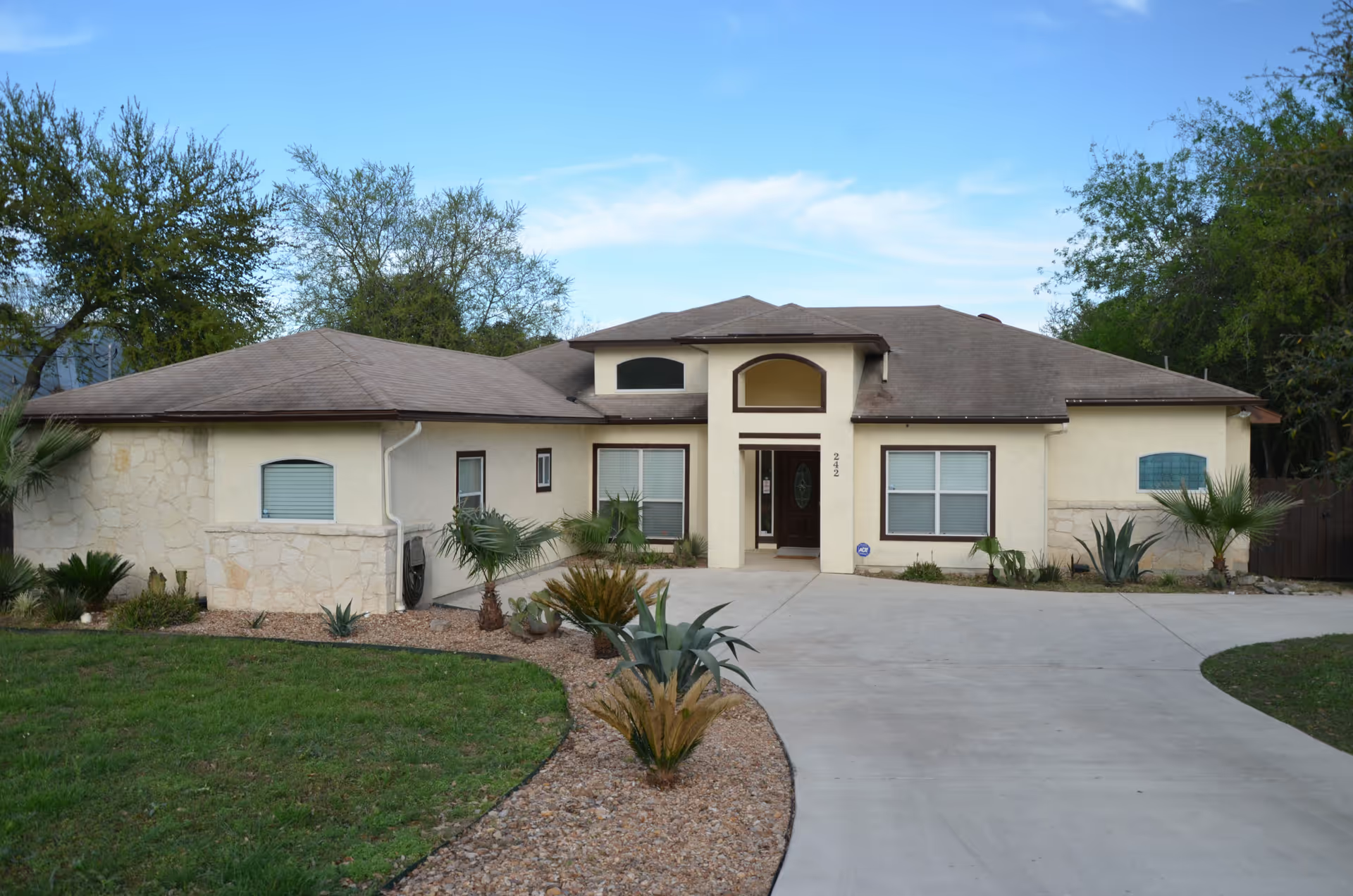
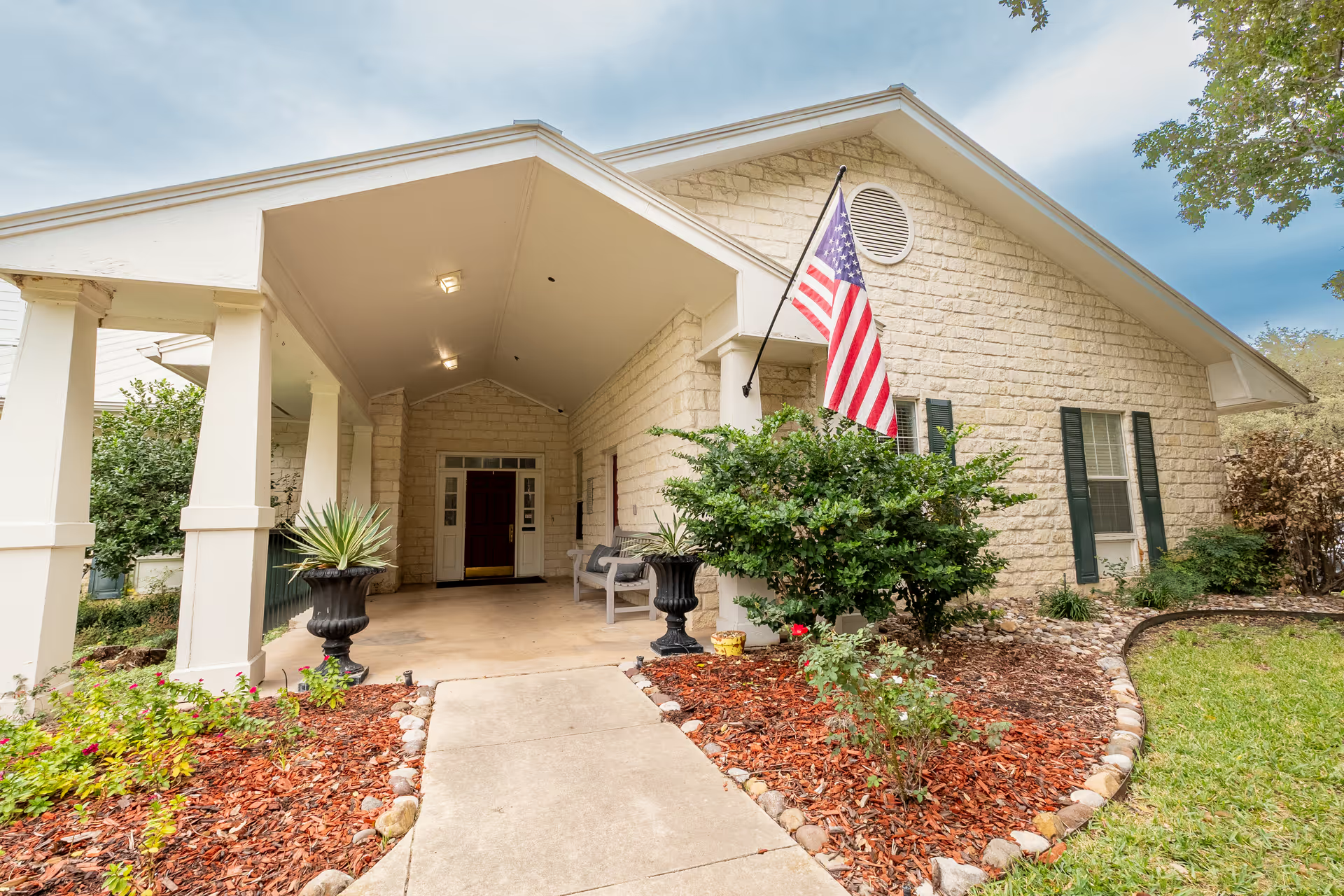
Dining and rehabilitation are mixed strengths. Several families praise quality therapy services, individualized meal options, and improvements under new kitchen staff; others describe variable meal quality and occasional service interruptions. Activities and therapy programs are generally robust and contribute positively to residents’ mood and mobility. Facility condition is another divided area: some visitors describe clean common areas and freshly maintained rooms, while others cite an aging building, maintenance issues and sanitation concerns that suggest a need for capital and housekeeping attention.
Management-level issues center on responsiveness, logistics and policy adherence. Reviews point to lost clothing and personal items, problems with billing and refunds, and inconsistent handling of admissions and follow-up communication. There are also mentions of concerns about staff professionalism and at least one allegation concerning staff substance use; these comments indicate a need for stronger personnel oversight, consistent enforcement of workplace policies, and transparent incident reporting. A few families described intentions to pursue regulatory or legal avenues, underscoring how management communication and resolution processes affect family trust.
For prospective residents and families: verify current staffing ratios and night/weekend coverage, ask for documented communication protocols (who you contact for updates and expected response timelines), review the facility’s maintenance and sanitation plans, confirm laundry and personal-belongings procedures, and request a tour of activity and therapy offerings. If dementia care or high-dependency assistance is required, ask specifically about monitoring practices and how the team escalates clinical changes. Visiting in person and speaking directly with the nursing leadership, social worker and activities coordinator will provide the clearest sense of whether the facility’s strong caregiving and therapy offerings align with operational reliability and family expectations.