San Pedro Manor elicits a wide range of impressions, with a substantial number of families and residents praising clinical care and rehabilitation while others describe operational gaps that affect daily life. Strengths commonly cited include knowledgeable nursing staff, compassionate caregivers, and an effective therapy department that supports restorative outcomes. Several reviewers highlighted personalized clinical interventions — such as wound care protocols and special mattresses — and many remarked on a welcoming admissions process, engaged front-desk personnel, and an activities program that promotes resident participation and social engagement.
Dining and rehabilitation receive mixed but often positive comments. Multiple accounts describe varied, palatable menu choices and staff willingness to accommodate food preferences; at the same time there are recurring notes about inconsistent meal timing and food-temperature control that can disrupt expected mealtimes. Therapy services are frequently identified as a strong point, with reports of meaningful functional gains, though some families reported abbreviated or inconsistent therapy-session durations in certain stays.
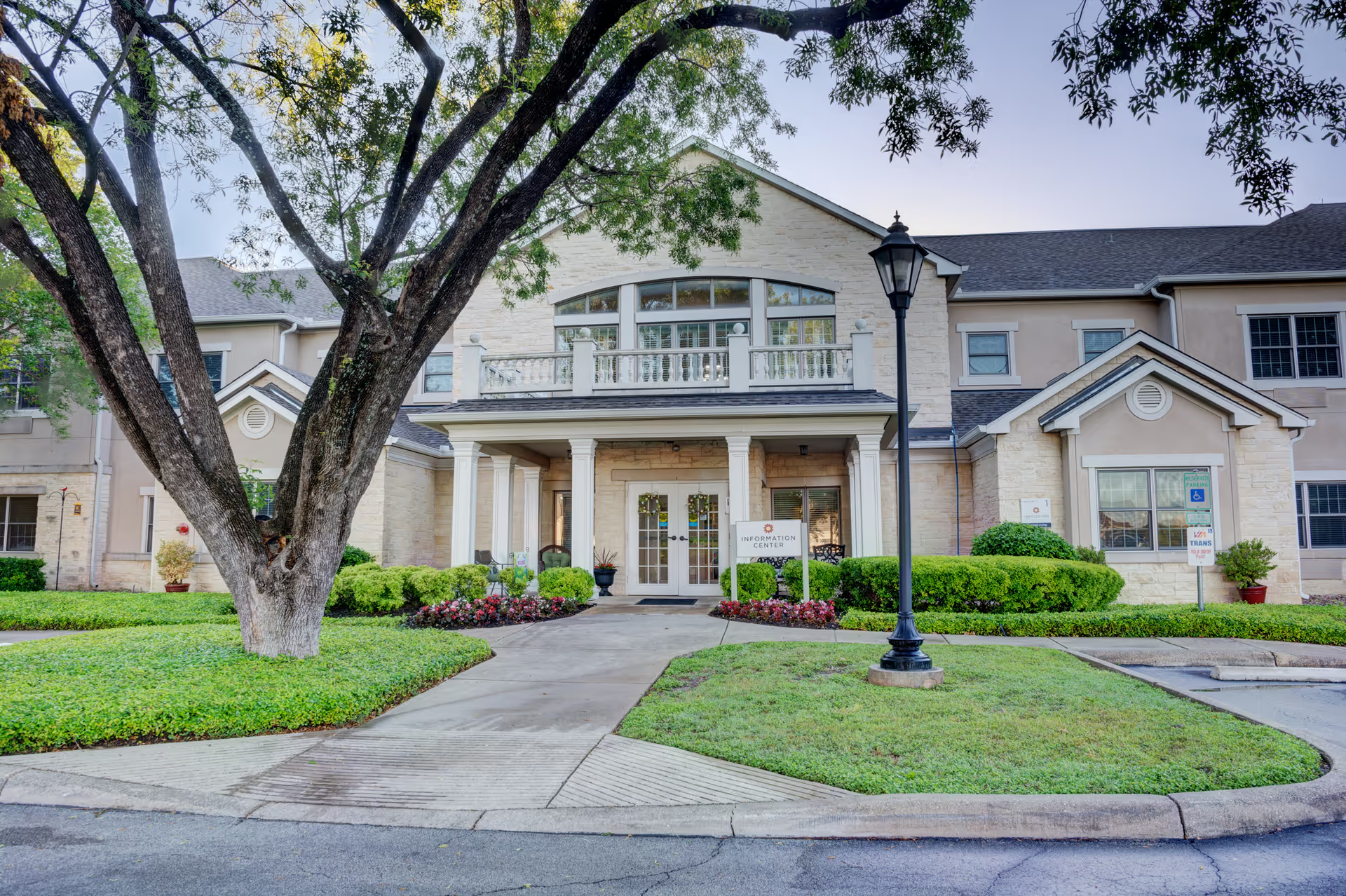
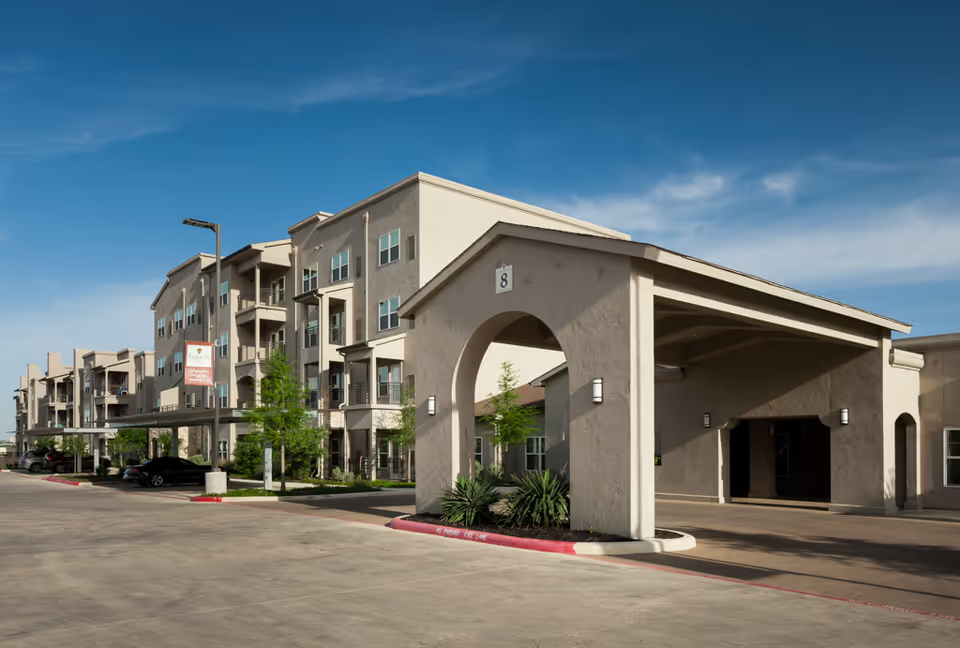
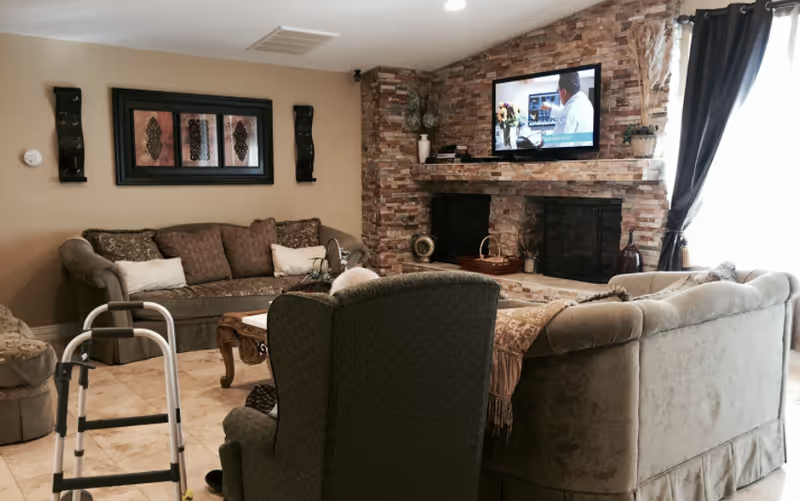
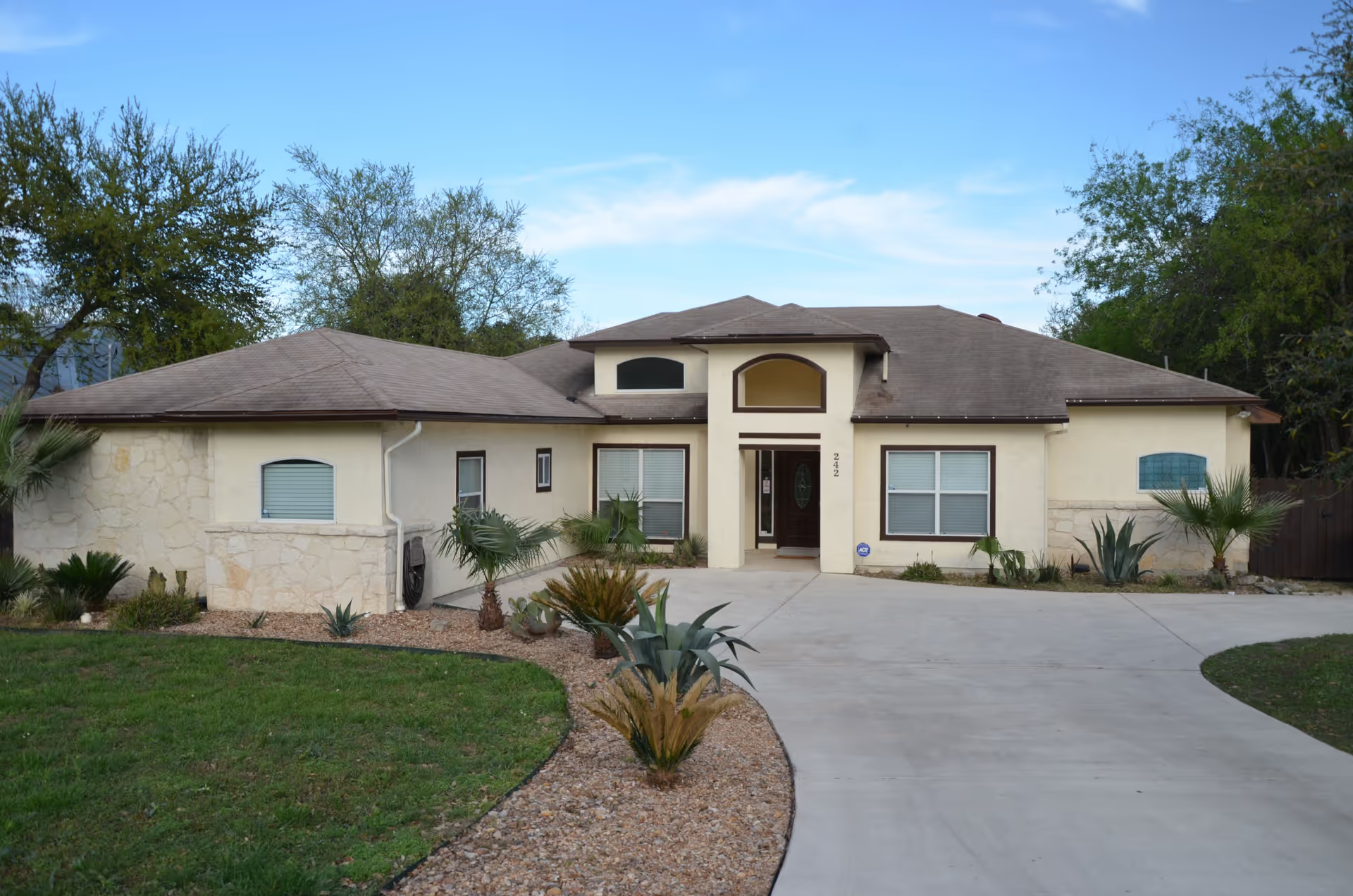
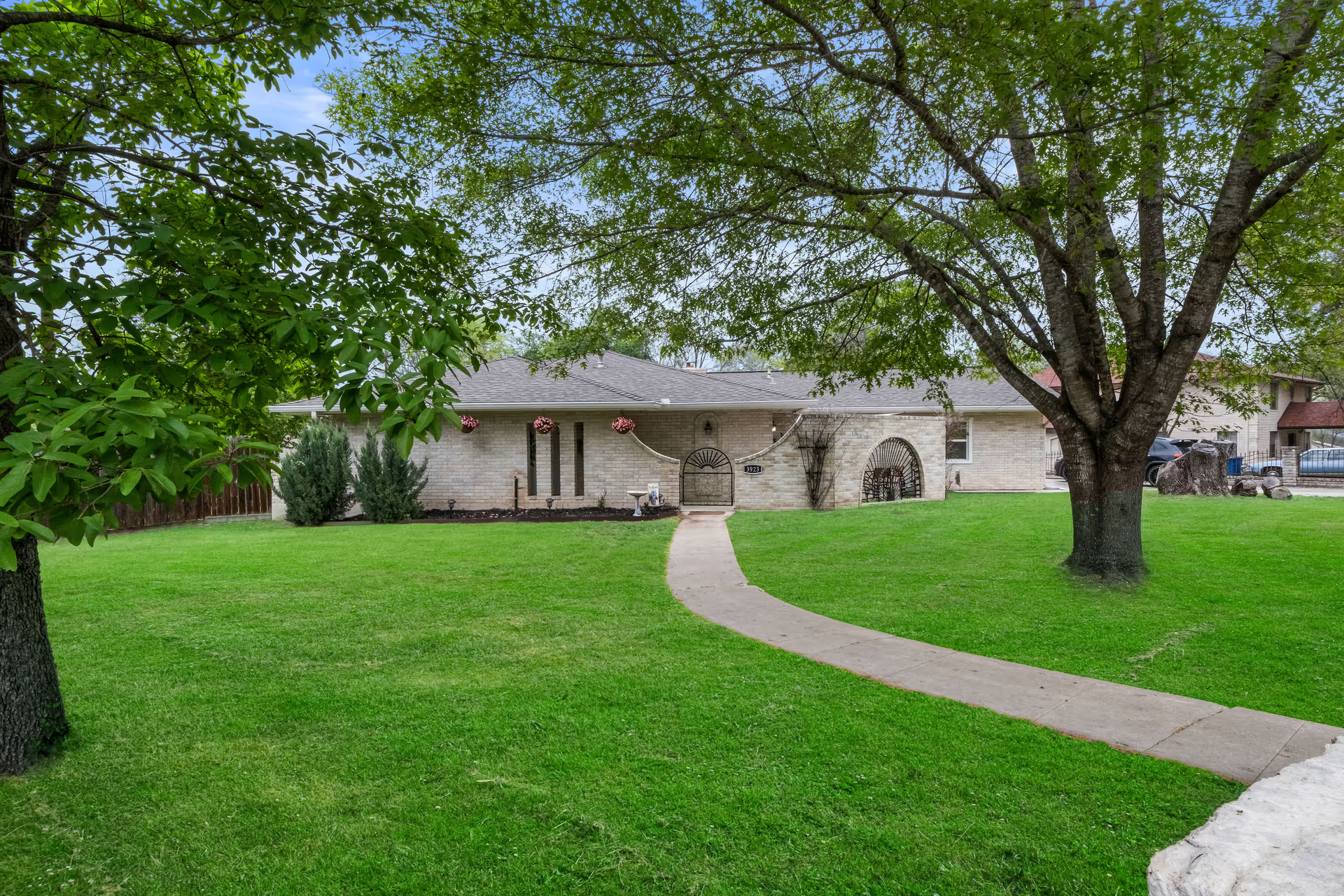
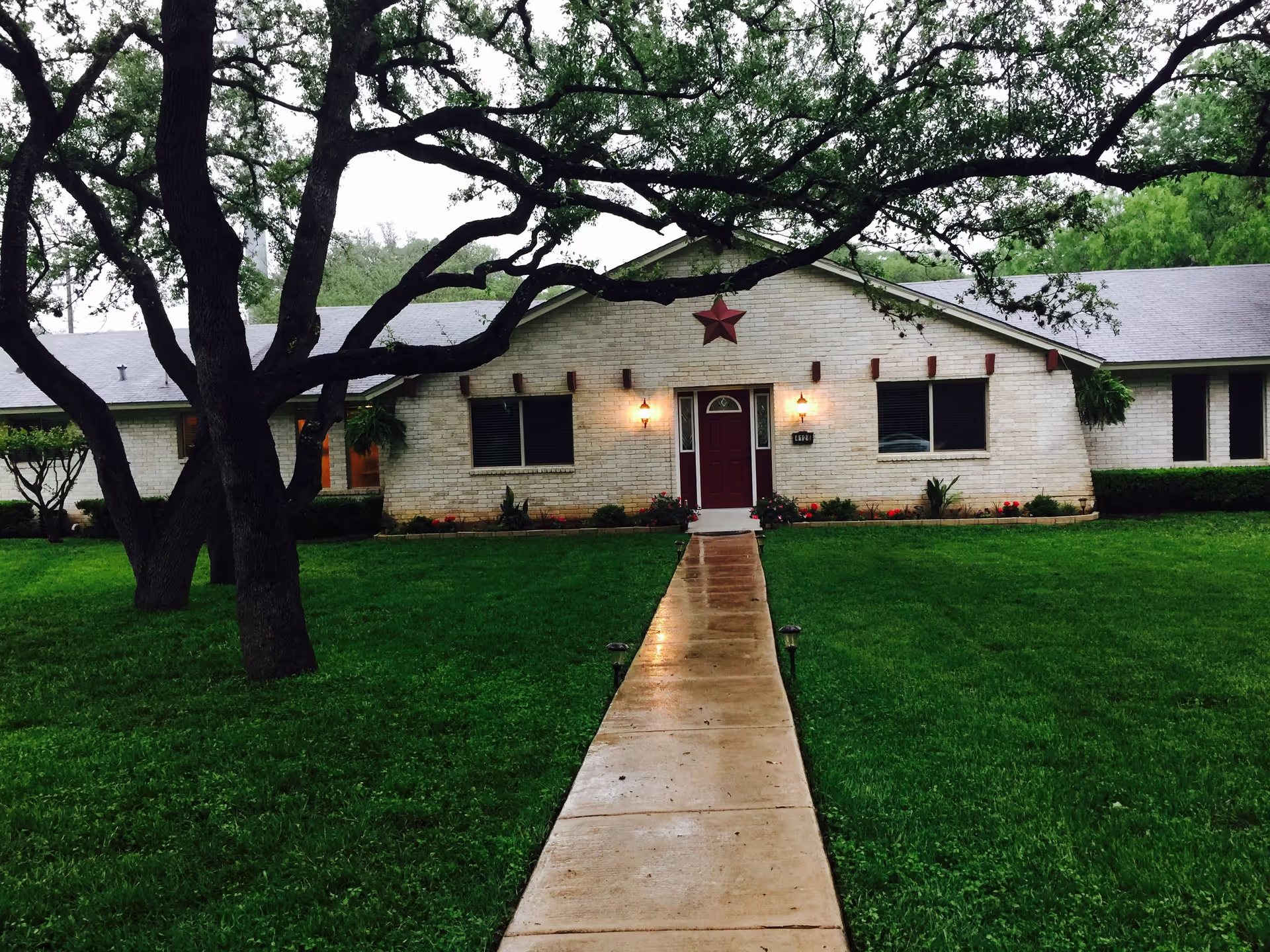
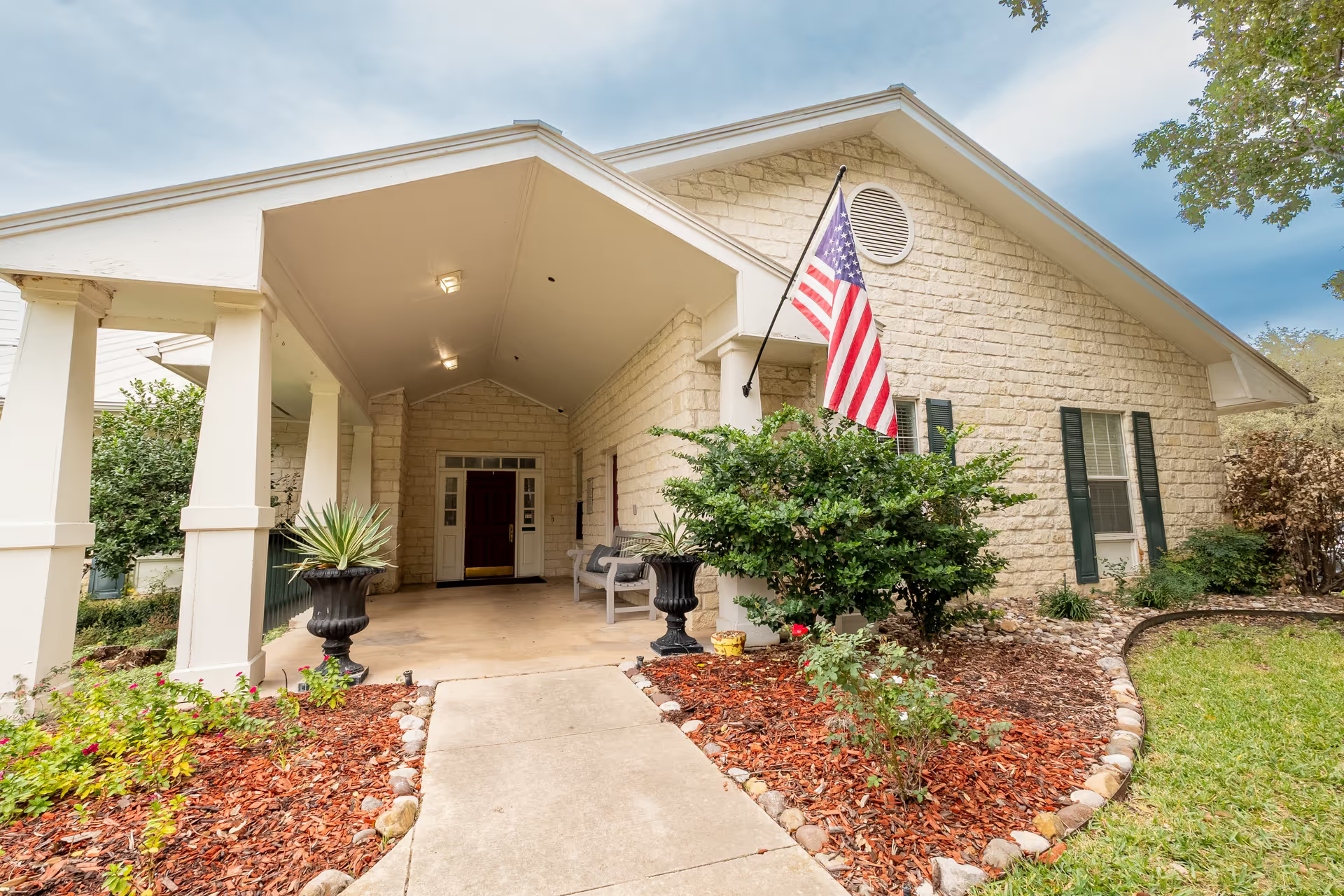
Facility condition and amenities present contrasting themes. Recent renovations and clean interior areas are praised by many visitors, and there are positive remarks about a generally bright, orderly environment in portions of the building. Conversely, reviewers also raised sanitation and odor concerns in some areas, along with maintenance deficits such as missing paint, lighting issues, elevator reliability, and water-leakage disruptions. Outdoor spaces and landscaping are commonly described as underdeveloped; several reviewers recommended a garden or more welcoming exterior communal areas.
Operational and management patterns are uneven. Numerous testimonials commend an accessible administration, a collaborative director-of-nursing, and staff who go above and beyond; others describe inconsistent staffing levels, slow response to call bells, and difficulty reaching staff by phone. There are repeated concerns about gaps in incident response and family notification during clinical events, and several accounts describe delays in routine care processes (for example, bathing schedules and continence care) that contribute to pressure-injury risk and family anxiety. Allegations of personnel misconduct, security issues involving personal property, and past legal/regulatory activity were mentioned by some families; these items merit targeted follow-up during any evaluation or tour.
In summary, San Pedro Manor demonstrates clear clinical and rehabilitative strengths driven by committed clinicians and an engaged activities program, alongside operational weaknesses that include inconsistent staffing, communication breakdowns, maintenance shortfalls, and limited outdoor amenities. Prospective residents and families should weigh the facility’s strong therapy and bedside care references against the operational concerns noted above, and consider focused questions about staffing patterns, incident-notification protocols, sanitation processes, property security, and plans for outdoor improvements when arranging a visit or assessment.