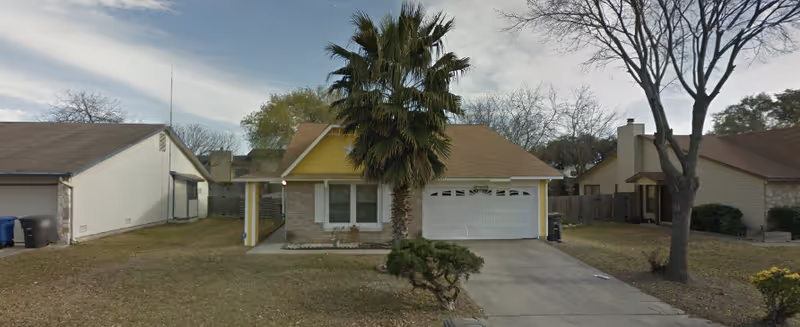
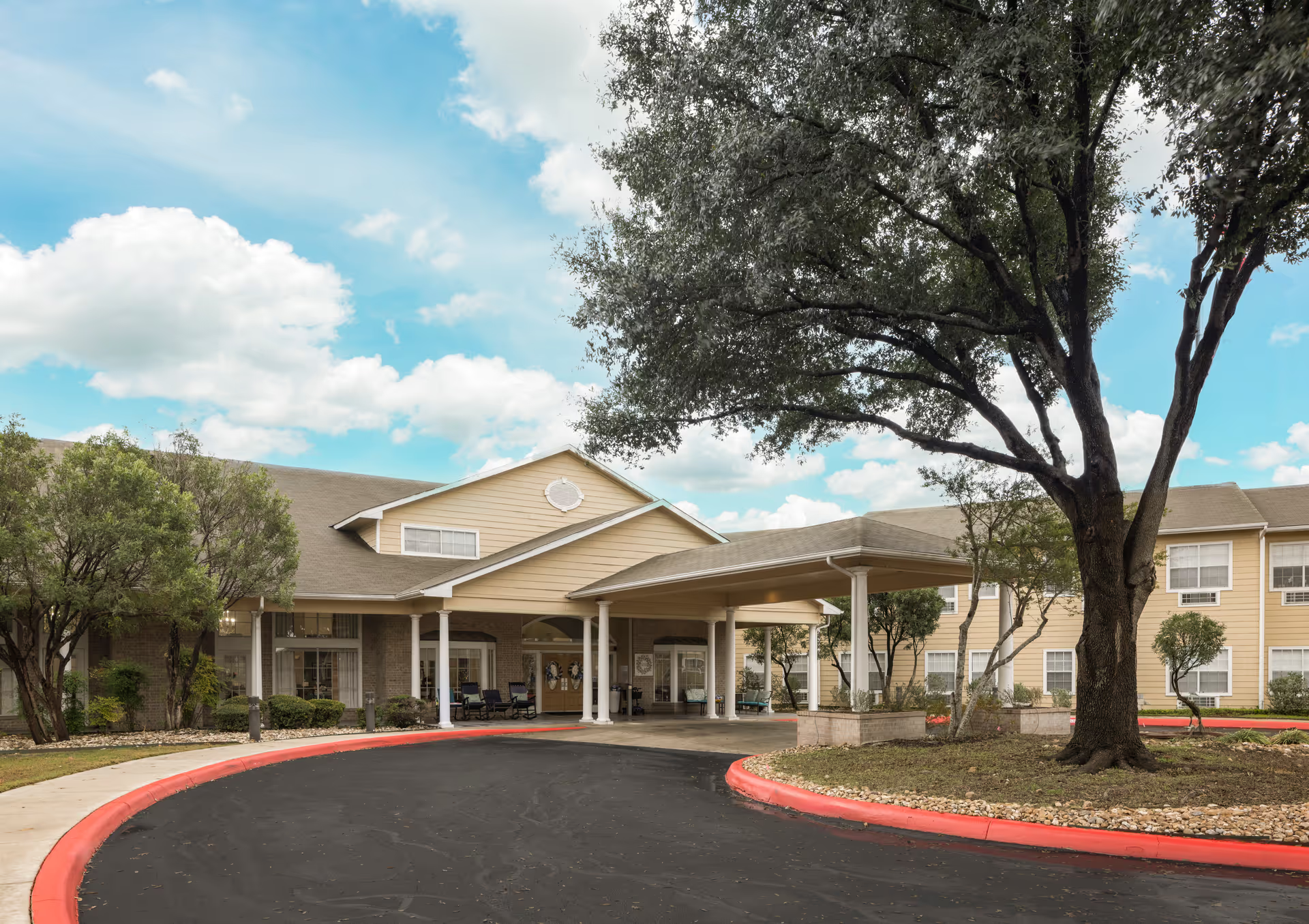
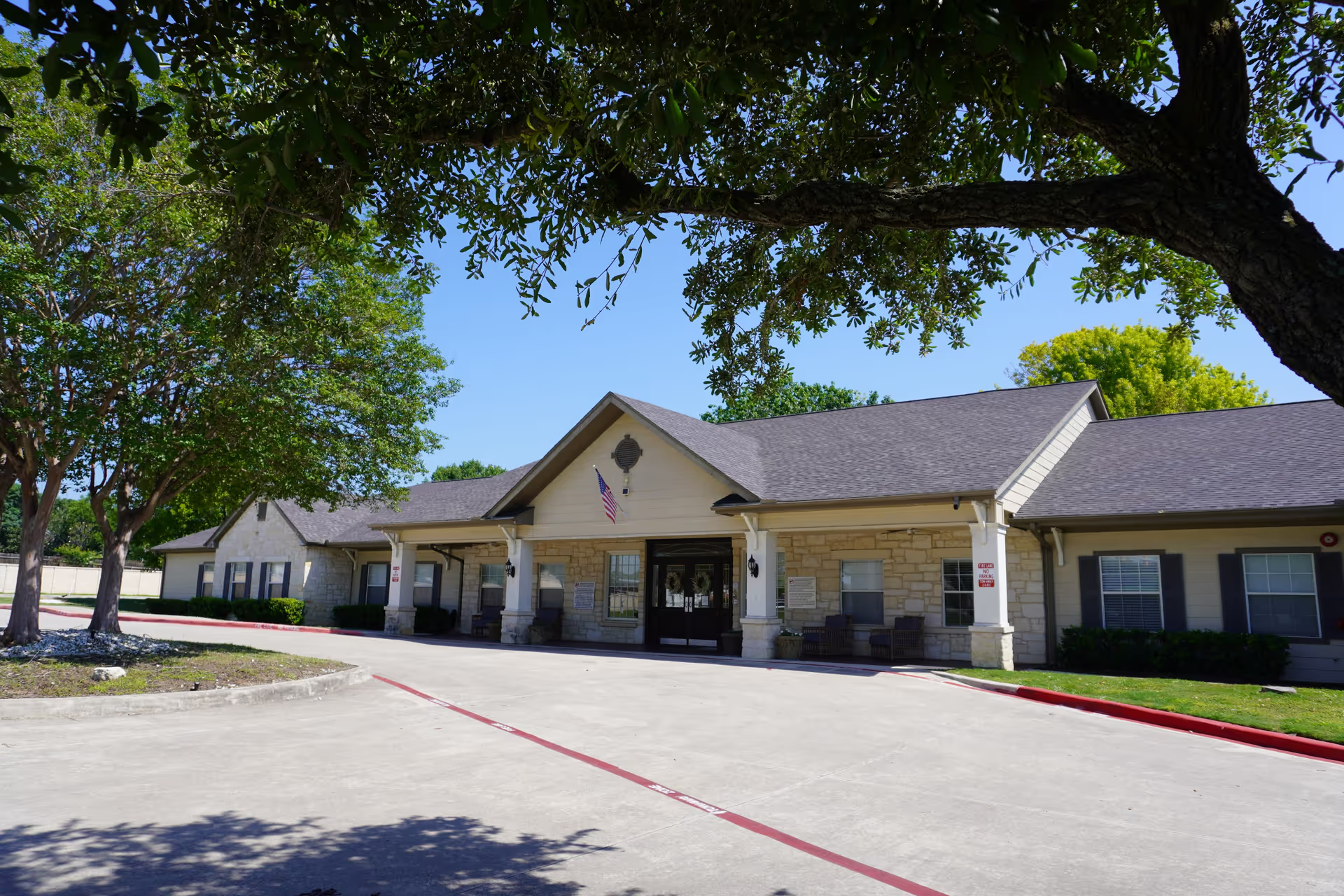
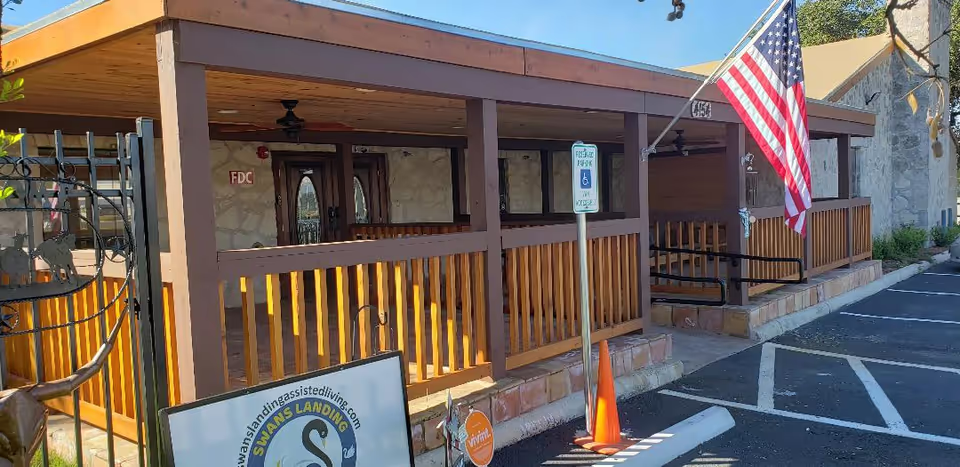
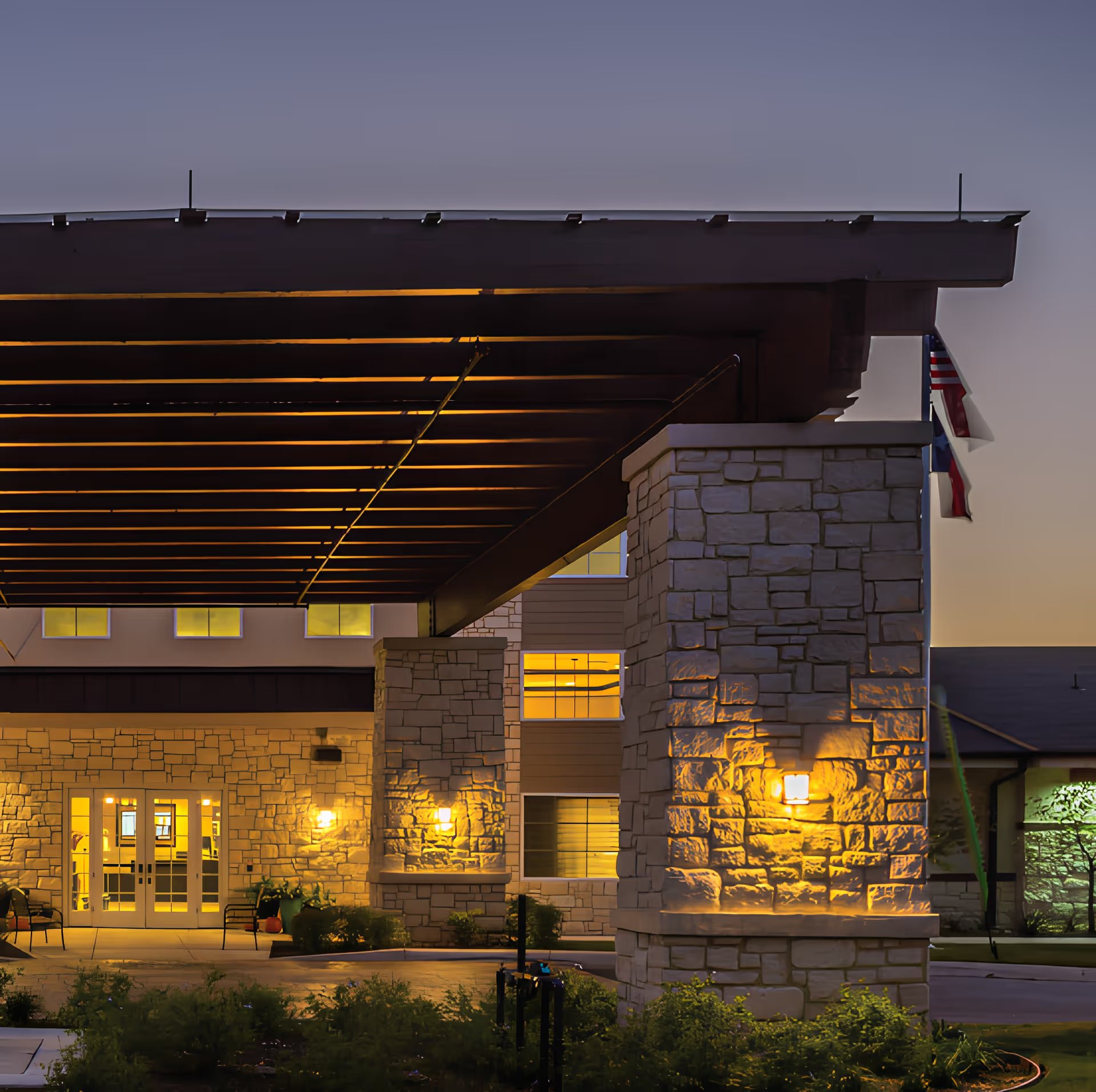
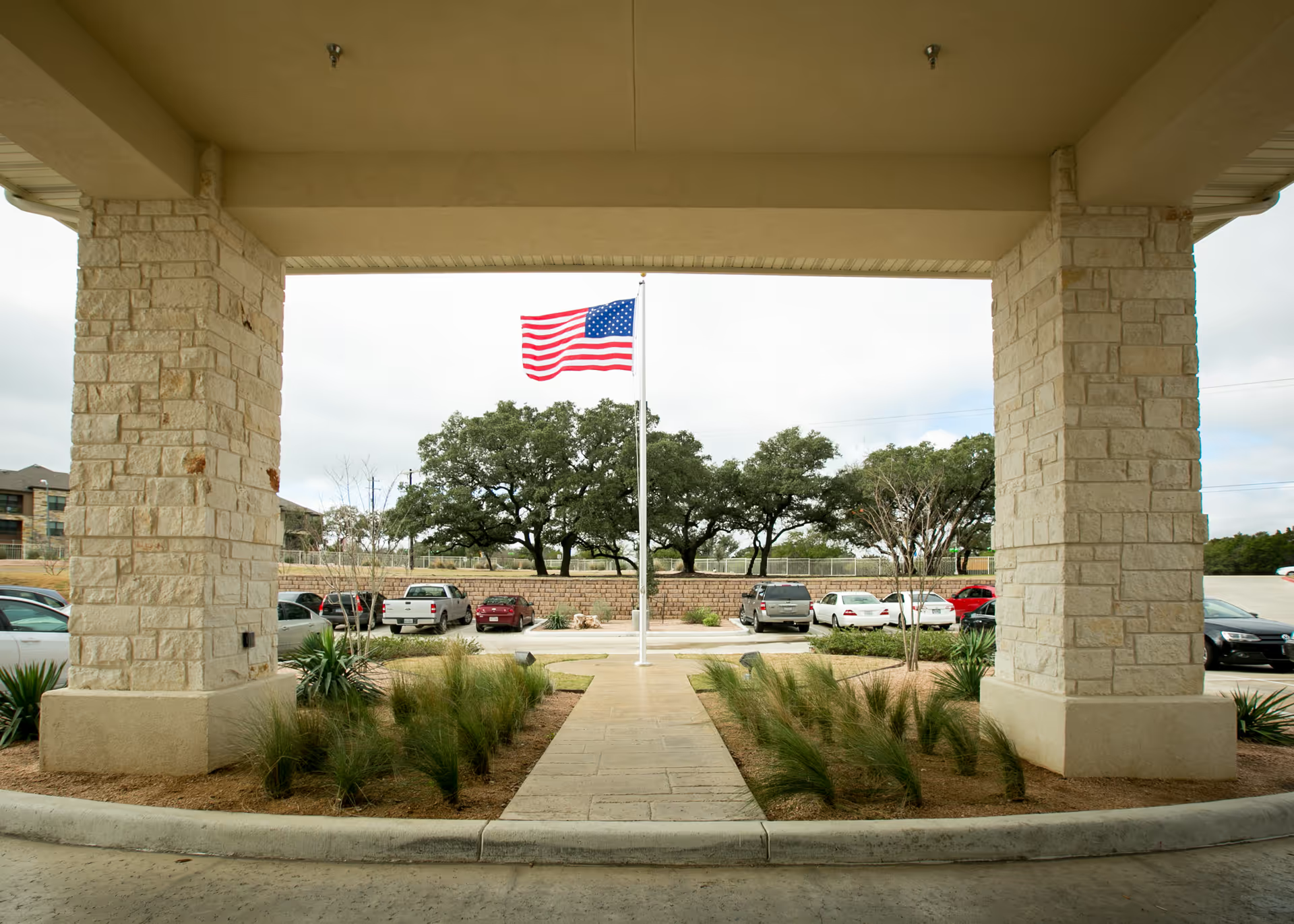
Overall impression: Reviews characterize Seasons Alzheimer’s Care and Assisted Living as a small, home-like memory-care community with a strong emphasis on personalized attention. Many families highlight an involved owner presence, high staff-to-resident ratios, and a culture of compassionate caregiving. The facility’s physical environment and grounds are frequently described as clean, attractive, and secure, and reviewers often note that common areas and rooms are well maintained.
Care and staff: The facility receives considerable praise for compassionate, attentive staff and hands-on owner involvement, which many families say produces individualized care, timely communication, and peace of mind. Staff-led engagement with residents—including daily interaction, encouragement for movement, and one-on-one attention—is a consistent strength. At the same time, a pattern of variability appears: some families reported declines in responsiveness or professionalism at times, and several reviews cite occasional staffing shortages or delays. These accounts point to unevenness in staff conduct and continuity rather than an across-the-board standard.
Dining and nutrition: Meals are frequently described positively as fresh, home-cooked, and well balanced, with many residents enjoying the food and social dining experience. The program includes seconds and accommodates preferences. However, there are recurring notes about inconsistent meal service—specifically food arriving cold at times and a repetitive weekly menu—indicating occasional operational issues in meal delivery and rotation.
Activities and programming: Activity offerings are a clear strength. Reviewers commonly mention music, art, dancing, gardening, animal visits, and memory-supportive exercises that encourage participation and socialization. The activity program is described as varied and tailored to cognitive needs, with caregivers actively engaging residents in meaningful ways.
Facilities and operations: The campus layout, private-room options, secure outdoor areas, and on-site services (hair, nails, transportation for medical appointments) are appreciated. Cleanliness of the facility and lack of odor are repeatedly emphasized. Operational gaps cited across reviews include limited housekeeping scope, delays in laundry service, shortages of basic bathroom supplies, and the absence of in-room nurse-call systems. Roommate-placement practices and tracking of personal items have also been identified as areas needing improvement.
Clinical concerns and risk areas: While many families praise clinical attentiveness, some reviews raise more serious operational concerns: inconsistent bathing schedules and equipment replacement, medication- and personal-item tracking inconsistencies, and questions about hydration and mobility-support practices. These accounts suggest variability in clinical-process reliability. A small number of reviews describe more severe care and compliance issues; those reports contrast with the majority of positive accounts and indicate the need for prospective families to review care processes, incident reporting, and regulatory history during visits.
Management and value: Owner leadership and frequent communication to families are widely seen as strengths, contributing to individualized care and prompt updates (including photos and calls). Pricing is described as stable and transparent by some, but several families perceive the cost as high relative to other options. Prospective residents should weigh the facility’s small-community advantages and owner involvement against the potential for variability in day-to-day operations.
Bottom line: Seasons presents as a small, well-kept, activity-rich memory-care community with many families reporting compassionate staff, strong owner engagement, and a warm atmosphere. At the same time, reviewers identify operational inconsistencies—particularly around personal care delivery, housekeeping and supplies, nurse-call infrastructure, and occasional staffing reliability—that merit specific questions during a tour and clarification of policies (bathing schedules, medication protocols, staffing levels, supply management, and incident escalation) before placement.