Overall impressions of Silver Creek Nursing and Rehab are mixed but cluster around several clear strengths and distinct operational weaknesses. Many families and residents praised the direct-care teams and therapy programs: reviewers commonly described nursing staff and nursing assistants as compassionate and attentive, and occupational/physical therapy as effective at restoring mobility and independence. The activities program is frequently highlighted for its variety, individualized engagement, and visible positive effects on residents’ quality of life. Housekeeping, laundry, and facility upkeep receive consistent positive remarks, and the facility is often described as clean, well-decorated for seasons/holidays, and supportive of veterans and spiritual needs.
Clinical care shows both strong and weak elements. On the positive side, therapy outcomes, one‑on‑one engagement, and hands‑on nursing support are repeatedly cited as strengths that helped residents recover and regain confidence. However, a number of reviewers described operational gaps: inconsistent staffing levels and variable clinical skill mix, especially overnight, have produced delays in responsiveness and continuity-of-care concerns. There are also multiple descriptions of medication-administration timing inconsistencies and episodic gaps in wound/infection oversight and hospital transfers. A small number of serious allegations, including concerns about staff conduct and at least one case involving police notification, were raised; these are isolated in context but significant and warrant direct inquiry by prospective families.
Dining and activities are generally positive but inconsistent. Many reviewers praised the facility’s attention to special diets, nutritious meals, and memorable holiday meals. At the same time, others experienced interruptions in meal delivery, rushed dining service, or perceived variability in food quality. The activities program is a pronounced strength: residents and families report meaningful programming, crafts, social events, and volunteer involvement that contribute to a family‑like atmosphere.
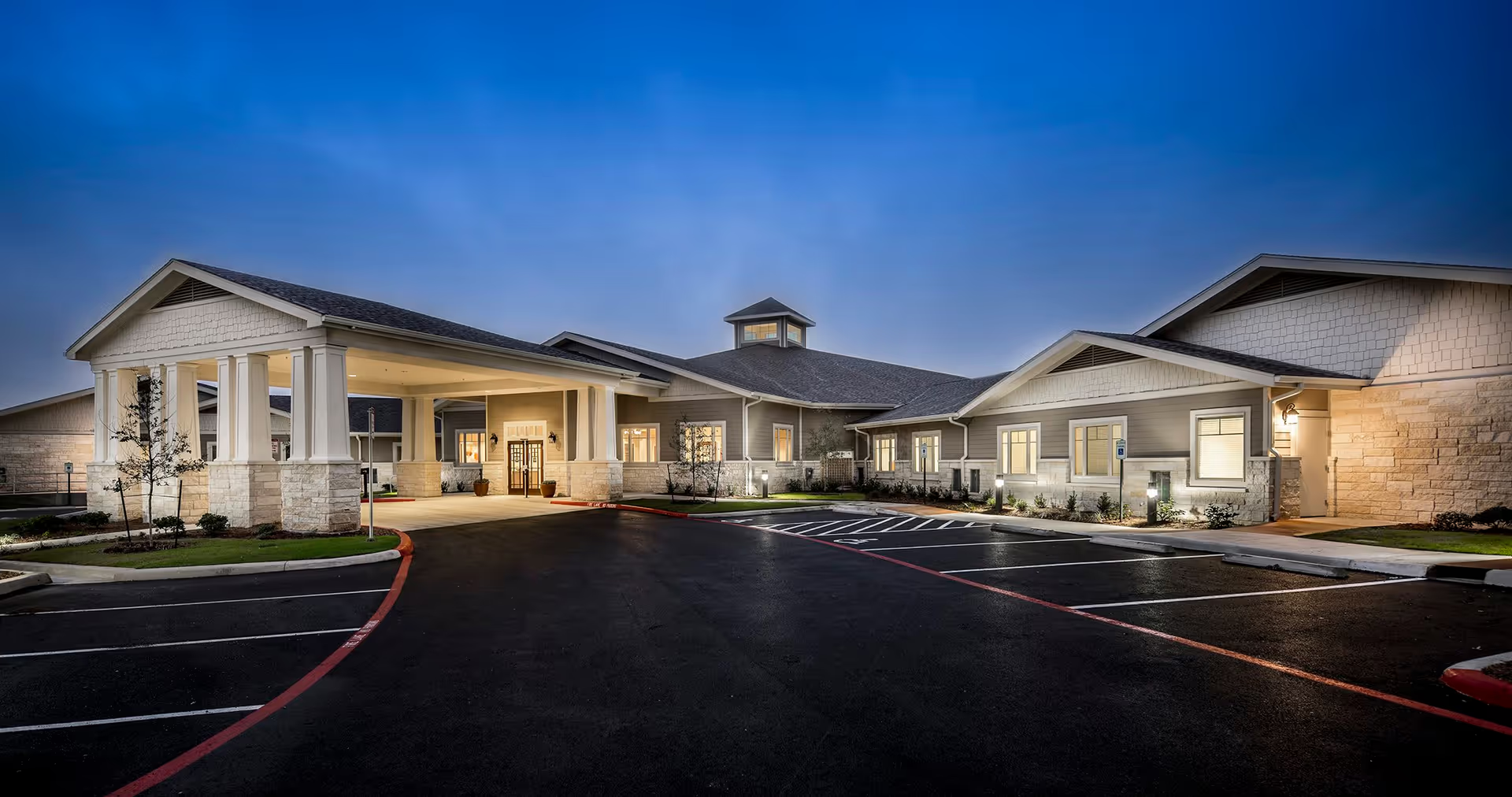
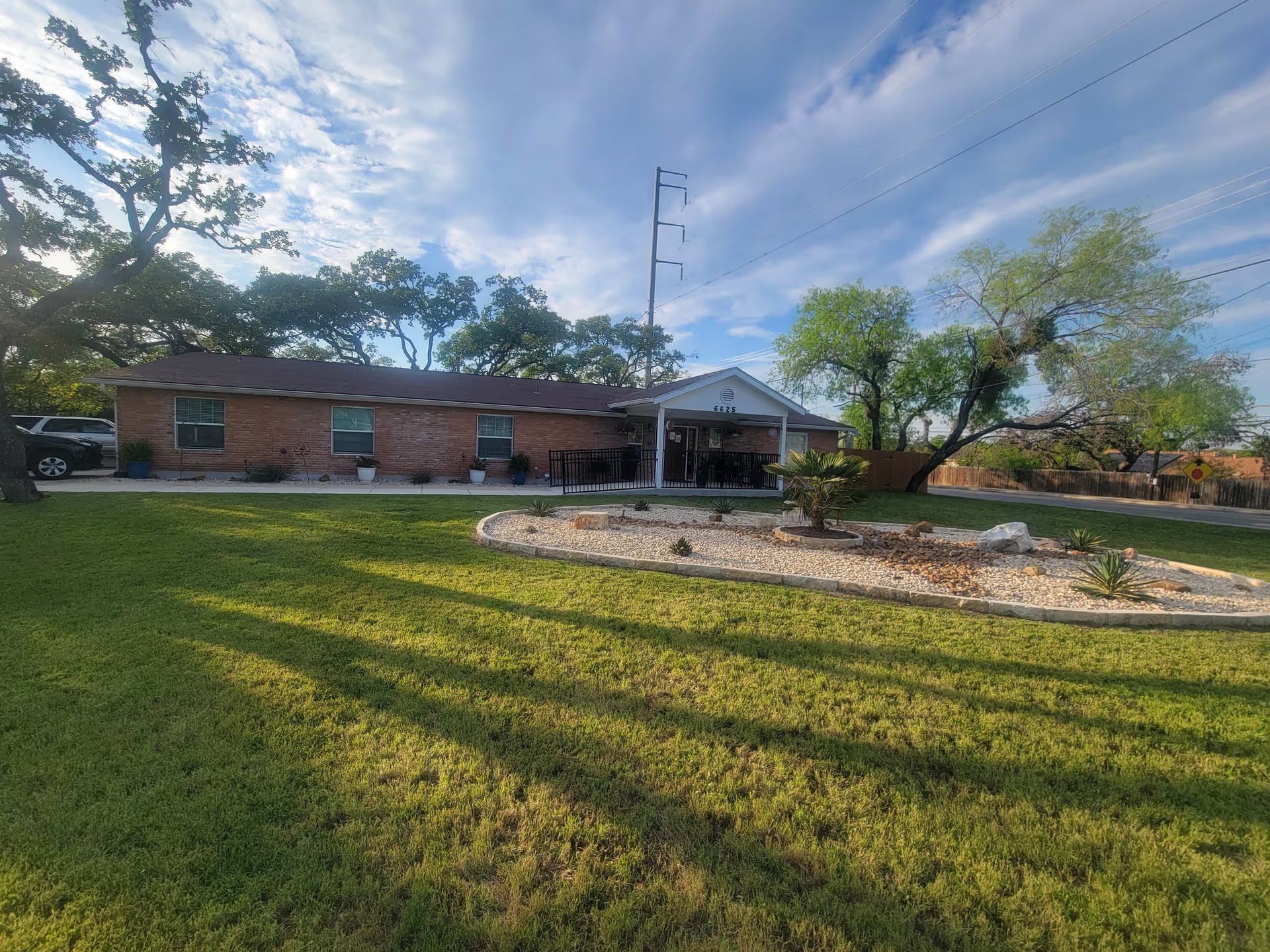
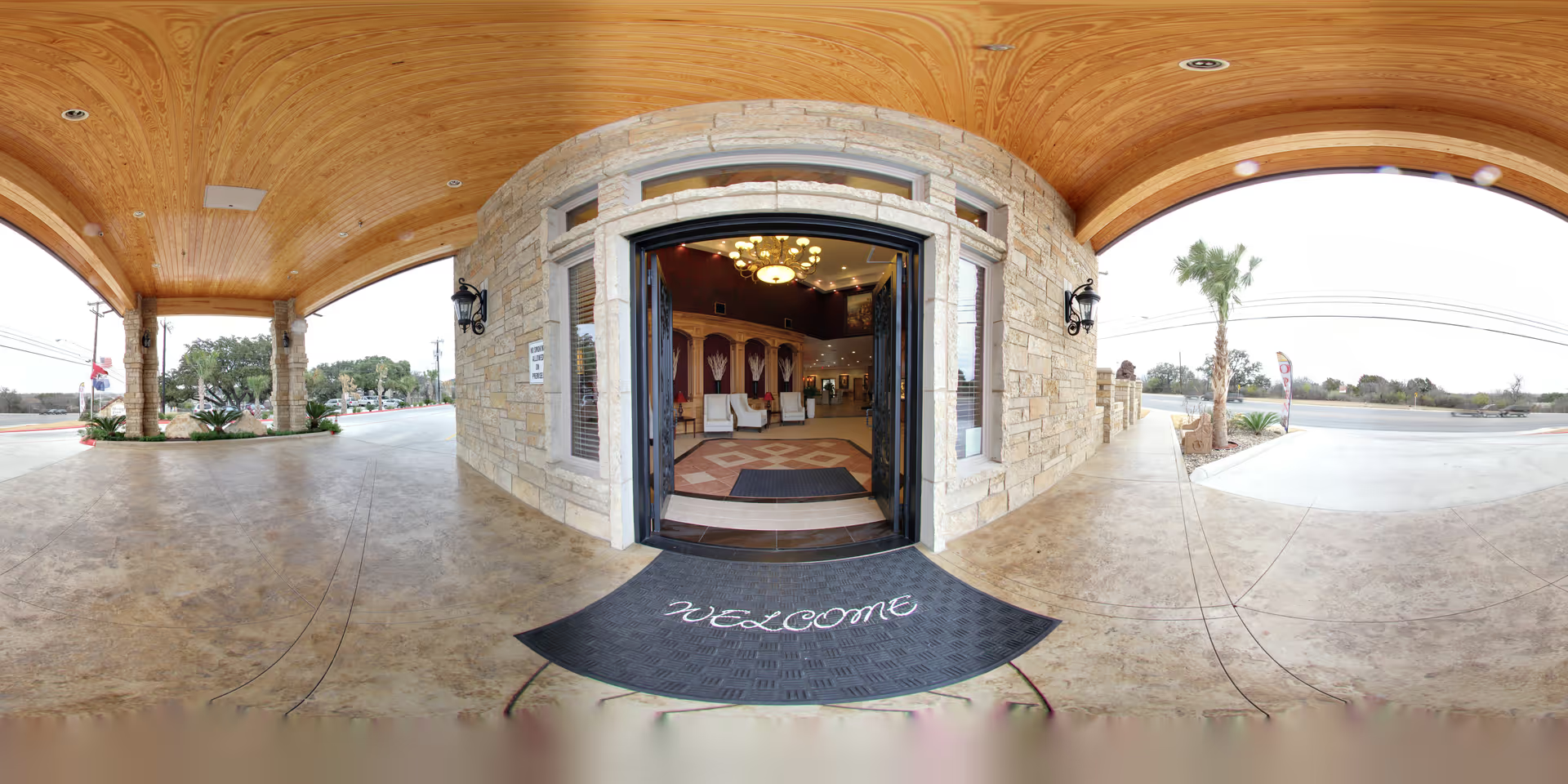
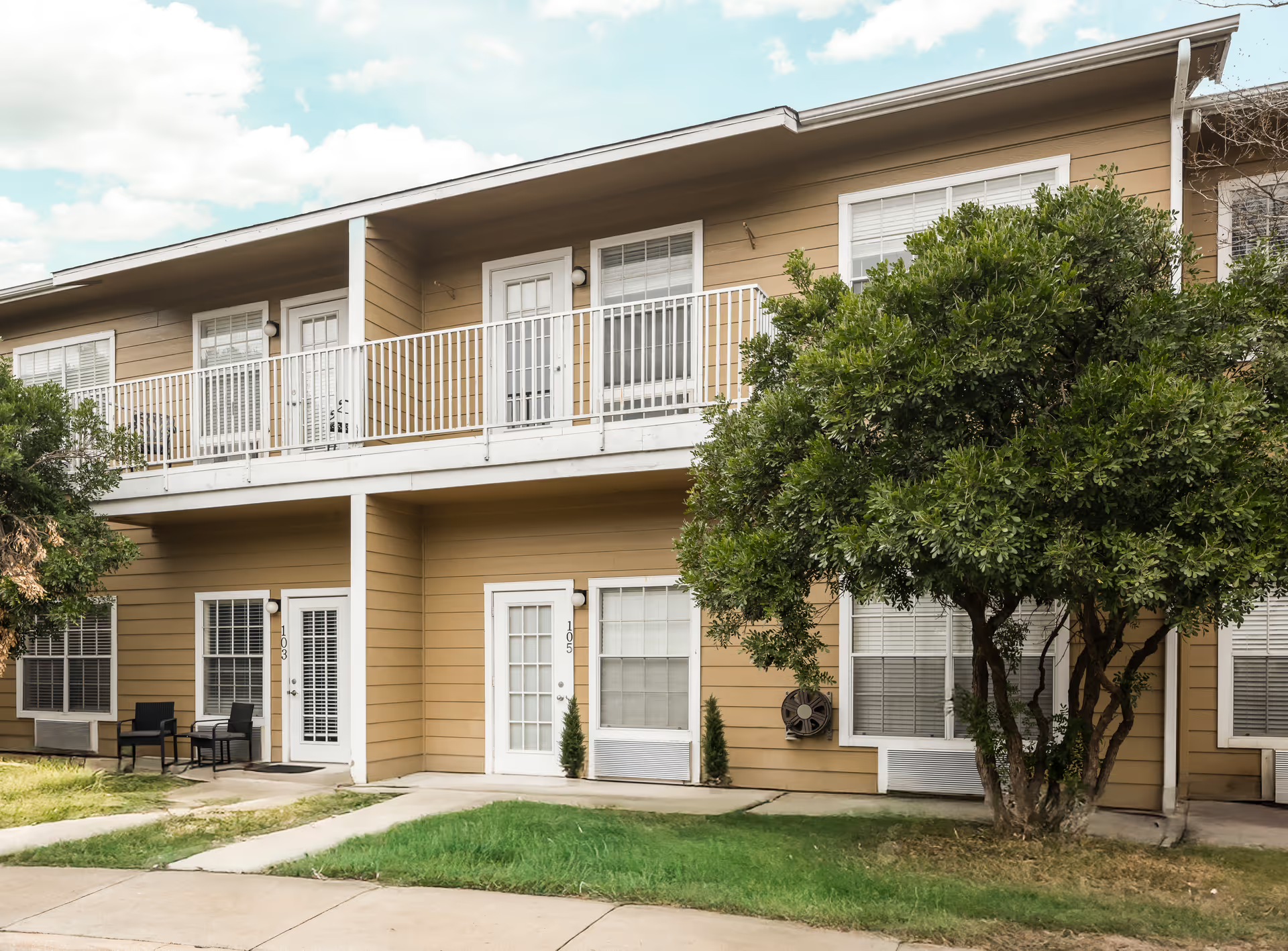
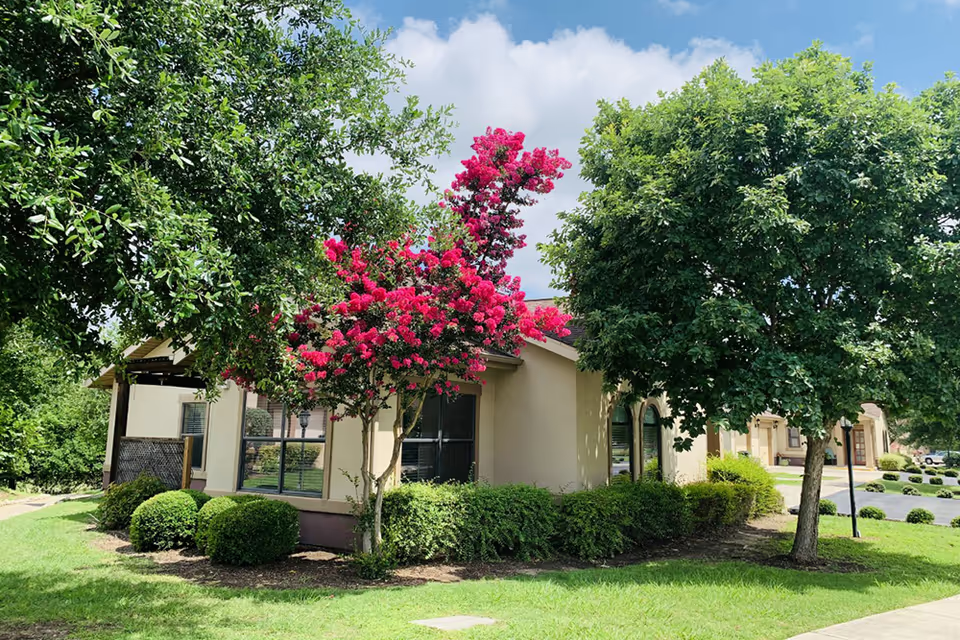
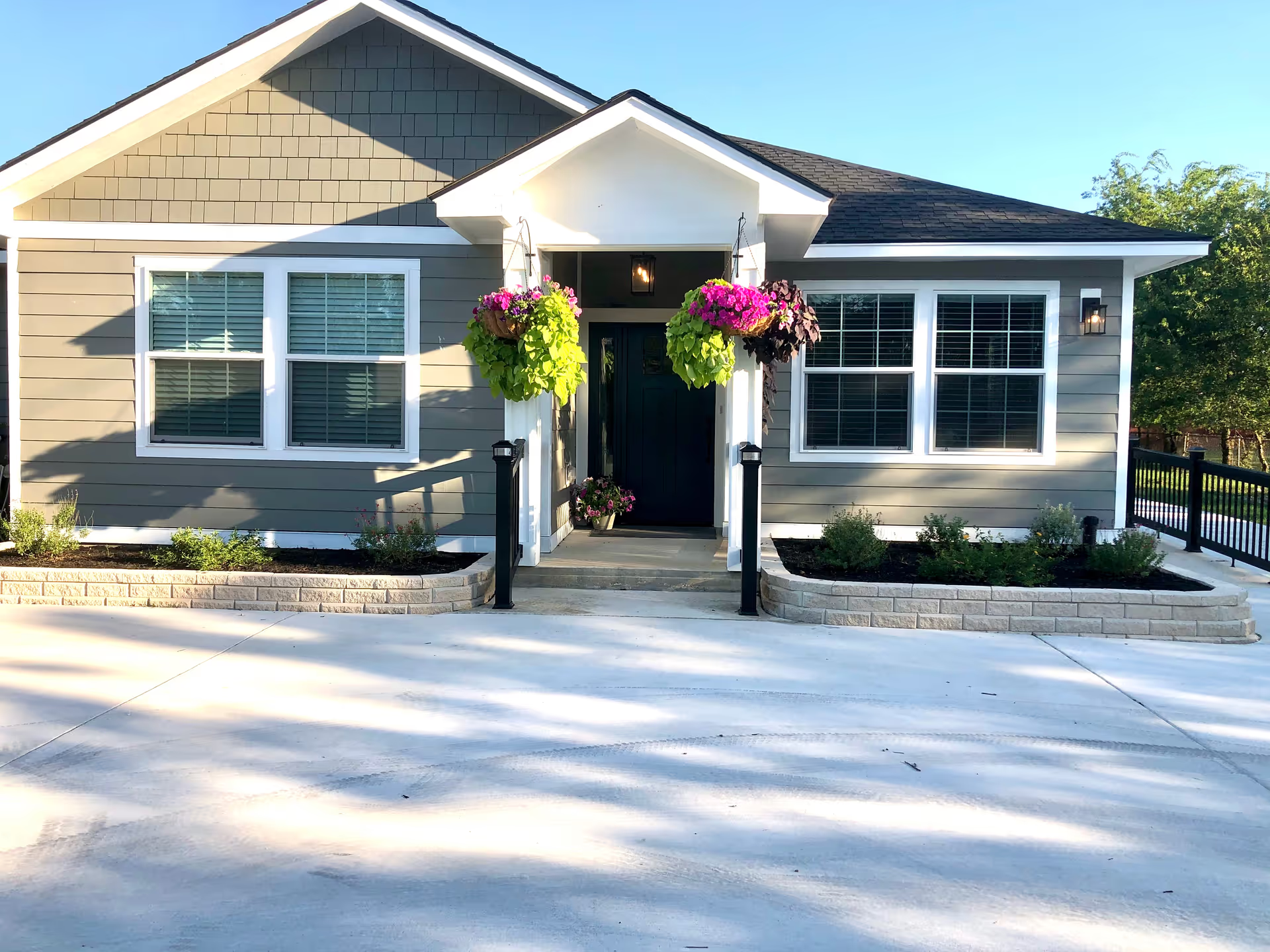
Facility and administrative observations are similarly mixed. Physically, the building is described as older but well maintained, with pleasant outdoor space. Housekeeping and laundry services earn favorable comments. Administratively, some families found reception and leadership visible, responsive, and supportive—especially during transitions and VA paperwork assistance—while others described customer‑service lapses, unresponsiveness, and concerns about corporate handling or oversight. These divergent accounts suggest variability in management responsiveness and local oversight practices.
What stands out as a pattern is variability: many reviewers had very positive, even remarkable, experiences characterized by strong rehab outcomes and compassionate staff, while others encountered lapses in staffing, communication, sanitation in specific areas, meal service continuity, or serious conduct concerns. Prospective residents and families should weigh the facility’s clear strengths in therapy and activities against these operational inconsistencies, and consider targeted questions during a visit—for example about night staffing, medication-administration protocols, incident reporting and family notification, infection/wound-care oversight, and recent changes in management—to form a more specific, current picture of performance in the areas most important to them.