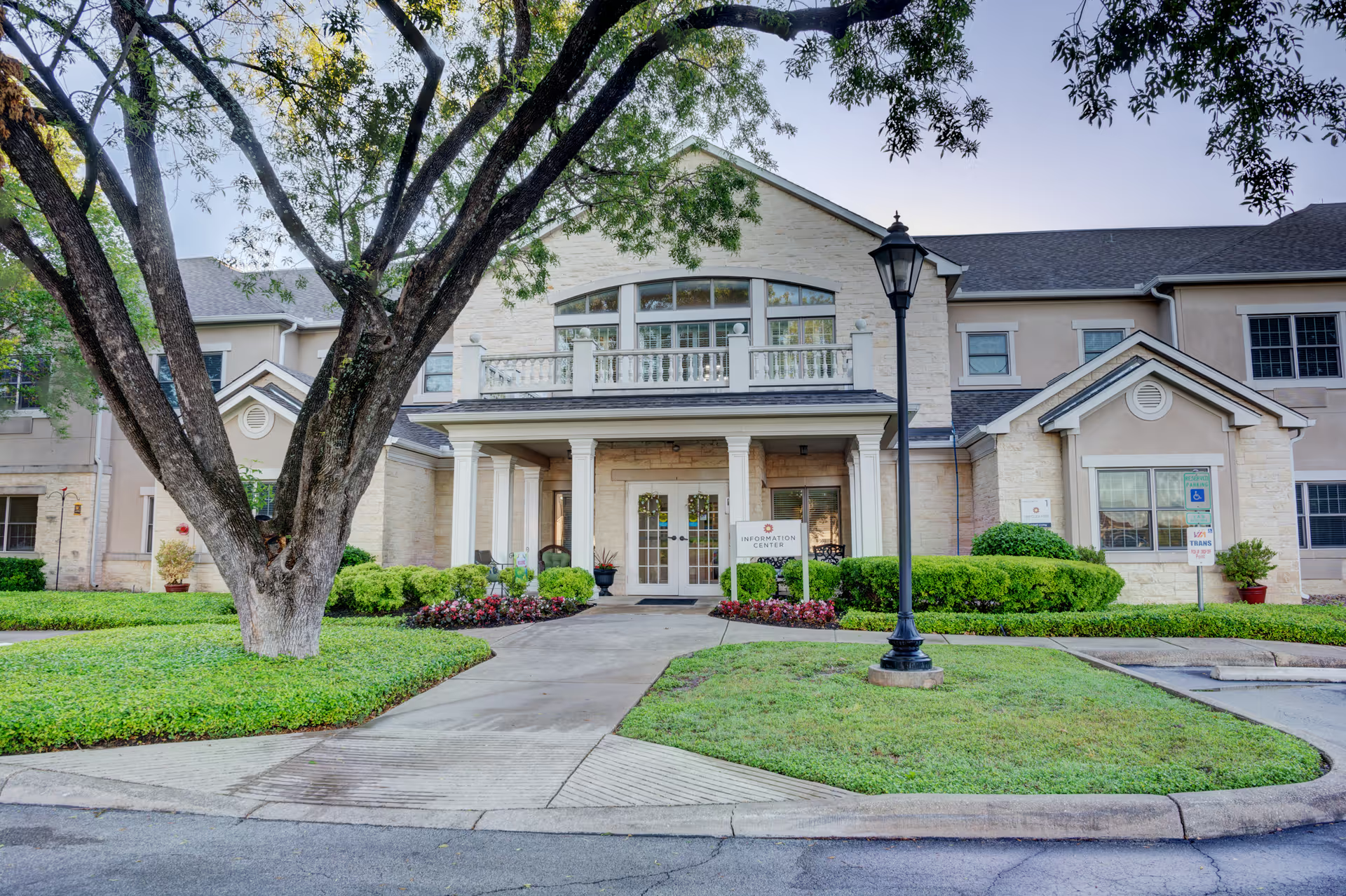
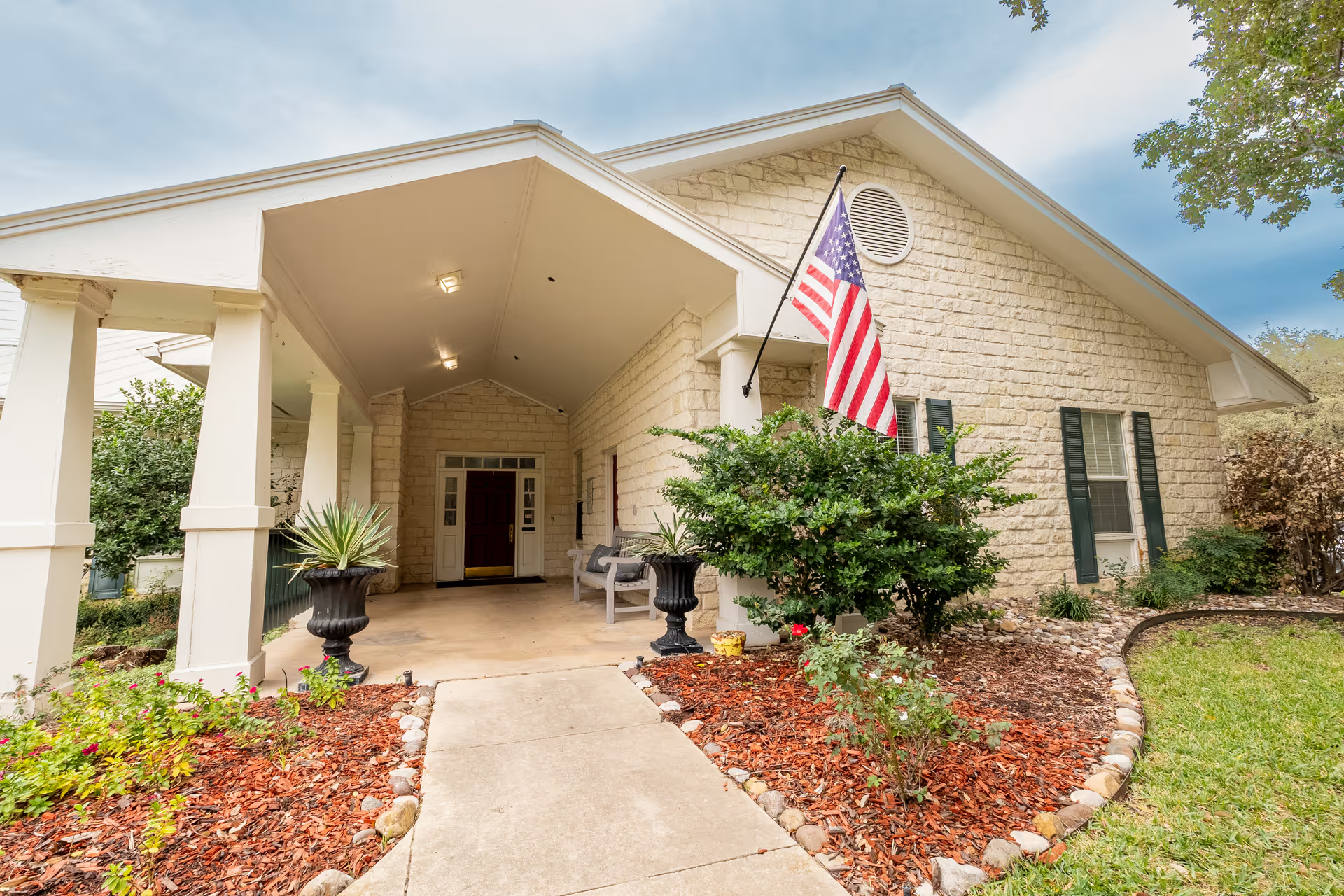
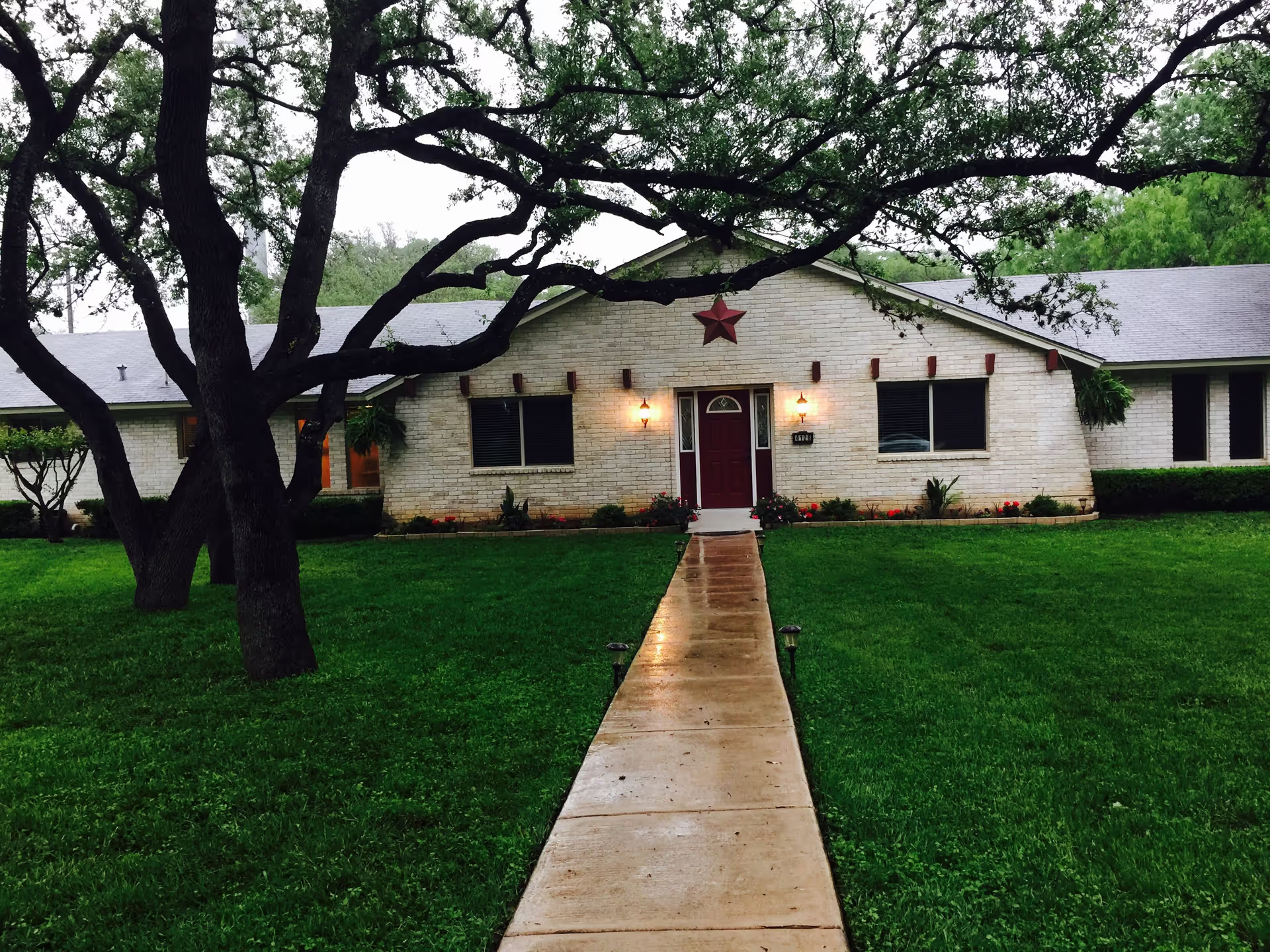
Reviewer feedback is polarized: many families describe a warm, small, home-like environment with caring staff who provide personalized attention, while other accounts raise significant safety, security, and management concerns. The positive commentary emphasizes attentive, respectful interactions, a family-style culture, home-cooked meals, and a clean, historic setting that supports resident independence and short-term rehabilitation goals. These strengths suggest the facility can offer a comforting, community-oriented option for lower-acuity residents who value a smaller, homelike setting.
Care and staff: Numerous reviewers highlight compassionate caregiving, individualized attention, and respectful treatment that fosters strong social connections. These comments indicate consistent strengths in everyday assistance, social support, and staff–resident rapport. Counterbalancing those positives are repeated concerns about inconsistent staffing levels and limited floor supervision; reviewers described occasions when staff responsiveness and conduct were inadequate. For prospective residents with higher medical needs, reviewers raised questions about the facility's clinical capability and whether it functions appropriately as a nursing-level provider.
Dining and activities: The dining experience is commonly described as home-style, with family meals contributing to the community atmosphere. Reviewers also note a welcoming culture and opportunities to maintain independence and social engagement. There is less specific reporting about a structured activities program, but the small resident population appears to support frequent interpersonal engagement and peer familiarity.
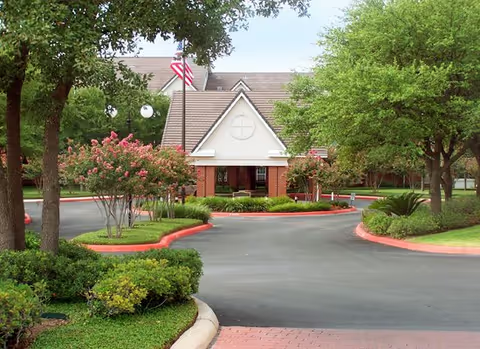
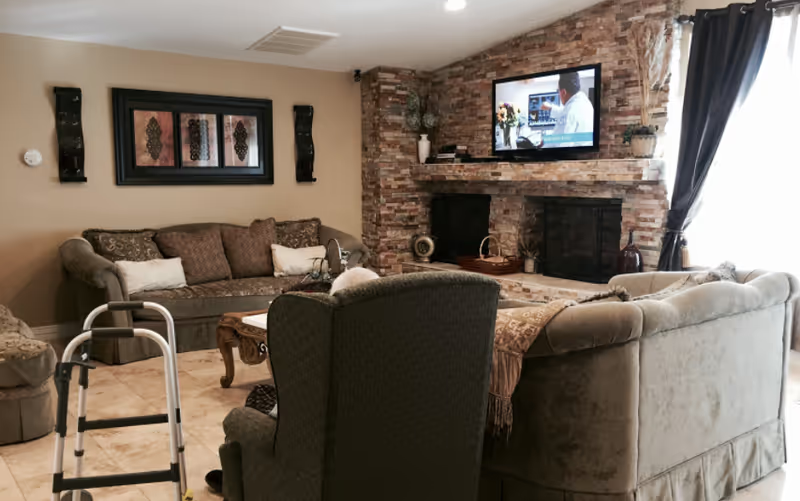
Facilities and environment: Many reviewers praise the facility's cleanliness, historic charm, and home-like décor. At the same time, there are operational concerns about climate control and localized air-quality issues in some units and odors or sanitation concerns in certain common areas. These mixed observations suggest variability across rooms and parts of the building, making an in-person inspection of sample rooms and ventilation advisable.
Management, safety, and operations: Several operational weaknesses emerge as patterns rather than isolated incidents. Reviewers cite gaps in security and asset protection, unreliable transportation and billing practices, and concerns about management transparency and financial oversight. Some reviewers reported serious incidents, including alleged on-site illegal activity and involvement of law enforcement; such accounts underscore the importance of asking about security protocols, incident reporting, and how the facility manages external threats. Billing practices and missed appointments were also noted as areas needing clarification prior to admission.
Practical takeaway: For families considering this facility, the core decision points are clinical needs and risk tolerance. The facility appears to offer a caring, small-community environment suitable for lower-acuity residents seeking a home-like setting and attentive day-to-day support. However, prospective residents and families should conduct a thorough tour, review staffing patterns and supervision levels (including nurse availability and emergency response procedures), inspect unit climate control and cleanliness, request details on security and incident history, and obtain clear written explanations of transportation and billing policies before committing.