Experiences at The Rio at Mission Trails vary substantially. Positive accounts describe a welcoming environment and caring staff, while other families and a former patient describe inconsistent care, delayed assistance, and difficulty getting concerns addressed. The most serious accounts involve residents with complex medical needs who reportedly experienced worsening symptoms, emergency transfers, or concerns following a resident's death. These accounts raise questions about clinical monitoring and escalation, but the reviews alone cannot establish the cause of any individual outcome.
Care and staffing are the most prominent areas of disagreement. Some residents and families praise attentive nursing, aides, respiratory therapists, and rehabilitation teams. Others describe limited staffing coverage, slow responses to call systems, and inconsistent help with personal care, repositioning, and skin protection. Reviews also raise concerns about medication timing, respiratory support, and recognition of significant changes in health, including breathing difficulty, infections, and very high blood glucose. Families seeking care for medically complex or nonverbal residents may want to ask specifically about staffing by shift, monitoring routines, escalation procedures, and how family concerns are documented and followed up.
Rehabilitation feedback is also mixed. Several patients and families report helpful physical, occupational, and speech therapy, including guidance for continuing care after discharge. Other accounts describe irregular therapy or concerns about therapy availability. Respiratory care is a notable service, with positive feedback about specialized ventilator support as well as concerns about timely respiratory assistance. Prospective residents may wish to confirm the expected frequency and scope of therapy and respiratory services for their individual care plan.
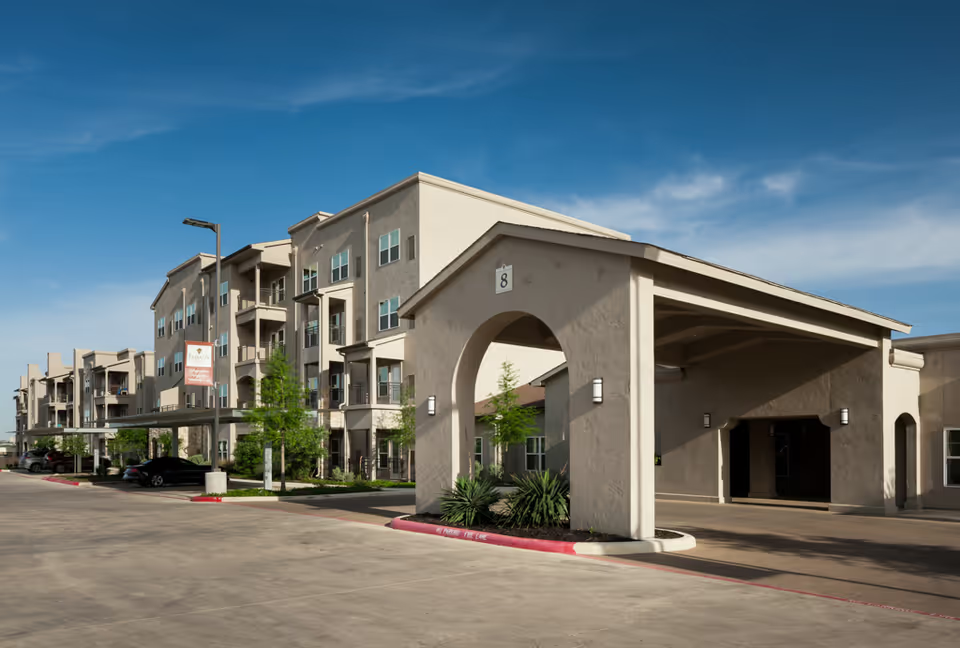
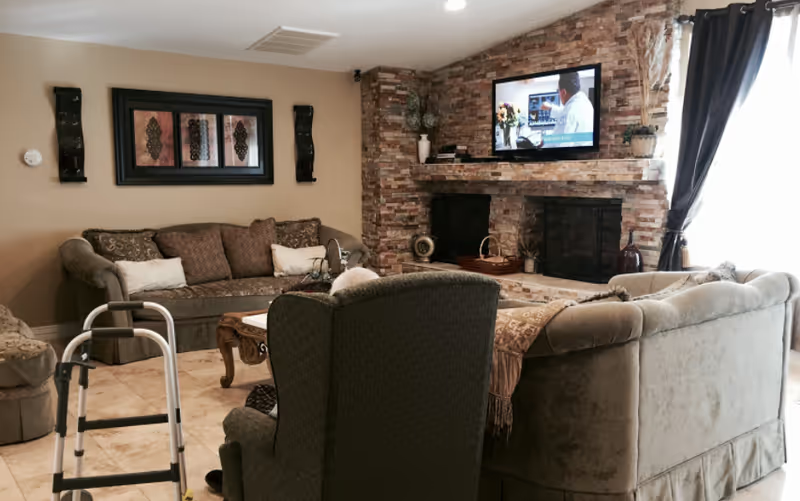
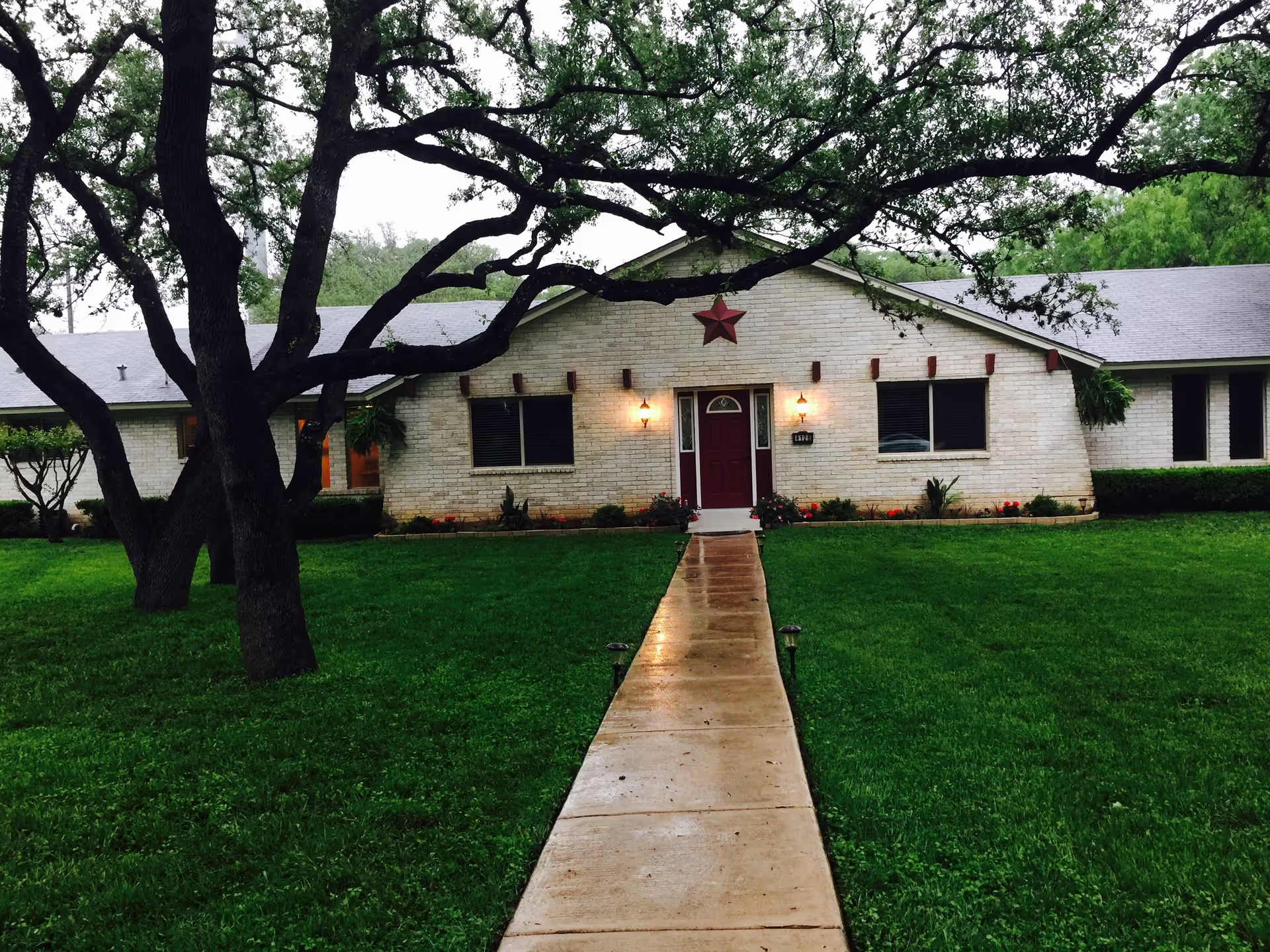
The building is frequently described as spacious, attractive, and welcoming, and some visitors praise clean rooms and common areas. Other accounts identify inconsistent room upkeep and personal-care routines. Dining comments include praise for meals and snacks, while other families question whether food and diabetes-related needs were managed consistently. Activities receive favorable attention, including music, exercise, crafts, celebrations, and themed events that help create social opportunities for residents.
Management feedback is mixed as well. Some families describe accessible leaders, useful updates, and strong support from nursing and rehabilitation leadership; a few reviews also point to improvements following ownership or management changes. Others describe difficulty obtaining updates, limited follow-through, or concerns about how leadership responds to feedback. The overall pattern suggests meaningful strengths in therapy, activities, respiratory services, and individual staff relationships, alongside variability in staffing, daily care routines, clinical follow-up, and communication. Families should tour the facility, discuss care expectations with nursing and therapy leaders, and ask how concerns and changes in a resident's condition are handled.