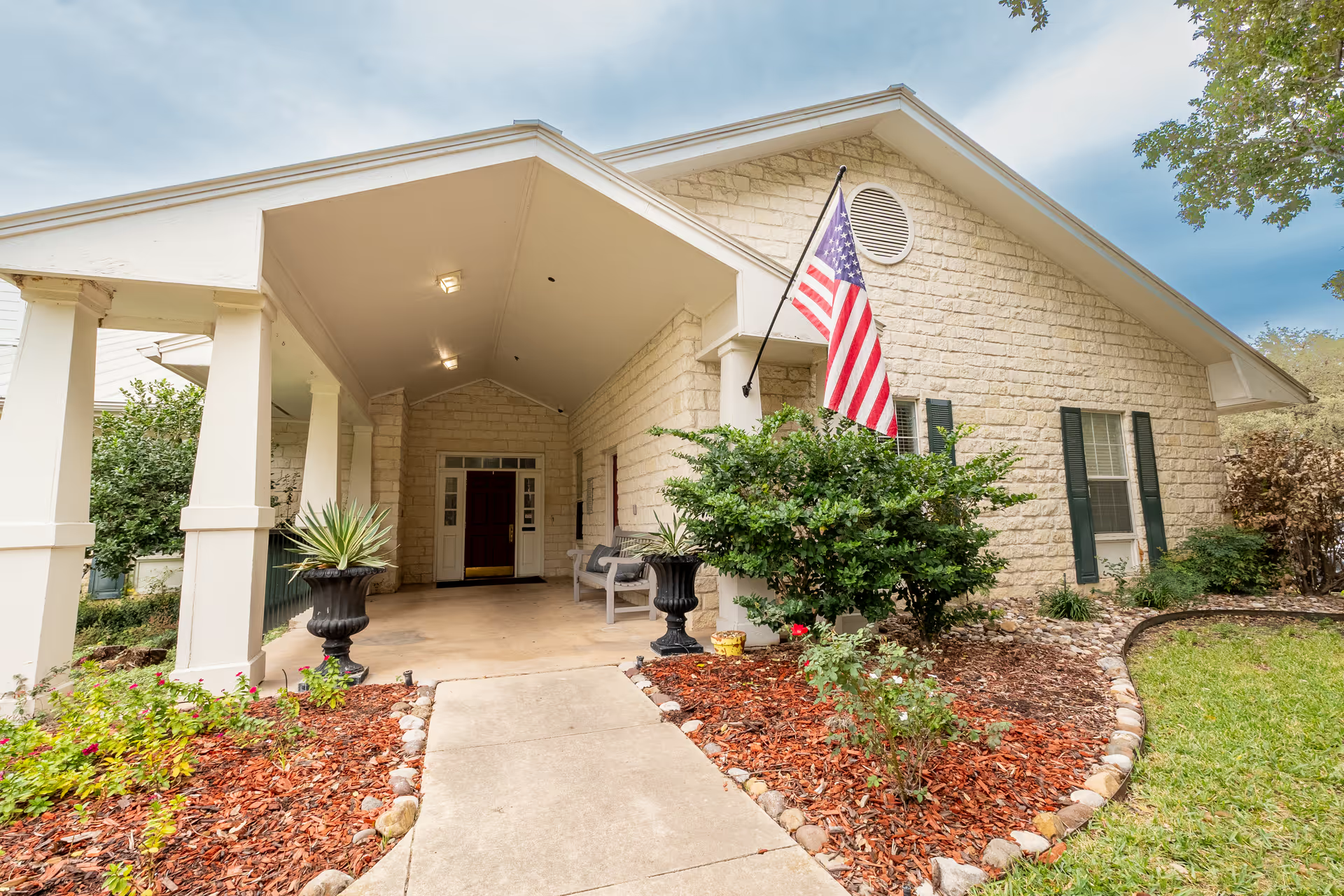
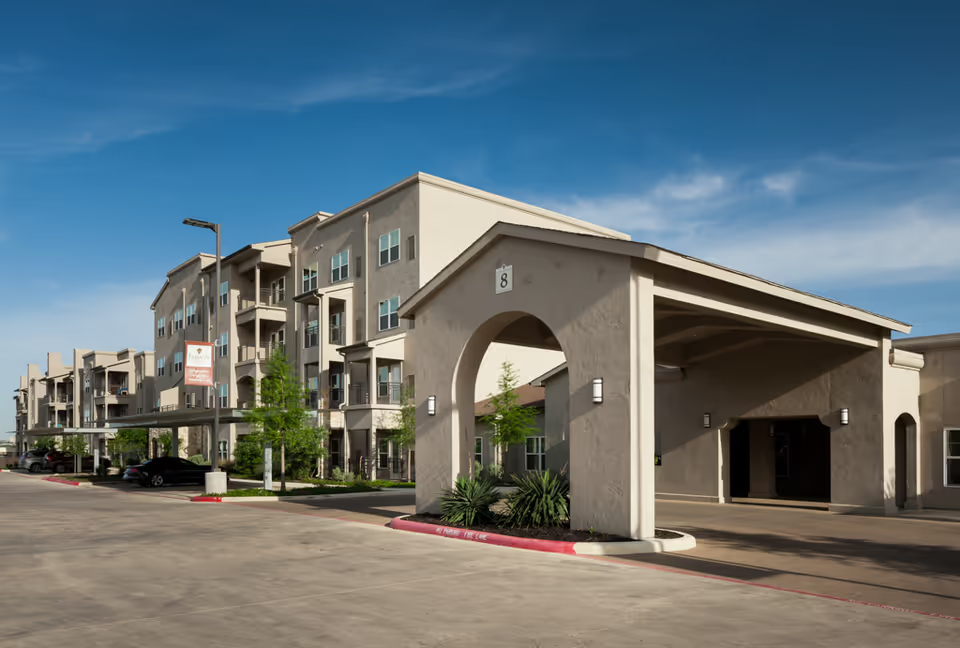
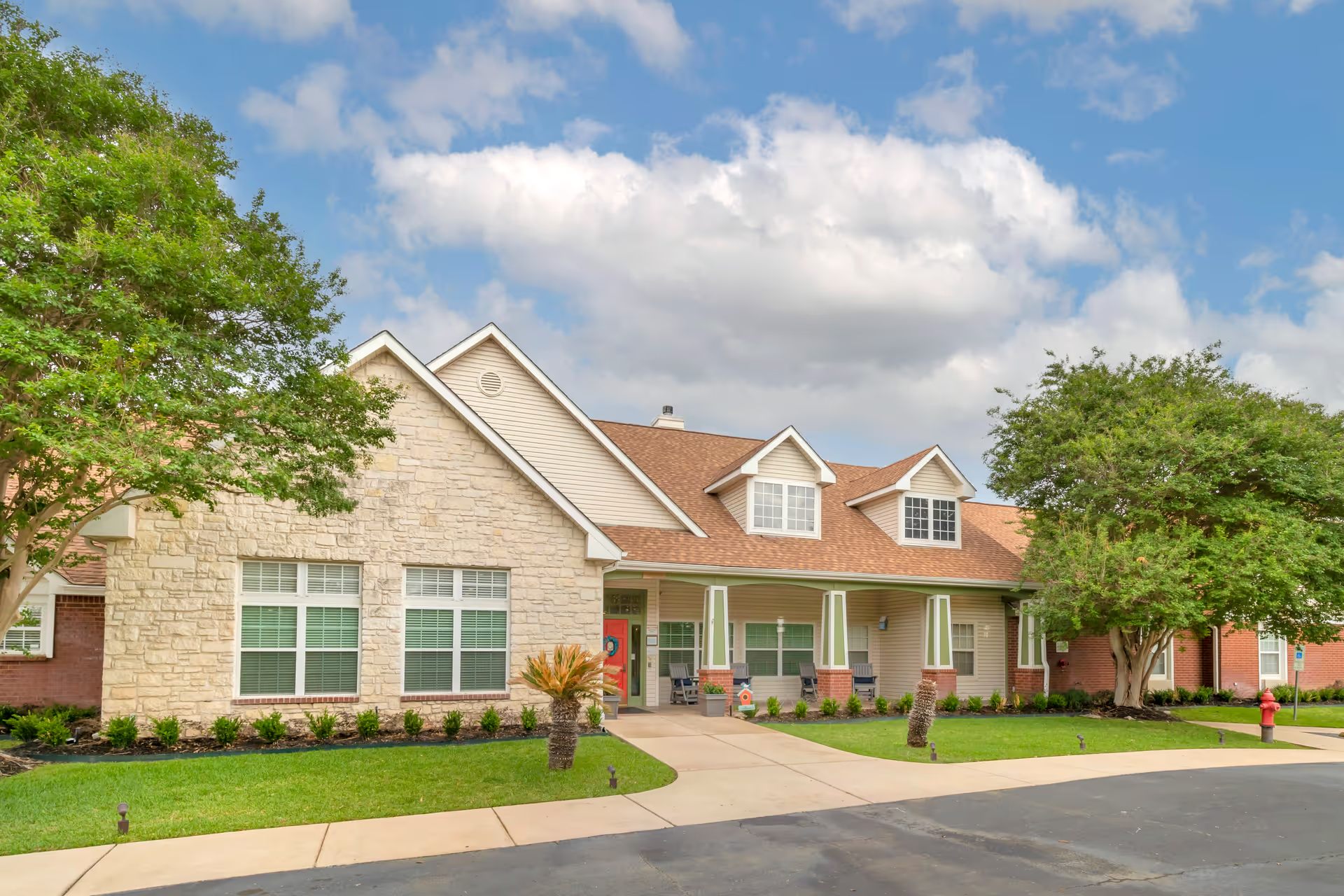
The reviews present a mixed picture of clinical and residential life at Windcrest Nursing and Rehabilitation. Many families and residents describe genuinely compassionate, hardworking staff — nurses, CNAs, and therapists who provide hands-on care, attentive daily updates, and individualized rehabilitation that leads to measurable mobility gains and successful discharges. Therapy teams (PT/OT) are frequently singled out as effective and patient-focused, and several accounts highlight helpful discharge planning and administrative assistance with finances and insurance. The facility’s memory-care programming, pet therapy, garden spaces, and some activity staff contributions are cited as meaningful contributors to residents’ social engagement and emotional comfort.
At the same time, a consistent pattern of operational weaknesses recurs across reviews. Staffing shortages and high turnover — including leadership changes — are described as creating gaps in routine care and supervision. These staffing constraints are associated with inconsistent housekeeping and sanitation practices, weekend-service limitations, and delays in incontinence care and bathing. Several reviewers raised concerns about hygiene, odors, and room upkeep in particular areas or shifts; others, conversely, praised cleanliness and upkeep, indicating variability across units or times of day. There are also specific mentions of pest-control concerns that families expect the facility to address proactively.
Communication and responsiveness are another area of divergence. Many families receive helpful, daily communications and responsive administrators, while others report unanswered calls, long hold times, and inconsistent engagement from nursing staff when questions arise. Similar inconsistency appears in meal service and activities: a number of reviewers praise plentiful, well-prepared meals and a welcoming dining room, while others find food quality variable. Activity programming is appreciated when staff members take extra time to engage residents, but some families report limited formal activities and residents spending extended periods inactive or in their rooms.
Safety and clinical-process concerns are also surfaced. Several reviewers described gaps in supervision on higher-acuity or behavioral units, with implications for resident wandering and dignity in care; there are also accounts suggesting uneven application of therapy schedules, resulting in underutilized rehab days for some residents. A small number of serious allegations — including medication-management errors and an instance of alleged property loss — point to the need for clear inventory and medication-control processes; the word "allegations" is used here to indicate these were presented as specific claims rather than facility-established findings.
Overall, Windcrest shows strengths in compassionate frontline caregivers, effective rehabilitation for many residents, and community-oriented elements (pets, gardens, engaged staff) that families value. Those considering the facility should weigh these strengths against recurrent operational issues: confirm current staffing levels and turnover, ask about weekend housekeeping and supervision in the unit where a prospective resident would live, review medication-control and personal-property procedures, and meet therapy staff to verify the expected intensity and scheduling of rehabilitation services. An in-person visit focused on staffing patterns during evenings/weekends, housekeeping routines, and the behavioral/memory-care environment will be especially useful for families deciding whether Windcrest fits their clinical and quality-of-life needs.