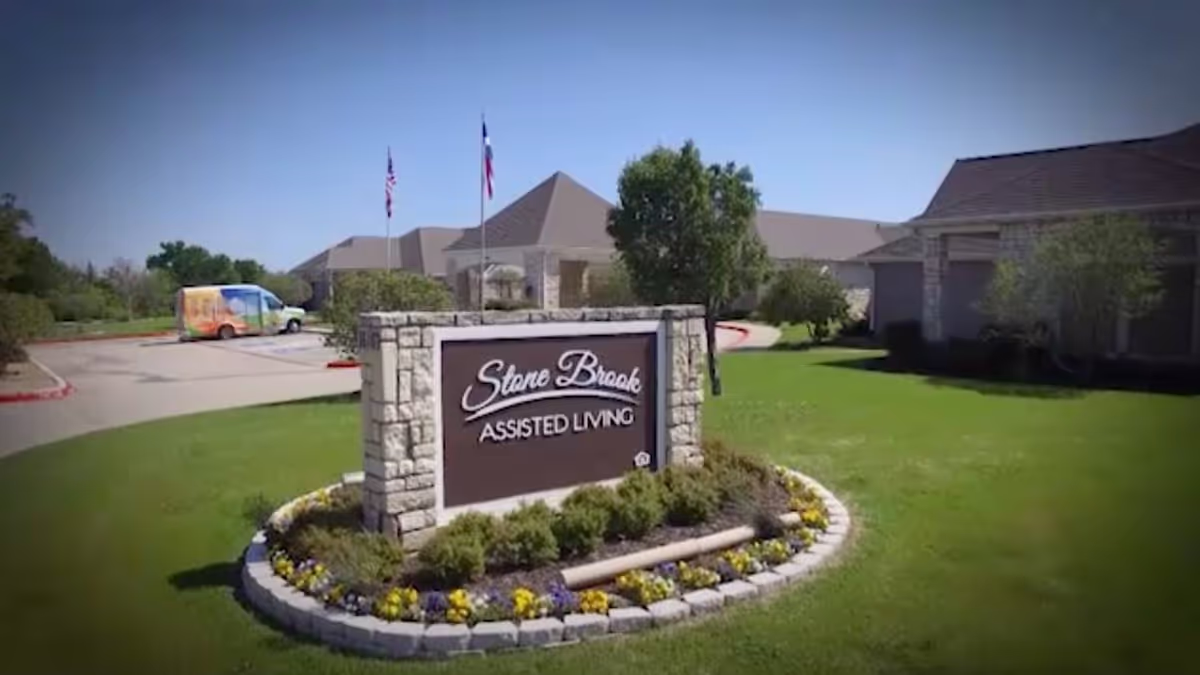
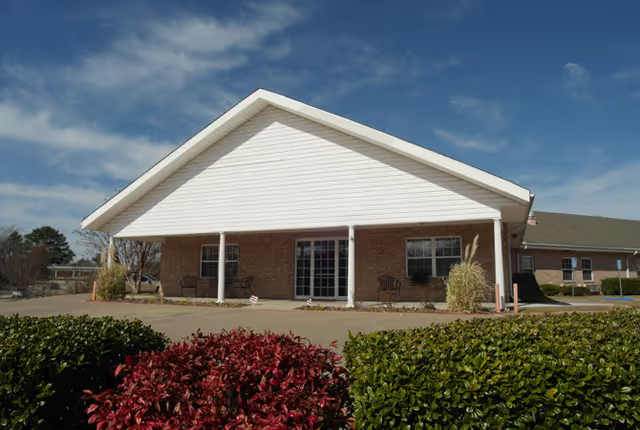
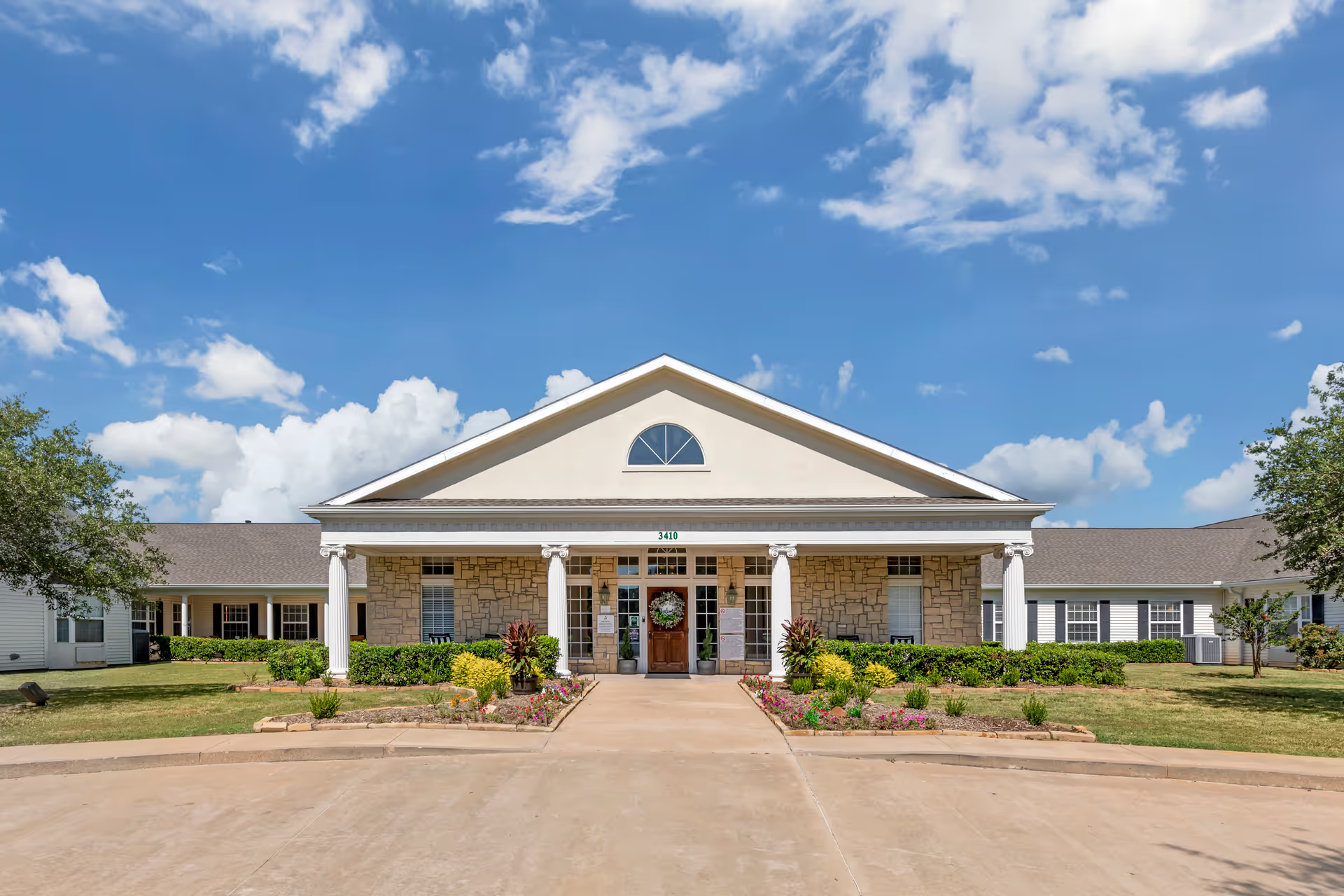
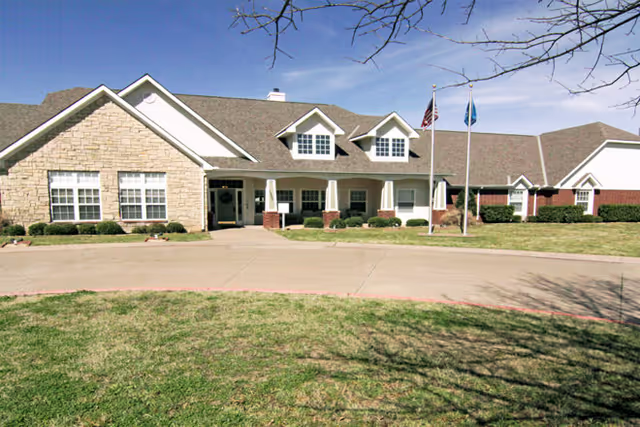
Feedback for Mullican Care Center is mixed, combining strong positive impressions of staff, therapy and facility upkeep with serious operational concerns in clinical oversight and resident safety. Many accounts describe attentive, compassionate caregivers and a therapy department that provides effective rehabilitation services. The facility is frequently described as clean and recently renovated, with a family-oriented culture and supportive management that some families and staff find welcoming.
Care quality is presented in two distinct tones. Positive accounts emphasize consistent, high-quality hands-on care from CNAs and a therapy team that residents and families value. Conversely, other accounts raise concerns about inconsistent personal-care routines (including incontinence-care delays), hydration and clinical monitoring, and the management of common clinical issues such as infections and electrolyte disturbances. These latter concerns suggest gaps in ongoing clinical oversight rather than uniform systemic failure.
Staffing and interpersonal dynamics are a clear strength in many comments: staff are described as caring, collegial, and invested in residents, and several references highlight excellent communication between nurses and families as well as strong workplace morale. At the same time, there are criticisms indicating uneven staff accountability and supervision, as well as breakdowns in transparency and family communication in particular situations. Those operational gaps appear to be at odds with the generally positive descriptions of day-to-day staff interactions.
Dining and activities receive generally positive remarks. Meal service is described as good and well received, and therapy/rehabilitation programming is repeatedly praised. Activity programming beyond therapy is not extensively detailed in the feedback provided, but the strong endorsement of therapy services is a consistent positive theme.
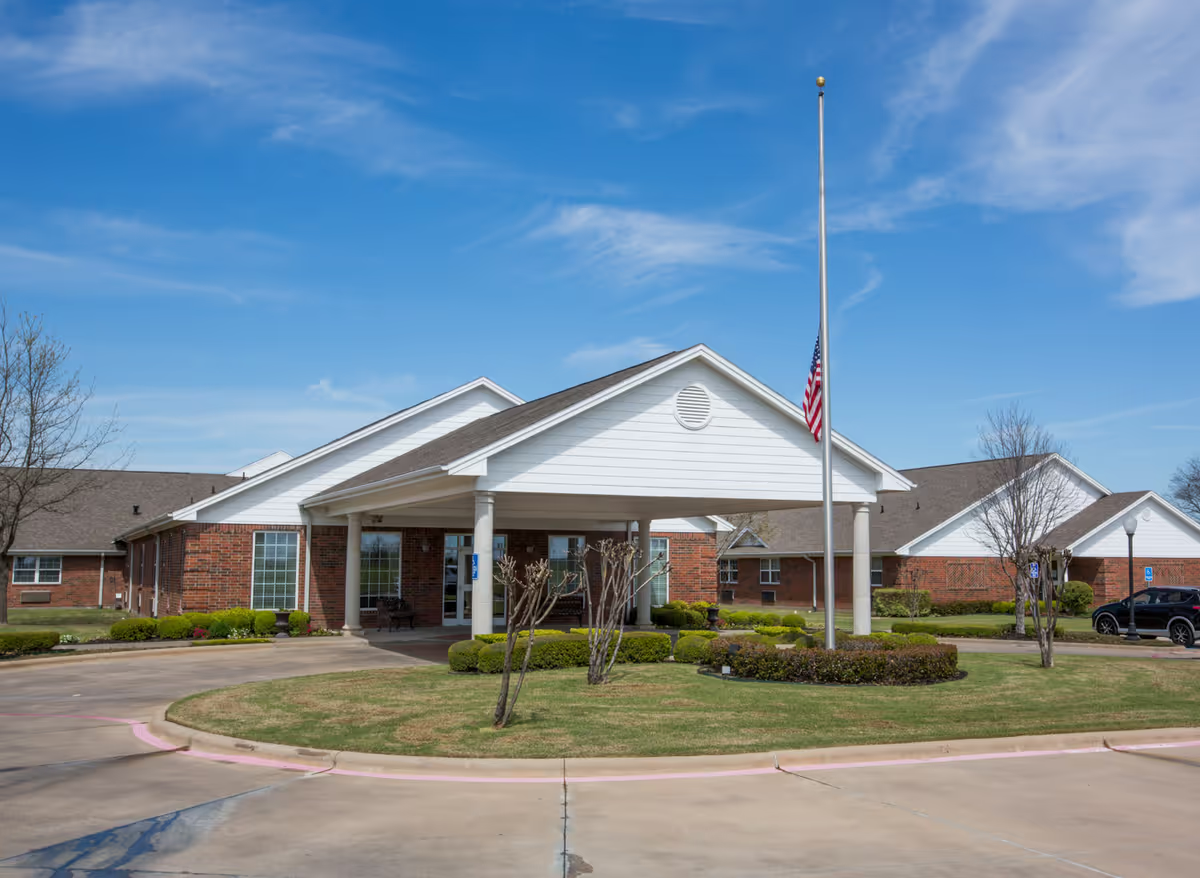
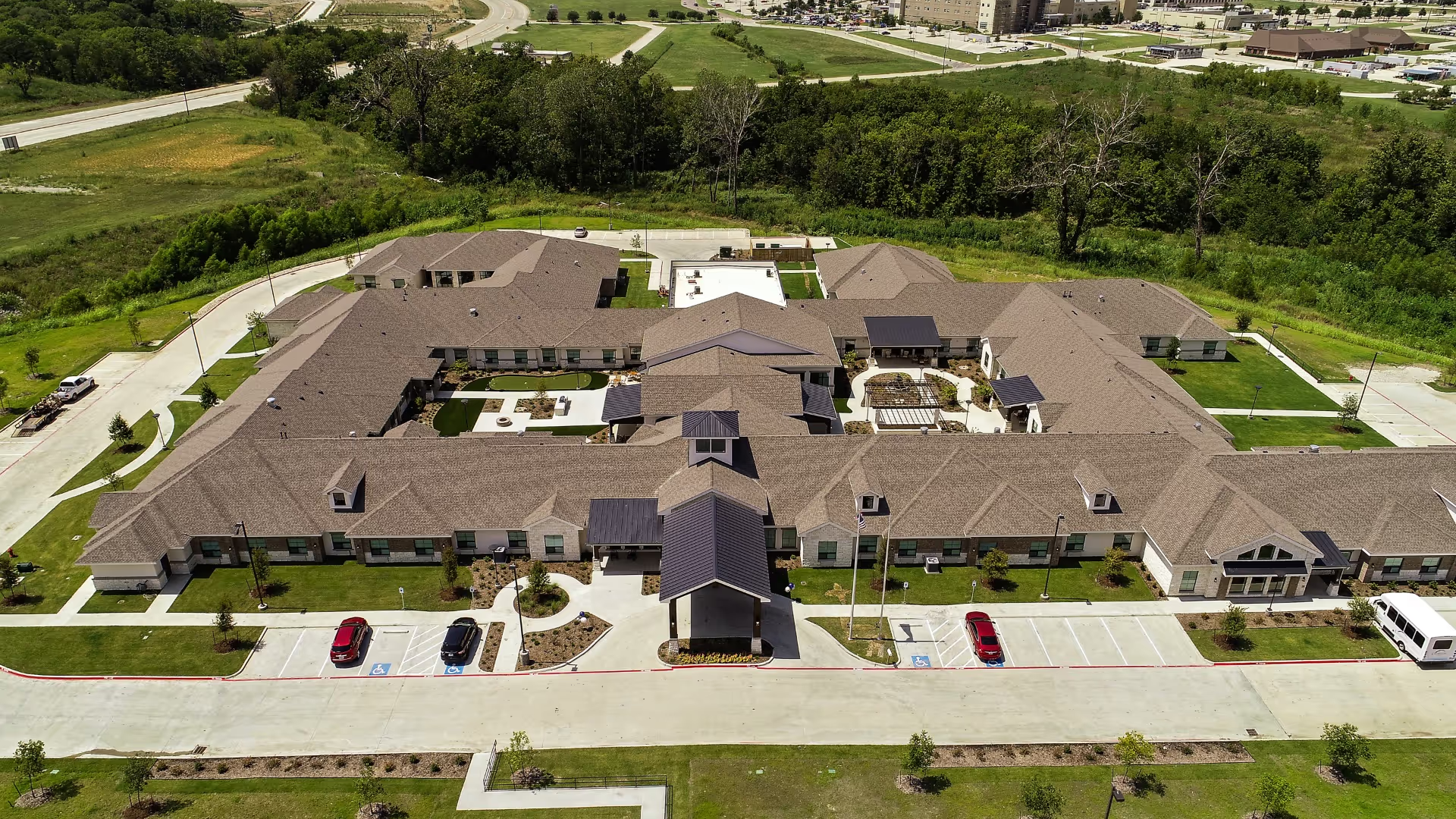
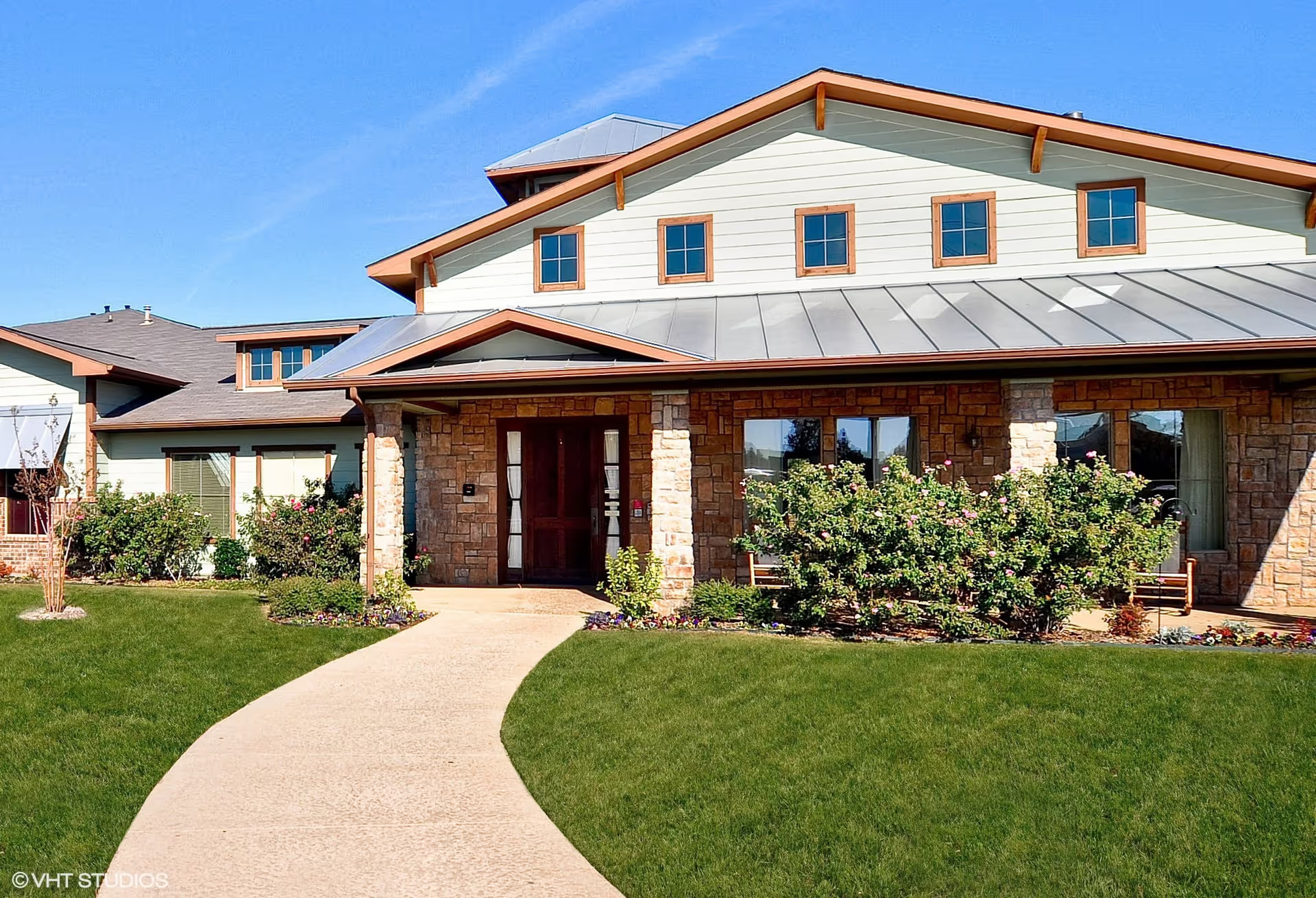
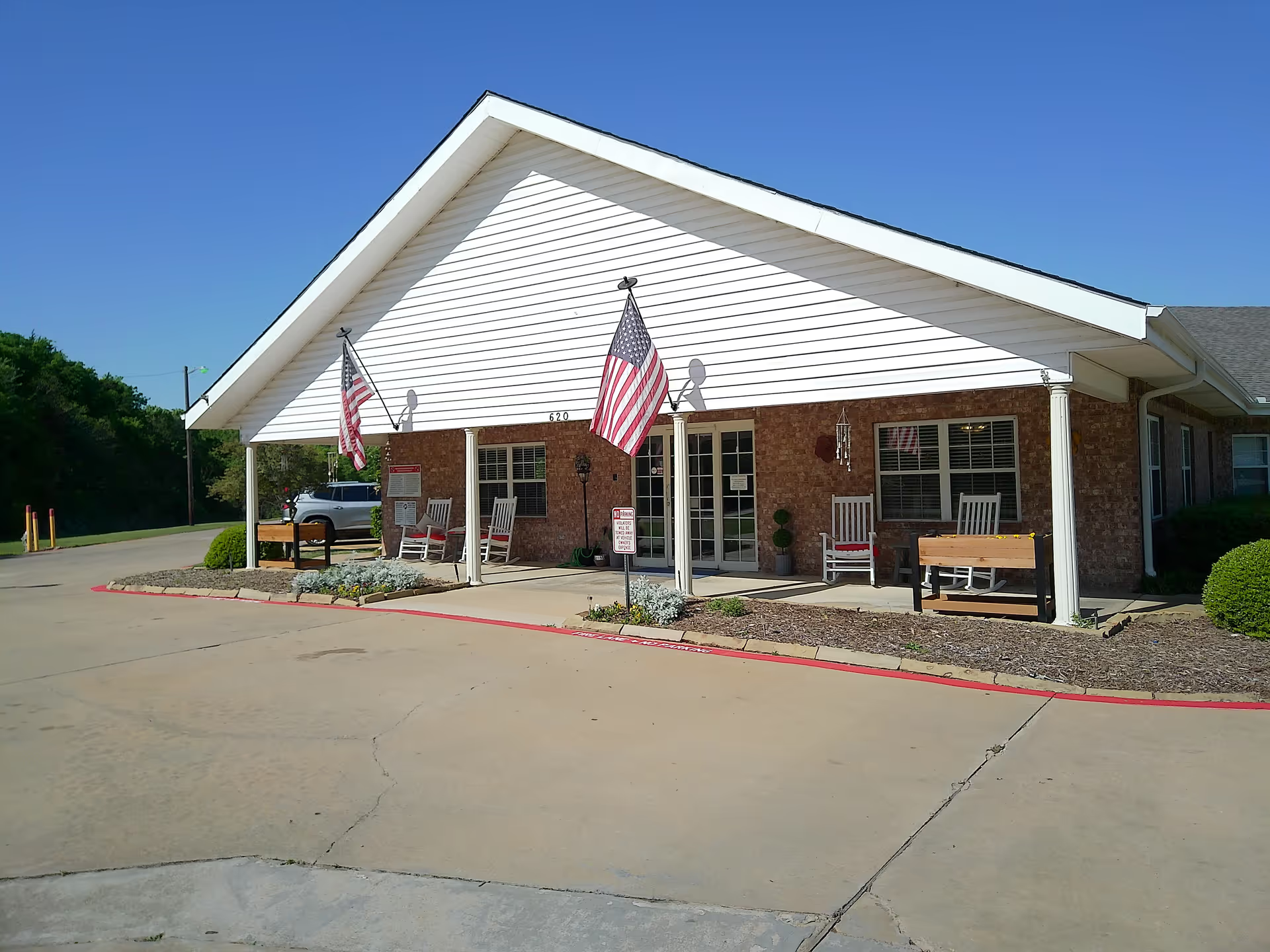
Facility condition and safety are also mixed. Many notes point to a clean, renovated environment with a strong community presence. However, several accounts identify environmental safety and access-control weaknesses (for example, door/configuration concerns and proximity risks) that suggest the need for targeted safety audits and mitigation. Fall-prevention and transfer-safety practices are another operational area that requires attention based on reports of resident falls.
Management and administration receive positive marks for helpfulness, responsiveness in some cases, and recent leadership changes and renovations that have been perceived positively. Nevertheless, feedback indicates occasional errors in admissions and resident placement—including memory-care placement processes—and procedural lapses that point to opportunities for stronger admissions protocols and clearer placement oversight. A subset of accounts also indicate families pursued or considered external escalation, underscoring that isolated but serious operational lapses have prompted calls for formal review.
Overall, Mullican Care Center demonstrates clear strengths in staff compassion, therapy services, cleanliness and community ties. The prominent operational concerns center on inconsistent personal-care practices, clinical-monitoring gaps, fall prevention, admissions and placement processes, staff accountability, and certain environmental safety issues. Prospective residents and families should weigh the strong staff- and therapy-related positives against these operational risks, and should consider asking facility leadership for specific documentation of clinical oversight, fall-prevention protocols, admissions/placement policies, and recent safety audit outcomes during their evaluation visit.