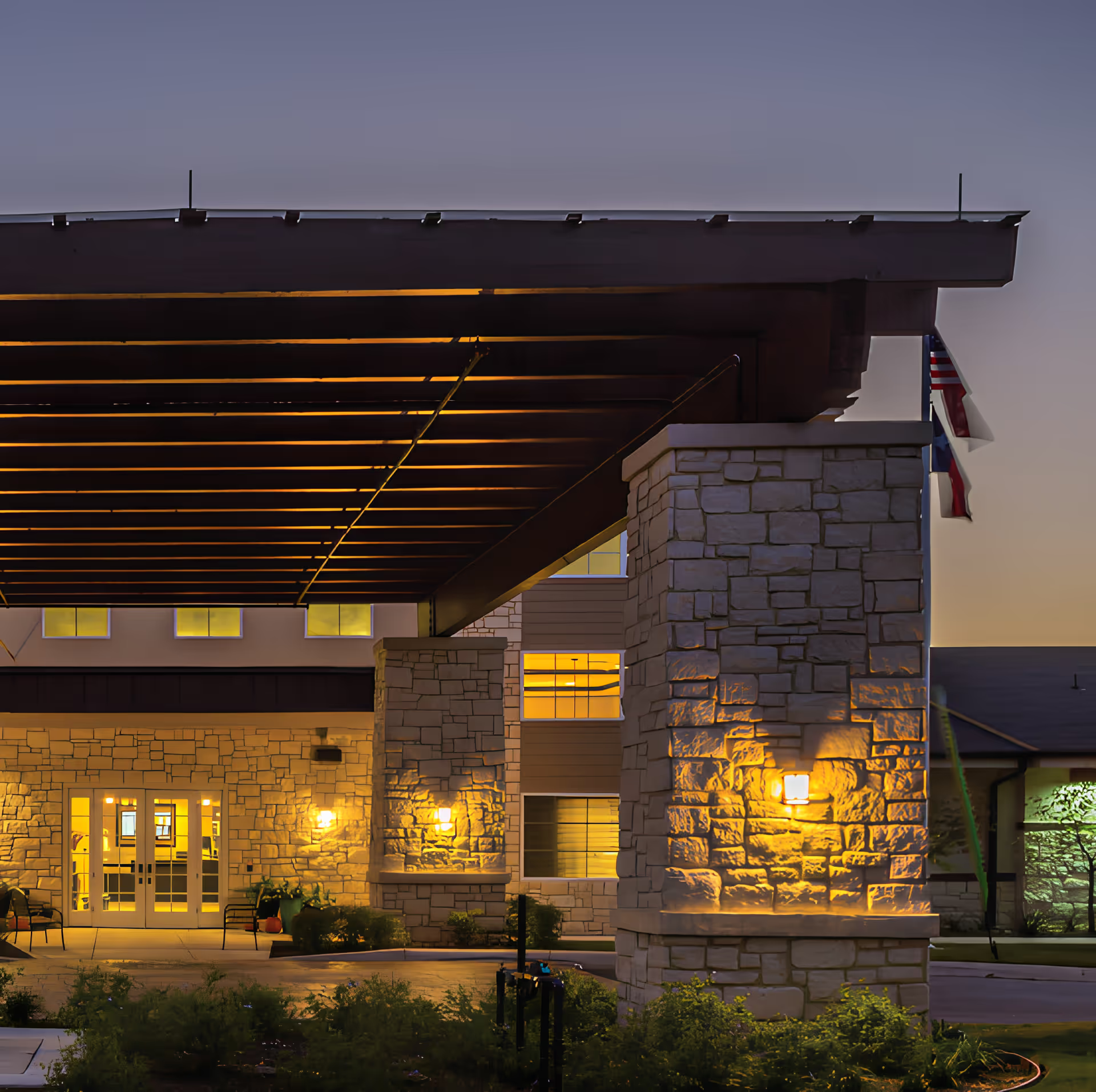
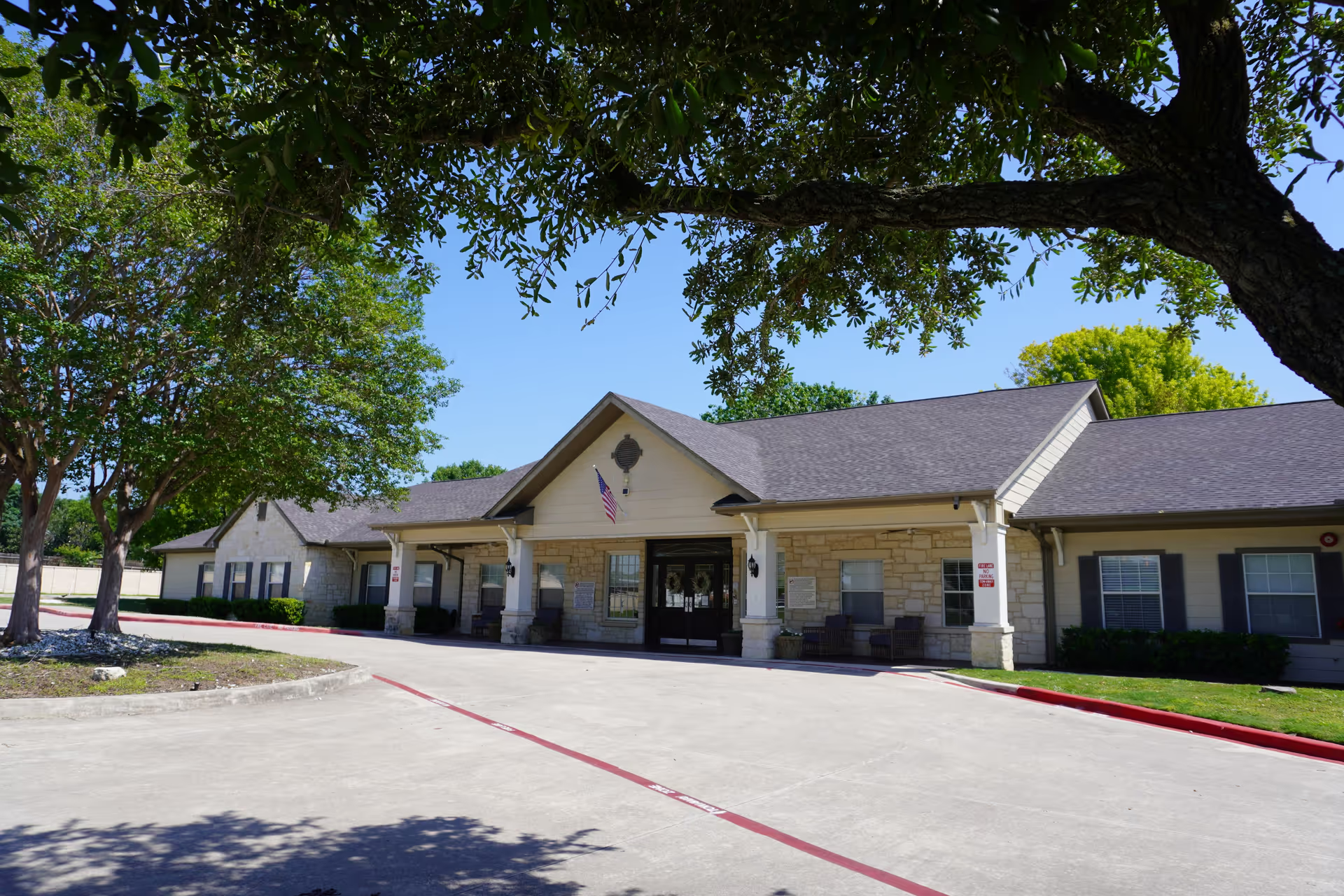
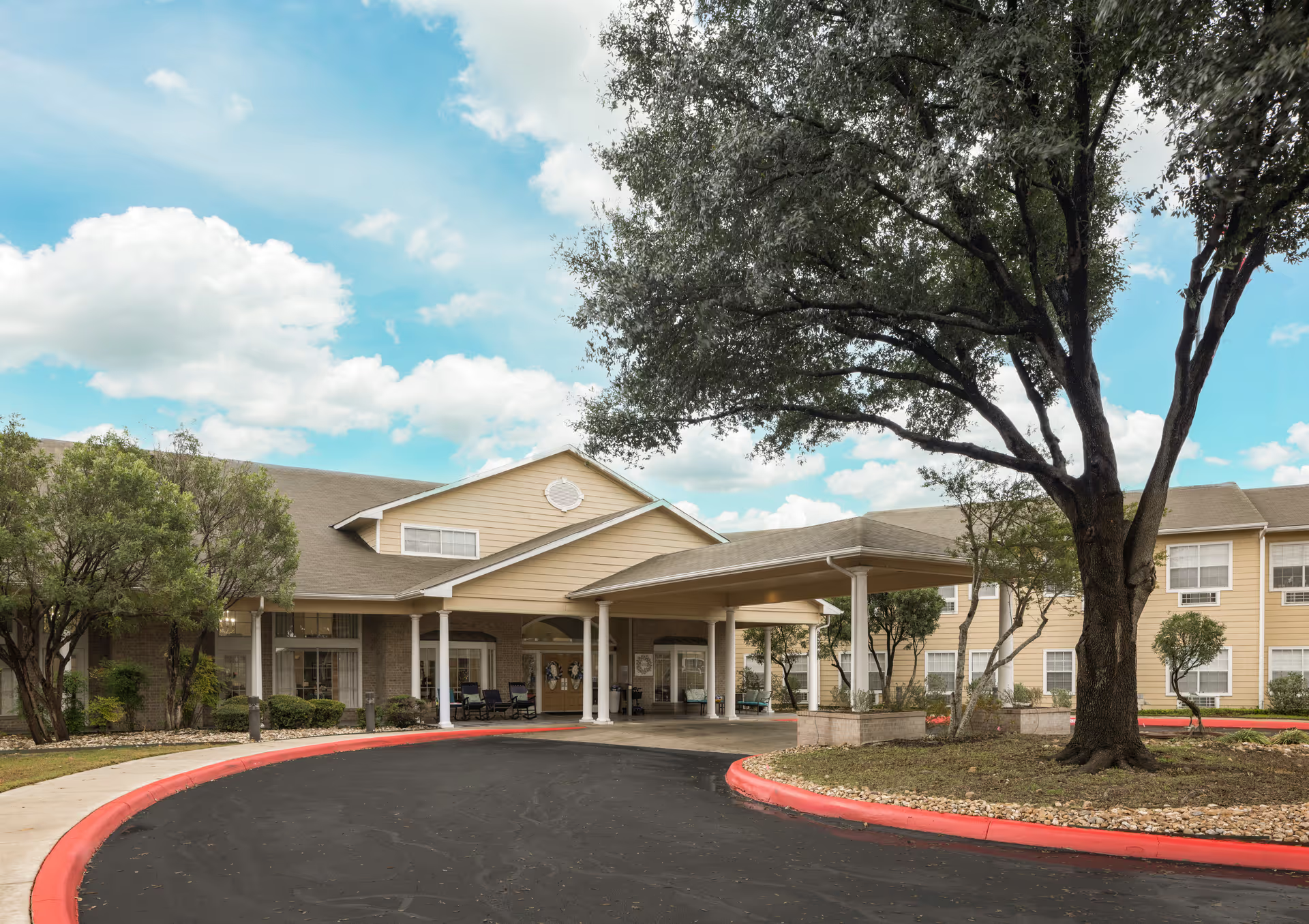
Accounts of care at Autumn Winds Living & Rehabilitation are mixed, with a clear pattern of strong, compassionate caregiving described alongside operational weaknesses that affect safety and consistency. Many families praise the nursing and therapy teams for individualized attention, bedside meal options, and effective rehabilitation services (including speech therapy and Parkinson’s/stroke management). Reviewers frequently highlight a warm, family-like culture among staff, an energetic activities program with live entertainment and volunteer engagement, and a pleasant, tree-lined campus with a restaurant-style dining room. Several comments also note helpful owner- or manager-level involvement and good hospice coordination, which can provide families with additional reassurance.
At the same time, there are recurring operational concerns that prospective families should evaluate. Staffing and coverage appear inconsistent, and multiple accounts describe delays in responding to calls for assistance and in handling medical emergencies; this suggests potential gaps in on-shift staffing levels and emergency protocols. Relatedly, there are concerns about medication and dietary-order adherence and about dementia-specific care practices, which may indicate weaknesses in clinical oversight or training in certain care areas. Cleanliness and odor-control are praised in many descriptions but criticized in others, pointing to variability in housekeeping performance across the facility.
Communication and staff conduct emerge as another area of variability. While many families describe staff who are kind, professional, and communicative, other accounts describe poor responsiveness, concerning interactions, and breakdowns in family communication. There are also allegations of serious staff misconduct and involvement by protective services mentioned in some accounts; such claims merit careful inquiry and verification during a facility tour and through regulatory records. Management activity is described both positively (hands-on owners, new management energizing therapy) and as uneven (inconsistent follow-through), which helps explain the divergence in experiences.
For prospective residents and families: visit at different times of day, observe staffing levels and response times, ask about recent staffing ratios and emergency protocols, request documentation on medication/dietary-order compliance and dementia-care training, and review any recent regulatory or protective-services actions. Confirm the therapy services you expect (speech, physical, occupational) and ask about continuity of housekeeping and odor-control practices. Overall, Autumn Winds shows clear strengths in person-centered caregiving, therapy, activities, and campus amenities, but those positives coexist with operational inconsistencies that should be explored before a placement decision.