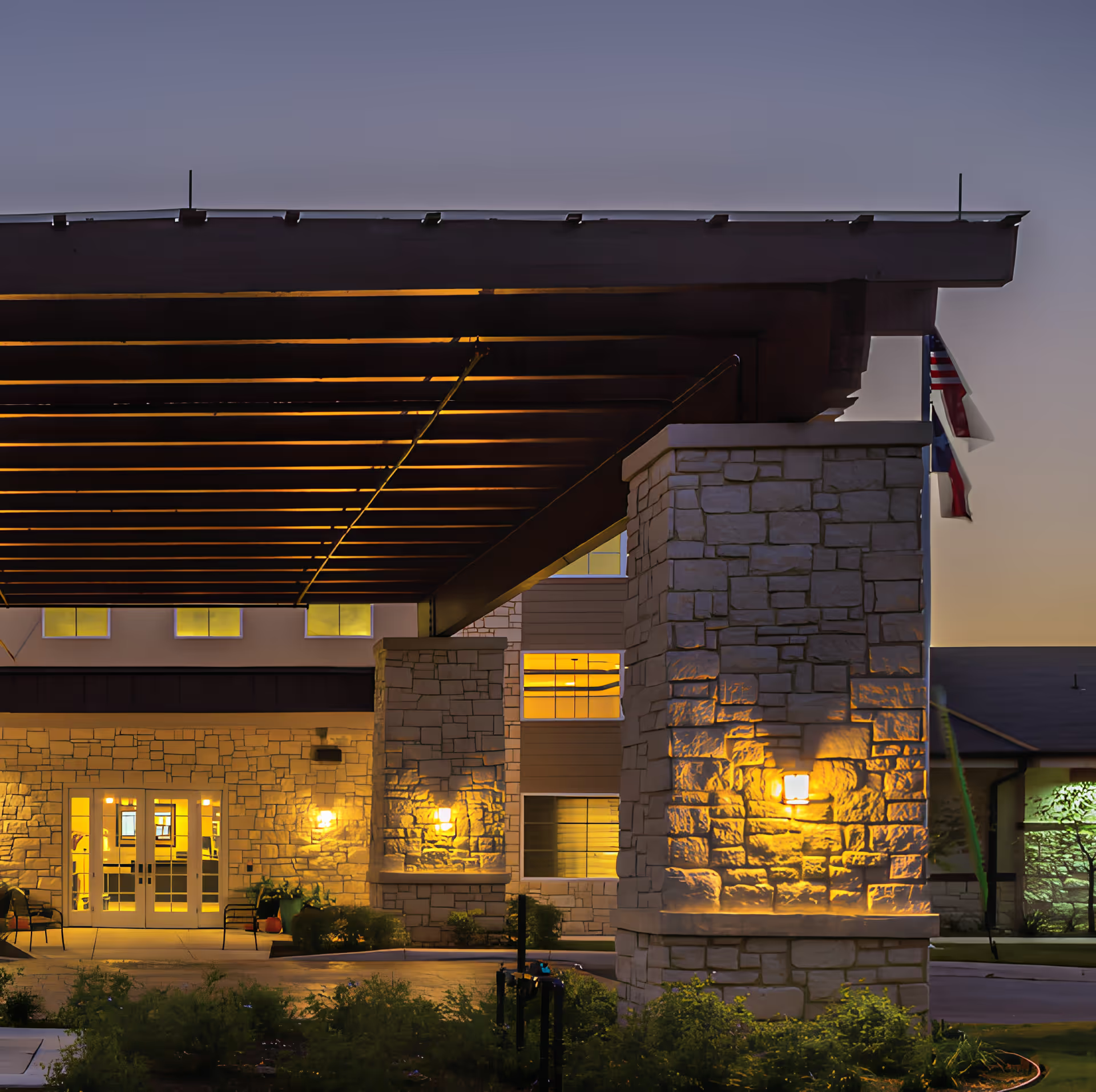
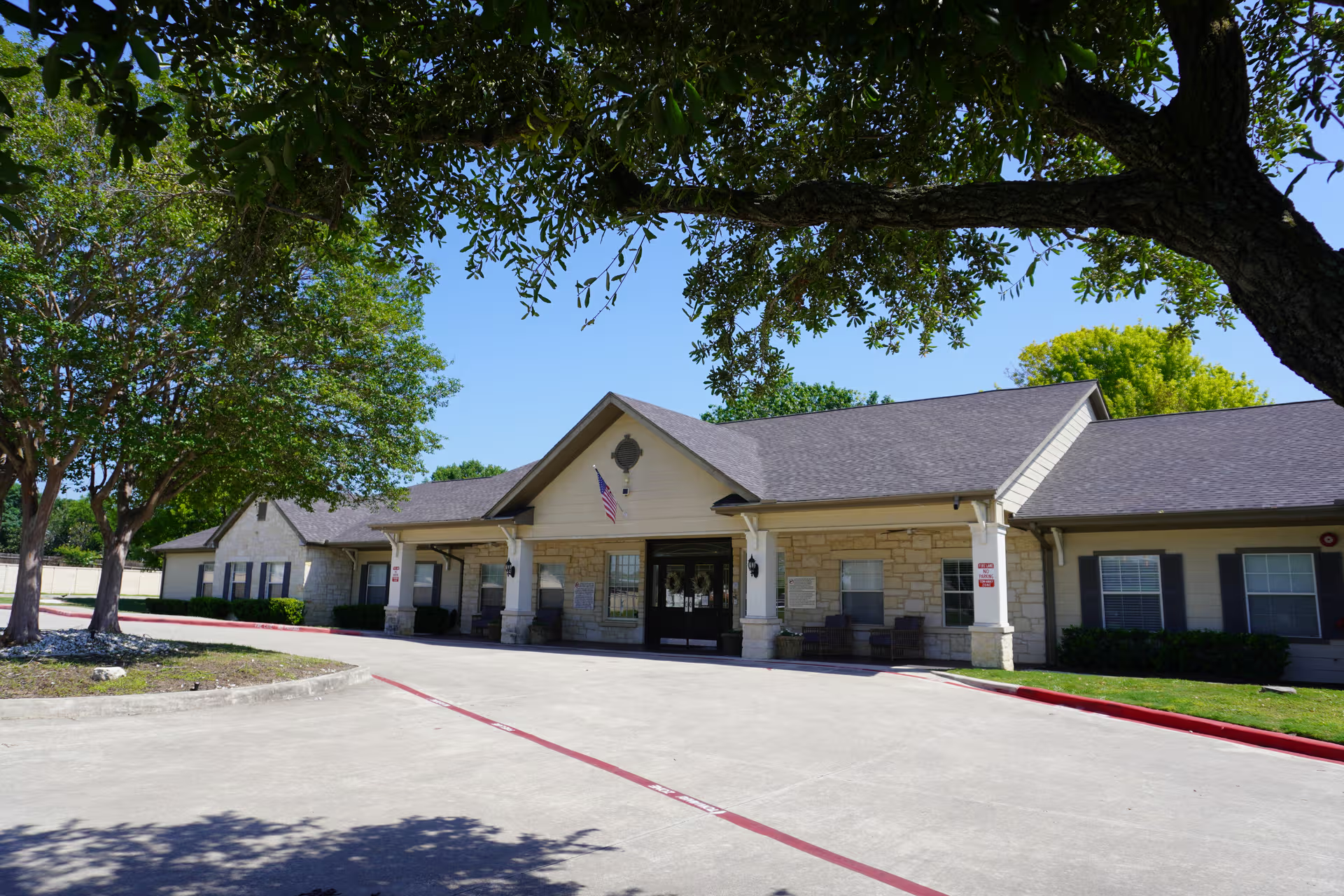
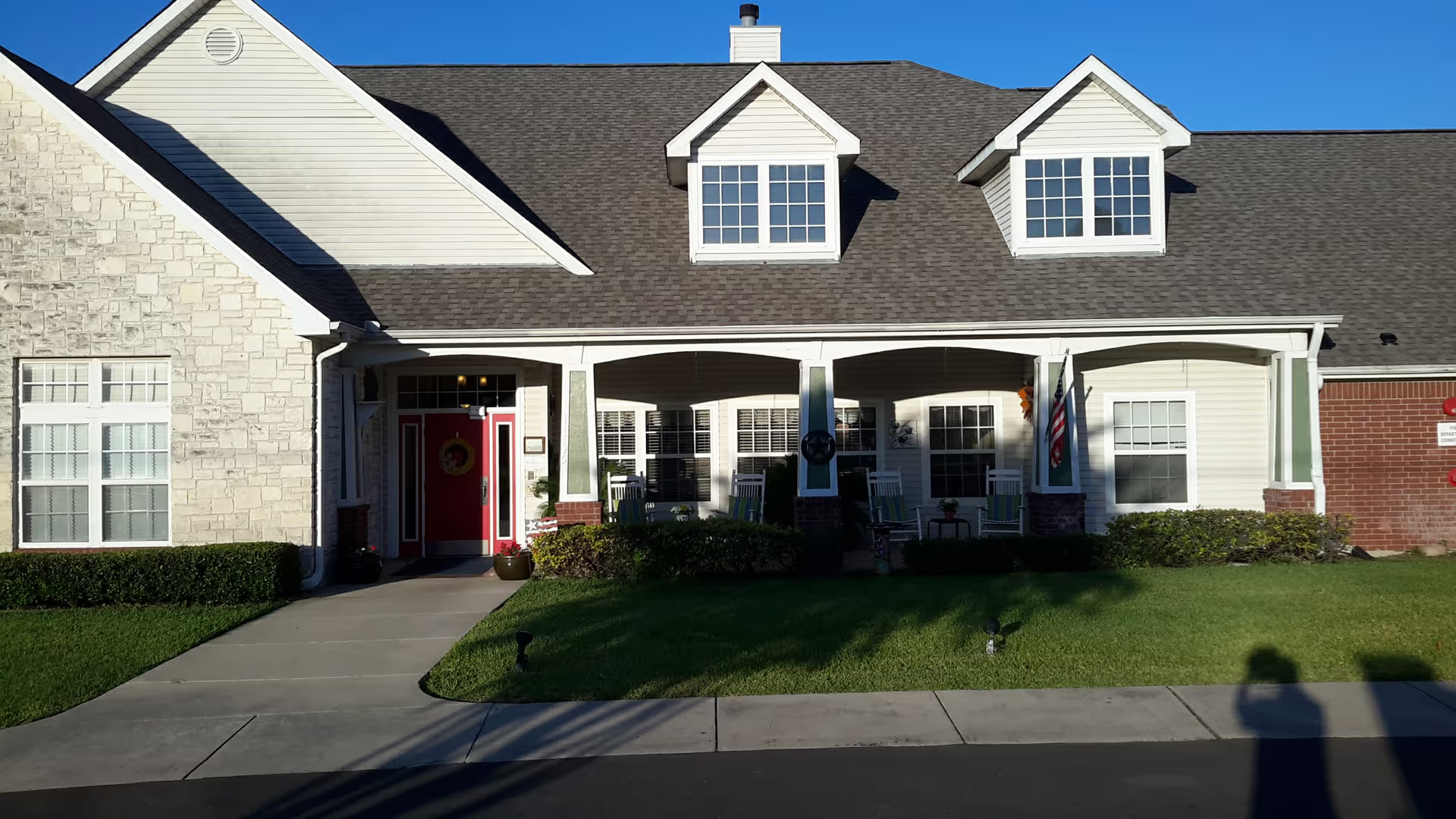
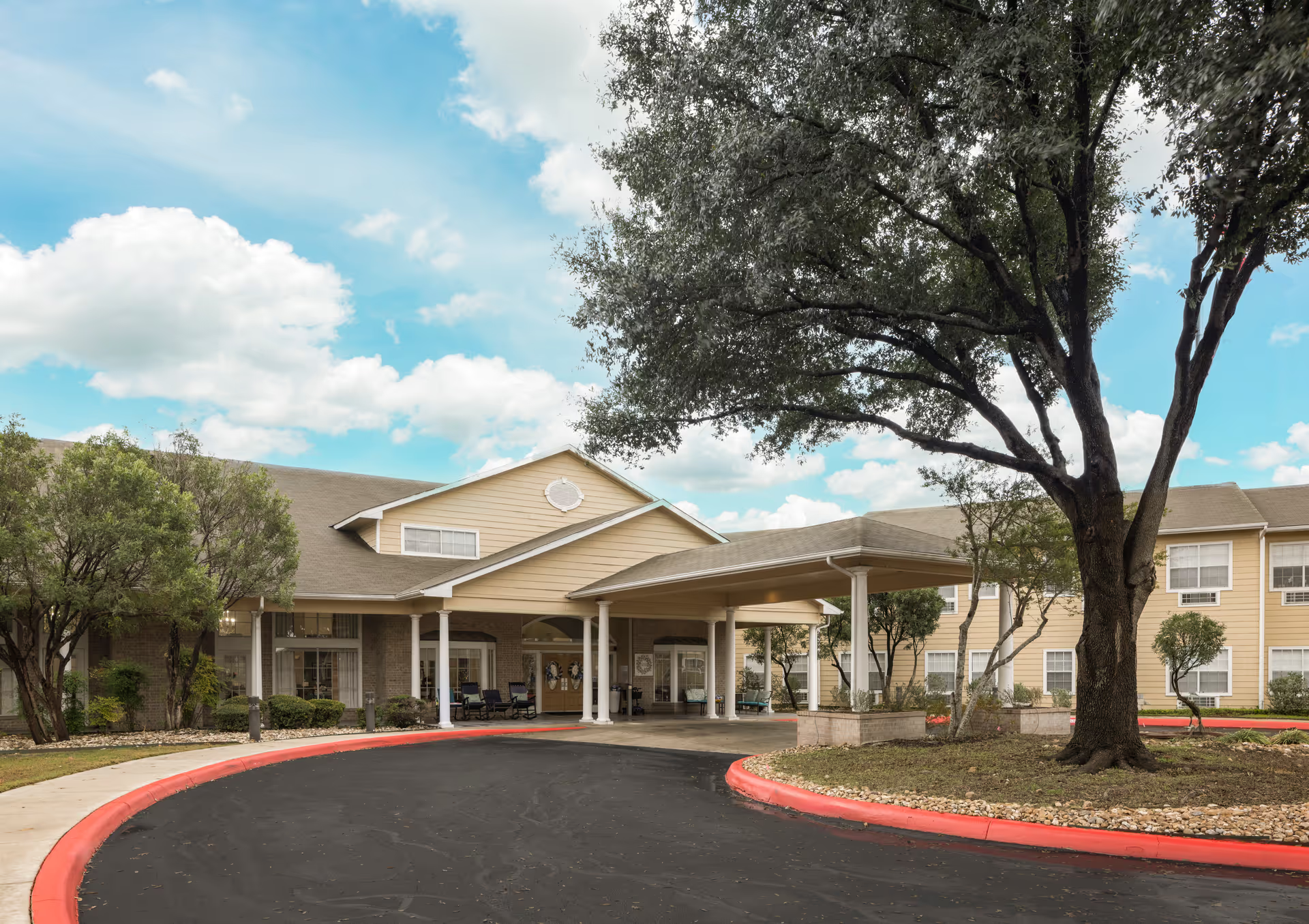
Silver Tree Nursing and Rehabilitation elicits a strongly mixed set of impressions. Many families and residents praise the facility for its rehabilitative strengths, personable caregivers, and an active social program. The facility's therapy services — physical, occupational, and speech — receive repeated commendation for producing measurable recovery and mobility gains. Reviewers commonly note well-organized activities (bingo, veterans meetings, themed events, live entertainers), an on-site salon and recreational spaces, and visitor-friendly accommodations such as extra dining rooms. The property itself is frequently described as modern, clean, and comfortable, with private-room options and pleasant grounds.
Care and staffing present a bifurcated picture. A substantial number of reviews highlight compassionate, attentive nurses, CNAs, and therapists who become like family to residents; those accounts emphasize individualized care, proactive communication, and therapeutic progress. Conversely, there is a recurrent theme of staffing shortages and slow responses to resident needs — long call-light waits, delayed assistance for basic care, and inconsistent follow-through on physician orders. Several reviews raise concerns about medication timing, pain-management practices, and wound/incontinence-care oversight, and a subset of families describe inadequate post-discharge planning or delayed clinical recognition of worsening conditions. These items point to variability in clinical oversight rather than uniform performance.
Dining and activities are generally strengths but show inconsistency. Many reviewers praise the quality and variety of meals, special-event dining, and social programming; others describe unappealing meals on occasion or slow meal-service continuity when dietary staffing is limited. The activities program is a frequent positive, with meaningful social engagement opportunities and special events that contribute to a home-like atmosphere.
Facility amenities and sanitation are similarly mixed. Numerous comments reference a clean, odor-free environment and well-kept common areas, courtyard, and interior finishes. However, a smaller set of reviews note localized cleanliness and odor concerns in specific hallways or restrooms, suggesting variable housekeeping performance by area or shift. Prospective residents value the private rooms, salon, and extra visitor spaces noted across reviews.
Operational and management patterns emerge as notable. Several families report communication breakdowns among clinical staff, transport services, and administration — examples include transport coordination errors, paperwork lapses, and uneven admissions follow-up. Some reviewers perceive a sales-driven admissions experience focused on tours, while others describe responsive, helpful administrators who address issues proactively. There are also comments about leadership turnover and inconsistent supervisory oversight. A limited number of serious complaints reference financial concerns and regulatory attention; these are characterized in the records as allegations and warrant direct inquiry by prospective families.
Overall assessment: Silver Tree appears to offer strong rehabilitative services, engaging programs, and dedicated caregiving staff in many cases. At the same time, persistent issues around staffing levels, communication, documentation, transport coordination, and certain aspects of clinical oversight create variability in resident experience. Families considering Silver Tree should weigh the facility's therapy and activity strengths against operational concerns, and proactively ask specific questions about staffing ratios, medication and wound-care protocols, discharge planning, transport procedures, and recent regulatory or financial inquiries when evaluating the facility for placement.